×

Dominican Republic🇩🇴 | townsJimaníborder crossing, Lake Enriquillo, trade hub | things to do and best time to go

Explore NeybaExplore San José de Ocoa

Backpacking in Jimaní
👌 Worth visitingtown ranked #13
By Johan Kruseman 🇳🇱 | Updated May 28, 2026

Jimaní is not for anyone chasing beach bars, resort pools, or Instagram skylines. It’s for backpackers who don’t mind heat, dust, and a border-town edge if it means seeing a raw slice of the Dominican Republic. Sitting in the far southwest, right on the Haitian border by Lake Enriquillo, Jimaní works best as a practical stopover and launch pad for nearby nature, not a destination town. Buses from Santo Domingo and Barahona make it easy enough to reach, and the center is walkable, but it feels more functional than charming: low concrete buildings, loud motoconchos, a couple of basic guesthouses instead of hostels. You’ll probably meet more traders and Haitian-Dominican families than fellow backpackers, which can feel isolating or fascinating depending on your mood. It’s cheaper than Barahona and safer than it looks at first glance if you stick to main streets and daylight, but you do need to stay alert. Think of Jimaní as a gritty, useful hinge in your route rather than the highlight, especially if you’re heading toward Lake Enriquillo, the southwest coast, or crossing into Haiti.

Discover everything you want to know in the 📖 Dominican Republic Travel Guide.
Loading the map 🌍
CLICK TO FILTER
cities
towns
landmarks
national parks
hikes
beaches
attractions
festivals
regions
SHOW COUNTRY’S BESTSHOW ALL

✨ Why go?
Ranked #13 town in Dominican Republic
Why visitors keep coming back

Jimaní serves as a gateway for backpackers seeking both adventure and cultural immersion. Its proximity to stunning hikes in the Sierra de Bahoruco makes it a prime spot for those eager to explore lush trails. The local guesthouses offer a cozy, intimate vibe, perfect for solo travelers or small groups looking to connect. Strolling through the walkable streets, you’ll find street food that bursts with flavor—think fresh empanadas and tropical fruits. While some pass through quickly, others linger for a few days, soaking in the friendly atmosphere and sharing stories with fellow travelers. If you’re a slow traveler or a hiker, Jimaní’s charm lies in its simplicity and accessibility, making it a worthwhile stop on your journey.
Want to include Jimaní in your Dominican Republic route?
Create a personalized Dominican Republic itinerary that includes Jimaní and the places that fit your trip — based on your travel style, budget, and available time. Get your route in seconds.

Generate my trip

💡 HighlightsTop highlights of Jimaní

  1. Jimaní-Malpasse border area and market — The living heart of the town: the busy cross-border customs strip and informal market where Dominican and Haitian traders swap produce, clothing and household goods. It’s the best place to see daily commerce, buy cheap basics, and watch the border economy in action.
  2. Parque Central (town plaza) — The central plaza with the municipal buildings and the local Catholic church. This is where people gather, vendors set up, and you feel the town’s rhythm: great for people-watching, local conversation, and catching community events if your timing’s right.
  3. Mercado Municipal de Jimaní — Indoor/outdoor market selling fresh fruit, vegetables, spices and cooked snacks. Expect loud bargaining, local specialties, and a very Dominican market atmosphere — the most
read more 👉
  1. Jimaní-Malpasse border area and market — The living heart of the town: the busy cross-border customs strip and informal market where Dominican and Haitian traders swap produce, clothing and household goods. It’s the best place to see daily commerce, buy cheap basics, and watch the border economy in action.
  2. Parque Central (town plaza) — The central plaza with the municipal buildings and the local Catholic church. This is where people gather, vendors set up, and you feel the town’s rhythm: great for people-watching, local conversation, and catching community events if your timing’s right.
  3. Mercado Municipal de Jimaní — Indoor/outdoor market selling fresh fruit, vegetables, spices and cooked snacks. Expect loud bargaining, local specialties, and a very Dominican market atmosphere — the most practical place to sample everyday food and mingle with residents.
  4. Lakeshore access and viewpoint for Lago Enriquillo — Jimaní sits on the eastern edge of Lago Enriquillo; there are shoreline spots within town to watch the salt lake, islands and birdlife at sunset. It’s a raw, dramatic landscape—bring a camera and a local to point out wildlife and safe viewing spots.
Nearby day-trip highlights just outside Jimaní include Parque Nacional Lago Enriquillo e Isla Cabritos (boat access to wildlife and islands), the beaches and coastal wilderness around Pedernales/Bahía de las Águilas, and hiking and biodiversity in the Sierra de Bahoruco area.
Spotted a mistake or missing something? Contact us.

Things to do near Jimaní

Ratings based on Tripadvisor reviews. When you book through this link, you support our work at no extra cost to you.

🏘️ NeighborhoodsUnderstanding the local layout

Jimaní is a crossroads of culture and adventure, where the pulse of daily life meets the thrill of exploration.

Centro: This is the heart of Jimaní. You’ll find local markets buzzing with energy and the scent of street food wafting through the air. It’s affordable and walkable, making it perfect for short stays. Nightlife is low-key, with a few bars where you can mingle with locals.

Las Flores: A quieter area, Las Flores offers a more laid-back vibe. It’s ideal for longer stays, with cozy guesthouses and a friendly atmosphere. The streets are safe for evening strolls, and you can easily catch transport to nearby attractions.

El Cañón: This neighborhood is a bit off the beaten path but worth it for the stunning views. It’s less touristy, giving you a genuine feel of local life. While it’s … read more 👉
Jimaní is a crossroads of culture and adventure, where the pulse of daily life meets the thrill of exploration.

Centro: This is the heart of Jimaní. You’ll find local markets buzzing with energy and the scent of street food wafting through the air. It’s affordable and walkable, making it perfect for short stays. Nightlife is low-key, with a few bars where you can mingle with locals.

Las Flores: A quieter area, Las Flores offers a more laid-back vibe. It’s ideal for longer stays, with cozy guesthouses and a friendly atmosphere. The streets are safe for evening strolls, and you can easily catch transport to nearby attractions.

El Cañón: This neighborhood is a bit off the beaten path but worth it for the stunning views. It’s less touristy, giving you a genuine feel of local life. While it’s not as walkable, the tranquility makes it a great spot for those seeking solitude after a day of adventure.

⌛️ 1 dayA smart one-day plan

Jimaní, a small town on the Dominican Republic’s border with Haiti, pulses with a unique blend of cultures and stories. It’s not on every tourist’s radar, but that’s what makes it special. The air is thick with the scent of street food, and the vibrant chatter of locals fills the streets.

Start your morning at the bustling Mercado Municipal. Here, you can sip on fresh coconut water while browsing colorful stalls overflowing with tropical fruits and handmade crafts. The energy is infectious, and you’ll get a real taste of daily life. Afterward, stroll through the nearby Parque Central, where the sun filters through the trees, casting playful shadows on the cobblestones.

In the afternoon, head to the less-visited neighborhood of El Cañón. This area offers stunning views of the surrounding … read more 👉
Jimaní, a small town on the Dominican Republic’s border with Haiti, pulses with a unique blend of cultures and stories. It’s not on every tourist’s radar, but that’s what makes it special. The air is thick with the scent of street food, and the vibrant chatter of locals fills the streets.

Start your morning at the bustling Mercado Municipal. Here, you can sip on fresh coconut water while browsing colorful stalls overflowing with tropical fruits and handmade crafts. The energy is infectious, and you’ll get a real taste of daily life. Afterward, stroll through the nearby Parque Central, where the sun filters through the trees, casting playful shadows on the cobblestones.

In the afternoon, head to the less-visited neighborhood of El Cañón. This area offers stunning views of the surrounding mountains and a chance to connect with local artisans. Stop by a workshop where you can watch craftsmen create intricate wood carvings. It’s a perfect spot to pick up a unique souvenir while supporting the community.

As evening approaches, make your way to a local eatery like La Casa de la Comida. Enjoy a plate of sancocho, a hearty stew that warms you from the inside out. The day wraps up with a leisurely walk along the riverbank, where the sunset paints the sky in hues of orange and pink, reminding you that the beauty of Jimaní is found in its authenticity.
Turn your Jimaní visit into an Dominican Republic adventure
Build a complete Dominican Republic route with Jimaní, hidden gems, must-see destinations, and realistic travel times included.

Generate my trip

🌤️ When to go?Best time to visit Jimaní


  • Topic: Weather – Jimaní sits in a semi-arid zone, so expect dry, dusty air most of the year. The rainy season runs May to November, bringing sudden downpours that can turn dirt roads into mud traps. For smoother trekking and less humidity, aim for December through April.

  • Topic: Temperature – Daytime highs hover around 28-32°C (82-90°F) year-round, but nights cool down to 18-22°C (64-72°F) in the dry season, making early mornings crisp and refreshing for hikes.

  • Topic: Daylight Hours – Near the equator, daylight stays steady at about 11.5 to 12.5 hours daily, so you get reliable light for early starts and late finishes without drastic shifts.

  • Topic: Crowds – Jimaní is off the beaten path, so crowds are minimal year-round. However, local festivals in December and Easter bring a lively
read more 👉

  • Topic: Weather – Jimaní sits in a semi-arid zone, so expect dry, dusty air most of the year. The rainy season runs May to November, bringing sudden downpours that can turn dirt roads into mud traps. For smoother trekking and less humidity, aim for December through April.

  • Topic: Temperature – Daytime highs hover around 28-32°C (82-90°F) year-round, but nights cool down to 18-22°C (64-72°F) in the dry season, making early mornings crisp and refreshing for hikes.

  • Topic: Daylight Hours – Near the equator, daylight stays steady at about 11.5 to 12.5 hours daily, so you get reliable light for early starts and late finishes without drastic shifts.

  • Topic: Crowds – Jimaní is off the beaten path, so crowds are minimal year-round. However, local festivals in December and Easter bring a lively buzz worth timing your visit for if you want cultural immersion.

  • Topic: Seasonal Activities – Dry months favor exploring the nearby Lake Enriquillo and hiking trails without the risk of flash floods. The wet season limits outdoor options but brings lush greenery and bird migrations.

  • Topic: Price Fluctuations – Accommodation and transport costs dip slightly in the rainy season due to fewer tourists, but some services may be less reliable or closed.


Pro-tip: Visit Jimaní between December and April to catch the dry, cooler air and steady light—perfect for backpackers who want to move fast, breathe easy, and soak in the raw landscape without weather slowing the pace.


source: climatestotravel.comJANJanuary: excellent for travelingFEBFebruary: excellent for travelingMARMarch: excellent for travelingAPRApril: excellent for travelingMAYMay: good for travelingJUNJune: fair for travelingJULJuly: fair for travelingAUGAugust: fair for travelingSEPSeptember: fair for travelingOCTOctober: good for travelingNOVNovember: good for travelingDECDecember: excellent for traveling
when-to-go

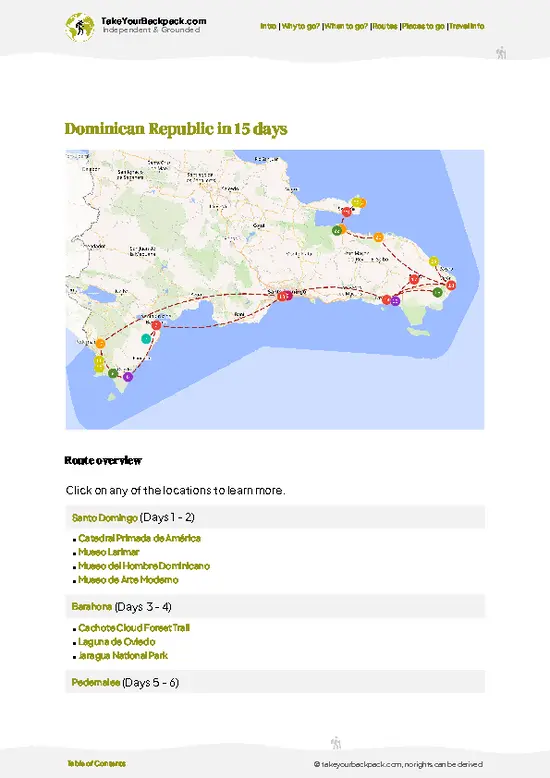
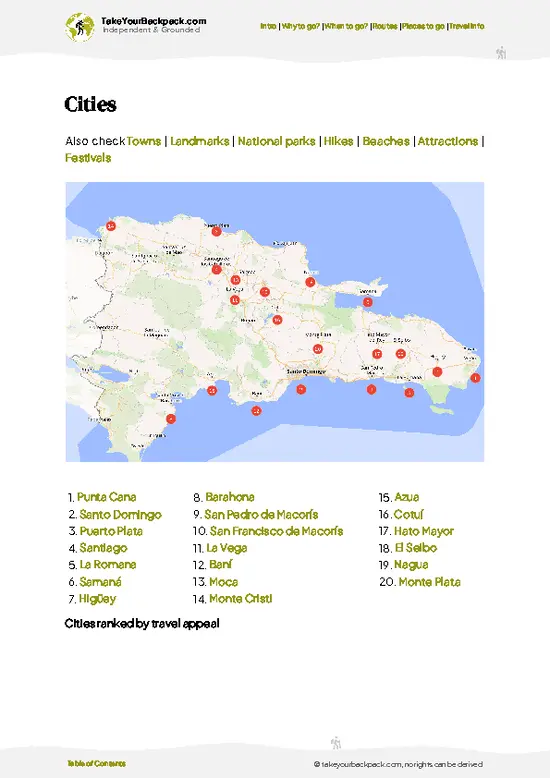
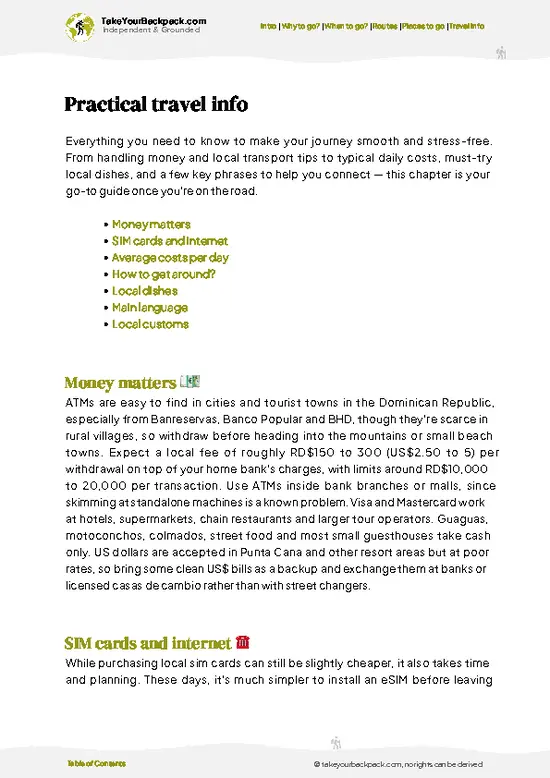
✈️ The backpacker research shortcutDominican Republic Travel Guide

An offline-friendly backpacking guide with optimized travel routes, ranked highlights, transport advice, and the best areas to stay.
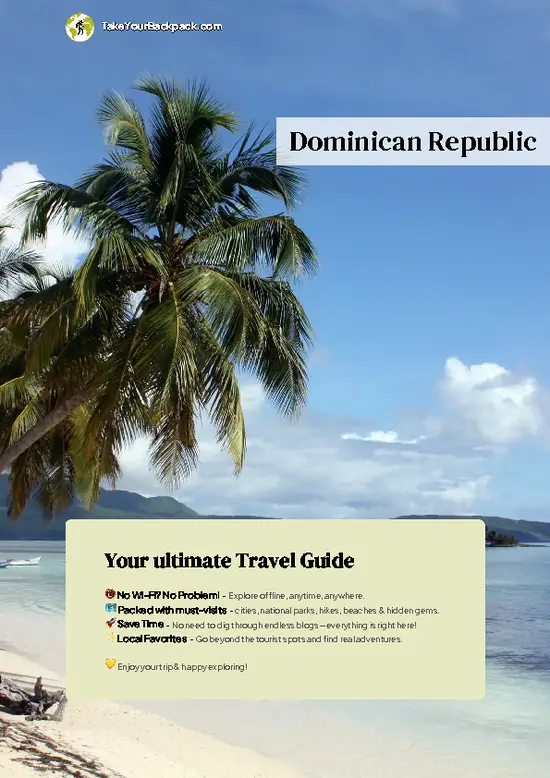
example page 0 from our offline Travel Guide for Dominican Republic
example page 1 from our offline Travel Guide for Dominican Republic
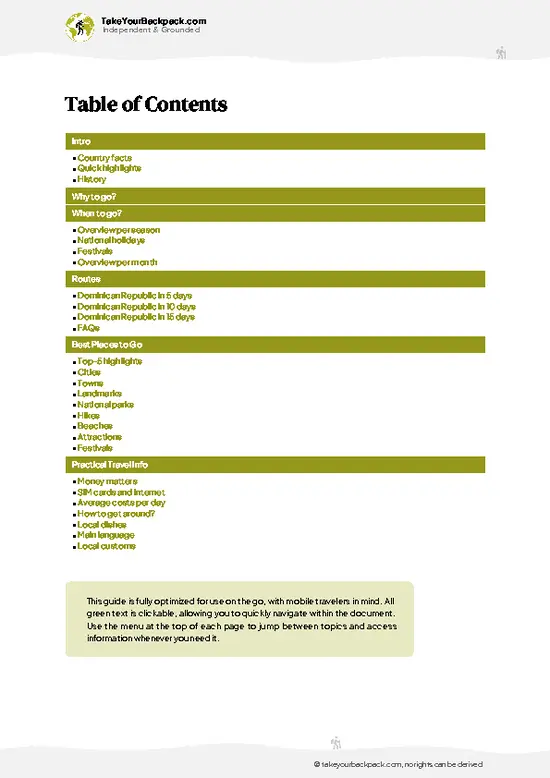
example page 2 from our offline Travel Guide for Dominican Republic
example page 3 from our offline Travel Guide for Dominican Republic
example page 4 from our offline Travel Guide for Dominican Republic
example page 5 from our offline Travel Guide for Dominican Republic
example page 6 from our offline Travel Guide for Dominican Republic
example page 7 from our offline Travel Guide for Dominican Republic
The digital guide (431 pages) contains:
119 highlights, ranked by travel appeal
Optimized 5, 10 & 15-day travel routes
Cities, national parks, landmarks, beaches
How to get around
Offline-friendly for travel without Wi-Fi
👉 Click to see all 30+ guide features

📅 Plan smarter in minutes, not weeks
Month by month travel advice
Festivals & national holidays
Budget expectations

🗺️ Go to the right places, skip the overrated ones
Honest pros & cons of destinations
Top hikes, parks & viewpoints
Lesser-known places most travelers miss
Clear “worth it vs skip it” guidance

🛏️ Travel smoothly without rookie mistakes
Best areas to stay
Transport systems explained simply
Common scams & safety advice
SIM cards, money & practical tips

🌍 Understand the country, not just visit it
Culture & traditions
52 Essential phrases & customs
Festivals worth planning around
Traveler-friendly historical context
Insights that make places more meaningful

📱 Built for real travel conditions
Fully downloadable PDF
Works completely offline
Optimized for phone use
Useful in remote areas & buses
Everything in one place
Save weeks of stressful planning
Get instant access to your full guide. 30‑day money-back guarantee.


By proceeding you agree to our terms.
Sent to your inbox immediately after payment • 100% Secure Checkout
Best Backpacking Travel Advisor 2025 tourism awardBest Backpacking
Travel Advisor
2025
What others say about Take Your Backpack Guides:
⭐⭐⭐⭐⭐
Fantastic, amazing amount of information!
⭐⭐⭐⭐⭐
My goodness this is amazing, it's what I've been looking for hats off too you!
⭐⭐⭐⭐⭐
I think this is absolutely BRILLIANT
⭐⭐⭐⭐
Very complete and informative. It's still missing places, but I gotta to commend you
⭐⭐⭐⭐⭐
This is truly amazing, thank you, can't wait to explore it with my kids!
⭐⭐⭐⭐⭐
Awesome resource, thank you!
⭐⭐⭐⭐⭐
This is amazing! Can't wait to explore the ones I haven't seen
⭐⭐⭐⭐
I love this! Well done, great idea.
⭐⭐⭐⭐⭐
Thanks for taking the time to make this gem!
⭐⭐⭐⭐⭐
This might be the best website I've ever seen.
⭐⭐⭐⭐⭐
Congratulations, and thank you so much for your work; it's incredibly valuable.
⭐⭐⭐⭐
In all seriousness I think you did a great job pointing out the important spots
⭐⭐⭐⭐⭐
10/10 very good
⭐⭐⭐⭐⭐
As someone who's only just starting to visit regularly this is awesome, thank you.
⭐⭐⭐⭐
Thank you very much! I'm going to visit my dad, it's going to be very useful!
⭐⭐⭐⭐⭐
This is really cool! We'll be travelling for the first time and this definitely come in handy.
⭐⭐⭐⭐⭐
You are now our minister of culture, congratulations 👨‍💼
⭐⭐⭐⭐⭐
Just wanted to tell you that this is a pearl! Going to follow your recommendations.
⭐⭐⭐⭐⭐
This is so cool. I'll definitely be using the resource for my travels soon.
⭐⭐⭐⭐⭐
This is very impressive! Good work.
⭐⭐⭐⭐⭐
This is an amazing and informative site. Very well done!

🛏️ Where to stay?Best areas and accommodation options

In Jimaní, the best spot for backpackers is the central town area around the main plaza and market streets. This neighborhood hums with local life—vendors calling out, the scent of fresh fruit and grilled meat mixing in the warm air. It’s where you’ll find the most budget-friendly guesthouses and a handful of hostels that cater to solo travelers and small groups. Staying here means you’re steps away from the pulse of the town, making it easy to connect with locals and fellow backpackers alike.

Compared to the quieter, more residential outskirts, the center feels safer after dark because of the … read more 👉
In Jimaní, the best spot for backpackers is the central town area around the main plaza and market streets. This neighborhood hums with local life—vendors calling out, the scent of fresh fruit and grilled meat mixing in the warm air. It’s where you’ll find the most budget-friendly guesthouses and a handful of hostels that cater to solo travelers and small groups. Staying here means you’re steps away from the pulse of the town, making it easy to connect with locals and fellow backpackers alike.

Compared to the quieter, more residential outskirts, the center feels safer after dark because of the steady foot traffic and street vendors still out late. It’s social without being overwhelming, with a relaxed vibe that invites lingering over a cheap coffee or a late snack. This area is your launchpad for exploring the border region and soaking in the authentic rhythms of Jimaní without the hassle of long commutes or sketchy neighborhoods.

🚌 Getting aroundGetting around like a local

Jimaní moves at its own pace—less a clock-driven town and more a rhythm of the sun and the people who live close to the land. The air carries the scent of dry earth and distant salt flats, dust swirling in lazy eddies as locals barter and chat. There’s no rush here, no strict timetable to obey, just a flow that’s part intuition, part necessity. You’ll find that the best way to get around is to lean into this relaxed tempo, letting the town’s natural pulse guide your steps rather than forcing a rigid schedule. The streets are a patchwork of informal stops and spontaneous rides, where timing is flexible but the connections are real.


  • Walking: The heart of Jimaní is compact and best explored on foot. Streets are uneven but manageable, and walking lets you soak in the dry heat, the chatter
read more 👉
Jimaní moves at its own pace—less a clock-driven town and more a rhythm of the sun and the people who live close to the land. The air carries the scent of dry earth and distant salt flats, dust swirling in lazy eddies as locals barter and chat. There’s no rush here, no strict timetable to obey, just a flow that’s part intuition, part necessity. You’ll find that the best way to get around is to lean into this relaxed tempo, letting the town’s natural pulse guide your steps rather than forcing a rigid schedule. The streets are a patchwork of informal stops and spontaneous rides, where timing is flexible but the connections are real.


  • Walking: The heart of Jimaní is compact and best explored on foot. Streets are uneven but manageable, and walking lets you soak in the dry heat, the chatter of street vendors, and the occasional breeze from nearby Lake Enriquillo. It’s free, slow, and the most immersive way to move.

  • Motoconchos (Motorcycle Taxis): These buzzing two-wheelers dart through traffic and dirt roads alike. They run from dawn until dusk, costing just a few Dominican pesos per ride. Quick and nimble, they’re perfect for short hops or when the sun is high and the heat demands speed.

  • Local Buses (Guaguas): These are the budget backbone for longer trips, like heading toward the Haitian border or nearby towns. They leave when full, not on a strict schedule, so expect some waiting. Fares are low, and the ride is slow but authentic, with windows down to catch the dry, dusty air.

  • Shared Taxis: For a bit more comfort and speed, shared taxis run fixed routes but only depart once packed. They’re pricier than buses but faster and less crowded, ideal if you want to cover more ground without the unpredictability of motoconchos.

👛 Costs (as of 11 August 2025)Travel costs and budget guide for Jimaní

Backpacking in Jimaní, Dominican Republic, means embracing a raw, border-town vibe where prices stay modest but the experience feels grounded in everyday life. Here’s what you’re looking at for daily costs:
  • Dorm Accommodation: Options are limited and basic, mostly small guesthouses or local inns rather than hostels. Expect to pay around $10 to $15 USD per night for a shared room. The rooms are simple, often with just a fan and a mosquito net, but clean enough to rest after a day of exploring.
  • Meals: Street food and local eateries dominate. A typical meal—think rice, beans, some meat or fish, and a side of plantains—runs about $2 to $5 USD. Breakfast might be a coffee and pastry for under $2. If you want something a bit more substantial or a cold drink, budget closer to $6 per meal.
  • Local
read more 👉
Backpacking in Jimaní, Dominican Republic, means embracing a raw, border-town vibe where prices stay modest but the experience feels grounded in everyday life. Here’s what you’re looking at for daily costs:
  • Dorm Accommodation: Options are limited and basic, mostly small guesthouses or local inns rather than hostels. Expect to pay around $10 to $15 USD per night for a shared room. The rooms are simple, often with just a fan and a mosquito net, but clean enough to rest after a day of exploring.
  • Meals: Street food and local eateries dominate. A typical meal—think rice, beans, some meat or fish, and a side of plantains—runs about $2 to $5 USD. Breakfast might be a coffee and pastry for under $2. If you want something a bit more substantial or a cold drink, budget closer to $6 per meal.
  • Local Transport: Jimaní is small, so walking is your best bet to soak in the atmosphere. For longer trips, local motoconchos (motorcycle taxis) cost around $1 to $3 USD depending on distance. Shared minibuses to nearby towns hover around $2 to $4 USD.
  • Basic Activities/Entry Fees: There aren’t many formal tourist attractions here, but crossing into Haiti for a day trip or visiting Lake Enriquillo involves minimal costs. Entry fees or permits, if any, are usually under $5 USD. The real cost is in transport and local guides if you want them.
  • Miscellaneous Expenses: Bottled water, snacks, and occasional essentials like toiletries or phone credit add up to about $2 to $5 USD daily. Keep some cash handy since card acceptance is rare.

All told, you’re looking at roughly $20 to $35 USD per day to cover the essentials in Jimaní. It’s a place where the modest budget matches the straightforward, unvarnished character of the town—no frills, just the pulse of border life and the chance to experience a slice of Dominican reality without breaking the bank.


source: godominicanrepublic.com
⚠️ Prices can change and everyone travels differently, so take this as a rough guide. Hope it helps you plan your adventure!

🚌 Day tripsEasy escapes and nearby places

Jimaní is a perfect launchpad for unforgettable day trips that blend adventure with local culture. Each journey offers a unique taste of the Dominican Republic, making the effort worthwhile.

Lake Enriquillo
A surreal experience awaits at Lake Enriquillo, the largest lake in the Caribbean and the lowest point in the region. The drive takes about an hour, and the scenery shifts from bustling towns to arid landscapes dotted with cacti. Once there, you can spot crocodiles basking in the sun and flamingos wading in the shallow waters. Bring a picnic to enjoy while soaking in the stark beauty. Expect to spend around $10 for transport and snacks. The best time to visit is during the dry season, from December to April, when the skies are clear. A common mistake is underestimating the heat; pack … read more 👉
Jimaní is a perfect launchpad for unforgettable day trips that blend adventure with local culture. Each journey offers a unique taste of the Dominican Republic, making the effort worthwhile.

Lake Enriquillo
A surreal experience awaits at Lake Enriquillo, the largest lake in the Caribbean and the lowest point in the region. The drive takes about an hour, and the scenery shifts from bustling towns to arid landscapes dotted with cacti. Once there, you can spot crocodiles basking in the sun and flamingos wading in the shallow waters. Bring a picnic to enjoy while soaking in the stark beauty. Expect to spend around $10 for transport and snacks. The best time to visit is during the dry season, from December to April, when the skies are clear. A common mistake is underestimating the heat; pack plenty of water and sunscreen.


Haitian Market in Jimaní
Immerse yourself in the vibrant atmosphere of the Haitian market, just a short walk from the town center. Open on Saturdays, it’s a sensory overload of colors, sounds, and smells. You’ll find everything from fresh produce to handmade crafts. The experience is free, but budget around $5 for snacks and souvenirs. Arrive early to beat the crowds and snag the best deals. Many first-timers miss out on the local delicacies; don’t skip the street food!


Los Haitises National Park
A bit further afield, Los Haitises National Park is a treasure trove of mangroves and limestone cliffs. It takes about two hours to reach the park, but the boat ride through the mangroves is half the adventure. Expect to pay around $30 for the boat tour and entrance fee. The best time to visit is during the dry season, when the trails are more accessible. Many backpackers overlook the guided tours, but they provide invaluable insights into the park’s ecology and history.
👉 Explore Los Haitises National Park
Want to know what more Dominican Republic offers?
The Dominican Republic Travel Guide describes 119 highlights, from cities to national parks, from beaches to hikes

Get the Travel Guide -

🛡️ SafetyScams, Hazards, and Annoyances

Jimaní is generally safe, but a few practical tips can enhance your experience. Stay aware in crowded areas, especially near markets where pickpockets might lurk. If you’re solo, avoid wandering too far after dark; the streets can feel deserted, and it’s best to stick to well-lit paths.

Watch for common scams, like overly friendly locals offering unsolicited help that leads to inflated prices. Carry yourself with confidence; a purposeful stride can deter unwanted attention. Keep your belongings secure and be mindful of your surroundings. Embrace the local vibe, and you’ll navigate Jimaní like a pro.

Other Dominican towns near Jimaní

Explore more nearby:

  • Neyba—grape harvest, arid hills, inland market| 46 km away
  • Pedernales—desert coast, national parks, remote frontier| 55 km away
  • Dajabón—border market, Haitian influence, river crossing| 119 km away

💡 Not sure where to go next?
Create a personalized itinerary for Dominican Republic including Jimaní and the places that fit your trip.

Generate my itinerary

👉 Discover all towns

Or checkout all Dominican Republic has to offer (think cities, towns, villages, national parks, hikes, beaches, festivals)
Country photo of Dominican Republic

We 💚 feedbackKey takeaways before you go

Jimaní has a raw, unfiltered vibe that pulses with life. The best surprise? The local market—where the scent of fresh mango mingles with the chatter of vendors. Just a heads-up: the roads can be bumpy, so brace yourself for a bit of a jolt. It’s all part of the adventure, trust me.

✍️ Help improve this page!
The information on this page is based on in-depth research, insights shared by experienced travelers, and feedback from the local travel community in Dominican Republic. While every effort is made to keep the information accurate and current, conditions can change — so if you spot anything incorrect or outdated, please get in touch.


🙋‍♂️ Give feedback

👋 Meet the founderWho’s Behind Take Your Backpack?

Johan, backpacker and founder of TakeYourBackpackHi, I’m Johan (Netherlands 🇳🇱), the creator of TakeYourBackpack. Over the past decade, I’ve backpacked through 80+ countries across six continents, gaining extensive experience with independent travel, long-term trips, and overland routes.

This site is built on a combination of firsthand travel experience and carefully curated insights from other backpackers. Many guides are based on places I’ve personally visited, while others bring together tips, observations, and practical advice shared by trusted travelers I’ve met along the way.

The goal is to provide realistic, experience-driven guidance — not generic itineraries — so you can explore destinations with better context, clearer expectations, and more confidence.

Get full country guide •
Instant download • 119 highlights • Full Offline guide