

×

Dominican Republic🇩🇴 | townsPedernalesFar southwest, Bahía de las Águilas, limestone escarpment, flamingo lagoon | things to do and best time to go

Explore DajabónExplore Salcedo

Backpacking in Pedernales
🌟 Highlighttown ranked #5
By Johan Kruseman 🇳🇱 | Updated October 23, 2026

Pedernales is not a beach resort town you can drive to in a lazy afternoon from Punta Cana; most travelers get the distance wrong and arrive sunburned by sheer car time. It sits in the far southwest of the Dominican Republic, against the Haitian border, at the edge of Jaragua National Park. The town itself is small, dusty and mostly practical, so don’t plan to spend long on its streets. What is worth your time is what surrounds it: Bahía de las Águilas, the Hoyo de Pelempito viewpoint and the flamingo-dotted Oviedo lagoon. Getting here takes real effort, which keeps crowds thin. Hostels are few, evenings are quiet, and you’ll meet other travelers mostly at tour pickups and over plates of fried fish. Treat it as a base for nature, not a stop for sightseeing. The malecón at dusk has pelicans diving offshore and a few plastic chairs to watch them from.

Discover everything you want to know in the 📖 Dominican Republic Travel Guide.


example page 0 from our offline Travel Guide for Dominican Republic
example page 1 from our offline Travel Guide for Dominican Republic
example page 2 from our offline Travel Guide for Dominican Republic
example page 3 from our offline Travel Guide for Dominican Republic
example page 4 from our offline Travel Guide for Dominican Republic
example page 5 from our offline Travel Guide for Dominican Republic
example page 6 from our offline Travel Guide for Dominican Republic
example page 7 from our offline Travel Guide for Dominican Republic
Loading the map 🌍
CLICK TO FILTER
cities
towns
landmarks
national parks
hikes
beaches
attractions
festivals
SHOW COUNTRY’S BESTSHOW ALL

✨ Why go?
Ranked #5 town in Dominican Republic
What makes this town worth visiting

Pedernales is the gateway to the wildest coast in the country, and that is the whole case for coming. Most backpackers stay two or three nights: one day for Bahía de las Águilas, one for the Hoyo de Pelempito cliff and the Sierra de Bahoruco highlands, and a third for slow recovery or the Oviedo lagoon. The town works as a practical launch point because boat captains, guides and motoconcho drivers all operate from here, and a few small guesthouses keep things simple. It suits hikers, solo travelers who like quiet, and anyone happy to trade nightlife for empty sand and starry skies. Meals are mostly grilled fish, fried plantain and cold Presidente beer, eaten at the waterfront or in family-run comedores. Social energy is low, but conversations start easily at the dock when boats leave in the … read more 👉
Pedernales is the gateway to the wildest coast in the country, and that is the whole case for coming. Most backpackers stay two or three nights: one day for Bahía de las Águilas, one for the Hoyo de Pelempito cliff and the Sierra de Bahoruco highlands, and a third for slow recovery or the Oviedo lagoon. The town works as a practical launch point because boat captains, guides and motoconcho drivers all operate from here, and a few small guesthouses keep things simple. It suits hikers, solo travelers who like quiet, and anyone happy to trade nightlife for empty sand and starry skies. Meals are mostly grilled fish, fried plantain and cold Presidente beer, eaten at the waterfront or in family-run comedores. Social energy is low, but conversations start easily at the dock when boats leave in the morning. If you want a lively scene, skip it. If you want a stretch of Caribbean without resort towers, this is the place.

💡 HighlightsWhat this place is best known for

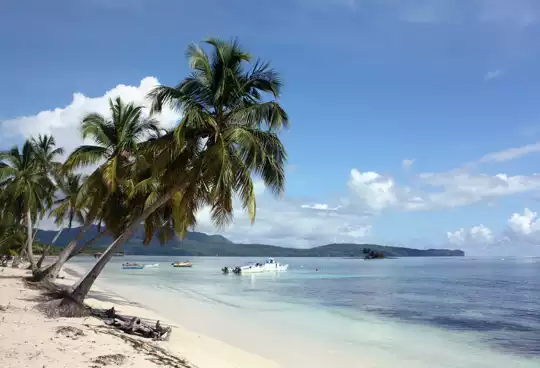
  1. Bahía de las Águilas: The reason anyone comes. A long crescent of pale sand and clear shallow water inside Jaragua National Park, with no buildings on it. Go early, ideally before 10 AM, when the water is calm and the sun is gentler. Boats leave from Cabo Rojo port and cost roughly US$25 to 40 per person round trip, plus a park fee of about US$3 to 5. Allow 4 to 6 hours. Bring your own shade, water and food.
  2. Hoyo de Pelempito: A huge limestone escarpment in the Sierra de Bahoruco with a sheer drop of several hundred meters toward the dry plain below. Morning light is clearest. Entry to the Sierra de Bahoruco park is around US$2 to 4, and a guide or driver adds more. Plan 1 to 2 hours at the viewpoint.
  3. Laguna de Oviedo: A salt lagoon in Jaragua National Park with flamingos, iguanas and mangrove
… read more 👉
  1. Bahía de las Águilas: The reason anyone comes. A long crescent of pale sand and clear shallow water inside Jaragua National Park, with no buildings on it. Go early, ideally before 10 AM, when the water is calm and the sun is gentler. Boats leave from Cabo Rojo port and cost roughly US$25 to 40 per person round trip, plus a park fee of about US$3 to 5. Allow 4 to 6 hours. Bring your own shade, water and food.
  2. Hoyo de Pelempito: A huge limestone escarpment in the Sierra de Bahoruco with a sheer drop of several hundred meters toward the dry plain below. Morning light is clearest. Entry to the Sierra de Bahoruco park is around US$2 to 4, and a guide or driver adds more. Plan 1 to 2 hours at the viewpoint.
  3. Laguna de Oviedo: A salt lagoon in Jaragua National Park with flamingos, iguanas and mangrove islands. Morning is best for birds. Boat tours run about US$20 to 35 per person, with an entry fee of about US$3 to 5. Allow 2 to 3 hours.
  4. Pedernales Malecón: The town’s waterfront promenade, free and open all day. Come at dusk for pelicans, fishing boats and a cold drink. An hour is plenty.
  5. Cabo Rojo Beach and Port Area: The busy departure point for Bahía de las Águilas, with fishermen unloading the catch and small seafood shacks serving it fried. Mornings are liveliest. Entry is free, meals run about US$5 to 10, and an hour or two is enough.
Day trips from Pedernales can take you to the cool pine forests near Aguas Negras, and the Haitian border market at Anse-à-Pitres on market days. Start with Bahía de las Águilas, because early boats beat the heat and the crowds.
Spotted a mistake or missing something? Contact us.

Things to do near Pedernales

Ratings based on Tripadvisor reviews. When you book through this link, you support our work at no extra cost to you.

🏘️ NeighborhoodsKey areas and districts to know

Pedernales is small enough that you can sort it into a few zones in an afternoon, and most of them are worth a short look rather than a long one.
  • Centro: Around the main park and the church you get pharmacies, money changers, motoconcho stands and comedores serving rice, beans and fried fish for a few dollars. It is flat, walkable and loud with motorbikes by mid-morning. Spend an hour here, then move on.
  • The Malecón and waterfront: A modest seafront strip facing the Bay of Pedernales, with small bars and the occasional speaker competing with the neighboring speaker. Come at dusk for the breeze and a cold Presidente. The water by the town is not a swimming destination.
  • Border area (Anse-à-Pitres side): The crossing into Haiti draws a steady flow of traders and trucks. It is interesting to watch
… read more 👉
Pedernales is small enough that you can sort it into a few zones in an afternoon, and most of them are worth a short look rather than a long one.
  • Centro: Around the main park and the church you get pharmacies, money changers, motoconcho stands and comedores serving rice, beans and fried fish for a few dollars. It is flat, walkable and loud with motorbikes by mid-morning. Spend an hour here, then move on.
  • The Malecón and waterfront: A modest seafront strip facing the Bay of Pedernales, with small bars and the occasional speaker competing with the neighboring speaker. Come at dusk for the breeze and a cold Presidente. The water by the town is not a swimming destination.
  • Border area (Anse-à-Pitres side): The crossing into Haiti draws a steady flow of traders and trucks. It is interesting to watch from a distance, but there is nothing here for sightseeing, so skip it unless you have business.
  • Road toward Cabo Rojo and Bahía de las Águilas: This is the real reason to be here. Cabo Rojo has a port, a few seafood shacks and the departure point for boats to the beaches. Fish lunches here beat anything in town. You need a ride, as it is too far to walk in the heat.

⌛️ 1 dayA smart one-day plan

7:00 AM, Cabo Rojo port: Do not skip the early boat to Bahía de las Águilas. Calm water, empty sand and cooler air are all at their best now. Swim, walk the long beach and keep to the shade. Boats return around midday.
12:30 PM, Cabo Rojo seafood shacks: Eat fried fish with tostones at a simple waterfront spot beside the port. Fishermen are bringing in the catch, so the food is fresh and the atmosphere is local. Take a motoconcho or taxi back to town afterward.
2:30 PM, Pedernales rest stop: Spend the hottest hours in your guesthouse or a shaded café. Nobody is moving fast, and neither should you.
4:00 PM, Laguna de Oviedo or the local salt flats: If the lagoon feels too far, ask a driver about the quiet salt-gathering areas along the road, which most tour groups skip. They give a rawer look … read more 👉
7:00 AM, Cabo Rojo port: Do not skip the early boat to Bahía de las Águilas. Calm water, empty sand and cooler air are all at their best now. Swim, walk the long beach and keep to the shade. Boats return around midday.
12:30 PM, Cabo Rojo seafood shacks: Eat fried fish with tostones at a simple waterfront spot beside the port. Fishermen are bringing in the catch, so the food is fresh and the atmosphere is local. Take a motoconcho or taxi back to town afterward.
2:30 PM, Pedernales rest stop: Spend the hottest hours in your guesthouse or a shaded café. Nobody is moving fast, and neither should you.
4:00 PM, Laguna de Oviedo or the local salt flats: If the lagoon feels too far, ask a driver about the quiet salt-gathering areas along the road, which most tour groups skip. They give a rawer look at how the dry coast works, with wide skies and few other people. Flamingos often feed here in late afternoon light.
6:00 PM, Malecón: Walk the waterfront as the heat fades. Pelicans dive offshore and locals gather on benches. Buy a cold drink and stay a while.
7:30 PM, Dinner in town: Choose a small comedor for grilled fish or goat stew, then call it a night. Tomorrow’s early start will feel better for it.

🌤️ When to go?Weather, crowds, and seasonal trade-offs

Pedernales is hot and dry nearly all year, so timing is about comfort and crowds more than rain.
  • Dry Season (December to April): Days run about 29 to 33°C (84 to 91°F), nights 21 to 23°C (70 to 73°F). Beach boats run smoothly and Bahía de las Águilas is at its best. Local holiday weekends, especially Semana Santa, bring Dominican crowds and higher boat prices.
  • Shoulder Months (May to June, November): Showers are short and the heat builds. Quieter, with easier bargaining on rides and rooms.
  • Hot, Wetter Period (July to October): Highs reach 34°C (93°F) or more, with afternoon storms and hurricane risk peaking in August to October. Seas can be rougher and some tours cancel.
  • Daylight: Roughly 11 to 13 hours across the year, so start excursions early.
Book boat trips for weekdays and go early; the sun at midday on the exposed beaches is punishing.

source: climatestotravel.comJANJanuary: excellent for travelingFEBFebruary: excellent for travelingMARMarch: excellent for travelingAPRApril: highly recommended for travelingMAYMay: highly recommended for travelingJUNJune: fair for travelingJULJuly: fair for travelingAUGAugust: fair for travelingSEPSeptember: fair for travelingOCTOctober: fair for travelingNOVNovember: highly recommended for travelingDECDecember: excellent for traveling
when-to-go

✈️ The backpacker research shortcutDominican Republic Travel Guide

An offline-friendly backpacking guide with optimized travel routes, ranked highlights, transport advice, and the best areas to stay.
example page 0 from our offline Travel Guide for Dominican Republic
example page 1 from our offline Travel Guide for Dominican Republic
example page 2 from our offline Travel Guide for Dominican Republic
example page 3 from our offline Travel Guide for Dominican Republic
example page 4 from our offline Travel Guide for Dominican Republic
example page 5 from our offline Travel Guide for Dominican Republic
example page 6 from our offline Travel Guide for Dominican Republic
example page 7 from our offline Travel Guide for Dominican Republic
The digital guide (336 pages) contains:
✅ 108 highlights, ranked by travel appeal
✅ Optimized 5, 10 & 15-day travel routes
✅ Cities, national parks, landmarks, beaches
✅ How to get around
✅ Offline-friendly for travel without Wi-Fi
👉 Click to see all 30+ guide features

📅 Plan smarter in minutes, not weeks
✅ Month by month travel advice
✅ Festivals & national holidays
✅ Budget expectations

🗺️ Go to the right places, skip the overrated ones
✅ Honest pros & cons of destinations
✅ Top hikes, parks & viewpoints
✅ Lesser-known places most travelers miss
✅ Clear “worth it vs skip it” guidance

🛏️ Travel smoothly without rookie mistakes
✅ Best areas to stay
✅ Transport systems explained simply
✅ Common scams & safety advice
✅ SIM cards, money & practical tips

🌍 Understand the country, not just visit it
✅ Culture & traditions
✅ 52 Essential phrases & customs
✅ Festivals worth planning around
✅ Traveler-friendly historical context
✅ Insights that make places more meaningful

📱 Built for real travel conditions
✅ Fully downloadable PDF
✅ Works completely offline
✅ Optimized for phone use
✅ Useful in remote areas & buses
✅ Everything in one place
Stop searching, start planning
Get instant access to your full guide. 30‑day money-back guarantee.
+ Add another guide for just

By proceeding you agree to our terms.
Sent to your inbox immediately after payment • 100% Secure Checkout
Best Backpacking Travel Advisor 2025 tourism awardBest Backpacking
Travel Advisor
2025
What others say about Take Your Backpack Guides:
⭐⭐⭐⭐⭐
Fantastic, amazing amount of information!
⭐⭐⭐⭐⭐
My goodness this is amazing, it's what I've been looking for hats off too you!
⭐⭐⭐⭐⭐
I think this is absolutely BRILLIANT
⭐⭐⭐⭐
Very complete and informative. It's still missing places, but I gotta to commend you
⭐⭐⭐⭐⭐
This is truly amazing, thank you, can't wait to explore it with my kids!
⭐⭐⭐⭐⭐
Awesome resource, thank you!
⭐⭐⭐⭐⭐
This is amazing! Can't wait to explore the ones I haven't seen
⭐⭐⭐⭐
I love this! Well done, great idea.
⭐⭐⭐⭐⭐
Thanks for taking the time to make this gem!
⭐⭐⭐⭐⭐
This might be the best website I've ever seen.
⭐⭐⭐⭐⭐
Congratulations, and thank you so much for your work; it's incredibly valuable.
⭐⭐⭐⭐
In all seriousness I think you did a great job pointing out the important spots
⭐⭐⭐⭐⭐
10/10 very good
⭐⭐⭐⭐⭐
As someone who's only just starting to visit regularly this is awesome, thank you.
⭐⭐⭐⭐
Thank you very much! I'm going to visit my dad, it's going to be very useful!
⭐⭐⭐⭐⭐
This is really cool! We'll be travelling for the first time and this definitely come in handy.
⭐⭐⭐⭐⭐
You are now our minister of culture, congratulations 👨‍💼
⭐⭐⭐⭐⭐
Just wanted to tell you that this is a pearl! Going to follow your recommendations.
⭐⭐⭐⭐⭐
This is so cool. I'll definitely be using the resource for my travels soon.
⭐⭐⭐⭐⭐
This is very impressive! Good work.
⭐⭐⭐⭐⭐
This is an amazing and informative site. Very well done!

🛏️ Where to stay?Choosing the right base

The center of Pedernales is the best place for a budget bed, with a handful of simple guesthouses and small hotels within a few blocks of the main park. Rooms run roughly US$15 to 35, and dorm-style hostels are rare, so expect private rooms with fans or air conditioning.
Staying central means you are close to the bus stops, money changers, groceries and restaurants, and you can walk back after dinner without a ride. Streets are quiet at night, apart from motorbikes and the occasional loud sound system, so bring earplugs if you sleep lightly. Check that your room has reliable air conditioning and … read more 👉
The center of Pedernales is the best place for a budget bed, with a handful of simple guesthouses and small hotels within a few blocks of the main park. Rooms run roughly US$15 to 35, and dorm-style hostels are rare, so expect private rooms with fans or air conditioning.
Staying central means you are close to the bus stops, money changers, groceries and restaurants, and you can walk back after dinner without a ride. Streets are quiet at night, apart from motorbikes and the occasional loud sound system, so bring earplugs if you sleep lightly. Check that your room has reliable air conditioning and a backup for power cuts, which happen.
The second option is the road toward Cabo Rojo, where a few basic cabins and guesthouses sit closer to the port and beach departures. It is cheaper in some cases and gives an early start on boat days, but dining choices are limited and you need transport to get anywhere else. If you want the beaches at sunrise, this makes sense; for everything else, stay in town.

🚌 Getting aroundTransportation options and practical tips

Buses arrive at small offices and stops near the center, and a motoconcho or short walk covers the remaining few blocks for about US$1 or less. Pedernales is flat and compact, so walking handles the town itself, though the heat makes you reconsider by noon. Public transport inside town is informal, and beyond it you rely on shared rides.
  • Walking: Free and perfectly adequate for the park, church, Malecón and restaurants. Do it early or after 5 pm. Midday walking is a hobby for people who enjoy sweating.
  • Motoconcho: Motorbike taxis are the default, costing roughly US$0.50 to 1.50 within town and US$1.50 to 3 for longer hops. Agree the price first, hold on, and ask for a helmet if one exists. Worth it for the edges of town.
  • Guaguas and shared cars (gua-gua, carros públicos): Minibuses and shared
… read more 👉
Buses arrive at small offices and stops near the center, and a motoconcho or short walk covers the remaining few blocks for about US$1 or less. Pedernales is flat and compact, so walking handles the town itself, though the heat makes you reconsider by noon. Public transport inside town is informal, and beyond it you rely on shared rides.
  • Walking: Free and perfectly adequate for the park, church, Malecón and restaurants. Do it early or after 5 pm. Midday walking is a hobby for people who enjoy sweating.
  • Motoconcho: Motorbike taxis are the default, costing roughly US$0.50 to 1.50 within town and US$1.50 to 3 for longer hops. Agree the price first, hold on, and ask for a helmet if one exists. Worth it for the edges of town.
  • Guaguas and shared cars (gua-gua, carros públicos): Minibuses and shared cars run toward Barahona and Oviedo, and a pickup or minibus covers the road to Cabo Rojo for about US$1 to 3. Barahona takes about 3 to 4 hours for roughly US$5 to 8. They leave when full, so mornings are far more reliable than afternoons.
  • Long-distance buses: Companies run to Santo Domingo, around 6 to 8 hours, for roughly US$12 to 20. Book the morning departure and bring a layer, because the air conditioning is aggressive.
  • Hired driver or 4x4 tour: The route into Jaragua National Park and to Bahía de las Águilas is rough, and a hired vehicle with driver costs roughly US$40 to 80 per vehicle for the day, split among passengers. This is where a splurge is justified, since the unpaved track and no shade make going solo a poor bet.

👛 Costs (as of 23 October 2026)Typical daily expenses

Pedernales costs roughly US$41 to 103 a day for a backpacker, and about US$62 with a high-season room, once beach trips are counted.
CategoryBudget RangeLocal Reality
Dorm/budget accommodationUS$15 to 35 (high season US$25)Few true dorms, so a basic private room with a fan or air conditioning is the norm.
MealsUS$10 to 20 (US$14)Comedor plates of rice, beans and fish or chicken run US$4 to 7. Seafood at Cabo Rojo costs more.
Local transportUS$3 to 10 (US$6)Motoconchos for short hops, shared rides toward Cabo Rojo.
Basic activities/entry feesUS$10 to 30 (US$12)Boat share to the beach or lagoon tours, plus park entry in some cases.
MiscellaneousUS$3 to 8 (US$5)Water, sunscreen, snacks and the odd cold beer.
Total Daily BudgetUS$41 to 103About US$62 for a typical day.
Split boat and driver costs with … read more 👉
Pedernales costs roughly US$41 to 103 a day for a backpacker, and about US$62 with a high-season room, once beach trips are counted.
CategoryBudget RangeLocal Reality
Dorm/budget accommodationUS$15 to 35 (high season US$25)Few true dorms, so a basic private room with a fan or air conditioning is the norm.
MealsUS$10 to 20 (US$14)Comedor plates of rice, beans and fish or chicken run US$4 to 7. Seafood at Cabo Rojo costs more.
Local transportUS$3 to 10 (US$6)Motoconchos for short hops, shared rides toward Cabo Rojo.
Basic activities/entry feesUS$10 to 30 (US$12)Boat share to the beach or lagoon tours, plus park entry in some cases.
MiscellaneousUS$3 to 8 (US$5)Water, sunscreen, snacks and the odd cold beer.
Total Daily BudgetUS$41 to 103About US$62 for a typical day.
Split boat and driver costs with other travelers, and eat your main meal at a comedor at midday, when set plates are cheapest.
⚠️ Prices can change and everyone travels differently, so take this as a rough guide. Hope it helps you plan your adventure!

🚌 Day tripsEasy escapes and nearby places

Pedernales works well as a base for the southwest corner, since most of the good sights are within an hour or so and none needs a night away.
Bahía de las Águilas:
A long, pale beach with almost no buildings, reached by boat from Cabo Rojo (about 30 minutes) or by a bumpy track. Budget about US$25 to 40 total with transport and a boat share, plus food and water you must bring. Go December to April and arrive early, because shade is nearly nonexistent, and first-timers often forget sunscreen and cash.
👉 Explore Bahía de las Águilas
Cabo Rojo:
The port area is 20 to 30 minutes away and offers fried fish lunches and sea views, usually US$6 to 10 for a meal. A shared ride costs US$1 to 3. It is an easy half-day, best before the afternoon heat.
👉 Explore Cabo Rojo
Laguna de Oviedo:
A hypersaline lagoon … read more 👉
Pedernales works well as a base for the southwest corner, since most of the good sights are within an hour or so and none needs a night away.
Bahía de las Águilas:
A long, pale beach with almost no buildings, reached by boat from Cabo Rojo (about 30 minutes) or by a bumpy track. Budget about US$25 to 40 total with transport and a boat share, plus food and water you must bring. Go December to April and arrive early, because shade is nearly nonexistent, and first-timers often forget sunscreen and cash.
👉 Explore Bahía de las Águilas
Cabo Rojo:
The port area is 20 to 30 minutes away and offers fried fish lunches and sea views, usually US$6 to 10 for a meal. A shared ride costs US$1 to 3. It is an easy half-day, best before the afternoon heat.
👉 Explore Cabo Rojo
Laguna de Oviedo:
A hypersaline lagoon in Jaragua National Park, about 45 minutes to 1 hour away, with flamingos, iguanas and mangrove islands. Boat tours cost roughly US$15 to 30 including park fees. Morning is best for birds. Many people try to do this and the beach in one day, which rushes both.
👉 Explore Laguna de Oviedo
Los Patos:
A small river meets the sea at this beach, a cool swim near Barahona, roughly 2.5 to 3 hours by road. It is a long day for about US$10 to 20 in transport, so it suits those continuing north.

🛡️ SafetyScams, Hazards, and Annoyances

Pedernales is a quiet, low-key town where the common problems are petty and mostly about heat and logistics. Keep your phone and cash out of sight in the center after dark and use a motoconcho for longer night trips rather than walking unlit stretches. Solo travelers, including women, generally find the town easygoing, though catcalling happens and a firm, brief response works. Around the border area, expect people offering to guide or change money, and it is easier to decline politely and use a regular exchange point. Agree on prices for motoconchos and boat trips before you start, and carry small bills. On beaches and in the park, the real risks are sunburn, dehydration and rough seas, so bring plenty of water and avoid swimming where boats operate. Military checkpoints on the roads are routine; carry a copy of your passport.

FAQCommon questions from travelers

Pedernales is worth visiting if you want Bahía de las Águilas, Jaragua National Park and Laguna de Oviedo, which are some of the least developed coastline and wetlands in the country. The town itself is plain, with a small Malecón and a handful of comedores. Plan beach days from December to April, and expect to pay roughly US$25 to 40 for a boat-and-transport day.
Two to three days is enough for Pedernales, allowing one day for Bahía de las Águilas, one for Laguna de Oviedo and the Cabo Rojo area, and a spare day for weather or slow transport. A single night works if you only want the beach. Rooms run about US$15 to 35 and boat trips start early, so sleeping in town helps.
Pedernales is a long day trip from Barahona, about 3 to 4 hours each way, so it is better as an overnight stay. From Santo Domingo the bus takes 6 to 8 hours, making a same-day return impractical. If you must go quickly, leave early from Barahona or stay one night and visit the beaches in the morning.
⚠️ Things can change over time, so always validate details locally before you go.

Other Dominican towns near Pedernales

Explore more nearby:

  • Jimaní—Below-sea-level crocodile lake, Taíno carvings, Friday market| 51 km away
  • Neiba—Plantain fields, cactus foothills, goat stew, dusk paseo| 61 km away
  • San José de Ocoa—Pine-ridged valley, coffee hills, river picnics, steep lanes| 142 km away

💡 Not sure where to go next?
Create a personalized itinerary for Dominican Republic including Pedernales and the places that fit your trip.

Generate my itinerary

👉 Discover all towns

Or checkout all Dominican Republic has to offer (think cities, towns, villages, national parks, hikes, beaches, festivals)
Country photo of Dominican Republic

We 💚 feedbackFinal thoughts on visiting Pedernales

Pedernales is best in the early morning, when the sea is glassy, the heat has not arrived and the boats leave nearly empty. I would plan every outing before noon and spend afternoons resting. Bring more water than seems sensible, plus cash, because card machines are unreliable here.

✍️ Help improve this page!
The information on this page is based on in-depth research, insights shared by experienced travelers, and feedback from the local travel community in Dominican Republic. While every effort is made to keep the information accurate and current, conditions can change — so if you spot anything incorrect or outdated, please get in touch.


🙋‍♂️ Give feedback

👋 Meet the founderWho’s Behind Take Your Backpack?

Johan, backpacker and founder of TakeYourBackpackHi, I’m Johan (Netherlands 🇳🇱), the creator of TakeYourBackpack. Over the past 3 decades, I’ve backpacked through 90+ countries across six continents, gaining extensive experience with independent travel, long-term trips, and overland routes.

This site is built on a combination of firsthand travel experience and carefully curated insights from other backpackers. Many guides are based on places I’ve personally visited, while others bring together tips, observations, and practical advice shared by trusted travelers I’ve met along the way.

The goal is to provide realistic, experience-driven guidance — not generic itineraries — so you can explore destinations with better context, clearer expectations, and more confidence.