×

Dominican Republic🇩🇴 | attractionsMuseo LarimarLarimar from Bahoruco, lapidary workshop, silver settings, Zona Colonial | things to do and best time to go

Explore Museo del Ámbar DominicanoExplore Bahía de las Águilas

Backpacking in Museo Larimar
👍 Recommendedattraction ranked #7
By Johan Kruseman 🇳🇱 | Updated October 20, 2026

Larimar, the sky-blue stone sold in every gift shop in the country, is mined in only one place on Earth, a mountain range in the southwest, and this museum is where you learn why that matters. Museo Larimar sits in Santo Domingo’s Zona Colonial, Dominican Republic’s capital, a few steps from the Ozama riverfront. It is small, a couple of rooms and a workshop, so crowds are rarely an issue, though tour groups can briefly clog the jewelry counter. Entry is cheap, and nothing here will drain your wallet unless you wander into the shop. The wow-factor is the stone itself, swirled like frozen Caribbean water, plus the chance to see how raw rock becomes a pendant. Go in the morning, before the colonial streets heat up.

Discover everything you want to know in the 📖 Dominican Republic Travel Guide.


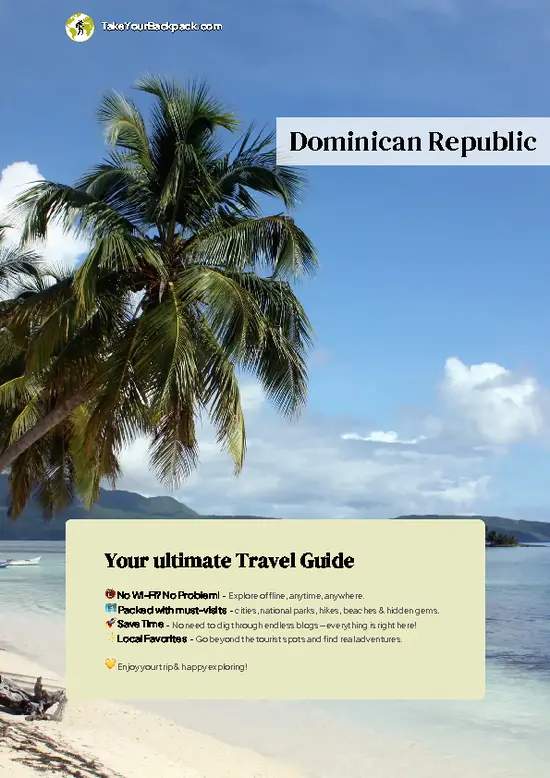
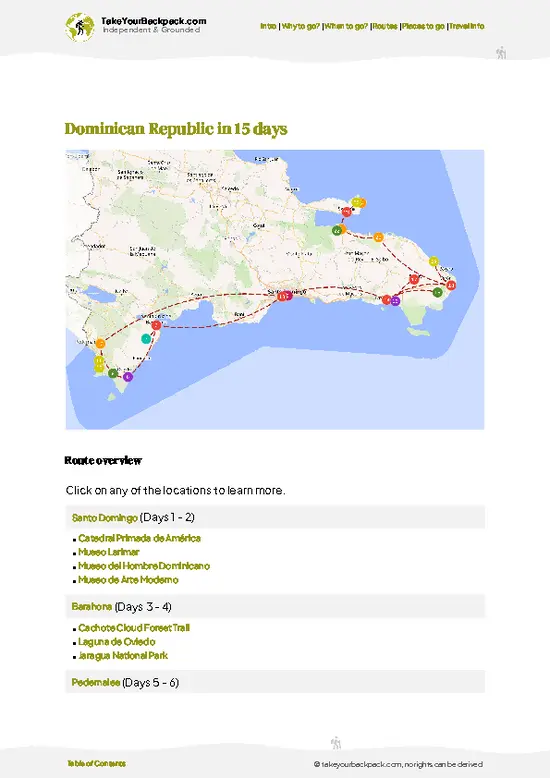
example page 0 from our offline Travel Guide for Dominican Republic
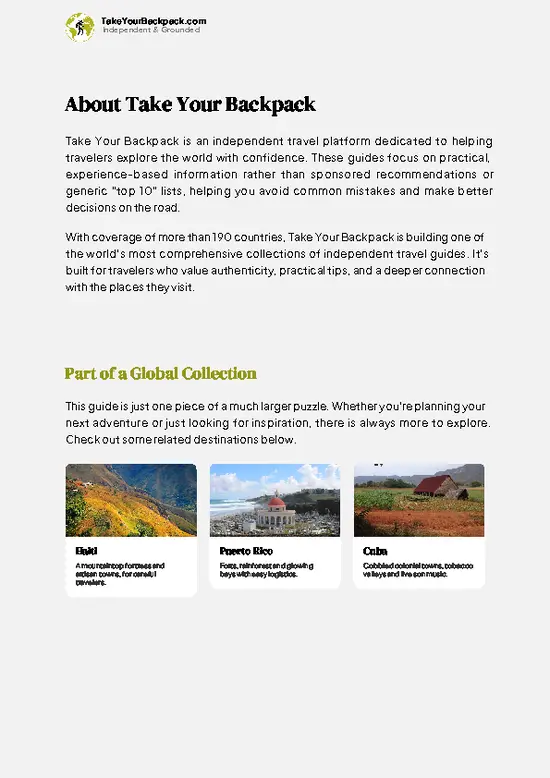
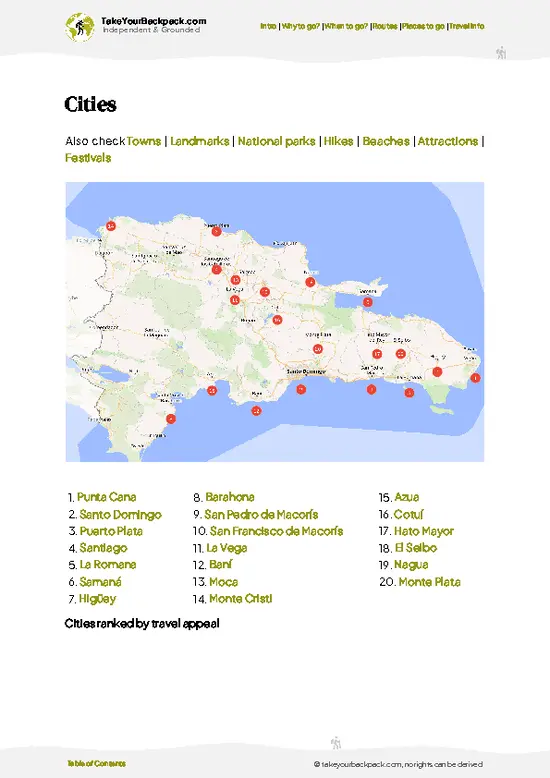
example page 1 from our offline Travel Guide for Dominican Republic
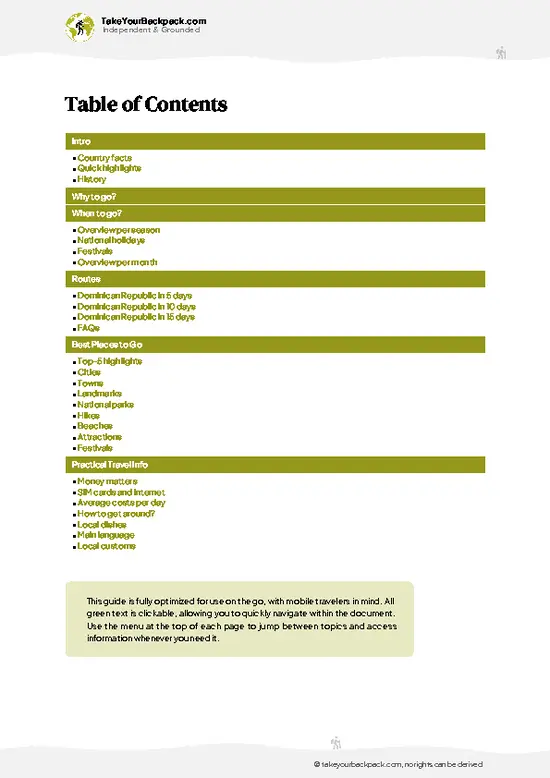
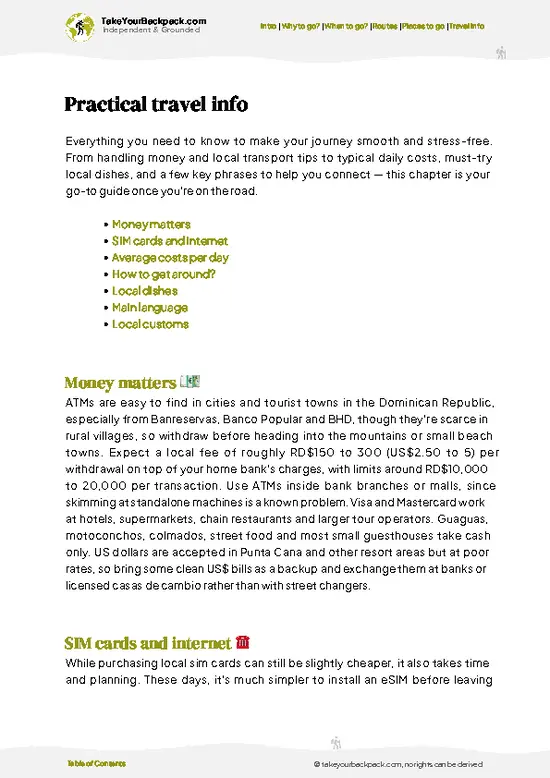
example page 2 from our offline Travel Guide for Dominican Republic
example page 3 from our offline Travel Guide for Dominican Republic
example page 4 from our offline Travel Guide for Dominican Republic
example page 5 from our offline Travel Guide for Dominican Republic
example page 6 from our offline Travel Guide for Dominican Republic
example page 7 from our offline Travel Guide for Dominican Republic
Loading the map 🌍
CLICK TO FILTER
cities
towns
landmarks
national parks
hikes
beaches
attractions
festivals
SHOW COUNTRY’S BESTSHOW ALL

✨ Why go?
Ranked #7 attraction in Dominican Republic
Why visitors keep coming back

Museo Larimar gives you a quick, concrete lesson in something you will see for sale on every beach and plaza in the country. Without it, a blue pendant is just a blue pendant. With it, you know that the stone is found only in the Bahoruco mountains near Barahona, how its white and sky-blue patterns form, and how to tell a decent piece from a dyed imitation before you buy a souvenir.
It also suits the cramped schedule of a capital stop. You can finish the visit in under an hour, which leaves room for the surrounding Zona Colonial, where the Americas’ oldest cathedral and fortress are within walking distance. For a backpacker, that makes the museum a smart, low-effort add-on rather than a half-day commitment. Watching artisans cut and polish stones on site also explains why prices vary so widely.

💡 HighlightsDon't-miss highlights and experiences

  1. The Larimar Gallery: the main exhibit, with raw and polished stones showing the range from pale white to deep ocean blue. Seeing them side by side teaches you more than any vendor’s pitch.
  2. Mineral and Geology Displays: explanations of how volcanic activity and cooling created the stone in the Bahoruco range, the only known source.
  3. The Working Lapidary Workshop: artisans cut, shape and polish pieces, so you can see how a rough rock becomes jewelry.
  4. Silver and Larimar Jewelry Collection: rings, pendants and earrings set in silver, useful for judging craftsmanship and quality.
  5. The Museum Shop: a place to compare grades and prices in a pressure-light setting before deciding on a purchase.
  6. Amber and Local Crafts Displays: Dominican amber also gets attention, and the contrast with larimar helps you understand
… read more 👉
  1. The Larimar Gallery: the main exhibit, with raw and polished stones showing the range from pale white to deep ocean blue. Seeing them side by side teaches you more than any vendor’s pitch.
  2. Mineral and Geology Displays: explanations of how volcanic activity and cooling created the stone in the Bahoruco range, the only known source.
  3. The Working Lapidary Workshop: artisans cut, shape and polish pieces, so you can see how a rough rock becomes jewelry.
  4. Silver and Larimar Jewelry Collection: rings, pendants and earrings set in silver, useful for judging craftsmanship and quality.
  5. The Museum Shop: a place to compare grades and prices in a pressure-light setting before deciding on a purchase.
  6. Amber and Local Crafts Displays: Dominican amber also gets attention, and the contrast with larimar helps you understand the country’s two famous gem exports.
  7. The Historic Building: the museum occupies a colonial-era structure on a Zona Colonial street, with stone walls and cool interiors that offer a break from the heat.
Museo Larimar and the nearby Catedral Primada de América pair well in one morning, with the stones first and the cathedral before lunch.
Spotted a mistake or missing something? Contact us.

Things to do around Museo Larimar

Ratings based on Tripadvisor reviews. When you book through this link, you support our work at no extra cost to you.

🌤️ When to go?Best time to visit Museo Larimar

  • December to April: Santo Domingo is driest and breeziest, with highs of 28 to 31°C (82 to 88°F) and lows near 21°C (70°F). Cruise-ship days and holiday weeks bring the biggest queues around the Zona Colonial, so arrive when the museum opens.
  • May to November: Expect heat of 30 to 33°C (86 to 91°F), heavy humidity and short afternoon downpours. Mornings are usually clear, and the indoor galleries make a fine refuge. Hurricane risk peaks from August to October.
  • Daylight: Days run roughly 10.5 to 13.5 hours, so a morning visit leaves plenty of time to wander the nearby streets afterward.
  • Prices: Hostel beds climb in December and January and around Carnival in February. Shoulder months like May and June are the cheapest.
Go on a weekday morning, and expect the museum to be closed on some Sundays.

source: climatestotravel.comJANJanuary: highly recommended for travelingFEBFebruary: highly recommended for travelingMARMarch: excellent for travelingAPRApril: excellent for travelingMAYMay: fair for travelingJUNJune: fair for travelingJULJuly: fair for travelingAUGAugust: fair for travelingSEPSeptember: below average for travelingOCTOctober: fair for travelingNOVNovember: fair for travelingDECDecember: highly recommended for traveling
dominican-republic-attraction-museo-larimar
© Google |

✈️ The backpacker research shortcutDominican Republic Travel Guide

An offline-friendly backpacking guide with optimized travel routes, ranked highlights, transport advice, and the best areas to stay.
example page 0 from our offline Travel Guide for Dominican Republic
example page 1 from our offline Travel Guide for Dominican Republic
example page 2 from our offline Travel Guide for Dominican Republic
example page 3 from our offline Travel Guide for Dominican Republic
example page 4 from our offline Travel Guide for Dominican Republic
example page 5 from our offline Travel Guide for Dominican Republic
example page 6 from our offline Travel Guide for Dominican Republic
example page 7 from our offline Travel Guide for Dominican Republic
The digital guide (336 pages) contains:
✅ 112 highlights, ranked by travel appeal
✅ Optimized 5, 10 & 15-day travel routes
✅ Cities, national parks, landmarks, beaches
✅ How to get around
✅ Offline-friendly for travel without Wi-Fi
👉 Click to see all 30+ guide features

📅 Plan smarter in minutes, not weeks
✅ Month by month travel advice
✅ Festivals & national holidays
✅ Budget expectations

🗺️ Go to the right places, skip the overrated ones
✅ Honest pros & cons of destinations
✅ Top hikes, parks & viewpoints
✅ Lesser-known places most travelers miss
✅ Clear “worth it vs skip it” guidance

🛏️ Travel smoothly without rookie mistakes
✅ Best areas to stay
✅ Transport systems explained simply
✅ Common scams & safety advice
✅ SIM cards, money & practical tips

🌍 Understand the country, not just visit it
✅ Culture & traditions
✅ 52 Essential phrases & customs
✅ Festivals worth planning around
✅ Traveler-friendly historical context
✅ Insights that make places more meaningful

📱 Built for real travel conditions
✅ Fully downloadable PDF
✅ Works completely offline
✅ Optimized for phone use
✅ Useful in remote areas & buses
✅ Everything in one place
Stop searching, start planning
Get instant access to your full guide. 30‑day money-back guarantee.
+ Add another guide for just

By proceeding you agree to our terms.
Sent to your inbox immediately after payment • 100% Secure Checkout
Best Backpacking Travel Advisor 2025 tourism awardBest Backpacking
Travel Advisor
2025
What others say about Take Your Backpack Guides:
⭐⭐⭐⭐⭐
Fantastic, amazing amount of information!
⭐⭐⭐⭐⭐
My goodness this is amazing, it's what I've been looking for hats off too you!
⭐⭐⭐⭐⭐
I think this is absolutely BRILLIANT
⭐⭐⭐⭐
Very complete and informative. It's still missing places, but I gotta to commend you
⭐⭐⭐⭐⭐
This is truly amazing, thank you, can't wait to explore it with my kids!
⭐⭐⭐⭐⭐
Awesome resource, thank you!
⭐⭐⭐⭐⭐
This is amazing! Can't wait to explore the ones I haven't seen
⭐⭐⭐⭐
I love this! Well done, great idea.
⭐⭐⭐⭐⭐
Thanks for taking the time to make this gem!
⭐⭐⭐⭐⭐
This might be the best website I've ever seen.
⭐⭐⭐⭐⭐
Congratulations, and thank you so much for your work; it's incredibly valuable.
⭐⭐⭐⭐
In all seriousness I think you did a great job pointing out the important spots
⭐⭐⭐⭐⭐
10/10 very good
⭐⭐⭐⭐⭐
As someone who's only just starting to visit regularly this is awesome, thank you.
⭐⭐⭐⭐
Thank you very much! I'm going to visit my dad, it's going to be very useful!
⭐⭐⭐⭐⭐
This is really cool! We'll be travelling for the first time and this definitely come in handy.
⭐⭐⭐⭐⭐
You are now our minister of culture, congratulations 👨‍💼
⭐⭐⭐⭐⭐
Just wanted to tell you that this is a pearl! Going to follow your recommendations.
⭐⭐⭐⭐⭐
This is so cool. I'll definitely be using the resource for my travels soon.
⭐⭐⭐⭐⭐
This is very impressive! Good work.
⭐⭐⭐⭐⭐
This is an amazing and informative site. Very well done!

🛏️ Where to stay?Where staying makes the most sense

The Zona Colonial is the best base, because the museum sits on Calle Isabel la Católica at the edge of the old town and you can walk there in minutes. Backpackers cluster here for good reason. Cobbled streets around Calle El Conde and Parque Colón are lively, pedestrian friendly and busy until late, which makes them comfortable for solo travelers, including at night. Hostels and guesthouses concentrate along the side streets, with common rooms, rooftop terraces and group outings to the beach or cave lagoons, so meeting people is easy. Cafés, cheap comedores and bars are all within a short stroll. … read more 👉
The Zona Colonial is the best base, because the museum sits on Calle Isabel la Católica at the edge of the old town and you can walk there in minutes. Backpackers cluster here for good reason. Cobbled streets around Calle El Conde and Parque Colón are lively, pedestrian friendly and busy until late, which makes them comfortable for solo travelers, including at night. Hostels and guesthouses concentrate along the side streets, with common rooms, rooftop terraces and group outings to the beach or cave lagoons, so meeting people is easy. Cafés, cheap comedores and bars are all within a short stroll.
If you want something quieter, the Ciudad Nueva streets just to the north and west keep the same walkability with fewer bars, and rents are a touch lower. Gazcue, a residential district about 15 minutes on foot or a short taxi ride away, suits longer stays and has local eateries, though fewer social hostels. Stay near the Malecón only if you prefer sea breezes over nightlife, and take taxis after dark.

👛 Costs (as of 20 October 2026)What things cost and how to budget

Museo Larimar costs roughly US$40 to 55 per day for a backpacker spending a day around the Zona Colonial, with the entry itself a small part of that.
CategoryBudget RangeLocal Reality
Museum entryUS$0 to 3Entry is low or free for the exhibits. Pay in pesos in cash.
Larimar jewelryUS$0 to 40Optional. Small silver pendants start around US$15 to 25, and prices rise with stone quality.
Accommodation (high season)US$14 to 25Dorm beds in the Zona Colonial, higher from December to April.
FoodUS$8 to 15Comedor lunch is about US$4 to 6. Tourist restaurants on Calle El Conde charge more.
Local transportUS$2 to 6Most sights are walkable. Short taxi or app rides within the center cost US$3 to 6.
ExtrasUS$2 to 5Water, coffee and a small tip for a guide or helper.
Total Daily BudgetUS$40 to 55Per person, per day, in high season.
⚠️ Prices can change and everyone travels differently, so take this as a rough guide. Hope it helps you plan your adventure!

FAQCommon questions from travelers

Museo Larimar takes about 45 minutes to 1 hour to see properly, since it is a compact museum focused on the blue stone found only in the Dominican Republic. Add another 30 minutes if you browse the jewelry shop. Pair it with a half day around the Zona Colonial, including Parque Colón and Calle El Conde, which are a few minutes on foot.
Museo Larimar is worth the entrance fee because the cost is low, roughly US$0 to 3, and you learn how larimar forms in the mountains near Barahona and why it is so rare. The displays give context that makes shopping for jewelry smarter. Visit in the morning, and expect to spend under an hour.
Museo Larimar sits on Calle Isabel la Católica in the Zona Colonial of Santo Domingo, so most backpackers simply walk from nearby hostels in 5 to 15 minutes. From Gazcue or the Malecón, a taxi or ride-hailing trip costs about US$3 to 6. From Las Américas airport, plan on 30 to 45 minutes by taxi, usually US$30 to 40.
⚠️ Things can change over time, so always validate details locally before you go.

Other Dominican attractions near Museo Larimar

Explore more nearby:


💡 Not sure where to go next?
Create a personalized itinerary for Dominican Republic including Museo Larimar and the places that fit your trip.

Generate my itinerary

👉 Discover all attractions

Or checkout all Dominican Republic has to offer (think cities, towns, villages, national parks, hikes, beaches, festivals)
Country photo of Dominican Republic

We 💚 feedbackWhat to keep in mind

Museo Larimar works best as a short stop folded into a Zona Colonial day, ideally before you touch any market stalls. I would visit first, then walk to the cathedral and the Ozama riverfront on foot. Bring small cash, and skip buying until you have compared pieces here.

✍️ Help improve this page!
The information on this page is based on in-depth research, insights shared by experienced travelers, and feedback from the local travel community in Dominican Republic. While every effort is made to keep the information accurate and current, conditions can change — so if you spot anything incorrect or outdated, please get in touch.


🙋‍♂️ Give feedback

👋 Meet the founderWho’s Behind Take Your Backpack?

Johan, backpacker and founder of TakeYourBackpackHi, I’m Johan (Netherlands 🇳🇱), the creator of TakeYourBackpack. Over the past 3 decades, I’ve backpacked through 90+ countries across six continents, gaining extensive experience with independent travel, long-term trips, and overland routes.

This site is built on a combination of firsthand travel experience and carefully curated insights from other backpackers. Many guides are based on places I’ve personally visited, while others bring together tips, observations, and practical advice shared by trusted travelers I’ve met along the way.

The goal is to provide realistic, experience-driven guidance — not generic itineraries — so you can explore destinations with better context, clearer expectations, and more confidence.