



×

Ecuador🇪🇨 | townsPuerto VillamilSierra Negra crater, Tintoreras sharks, Wall of Tears, flamingo lagoons | things to do and best time to go

Explore Puerto AyoraExplore Puerto Baquerizo Moreno

Backpacking in Puerto Villamil
🌟 Highlighttown ranked #5
By Johan Kruseman 🇳🇱 | Updated October 19, 2026

Puerto Villamil sits on Isabela, not Santa Cruz, and it is a sleepy sand-street port, not a mini Puerto Ayora with a party strip. Find it in the south of Isabela island in the Galápagos, Ecuador, where a long white beach runs straight off the main road. Expect flamingos in the lagoons, marine iguanas on the lava, and tortoises up the hill, all close enough to reach by bike. The Sierra Negra volcano hike and Tintoreras snorkel are worth your time. Skip the pricey add-ons if you only have a day. Getting here takes a boat from Santa Cruz, so it is not quick. Evenings are slow, with beach bars and a handful of hostels where meeting travelers is easy over a fresh juice. A seafood lunch of fried fish, rice and plantain cost me about US$7, and it beat any dinner I paid triple for. Unlike Puerto Ayora, it is calm and uncrowded.

Discover everything you want to know in the 📖 Ecuador Travel Guide.


example page 0 from our offline Travel Guide for Ecuador
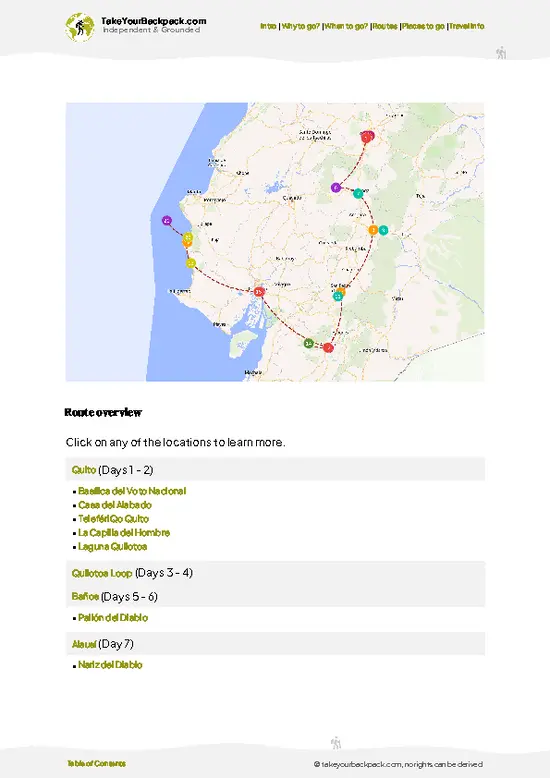
example page 1 from our offline Travel Guide for Ecuador
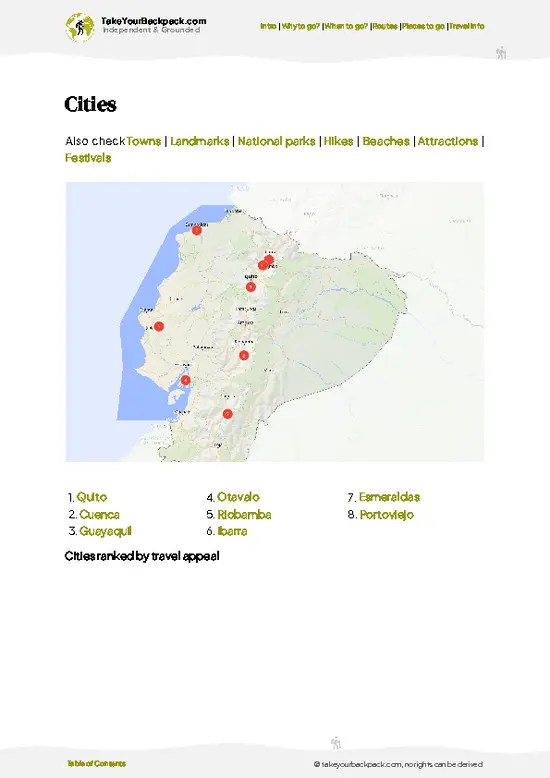
example page 2 from our offline Travel Guide for Ecuador
example page 3 from our offline Travel Guide for Ecuador
example page 4 from our offline Travel Guide for Ecuador
example page 5 from our offline Travel Guide for Ecuador
example page 6 from our offline Travel Guide for Ecuador
example page 7 from our offline Travel Guide for Ecuador
Loading the map 🌍
CLICK TO FILTER
cities
towns
landmarks
national parks
hikes
beaches
attractions
festivals
SHOW COUNTRY’S BESTSHOW ALL

✨ Why go?
Ranked #5 town in Ecuador
What makes this town worth visiting

Puerto Villamil rewards backpackers who want wildlife without a cruise price tag. The town is flat and small, so you can rent a bike and ride to the Wall of Tears, the tortoise breeding center and the lagoons in one lazy day. Nearly everything you came to see starts at the end of a sand street. The big draw is the Sierra Negra volcano hike, one of the longest and most dramatic crater walks in the archipelago, and the snorkel trips from the harbor put you next to penguins, sea lions and reef sharks. Most travelers stay three or four nights, and many wish they had planned five. It is quiet after dark, with a few beach bars and cafés, so hikers, solo travelers and slow-pace couples fit best. Party seekers will want Santa Cruz instead. Small guesthouses make it easy to chat with others and share tour costs.

💡 HighlightsEssential experiences to have while visiting Puerto Villamil

  1. Sierra Negra Volcano and Chico Volcano: The big hike here, with one of the world's largest volcanic craters and fresh lava fields beyond. Go early for cooler air and clearer views. Park entry is about US$10 and a guide is typically needed, with tours around US$30 to 50. Plan 5 to 8 hours.
  2. Tintoreras Islets: A short boat ride from the harbor leads to lava channels where white-tipped reef sharks rest, plus penguins, sea lions and marine iguanas. Mornings are best for snorkeling. Tours cost about US$40 to 50 and last 3 hours.
  3. Muro de las Lágrimas (Wall of Tears): A huge lava-rock wall built by penal colony prisoners. Cycle out in the morning, via trails with lookouts along the way. It is free to visit and takes about 2 hours round trip including stops.
  4. Centro de Crianza de Tortugas (Giant Tortoise
… read more 👉
  1. Sierra Negra Volcano and Chico Volcano: The big hike here, with one of the world's largest volcanic craters and fresh lava fields beyond. Go early for cooler air and clearer views. Park entry is about US$10 and a guide is typically needed, with tours around US$30 to 50. Plan 5 to 8 hours.
  2. Tintoreras Islets: A short boat ride from the harbor leads to lava channels where white-tipped reef sharks rest, plus penguins, sea lions and marine iguanas. Mornings are best for snorkeling. Tours cost about US$40 to 50 and last 3 hours.
  3. Muro de las Lágrimas (Wall of Tears): A huge lava-rock wall built by penal colony prisoners. Cycle out in the morning, via trails with lookouts along the way. It is free to visit and takes about 2 hours round trip including stops.
  4. Centro de Crianza de Tortugas (Giant Tortoise Breeding Center): Young tortoises are raised here by size and age in open pens before release. It is best visited in the morning or late afternoon. Entry is free and a look takes about 1 hour.
  5. Playa Larga and the Flamingo Lagoons: The long beach curves along the town front, and behind it brackish lagoons hold flamingos, pintail ducks and iguanas. Walk it at golden hour. It is free, and a stroll runs 1 to 2 hours.
Further afield, Los Túneles and the Cerro Azul lava landscapes near Isabela's coast make good day outings by boat or guided hike. For a first visit, the Tintoreras snorkel gives the most wildlife in the least time.
Spotted a mistake or missing something? Contact us.

Things to do around Puerto Villamil

Ratings based on Tripadvisor reviews. When you book through this link, you support our work at no extra cost to you.

🏘️ NeighborhoodsUnderstanding the local layout

Puerto Villamil on Isabela Island is tiny, flat and sandy, so you can cover every area on foot or by bike in a morning. Here is where to spend your time.
  • The Malecón and Main Plaza: Start here. Sea lions sprawl on benches, marine iguanas crowd the sand, and the beachfront restaurants grill the catch of the day at sunset. Worth a slow wander, and the best place for nightlife, which means a few beach bars that wind down by midnight.
  • Avenida Antonio Gil: The main strip is where you find tour agencies, bakeries, small supermarkets, and set-lunch counters. Walk it once to compare tour prices, then move on. Nothing to see, plenty to buy.
  • Playa Grande and the Beachfront: Head west along the long pale beach for surf, sunbathing and iguana spotting. Bring water and shade, because there is little of either
… read more 👉
Puerto Villamil on Isabela Island is tiny, flat and sandy, so you can cover every area on foot or by bike in a morning. Here is where to spend your time.
  • The Malecón and Main Plaza: Start here. Sea lions sprawl on benches, marine iguanas crowd the sand, and the beachfront restaurants grill the catch of the day at sunset. Worth a slow wander, and the best place for nightlife, which means a few beach bars that wind down by midnight.
  • Avenida Antonio Gil: The main strip is where you find tour agencies, bakeries, small supermarkets, and set-lunch counters. Walk it once to compare tour prices, then move on. Nothing to see, plenty to buy.
  • Playa Grande and the Beachfront: Head west along the long pale beach for surf, sunbathing and iguana spotting. Bring water and shade, because there is little of either on the far stretch. Absolutely worth it.
  • Boardwalk to Concha de Perla and the Wetlands: Follow the wooden walkway past mangroves to a snorkeling inlet with penguins, rays and sea lions, then loop through the brackish lagoons for flamingos. It is a free-to-wander mix of wildlife, and the easiest half-day on the island.
  • Tortoise Breeding Center Road: A flat 2 km walk or bike ride from town, past the lagoon trail. The giant tortoise pens are the payoff, and it is free. Go early before the heat bites.
  • Sandy Back Streets: Skip these for sightseeing. Quiet, residential, and sleepy by night, they are just where locals live.

⌛️ 1 dayWhat you can realistically do in a day

Start on foot, then switch to a rented bike, and take a long break at midday when the sun is strongest.
7:30 AM: Harbor and Breakfast Walk to the pier for coffee and eggs while pelicans and sea lions work the water. Then wander the waterfront to see the town wake up.
9:00 AM: Giant Tortoise Breeding Center A short walk along the lagoon boardwalks brings you to pens of young tortoises. Entry is free and the morning is cooler.
10:30 AM: Flamingo Lagoons Continue on the path to the shallow ponds. Watch for flamingos feeding. Few people linger here, which makes it a quiet detour.
12:30 PM: Lunch and Rest Return to town for fresh fish and a long pause in shade to avoid the worst heat.
3:00 PM: Wall of Tears Rent a bike and ride the sandy road to the wall, stopping at viewpoints. Allow time at the lava … read more 👉
Start on foot, then switch to a rented bike, and take a long break at midday when the sun is strongest.
7:30 AM: Harbor and Breakfast Walk to the pier for coffee and eggs while pelicans and sea lions work the water. Then wander the waterfront to see the town wake up.
9:00 AM: Giant Tortoise Breeding Center A short walk along the lagoon boardwalks brings you to pens of young tortoises. Entry is free and the morning is cooler.
10:30 AM: Flamingo Lagoons Continue on the path to the shallow ponds. Watch for flamingos feeding. Few people linger here, which makes it a quiet detour.
12:30 PM: Lunch and Rest Return to town for fresh fish and a long pause in shade to avoid the worst heat.
3:00 PM: Wall of Tears Rent a bike and ride the sandy road to the wall, stopping at viewpoints. Allow time at the lava rock and the lookouts on the hill.
5:00 PM: Concha de Perla Roll back to this small mangrove-lined cove by the pier. Slip in to snorkel among sea lions and turtles, or just dangle your feet from the dock.
6:30 PM: Playa Larga Sunset Finish on the beach with a cold drink at a sand-floored bar, then head for dinner.

🌤️ When to go?Weather, crowds, and seasonal trade-offs

Puerto Villamil suits backpackers most from June to November, when the sea is cool and the wildlife is easiest to see.
  • Cool, Dry Season (June to November): Garúa mist and overcast mornings are common. Air sits around 20 to 25°C (68 to 77°F), the water drops to about 18 to 22°C (64 to 72°F), and penguins are active near Tintoreras. Rough seas can make boat rides bumpy.
  • Warm Season (December to May): Expect 26 to 31°C (79 to 88°F), strong sun, brief afternoon downpours and calm, clear water for snorkeling. Sea turtles nest and tortoise hatchlings emerge early in the year.
  • Crowds and Prices: Peaks come in July and August and around Christmas and New Year, when beds and tours fill up and rates rise. February to April is quieter and often easier to haggle.
  • Daylight: Days stay close to 12 hours all
… read more 👉
Puerto Villamil suits backpackers most from June to November, when the sea is cool and the wildlife is easiest to see.
  • Cool, Dry Season (June to November): Garúa mist and overcast mornings are common. Air sits around 20 to 25°C (68 to 77°F), the water drops to about 18 to 22°C (64 to 72°F), and penguins are active near Tintoreras. Rough seas can make boat rides bumpy.
  • Warm Season (December to May): Expect 26 to 31°C (79 to 88°F), strong sun, brief afternoon downpours and calm, clear water for snorkeling. Sea turtles nest and tortoise hatchlings emerge early in the year.
  • Crowds and Prices: Peaks come in July and August and around Christmas and New Year, when beds and tours fill up and rates rise. February to April is quieter and often easier to haggle.
  • Daylight: Days stay close to 12 hours all year.
Book your Sierra Negra hike for a morning, since clouds often settle over the crater by noon.


source: climatestotravel.comJANJanuary: good for travelingFEBFebruary: good for travelingMARMarch: good for travelingAPRApril: fair for travelingMAYMay: highly recommended for travelingJUNJune: excellent for travelingJULJuly: highly recommended for travelingAUGAugust: highly recommended for travelingSEPSeptember: excellent for travelingOCTOctober: excellent for travelingNOVNovember: excellent for travelingDECDecember: highly recommended for traveling
ecuador-city-puerto-villamil
© Google |

✈️ The backpacker research shortcutEcuador Travel Guide

An offline-friendly backpacking guide with optimized travel routes, ranked highlights, transport advice, and the best areas to stay.
example page 0 from our offline Travel Guide for Ecuador
example page 1 from our offline Travel Guide for Ecuador
example page 2 from our offline Travel Guide for Ecuador
example page 3 from our offline Travel Guide for Ecuador
example page 4 from our offline Travel Guide for Ecuador
example page 5 from our offline Travel Guide for Ecuador
example page 6 from our offline Travel Guide for Ecuador
example page 7 from our offline Travel Guide for Ecuador
The digital guide (274 pages) contains:
✅ 87 highlights, ranked by travel appeal
✅ Optimized 5, 10 & 15-day travel routes
✅ Cities, national parks, landmarks, beaches
✅ How to get around
✅ Offline-friendly for travel without Wi-Fi
👉 Click to see all 30+ guide features

📅 Plan smarter in minutes, not weeks
✅ Month by month travel advice
✅ Festivals & national holidays
✅ Budget expectations

🗺️ Go to the right places, skip the overrated ones
✅ Honest pros & cons of destinations
✅ Top hikes, parks & viewpoints
✅ Lesser-known places most travelers miss
✅ Clear “worth it vs skip it” guidance

🛏️ Travel smoothly without rookie mistakes
✅ Best areas to stay
✅ Transport systems explained simply
✅ Common scams & safety advice
✅ SIM cards, money & practical tips

🌍 Understand the country, not just visit it
✅ Culture & traditions
✅ 52 Essential phrases & customs
✅ Festivals worth planning around
✅ Traveler-friendly historical context
✅ Insights that make places more meaningful

📱 Built for real travel conditions
✅ Fully downloadable PDF
✅ Works completely offline
✅ Optimized for phone use
✅ Useful in remote areas & buses
✅ Everything in one place
Stop searching, start planning
Get instant access to your full guide. 30‑day money-back guarantee.
+ Add another guide for just

By proceeding you agree to our terms.
Sent to your inbox immediately after payment • 100% Secure Checkout
Best Backpacking Travel Advisor 2025 tourism awardBest Backpacking
Travel Advisor
2025
What others say about Take Your Backpack Guides:
⭐⭐⭐⭐⭐
Fantastic, amazing amount of information!
⭐⭐⭐⭐⭐
My goodness this is amazing, it's what I've been looking for hats off too you!
⭐⭐⭐⭐⭐
I think this is absolutely BRILLIANT
⭐⭐⭐⭐
Very complete and informative. It's still missing places, but I gotta to commend you
⭐⭐⭐⭐⭐
This is truly amazing, thank you, can't wait to explore it with my kids!
⭐⭐⭐⭐⭐
Awesome resource, thank you!
⭐⭐⭐⭐⭐
This is amazing! Can't wait to explore the ones I haven't seen
⭐⭐⭐⭐
I love this! Well done, great idea.
⭐⭐⭐⭐⭐
Thanks for taking the time to make this gem!
⭐⭐⭐⭐⭐
This might be the best website I've ever seen.
⭐⭐⭐⭐⭐
Congratulations, and thank you so much for your work; it's incredibly valuable.
⭐⭐⭐⭐
In all seriousness I think you did a great job pointing out the important spots
⭐⭐⭐⭐⭐
10/10 very good
⭐⭐⭐⭐⭐
As someone who's only just starting to visit regularly this is awesome, thank you.
⭐⭐⭐⭐
Thank you very much! I'm going to visit my dad, it's going to be very useful!
⭐⭐⭐⭐⭐
This is really cool! We'll be travelling for the first time and this definitely come in handy.
⭐⭐⭐⭐⭐
You are now our minister of culture, congratulations 👨‍💼
⭐⭐⭐⭐⭐
Just wanted to tell you that this is a pearl! Going to follow your recommendations.
⭐⭐⭐⭐⭐
This is so cool. I'll definitely be using the resource for my travels soon.
⭐⭐⭐⭐⭐
This is very impressive! Good work.
⭐⭐⭐⭐⭐
This is an amazing and informative site. Very well done!

🛏️ Where to stay?Where staying makes the most sense

The best budget beds in Puerto Villamil sit within three blocks of the beachfront and the main plaza, where dorms and cheap private rooms cluster.
Hostel and guesthouse options are limited compared with Santa Cruz, so reserve ahead in July, August and December. Dorm beds usually run US$15 to 25 and basic private rooms from US$30 to 50. Staying here puts you within a short walk of restaurants, the pier, tour agencies and the beach, so you rarely need a taxi. Evenings can be lively on the waterfront strip, with music from a few bars until late, so ask for a room away from the street if you sleep … read more 👉
The best budget beds in Puerto Villamil sit within three blocks of the beachfront and the main plaza, where dorms and cheap private rooms cluster.
Hostel and guesthouse options are limited compared with Santa Cruz, so reserve ahead in July, August and December. Dorm beds usually run US$15 to 25 and basic private rooms from US$30 to 50. Staying here puts you within a short walk of restaurants, the pier, tour agencies and the beach, so you rarely need a taxi. Evenings can be lively on the waterfront strip, with music from a few bars until late, so ask for a room away from the street if you sleep lightly.
The second option is the quieter streets one or two blocks inland, behind Avenida Antonio Gil. These are cheaper, calmer and still only a 5 to 10 minute walk to the sea. Streets are dark and sandy at night, but the town is small and safe, and a flashlight helps. Pick somewhere with a kitchen if you want to save on meals, as groceries are pricey because everything arrives by boat. Skip the far outskirts, where walking back is hot and tiring and taxis are rare after dark.

🚌 Getting aroundMoving around without the hassle

A taxi ride within Puerto Villamil costs a flat US$1 to 2 per person, paid in cash (US dollars) straight to the driver, and most town hops take under five minutes. The town is small, flat and sandy-streeted, so you can cross it on foot in about 15 minutes. Traffic barely exists, and there is no public bus network, which is fine because everything you want sits close together.
  • Walking: Free, and the best option for the waterfront, the main plaza, the lagoon trail to the tortoise breeding center and the beach. Start early or late, since midday sun on the open sand is fierce. Carry a liter or two of water and skip the taxi for anything inside town.
  • Rental bicycle: US$5 to 10 for a few hours, or roughly US$10 to 15 for a day, from shops along the main streets. This is the move for the paved and
… read more 👉
A taxi ride within Puerto Villamil costs a flat US$1 to 2 per person, paid in cash (US dollars) straight to the driver, and most town hops take under five minutes. The town is small, flat and sandy-streeted, so you can cross it on foot in about 15 minutes. Traffic barely exists, and there is no public bus network, which is fine because everything you want sits close together.
  • Walking: Free, and the best option for the waterfront, the main plaza, the lagoon trail to the tortoise breeding center and the beach. Start early or late, since midday sun on the open sand is fierce. Carry a liter or two of water and skip the taxi for anything inside town.
  • Rental bicycle: US$5 to 10 for a few hours, or roughly US$10 to 15 for a day, from shops along the main streets. This is the move for the paved and dirt path toward the Muro de las Lágrimas (about 5 km one way), with stops at the Wall viewpoints, lagoons and beaches on the way. Check the brakes and tires before you leave, and set off in the morning before the heat peaks.
  • Taxi pickup trucks: White double-cab trucks are the local taxis. Rides in town cost US$1 to 2 per person, and trips to the airport just outside town run about US$5 to 8 for the vehicle (ask first, since fares are agreed rather than metered). Trucks are also how you reach the highlands and the Sierra Negra trailhead, around US$20 to 30 for the vehicle, which is a good deal if you split it among three or four people. Late at night they thin out, so arrange your return ahead.
  • Tour boats and water taxis: You cannot reach Los Túneles or Tintoreras islet except by boat. Short Tintoreras trips are usually priced around US$30 to 40 and Los Túneles around US$80 to 100 for a half day. Worth the money, because snorkeling with turtles, rays and reef sharks is the reason most people come. Book at agencies along the waterfront a day ahead, and compare two or three prices before paying.
  • Inter-island speedboats: Fast boats to Santa Cruz leave in the early morning (usually around 6:00 to 7:00) and take about 2 to 2.5 hours, at roughly US$30 to 35 one way. Pay at the agency, and expect a rough crossing, so take motion sickness pills before boarding. The rides are the only budget way to move between islands, and you should buy your ticket the day before.

👛 Costs (as of 19 October 2026)Travel costs and budget guide for Puerto Villamil

A backpacker in Puerto Villamil should plan on about US$73 to 115 a day, since nearly everything is shipped in and prices run well above the mainland.
CategoryBudget RangeLocal Reality
Dorm accommodationUS$15 to 25High season (June to August, December) is at the top of this range; dorm beds are few, so book early.
MealsUS$20 to 35Set lunches (almuerzos) cost US$5 to 8, while dinners at beachfront restaurants run US$12 to 20.
Local transportUS$3 to 10Taxi trucks cost US$1 to 2 in town, and bike rental is US$5 to 10 a day.
Basic activities/entry feesUS$30 to 35Group tours such as Tintoreras cost US$30 to 40, and the Galápagos national park fee is paid on arrival.
Miscellaneous expensesUS$5 to 10Bottled water, sunscreen, snacks and the occasional beer at US$4 to 6.
Total Daily BudgetUS$73 to 115About
… read more 👉
A backpacker in Puerto Villamil should plan on about US$73 to 115 a day, since nearly everything is shipped in and prices run well above the mainland.
CategoryBudget RangeLocal Reality
Dorm accommodationUS$15 to 25High season (June to August, December) is at the top of this range; dorm beds are few, so book early.
MealsUS$20 to 35Set lunches (almuerzos) cost US$5 to 8, while dinners at beachfront restaurants run US$12 to 20.
Local transportUS$3 to 10Taxi trucks cost US$1 to 2 in town, and bike rental is US$5 to 10 a day.
Basic activities/entry feesUS$30 to 35Group tours such as Tintoreras cost US$30 to 40, and the Galápagos national park fee is paid on arrival.
Miscellaneous expensesUS$5 to 10Bottled water, sunscreen, snacks and the occasional beer at US$4 to 6.
Total Daily BudgetUS$73 to 115About US$98 with a dorm bed at the high-season rate.
To save money, eat the set lunch as your main meal and cook breakfast in a hostel kitchen.


source: ecuador.travel
⚠️ Prices can change and everyone travels differently, so take this as a rough guide. Hope it helps you plan your adventure!

🚌 Day tripsWhere to go beyond the main area

Puerto Villamil works as a base for a handful of easy trips, and nearly all of them are sold by agencies on Avenida Antonio Gil with same-day departures.Sierra Negra Volcano and Volcán Chico: A full-day hike up to one of the largest volcanic craters in the world, then onward over black lava fields to Volcán Chico. Expect 16 km round trip and 5 to 7 hours of walking. Agency prices run US$30 to 50 with a guide, plus a park fee of US$10 to 20. Go in the morning, since clouds often cover the crater later. The common mistake is wearing sandals; bring closed shoes and rain gear.
Los Túneles: Snorkel among seahorses, sea turtles, rays and white-tipped reef sharks near eroded lava arches by boat. The trip takes about 30 to 45 minutes each way and costs US$100 to 130 for a half day. Calm seas from December … read more 👉
Puerto Villamil works as a base for a handful of easy trips, and nearly all of them are sold by agencies on Avenida Antonio Gil with same-day departures.Sierra Negra Volcano and Volcán Chico: A full-day hike up to one of the largest volcanic craters in the world, then onward over black lava fields to Volcán Chico. Expect 16 km round trip and 5 to 7 hours of walking. Agency prices run US$30 to 50 with a guide, plus a park fee of US$10 to 20. Go in the morning, since clouds often cover the crater later. The common mistake is wearing sandals; bring closed shoes and rain gear.
Los Túneles: Snorkel among seahorses, sea turtles, rays and white-tipped reef sharks near eroded lava arches by boat. The trip takes about 30 to 45 minutes each way and costs US$100 to 130 for a half day. Calm seas from December to May make the water clearer. Pack a rash guard because the water can be chilly, and book a day ahead since boats fill.
Tintoreras Islet: A short boat ride gets you to a lava channel where white-tipped reef sharks rest, with marine iguanas and penguins nearby. It takes about 2.5 to 3 hours and costs US$30 to 40. Mornings are best, and snorkeling is included in most tours. Many first-timers skip bringing a camera that works in water.
Wall of Tears: Take a bike ride along a flat 5 km road west of town to a stone wall built by prisoners in the 1940s. Allow 3 to 4 hours total and bring water, as the cost is only the bike rental, about US$5 to 10. Start early to beat the heat, and stop at the viewpoints along the way.

🛡️ SafetySafety Tips and Common Scams in Puerto Villamil

Puerto Villamil is one of the safest towns in Ecuador, and violent crime is rare. Petty theft from unattended bags on the beach does happen, so keep valuables with you or leave them locked at your hostel. Solo travelers, including women, walk the waterfront at night without trouble, though side streets are poorly lit and sandy, so carry a small flashlight. Wildlife needs more caution than people. Sea lions can bite if you crowd them, so keep at least 2 meters away, and never touch iguanas or tortoises. Stay on marked trails in the national park. The sun is strong, even under cloud, so wear reef-safe sunscreen and drink plenty of water. Tour pricing varies between agencies, so compare two or three before paying, and confirm that park fees are included. Cash is king, and ATMs sometimes run empty, so bring spare dollars from the mainland.

FAQTraveler FAQ

Puerto Villamil is well worth a visit and is far more than a stopover, with a long beach, a flamingo lagoon, and a tortoise breeding center within walking distance. Tours reach Sierra Negra Volcano, Los Túneles and Tintoreras islet, and a day of tours costs roughly US$30 to 130. It is also one of the more relaxed and affordable bases on the islands.
Three to four days is the right amount for Puerto Villamil. That fits the Sierra Negra hike (5 to 7 hours), a snorkeling trip to Los Túneles, and a half day at Tintoreras. Add a fourth day if you want to bike the Wall of Tears road and loaf on the beach. Budget travelers can expect roughly US$95 to 100 per day.
Puerto Villamil is not practical as a day trip from another city, since it sits on Isabela Island and the only link is a boat from Santa Cruz, taking about 2 to 2.5 hours and costing US$30 to 35. Boats leave early in the morning and return the next day or on a limited afternoon schedule, so a same-day round trip leaves little time on the ground. Stay at least two nights to see the volcano and wetlands.
⚠️ Things can change over time, so always validate details locally before you go.

Other Ecuadorian towns near Puerto Villamil

Explore more nearby:

  • Puerto Ayora—Tortoise research station, Tortuga Bay, pier fish market, Las Grietas| 76 km away
  • Puerto Baquerizo Moreno—Beach sea lions, Tijeretas trail, Playa Mann, Punta Carola surf| 151 km away
  • Puerto López—Humpback season, fishing boats, Salango museum, malecón grills| 1131 km away

💡 Not sure where to go next?
Create a personalized itinerary for Ecuador including Puerto Villamil and the places that fit your trip.

Generate my itinerary

👉 Discover all towns

Or checkout all Ecuador has to offer (think cities, towns, villages, national parks, hikes, beaches, festivals)
Country photo of Ecuador

We 💚 feedbackKey takeaways before you go

Puerto Villamil pairs well with Santa Cruz, with Isabela as the quieter half of the pair: spend two nights in Puerto Ayora for the research station and shops, then slow down here. I would give it at least four nights and book the Sierra Negra hike for the first morning, since weather can change plans.

✈️ When did I visit Ecuador?
Ecuador I visited during my half year trip through South and Central America back in 2003

✍️ Help improve this page!
The information on this page is based on my own backpacking experience in Ecuador, supplemented with up-to-date research and feedback from other travelers. Travel details can change, so if you notice anything outdated or incomplete, feel free to let me know.


🙋‍♂️ Give feedback

👋 Meet the founderWho’s Behind Take Your Backpack?

Johan, backpacker and founder of TakeYourBackpackHi, I’m Johan (Netherlands 🇳🇱), the creator of TakeYourBackpack. Over the past 3 decades, I’ve backpacked through 90+ countries across six continents, gaining extensive experience with independent travel, long-term trips, and overland routes.

This site is built on a combination of firsthand travel experience and carefully curated insights from other backpackers. Many guides are based on places I’ve personally visited, while others bring together tips, observations, and practical advice shared by trusted travelers I’ve met along the way.

The goal is to provide realistic, experience-driven guidance — not generic itineraries — so you can explore destinations with better context, clearer expectations, and more confidence.