

Charles Darwin Research Station
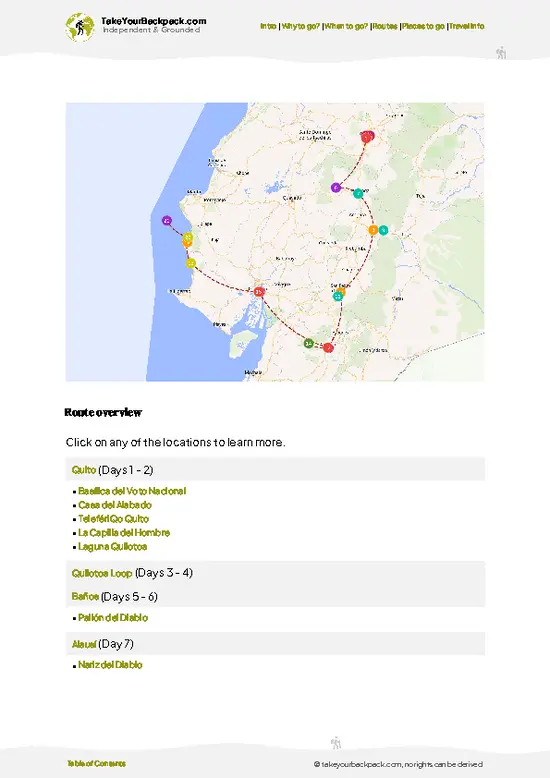
This isn’t just a museum with a famous name slapped on the sign. The air here smells faintly of salt and sun-warmed volcanic rock, and you’ll hear the slow scrape of giant tortoises moving through the dry forest. The station is a living laboratory—part conservation hub, part open-air classroom. You’ll see baby tortoises in their first awkward years and meet the descendants of Lonesome George, the world’s most famous bachelor reptile. Go in the early morning, before the tour groups arrive and the heat bakes the paths. Entry is around $10, and you’ll want at least 90 minutes to do it justice, more if you linger with the scientists’ displays or chat with the guides about the island’s ecological battles.
Fish Market (La Lonja de Puerto Ayora)
If you want to feel … read more 👉
This isn’t just a museum with a famous name slapped on the sign. The air here smells faintly of salt and sun-warmed volcanic rock, and you’ll hear the slow scrape of giant tortoises moving through the dry forest. The station is a living laboratory—part conservation hub, part open-air classroom. You’ll see baby tortoises in their first awkward years and meet the descendants of Lonesome George, the world’s most famous bachelor reptile. Go in the early morning, before the tour groups arrive and the heat bakes the paths. Entry is around $10, and you’ll want at least 90 minutes to do it justice, more if you linger with the scientists’ displays or chat with the guides about the island’s ecological battles.
Fish Market (La Lonja de Puerto Ayora)
If you want to feel … read more 👉
Charles Darwin Research Station
This isn’t just a museum with a famous name slapped on the sign. The air here smells faintly of salt and sun-warmed volcanic rock, and you’ll hear the slow scrape of giant tortoises moving through the dry forest. The station is a living laboratory—part conservation hub, part open-air classroom. You’ll see baby tortoises in their first awkward years and meet the descendants of Lonesome George, the world’s most famous bachelor reptile. Go in the early morning, before the tour groups arrive and the heat bakes the paths. Entry is around $10, and you’ll want at least 90 minutes to do it justice, more if you linger with the scientists’ displays or chat with the guides about the island’s ecological battles.
Fish Market (La Lonja de Puerto Ayora)
If you want to feel the pulse of Puerto Ayora, skip the tourist shops and stand by the fish market at 10 a.m. The scent is briny and sharp, and the soundtrack is a mix of fishermen’s banter, pelicans squabbling, and the occasional sea lion muscling in for scraps. This is the Galápagos in its rawest, most democratic form—locals, wildlife, and travelers all jostling for a spot. It’s free, and you only need 20-30 minutes, but you’ll remember the sight of a sea lion begging like a dog long after you’ve left.
Laguna Las Ninfas
A short walk from the main drag, this lagoon is a pocket of calm where mangroves filter the sunlight into green-gold ribbons. The water is glassy, and if you’re quiet, you’ll spot baby sharks and rays gliding in the shallows. It’s a place to breathe, away from the bustle, and to see how the islands’ ecosystems knit together. Early morning or late afternoon is best for birdlife and solitude. Free entry, and 30-45 minutes is plenty unless you want to sketch, meditate, or just let your feet recover.
Malecon (Waterfront Promenade)
The Malecon is Puerto Ayora’s living room. In the late afternoon, the light turns honey-colored and the benches fill with locals swapping stories, kids on bikes, and travelers watching the boats bob in the harbor. Street vendors sell fresh fruit juice and grilled corn. It’s not a single ‘sight’ but a rolling experience—walk, sit, people-watch, and soak up the town’s rhythm. Free, and you can spend anywhere from 10 minutes to an hour, especially at sunset.
Galería Aymara
Skip the generic souvenir shops and step into this artist-run gallery. The space is small but packed with original works—paintings, ceramics, and jewelry that actually reflect the islands’ moods and stories. You’ll often meet the artists themselves, and the scent of paint and wood shavings lingers in the air. It’s a chance to support local creativity and take home something with a real backstory. Open most afternoons; entry is free, but expect to spend $20-$100 if you buy. Allow 20-30 minutes, longer if you get drawn into conversation.
Puerto Ayora is your launchpad: just outside town, Tortuga Bay’s powder-white beach, Las Grietas’ volcanic swimming canyon, and the highland lava tunnels all make for easy day trips. Tortuga Bay is my personal favorite—worth every step of the hot walk for that first glimpse of turquoise water and iguanas sunning on the sand.
This isn’t just a museum with a famous name slapped on the sign. The air here smells faintly of salt and sun-warmed volcanic rock, and you’ll hear the slow scrape of giant tortoises moving through the dry forest. The station is a living laboratory—part conservation hub, part open-air classroom. You’ll see baby tortoises in their first awkward years and meet the descendants of Lonesome George, the world’s most famous bachelor reptile. Go in the early morning, before the tour groups arrive and the heat bakes the paths. Entry is around $10, and you’ll want at least 90 minutes to do it justice, more if you linger with the scientists’ displays or chat with the guides about the island’s ecological battles.
Fish Market (La Lonja de Puerto Ayora)
If you want to feel the pulse of Puerto Ayora, skip the tourist shops and stand by the fish market at 10 a.m. The scent is briny and sharp, and the soundtrack is a mix of fishermen’s banter, pelicans squabbling, and the occasional sea lion muscling in for scraps. This is the Galápagos in its rawest, most democratic form—locals, wildlife, and travelers all jostling for a spot. It’s free, and you only need 20-30 minutes, but you’ll remember the sight of a sea lion begging like a dog long after you’ve left.
Laguna Las Ninfas
A short walk from the main drag, this lagoon is a pocket of calm where mangroves filter the sunlight into green-gold ribbons. The water is glassy, and if you’re quiet, you’ll spot baby sharks and rays gliding in the shallows. It’s a place to breathe, away from the bustle, and to see how the islands’ ecosystems knit together. Early morning or late afternoon is best for birdlife and solitude. Free entry, and 30-45 minutes is plenty unless you want to sketch, meditate, or just let your feet recover.
Malecon (Waterfront Promenade)
The Malecon is Puerto Ayora’s living room. In the late afternoon, the light turns honey-colored and the benches fill with locals swapping stories, kids on bikes, and travelers watching the boats bob in the harbor. Street vendors sell fresh fruit juice and grilled corn. It’s not a single ‘sight’ but a rolling experience—walk, sit, people-watch, and soak up the town’s rhythm. Free, and you can spend anywhere from 10 minutes to an hour, especially at sunset.
Galería Aymara
Skip the generic souvenir shops and step into this artist-run gallery. The space is small but packed with original works—paintings, ceramics, and jewelry that actually reflect the islands’ moods and stories. You’ll often meet the artists themselves, and the scent of paint and wood shavings lingers in the air. It’s a chance to support local creativity and take home something with a real backstory. Open most afternoons; entry is free, but expect to spend $20-$100 if you buy. Allow 20-30 minutes, longer if you get drawn into conversation.
Puerto Ayora is your launchpad: just outside town, Tortuga Bay’s powder-white beach, Las Grietas’ volcanic swimming canyon, and the highland lava tunnels all make for easy day trips. Tortuga Bay is my personal favorite—worth every step of the hot walk for that first glimpse of turquoise water and iguanas sunning on the sand.
Spotted a mistake or missing something? Contact us.
v2.webp)


Best Backpacking
Hi, I’m Johan (Netherlands 🇳🇱), the creator of TakeYourBackpack. Over the past decade, I’ve backpacked through 80+ countries across six continents, gaining extensive experience with independent travel, long-term trips, and overland routes.