v2.webp)
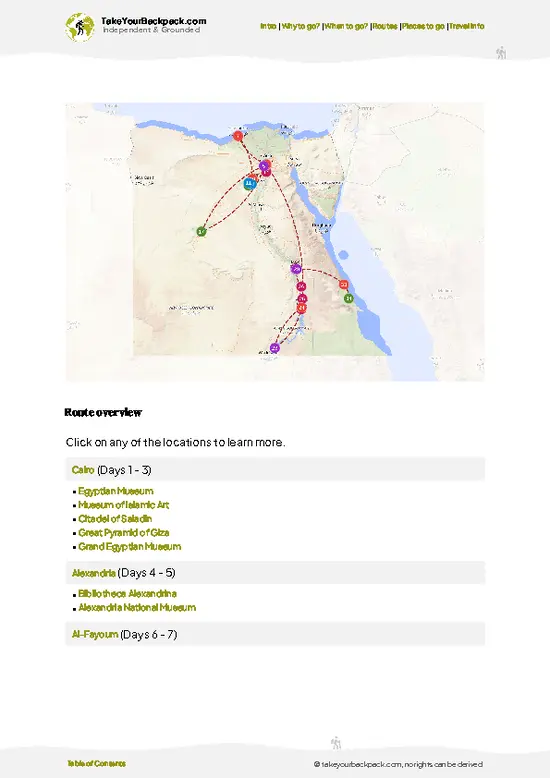
- Fort Julien (Fort Rashid) — The compact stone fort on the river mouth where the Rosetta Stone was found in 1799; climb the ramparts for salty sea/Nile views and to imagine the town’s strategic importance through Ottoman, French and British eras.
- Rosetta (Rashid) National Museum — A nicely restored Ottoman-era mansion turned museum that brings local finds, plaques and everyday objects to life; great if you want context for the town’s long multicultural history without traveling to Cairo.
- Historic Old Town (Rashid medina) — A real walkable neighborhood of narrow alleys, wooden mashrabiya balconies and faded merchant houses; wandering here is the best way to feel how people actually lived in Rosetta for centuries.
- Rosetta Corniche & Nile-mouth viewpoint — Where the Nile meets the Mediterranean:
- Fort Julien (Fort Rashid) — The compact stone fort on the river mouth where the Rosetta Stone was found in 1799; climb the ramparts for salty sea/Nile views and to imagine the town’s strategic importance through Ottoman, French and British eras.
- Rosetta (Rashid) National Museum — A nicely restored Ottoman-era mansion turned museum that brings local finds, plaques and everyday objects to life; great if you want context for the town’s long multicultural history without traveling to Cairo.
- Historic Old Town (Rashid medina) — A real walkable neighborhood of narrow alleys, wooden mashrabiya balconies and faded merchant houses; wandering here is the best way to feel how people actually lived in Rosetta for centuries.
- Rosetta Corniche & Nile-mouth viewpoint — Where the Nile meets the Mediterranean: fishermen, ferries and sunset light. It’s a social place — benches, cafes and plenty of photo opportunities of boats coming and going.
- Fishing port and fish market — Early-morning fish auctions and the busy quay are loud, smelly and utterly authentic; sample fresh-caught fish at a waterside grill and watch how the local catch feeds the town.
- Traditional boatbuilding quarter — Small shipwright yards where wooden feluccas and small dhows get built and repaired. Sawdust, paint and handcraftsmanship on display — fascinating for anyone interested in working lives, not just monuments.
- Ottoman-era merchant houses and restored mansions — Scattered around the medina are ornate townhouses with carved woodwork, tile details and courtyards; some are open to the public or visible from the street and show how wealth looked here in the 18th-19th centuries.
- Local souks and spice shops — Small, lively markets where you can sniff regional spice blends, buy dried fish, local sweets or cheap textiles — perfect for practicing bargaining and picking up edible souvenirs.
- Historic mosques and public baths (hammams) — Several neighborhood mosques and old hammams have interesting woodwork, inscriptions and minarets; respectful visits offer a window into Rosetta’s religious and communal life.
- Short felucca and riverfront cruises — A calm way to see riverbank life, birdlife near the mouth and low-key landscapes; routes are short and cheap, often timed to evening light for a great photo and a slow moment in town.
Spotted a mistake or missing something? Contact us.

Half-Day Guided Tour in Alexandria

Full-DayTour to Sakkarh,Memphis and Gizah Pyramids

Private Romantic Nile Felucca Sunset Dinner in Cairo

Alamein full day tour from Alexandria

Private Cairo Airport Transfer (Pickup or Drop-off Service)

Ultimate Fayoum Desert VIP Adventure Bedouin Feast

Egypt Shore tours to Giza Pyramids & Museum& bazaar from Alexandria or Port said

Alexandria Day Tour from Cairo

Private Tour to Grand Museum and Pyramids from Alexandria port


 Best Backpacking
.jpg) Hi, I’m Johan (Netherlands 🇳🇱), the creator of TakeYourBackpack. Over the past 3 decades, I’ve backpacked through 90+ countries across six continents, gaining extensive experience with independent travel, long-term trips, and overland routes.
Hi, I’m Johan (Netherlands 🇳🇱), the creator of TakeYourBackpack. Over the past 3 decades, I’ve backpacked through 90+ countries across six continents, gaining extensive experience with independent travel, long-term trips, and overland routes.