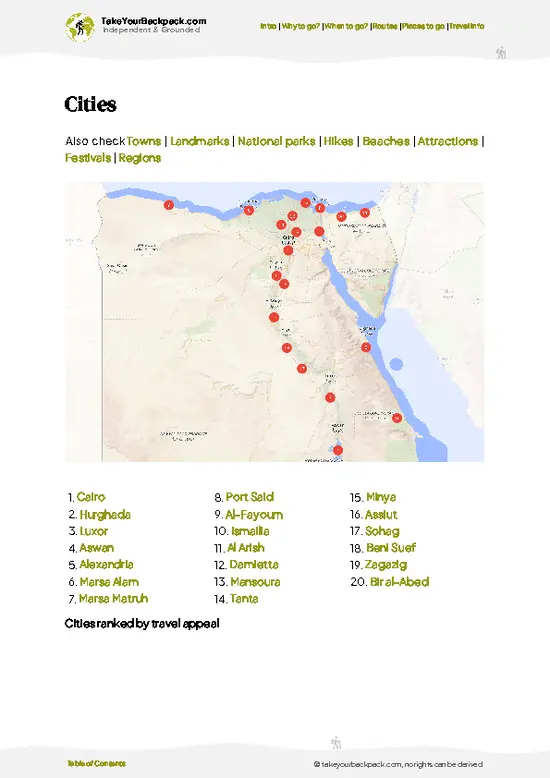
How many towns: Visit
four to six towns on a trip of two to three weeks. Fewer than four and you miss the contrast between regions. More than six and you spend your trip on buses, with each transfer burning half a day and about US$5 to 15 in fares. Egypt punishes a rushed schedule more than most countries because of the heat and the distances.
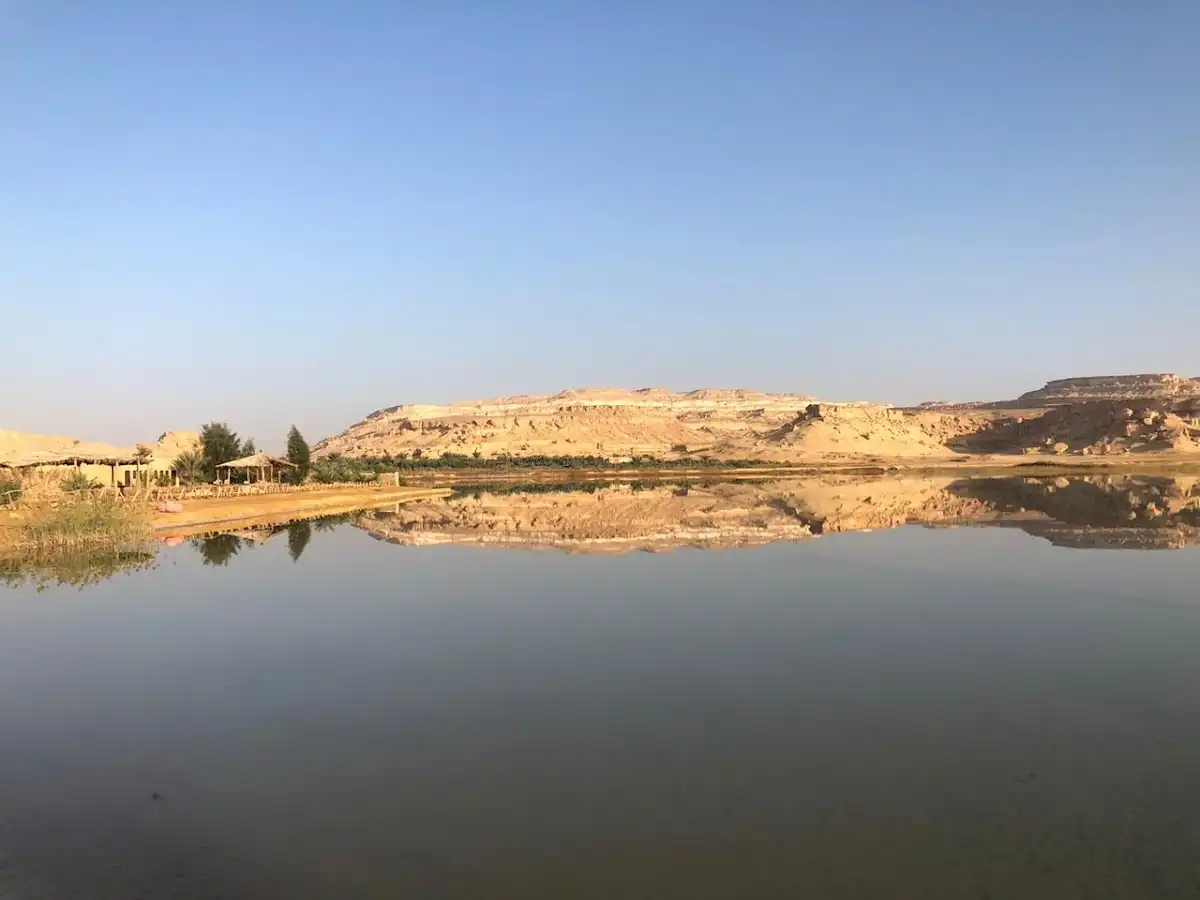
Which kind to prioritize: For history, put the Nile towns first, because that is where the temples, tombs and living markets are. For diving or snorkeling, add one Red Sea base and skip the rest of the coast, since the resort strips are nearly identical. For quiet, a desert oasis suits travelers who like open space and star-filled nights, but accept the long road transfers. Mediterranean towns come last, as they are mainly domestic holiday spots and …
read more 👉 How many towns: Visit four to six towns on a trip of two to three weeks. Fewer than four and you miss the contrast between regions. More than six and you spend your trip on buses, with each transfer burning half a day and about US$5 to 15 in fares. Egypt punishes a rushed schedule more than most countries because of the heat and the distances.
Which kind to prioritize: For history, put the Nile towns first, because that is where the temples, tombs and living markets are. For diving or snorkeling, add one Red Sea base and skip the rest of the coast, since the resort strips are nearly identical. For quiet, a desert oasis suits travelers who like open space and star-filled nights, but accept the long road transfers. Mediterranean towns come last, as they are mainly domestic holiday spots and weak on foreign-oriented sights outside summer. Anyone short on time should give one town three nights before adding a fourth place.
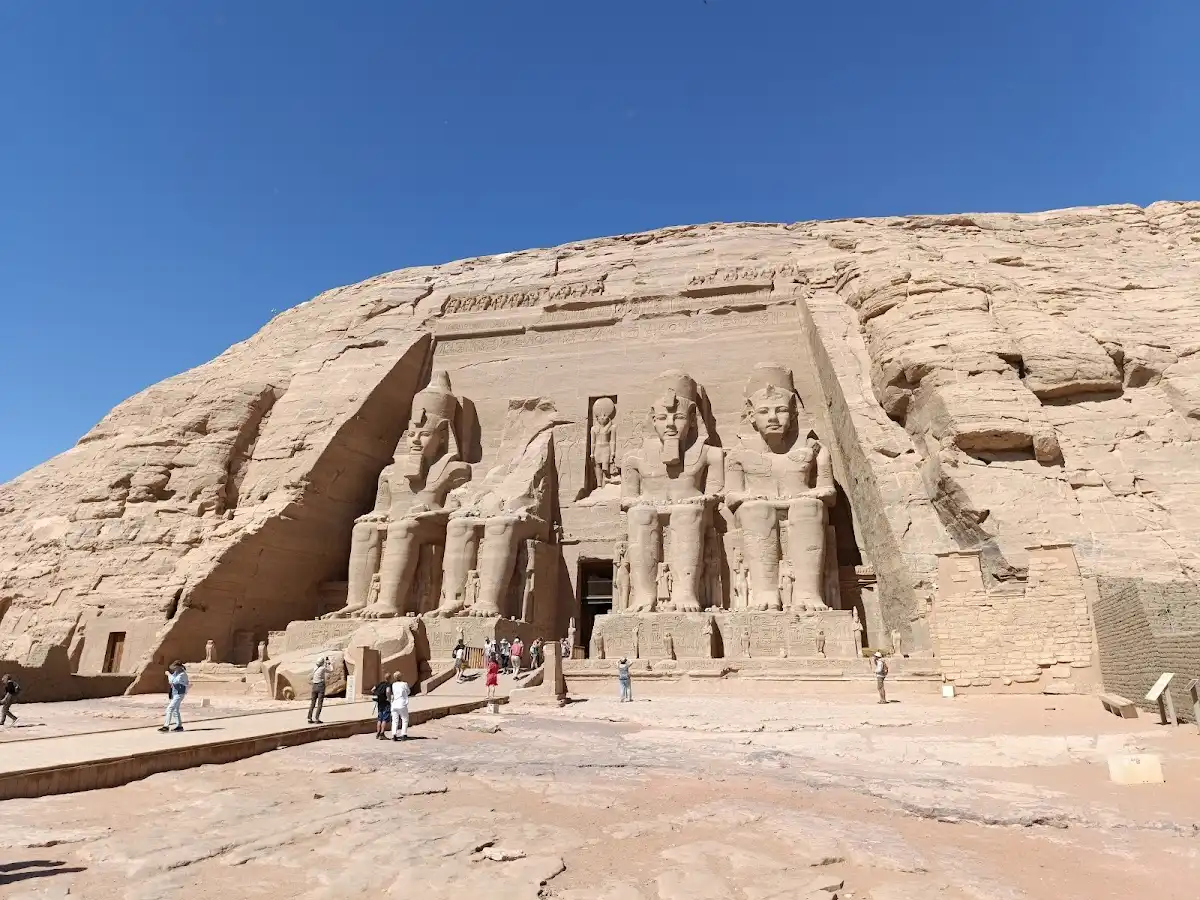
What it costs: A realistic budget backpacker spends US$25 to 45 a day, with dorm beds at US$8 to 15, street food meals at US$1 to 3 and sit-down meals at US$4 to 8. Mid-range comfort runs US$60 to 100. Entry fees are the budget killer, since foreign tickets are priced far above local ones. Major temples typically cost about 500 to 700 Egyptian pounds (roughly US$10 to 15) each, and special tombs or add-ons cost extra. Student cards can cut ticket prices by about half where accepted, so carry a valid ISIC. A guide costs about US$15 to 40 for a half day. Hire one at the biggest sites only, and agree the price and duration before you start.
Costs and delays that catch travelers out: Taxi and carriage first prices often run two to five times the fair rate. Settle the fare before getting in, or use a ride-hailing app such as Uber in larger cities. Carry small notes, because drivers and sellers claim not to have change. Tipping (baksheesh) is expected for small services, usually 10 to 50 pounds, so keep a stash of low denominations. Do not accept “free” tours, felucca rides or perfume workshops without a price, since commissions end up in your bill. Book sleeper trains and popular tickets early, because last-minute availability in winter is poor. Use only official ticket windows or the national railway’s app for trains.
Safety and culture: Most towns popular with visitors are safe for walking, and violent crime against travelers is rare. The real risks are scams, harassment and traffic. Women travelers should expect staring and comments, and dressing modestly (covered shoulders and knees) cuts attention, especially in smaller towns. A scarf helps for mosque visits. Public displays of affection draw disapproval. Alcohol is limited to licensed hotels and bars, and it is not sold in many local shops.
Some desert and northern Sinai roads have checkpoints or restrictions, so check current government advice before heading off the main corridors, and carry your passport at all times. Drink bottled water and be careful with ice, since stomach trouble is the most common trip-ruiner. During Ramadan, avoid eating or drinking openly in public during daylight in smaller towns out of respect.
v2.webp)



 Best Backpacking
.jpg) Hi, I’m Johan (Netherlands 🇳🇱), the creator of TakeYourBackpack. Over the past 3 decades, I’ve backpacked through 90+ countries across six continents, gaining extensive experience with independent travel, long-term trips, and overland routes.
Hi, I’m Johan (Netherlands 🇳🇱), the creator of TakeYourBackpack. Over the past 3 decades, I’ve backpacked through 90+ countries across six continents, gaining extensive experience with independent travel, long-term trips, and overland routes.