v2.webp)
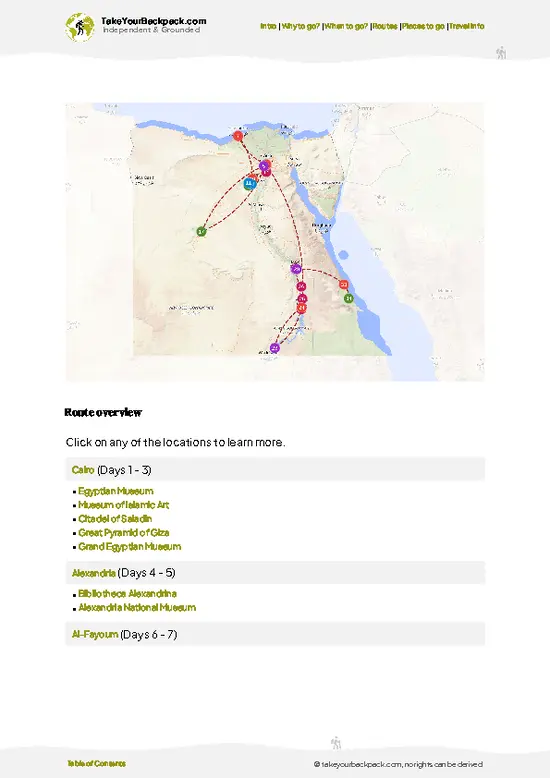
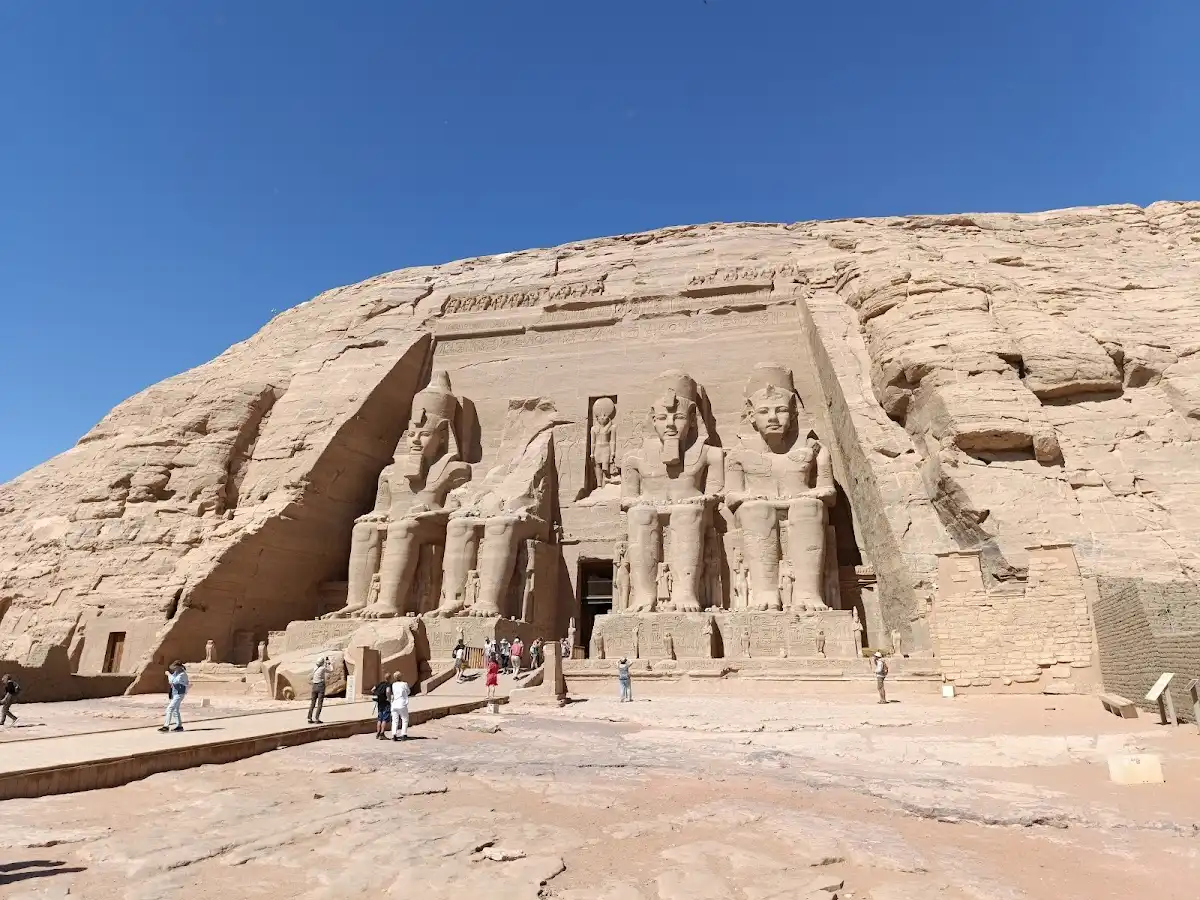
- Great Temple of Ramses II — The jaw-dropper: four 20-m colossi flanking the entrance and an astonishing interior where statues and reliefs tell the story of Ramesses’ power. Standing inside the rock-cut sanctuary is the core Abu Simbel experience.
- Small Temple (Temple of Hathor / Nefertari) — Built for Queen Nefertari, its smaller scale and delicate reliefs feel more intimate than the big temple, and the façade of seated figures is striking up close.
- Temple Visitor Centre & relocation exhibition — A compact but informative display about the 1960s UNESCO rescue and the technical feat of cutting and reassembling the temples; useful background before you walk the site and see the engineering up close.
- Sun-alignment spot inside the Great Temple — Even if you don’t time your visit for the
- Great Temple of Ramses II — The jaw-dropper: four 20-m colossi flanking the entrance and an astonishing interior where statues and reliefs tell the story of Ramesses’ power. Standing inside the rock-cut sanctuary is the core Abu Simbel experience.
- Small Temple (Temple of Hathor / Nefertari) — Built for Queen Nefertari, its smaller scale and delicate reliefs feel more intimate than the big temple, and the façade of seated figures is striking up close.
- Temple Visitor Centre & relocation exhibition — A compact but informative display about the 1960s UNESCO rescue and the technical feat of cutting and reassembling the temples; useful background before you walk the site and see the engineering up close.
- Sun-alignment spot inside the Great Temple — Even if you don’t time your visit for the biannual festival, the drilled alignment that lights the inner statues twice a year is a physical reminder of ancient astronomical skill and makes the temple’s design feel alive.
- Sound & Light performance at Abu Simbel — The evening show turns the carved reliefs into a dramatic narrative with lights and narration; it’s a touristy production, but seeing the temple lit after dark is memorable and deepens the historic context.
- Panoramic hill viewpoint / temple terrace — Walk the terraces and short paths above and behind the temples for sweeping views of the façade against the desert and Lake Nasser; great for photos and for understanding the temple’s original riverside setting.
- Lake Nasser shoreline & Abu Simbel harbor — The calm, golden shoreline is where Nile cruises tie up and where you can take short boat trips, watch sunset over the lake, or feel the scale of what happened when the waterline rose during the dam project.
- New Abu Simbel village (Nubian community and market) — The relocated village has small shops, cafes, and Nubian homes where you can meet locals, buy handcrafted souvenirs, and get a sense of daily life after relocation—an important human side to the temple story.
- Relocation memorials & interpretive plaques around the site — Scattered plaques and commemorative markers honor the international teams involved in saving the temples; reading them on site connects you to the 20th-century chapter of Abu Simbel’s history.
- Abu Simbel airport approach & small terminal — The tiny airport is more than logistics: the short flight and the view on descent give a dramatic first impression of the desert, the lake and the temple silhouettes, and the terminal itself tells you you’ve arrived at a remote archaeological outpost.
Spotted a mistake or missing something? Contact us.

Private Transfer Luxor to Hurghada

5 Days Nile cruise from luxor to Aswan

Tour to Abu Simbel Temple with a small group and a Professional tour guide

Private Transfer Luxor to Aswan
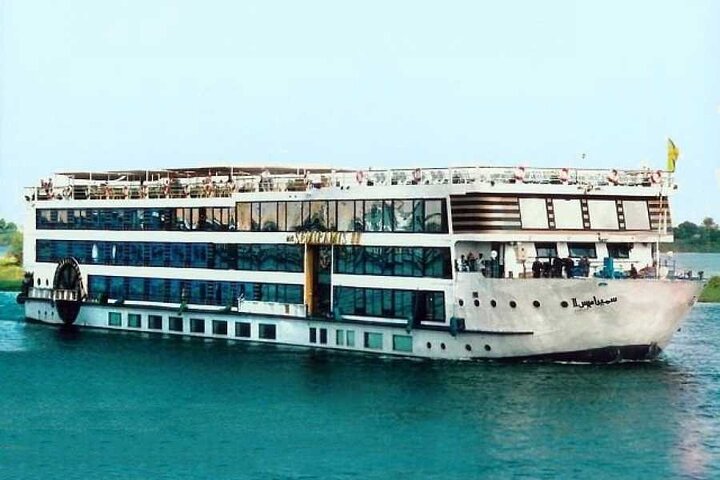
2 Nights Nile cruise from Aswan to Luxor&Abu Simbel And Balloon
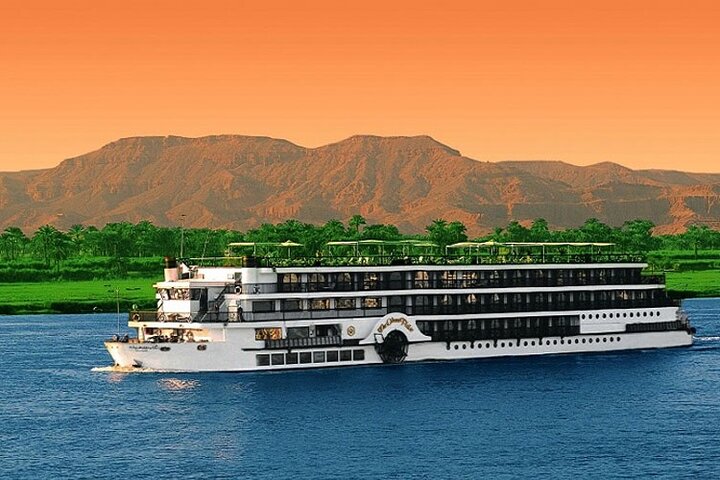
Enjoy 2 nights Nile cruise from Aswan to Luxor,Hot deal
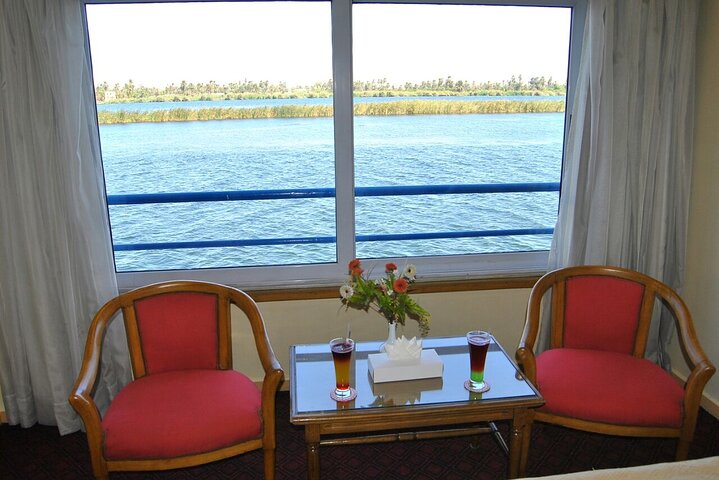
Enjoy 4-Day 3-Nights Nile Cruise includes Tours from Aswan to Luxor

Unforgettable Egypt Nile Cruise with Abu Simbel & Balloon Ride

Private Abu Simbel Tour from Aswan

 Best Backpacking
.jpg) Hi, I’m Johan (Netherlands 🇳🇱), the creator of TakeYourBackpack. Over the past 3 decades, I’ve backpacked through 90+ countries across six continents, gaining extensive experience with independent travel, long-term trips, and overland routes.
Hi, I’m Johan (Netherlands 🇳🇱), the creator of TakeYourBackpack. Over the past 3 decades, I’ve backpacked through 90+ countries across six continents, gaining extensive experience with independent travel, long-term trips, and overland routes.