×

Egypt🇪🇬 | townsSiwa OasisSalt lakes, mudbrick ruins, Berber culture | things to do and best time to go

Explore Sharm El SheikhExplore Taba

Backpacking in Siwa Oasis
🏆 Top picktown ranked #2
By Johan Kruseman 🇳🇱 | Updated June 9, 2026

If you crave Egypt’s big-city pulse or expect a Nile-side party, Siwa Oasis will frustrate you. There’s no thrum of Cairo traffic, no Red Sea resorts, and nightlife means a mint tea under a sky so clear it feels like a reward for the day’s dust. But that’s the point. Siwa is for backpackers who want their adventure slow-cooked: a place where the air smells of date palms and donkey carts outnumber cars. Tucked deep in Egypt’s Western Desert, closer to Libya than Luxor, Siwa is a full-day bus ride from anywhere—so getting here is a commitment, not a pit stop. The town itself is compact, walkable, and feels more like a village than a tourist hub. You’ll find a handful of hostels and family-run guesthouses, but don’t expect a backpacker free-for-all; evenings are quiet, and meeting fellow travelers happens over shared plates of shakshouka, not pub crawls. Costs are lower than Egypt’s tourist hotspots, and safety is rarely a concern, but you’ll need patience for slow transport and basic amenities. Compared to Bahariya or Farafra, Siwa is more relaxed, more scenic, and less practical—perfect if you want your desert with a side of soul, not just sand.

Discover everything you want to know in the 📖 Egypt Travel Guide.


Get your Egypt guide
116 ranked highlights, routes & tips, works offline (438 pages)
Loading the map 🌍
CLICK TO FILTER
cities
towns
landmarks
national parks
hikes
beaches
attractions
festivals
regions
SHOW COUNTRY’S BESTSHOW ALL

✨ Why go?
Ranked #2 town in Egypt
Why Siwa Oasis should be on your travel list

Siwa Oasis is a backpacker’s haven that feels like a well-deserved reward after the journey through Egypt’s vast landscapes. Nestled between the Great Sand Sea and the Mediterranean coast, it’s a convenient base for exploring nearby hikes and ancient sites like the Temple of the Oracle. The walkable streets invite you to wander, with local shops and cafes serving up delicious, authentic cuisine—think fresh dates and hearty tagines that fill the air with warmth and spice.

Accommodations here are mostly small-scale hostels and guesthouses, fostering a friendly social atmosphere where solo travelers and small groups can easily connect. You’ll find that most backpackers linger a few days, soaking in the laid-back vibe and the stunning sunsets over the palm groves. It’s not a party town; instead, … read more 👉
Siwa Oasis is a backpacker’s haven that feels like a well-deserved reward after the journey through Egypt’s vast landscapes. Nestled between the Great Sand Sea and the Mediterranean coast, it’s a convenient base for exploring nearby hikes and ancient sites like the Temple of the Oracle. The walkable streets invite you to wander, with local shops and cafes serving up delicious, authentic cuisine—think fresh dates and hearty tagines that fill the air with warmth and spice.

Accommodations here are mostly small-scale hostels and guesthouses, fostering a friendly social atmosphere where solo travelers and small groups can easily connect. You’ll find that most backpackers linger a few days, soaking in the laid-back vibe and the stunning sunsets over the palm groves. It’s not a party town; instead, it offers a chance to recharge and reflect.

For slow travelers and hikers, Siwa’s charm lies in its simplicity and the opportunity to engage with the local culture. If you’re seeking a place to unwind after more intense adventures, this oasis is a perfect stop on your journey.
Want to include Siwa Oasis in your Egypt route?
Create a personalized Egypt itinerary that includes Siwa Oasis and the places that fit your trip — based on your travel style, budget, and available time. Get your route in seconds.

Generate my trip

💡 HighlightsThe experiences that define the visit

  1. Shali Fortress (Old Town of Shali) — The ruined kershef (salt-and-clay) village sits at the heart of Siwa. You can wander narrow lanes, climb crumbling walls and get a real feel for traditional Siwan architecture and how people adapted to the desert for centuries.
  2. Temple of the Oracle (Temple of Amun) — The ancient temple where Alexander the Great is said to have consulted the oracle. Even though only parts remain, stepping into the site connects you to the island-like history that made Siwa famous in the classical world.
  3. Mountain of the Dead (Gabal al-Mawta) — A short walk from town; an atmospheric hill of rock-cut tombs with painted interiors in places. It’s both a cemetery and a lookout, giving strong archaeological vibes and excellent views over the palms and salt flats.
  4. Cleopatra’s
read more 👉
  1. Shali Fortress (Old Town of Shali) — The ruined kershef (salt-and-clay) village sits at the heart of Siwa. You can wander narrow lanes, climb crumbling walls and get a real feel for traditional Siwan architecture and how people adapted to the desert for centuries.
  2. Temple of the Oracle (Temple of Amun) — The ancient temple where Alexander the Great is said to have consulted the oracle. Even though only parts remain, stepping into the site connects you to the island-like history that made Siwa famous in the classical world.
  3. Mountain of the Dead (Gabal al-Mawta) — A short walk from town; an atmospheric hill of rock-cut tombs with painted interiors in places. It’s both a cemetery and a lookout, giving strong archaeological vibes and excellent views over the palms and salt flats.
  4. Cleopatra’s Spring (Cleopatra’s Bath) — A freshwater spring in town where locals and visitors still bathe. It’s relaxing, photogenic and a small-scale, everyday Siwan ritual—perfect after wandering the dusty streets.
  5. Siwa House Museum (local ethnographic museum) — A compact, community-run space showing Siwan crafts, costumes, household items and oral history. Great for context before you start shopping or visiting homes.
  6. Siwa Souk (the town market) — The real place to meet locals, haggle for silver jewelry, woven mats and dates, and sample olive oil and local snacks. The market is where Siwa’s living culture is most on display.
  7. Palm groves and date farms inside town — Walkable from the center: shady groves, narrow irrigation channels and small family plots. You can taste fresh dates, see old palm-management techniques and watch farmers pruning or harvesting.
  8. Traditional Siwan hammam (public bath) — A communal bathing experience still used by locals. It’s an intimate cultural visit—steam, scrubs and conversation—so go prepared for a real, unvarnished taste of daily life.
  9. Siwan handicraft workshops (silverwork, weaving) — Small, often family-run workshops scattered through town where you can watch mat weaving, silver jewellery making and buy directly from makers. Better prices and far more authentic than tourist traps.
  10. Rooftop/ruin viewpoints around Shali — Climb a permitted rooftop or old wall at dusk for one of Siwa’s special sunsets: the light on palms, mud walls and the distant desert is quietly cinematic and a photographer’s staple.
A few obvious, visitable day trips just outside Siwa: the Great Sand Sea dunes for sand-surfing and sunset, the salt lakes and Fatnas Island for lakeside vistas and floating in salty shallows, and short drives into the surrounding desert to visit Bedouin camps and remote dunes.
Spotted a mistake or missing something? Contact us.

Things to do near Siwa Oasis

Ratings based on Tripadvisor reviews. When you book through this link, you support our work at no extra cost to you.

🏘️ NeighborhoodsUnderstanding the local layout

Siwa Oasis is a captivating blend of ancient culture and stunning landscapes, perfect for backpackers seeking an authentic experience. Here’s how to navigate its neighborhoods for the best adventure.

Downtown Siwa: This is the heart of the oasis. Vibrant markets buzz with life, and the scent of fresh dates fills the air. It’s walkable, making it easy to explore local shops and cafes. Prices here are reasonable, catering to budget travelers. Nightlife is low-key, with a few spots for tea and conversation, perfect for unwinding after a day of exploration. Ideal for short stays, you can soak in the local vibe without feeling rushed.

Shali District: Known for its ancient mud-brick architecture, this area feels like stepping back in time. The atmosphere is tranquil, with fewer tourists. It’s … read more 👉
Siwa Oasis is a captivating blend of ancient culture and stunning landscapes, perfect for backpackers seeking an authentic experience. Here’s how to navigate its neighborhoods for the best adventure.

Downtown Siwa: This is the heart of the oasis. Vibrant markets buzz with life, and the scent of fresh dates fills the air. It’s walkable, making it easy to explore local shops and cafes. Prices here are reasonable, catering to budget travelers. Nightlife is low-key, with a few spots for tea and conversation, perfect for unwinding after a day of exploration. Ideal for short stays, you can soak in the local vibe without feeling rushed.

Shali District: Known for its ancient mud-brick architecture, this area feels like stepping back in time. The atmosphere is tranquil, with fewer tourists. It’s a bit quieter, making it suitable for longer stays if you want to immerse yourself in Siwa’s history. The walkability is excellent, and you can easily access nearby attractions like the Shali Fortress. Costs are slightly higher here, but the unique experience is worth it.

Bir Wahed: This area is a bit off the beaten path, known for its natural springs and stunning landscapes. It’s less developed, which means fewer amenities but a more authentic experience. Transport can be tricky, so plan ahead. Perfect for those looking to escape the hustle, it’s best for longer stays where you can truly connect with nature. The quietness here is profound, allowing for reflection and adventure alike.

Each area offers a distinct flavor of Siwa, making it easy to find your perfect spot.

⌛️ 1 dayA smart one-day plan

Siwa Oasis is a captivating blend of ancient history and vibrant local culture, nestled between the vast expanse of the Western Desert and the shimmering salt lakes. The air here carries a hint of date palms and the earthy scent of the surrounding dunes, inviting you to explore its unique charm.

Start your day early at the local market in the heart of Siwa. The sun rises slowly, casting a golden hue over the stalls. Engage with the friendly vendors selling fresh olives, dates, and the famous Siwan cheese. Grab a breakfast of foul (fava beans) and fresh bread from a nearby stand, savoring the rich flavors as you soak in the lively atmosphere.

After breakfast, head to the ancient ruins of Shali, the old town built from kershef, a local mud-brick material. Wander through the narrow alleys, … read more 👉
Siwa Oasis is a captivating blend of ancient history and vibrant local culture, nestled between the vast expanse of the Western Desert and the shimmering salt lakes. The air here carries a hint of date palms and the earthy scent of the surrounding dunes, inviting you to explore its unique charm.

Start your day early at the local market in the heart of Siwa. The sun rises slowly, casting a golden hue over the stalls. Engage with the friendly vendors selling fresh olives, dates, and the famous Siwan cheese. Grab a breakfast of foul (fava beans) and fresh bread from a nearby stand, savoring the rich flavors as you soak in the lively atmosphere.

After breakfast, head to the ancient ruins of Shali, the old town built from kershef, a local mud-brick material. Wander through the narrow alleys, feeling the coolness of the walls as you explore the remnants of this once-thriving settlement. The view from the top of the ruins is breathtaking, offering a panoramic glimpse of the oasis and the surrounding desert.

In the afternoon, make your way to the Temple of the Oracle, where Alexander the Great once sought guidance. The site is less crowded than others, allowing you to connect with its history in a more intimate setting. The tranquility here is palpable, and the surrounding landscape, dotted with palm trees, adds to the experience.

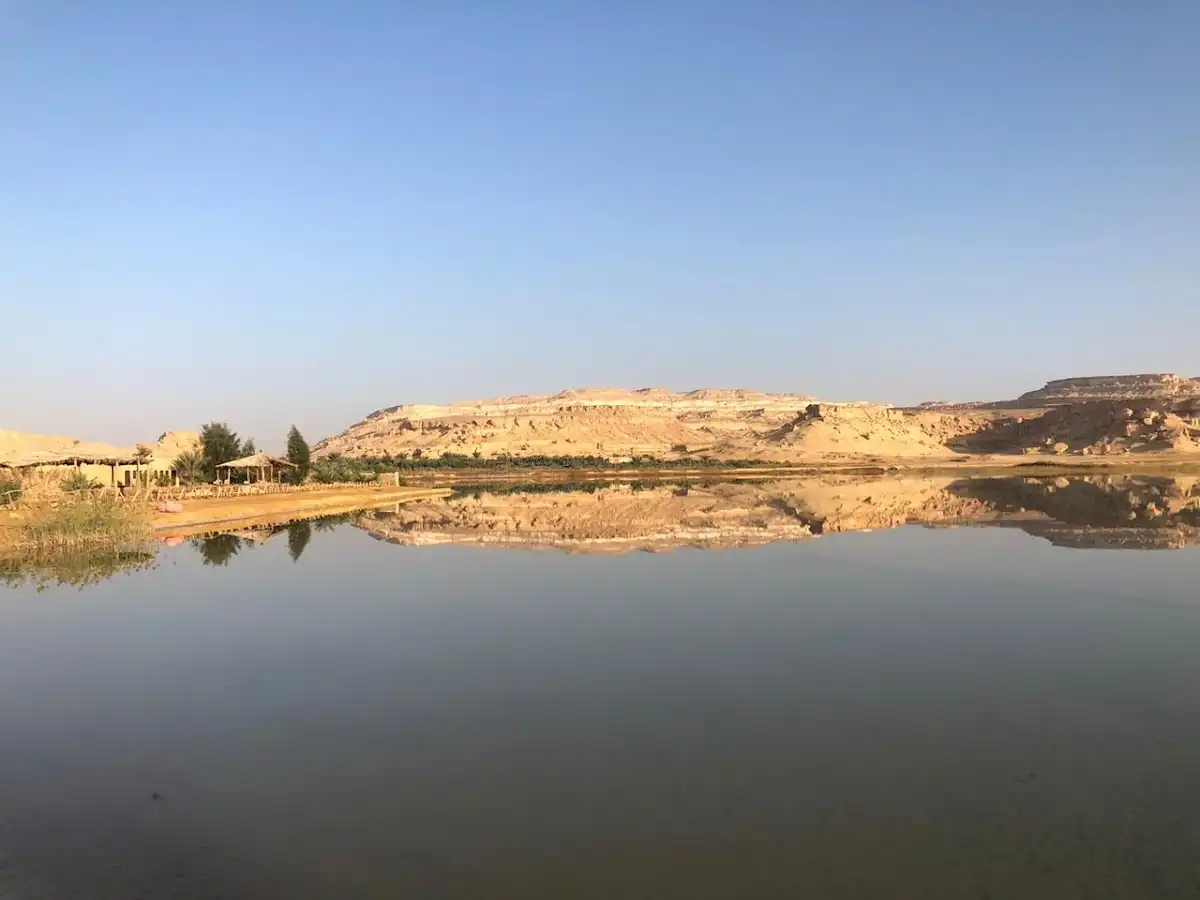
As evening approaches, visit the nearby Siwa Salt Lake. The sun sets, painting the sky in hues of orange and pink, and the salt crust glistens like diamonds. It’s a perfect spot for reflection and photography.

Wrap up your day at a local restaurant, where you can enjoy traditional Siwan dishes, perhaps a hearty tagine, while listening to the soft sounds of local music. Siwa Oasis isn’t just a destination; it’s an experience that lingers long after you leave.
Turn your Siwa Oasis visit into an Egypt adventure
Build a complete Egypt route with Siwa Oasis, hidden gems, must-see destinations, and realistic travel times included.

Generate my trip

🌤️ When to go?Best time to visit Siwa Oasis


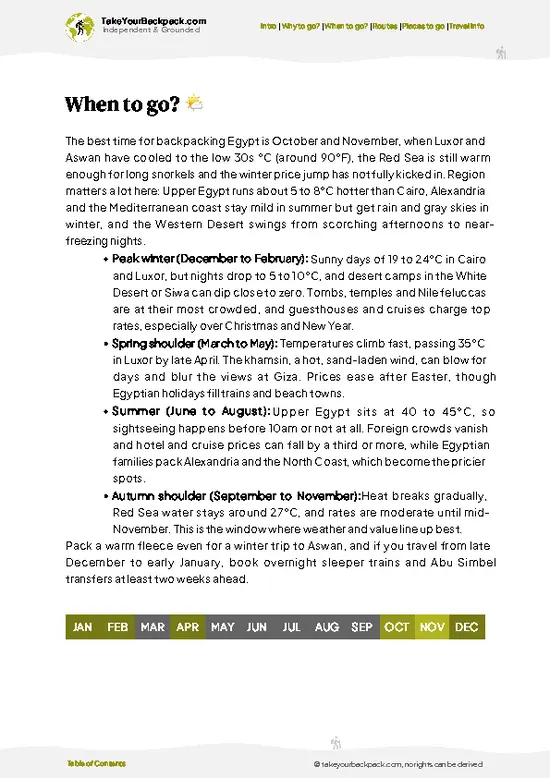
  • Topic: Weather and Temperature — Siwa Oasis bakes under the desert sun most of the year. From May to September, expect highs soaring above 40°C (104°F), making midday hikes brutal and water a constant companion. The sweet spot is between October and April when temperatures hover around 20-25°C (68-77°F) during the day, cooling to a crisp 5-10°C (41-50°F) at night. This cooler stretch lets you explore without melting into the sand.

  • Topic: Daylight Hours — The desert sun rises early and sets late, offering roughly 11 to 13 hours of daylight depending on the season. Winter months bring shorter days, which means planning your excursions around the sun is crucial to avoid being caught in the dark on remote trails or salt lakes.

  • Topic: Crowds — Siwa’s charm is its quiet isolation. Peak tourist
read more 👉

  • Topic: Weather and Temperature — Siwa Oasis bakes under the desert sun most of the year. From May to September, expect highs soaring above 40°C (104°F), making midday hikes brutal and water a constant companion. The sweet spot is between October and April when temperatures hover around 20-25°C (68-77°F) during the day, cooling to a crisp 5-10°C (41-50°F) at night. This cooler stretch lets you explore without melting into the sand.

  • Topic: Daylight Hours — The desert sun rises early and sets late, offering roughly 11 to 13 hours of daylight depending on the season. Winter months bring shorter days, which means planning your excursions around the sun is crucial to avoid being caught in the dark on remote trails or salt lakes.

  • Topic: Crowds — Siwa’s charm is its quiet isolation. Peak tourist season aligns with the cooler months, especially December through February, when European travelers escape winter. Visiting just before or after this window means fewer people, letting you soak in the silence and vastness without bumping into groups.

  • Topic: Seasonal Activities — The olive harvest in late autumn is a sensory highlight—crisp air mixed with the earthy scent of fresh olives and the buzz of local life. Spring brings wildflowers that briefly color the desert, a rare and rewarding sight. Timing your visit around these events adds layers to the experience beyond the usual desert trek.

  • Topic: Price Fluctuations — Accommodation and tours spike in the cooler months when demand peaks. Booking in shoulder seasons like late autumn or early spring can save you a chunk of your budget while still enjoying comfortable weather. Summer rates drop but so does comfort, so weigh your tolerance for heat against savings.


Pro-tip: Aim for late October to early November or March to April—when the desert cools just enough to explore freely, crowds thin out, and local life pulses with seasonal rhythms that turn a simple visit into a full-bodied adventure.


source: climatestotravel.comJANJanuary: excellent for travelingFEBFebruary: excellent for travelingMARMarch: highly recommended for travelingAPRApril: highly recommended for travelingMAYMay: fair for travelingJUNJune: below average for travelingJULJuly: below average for travelingAUGAugust: below average for travelingSEPSeptember: fair for travelingOCTOctober: highly recommended for travelingNOVNovember: highly recommended for travelingDECDecember: excellent for traveling
egypt-city-siwa-oasis
© Google |

✈️ The backpacker research shortcutEgypt Travel Guide

An offline-friendly backpacking guide with optimized travel routes, ranked highlights, transport advice, and the best areas to stay.
example page 0 from our offline Travel Guide for Egypt
example page 1 from our offline Travel Guide for Egypt
example page 2 from our offline Travel Guide for Egypt
example page 3 from our offline Travel Guide for Egypt
example page 4 from our offline Travel Guide for Egypt
example page 5 from our offline Travel Guide for Egypt
example page 6 from our offline Travel Guide for Egypt
example page 7 from our offline Travel Guide for Egypt
The digital guide (438 pages) contains:
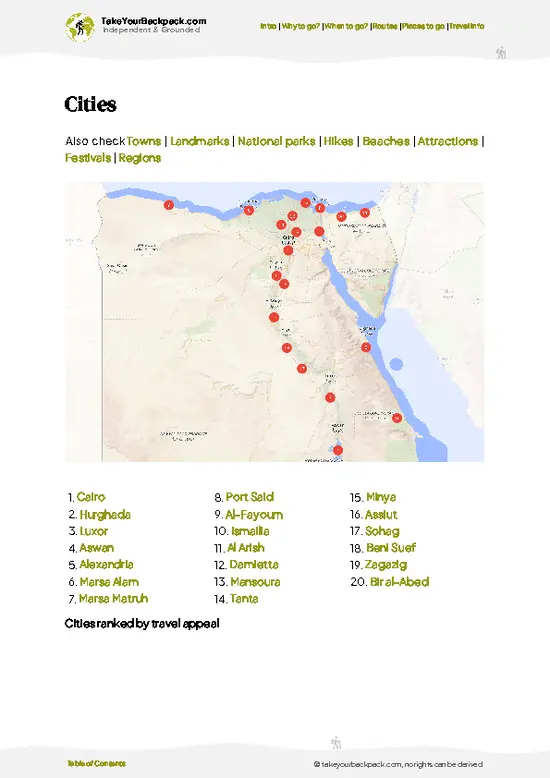
116 highlights, ranked by travel appeal
Optimized 7, 14 & 21-day travel routes
Cities, national parks, landmarks, beaches
How to get around
Offline-friendly for travel without Wi-Fi
👉 Click to see all 30+ guide features

📅 Plan smarter in minutes, not weeks
Month by month travel advice
Festivals & national holidays
Budget expectations

🗺️ Go to the right places, skip the overrated ones
Honest pros & cons of destinations
Top hikes, parks & viewpoints
Lesser-known places most travelers miss
Clear “worth it vs skip it” guidance

🛏️ Travel smoothly without rookie mistakes
Best areas to stay
Transport systems explained simply
Common scams & safety advice
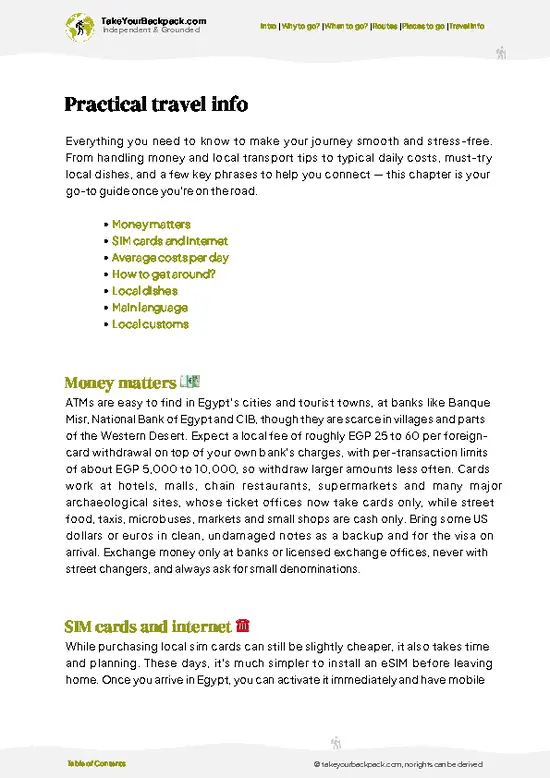
SIM cards, money & practical tips

🌍 Understand the country, not just visit it
Culture & traditions
52 Essential phrases & customs
Festivals worth planning around
Traveler-friendly historical context
Insights that make places more meaningful

📱 Built for real travel conditions
Fully downloadable PDF
Works completely offline
Optimized for phone use
Useful in remote areas & buses
Everything in one place
Save weeks of stressful planning
Get instant access to your full guide. 30‑day money-back guarantee.


By proceeding you agree to our terms.
Sent to your inbox immediately after payment • 100% Secure Checkout
Best Backpacking Travel Advisor 2025 tourism awardBest Backpacking
Travel Advisor
2025
What others say about Take Your Backpack Guides:
⭐⭐⭐⭐⭐
Fantastic, amazing amount of information!
⭐⭐⭐⭐⭐
My goodness this is amazing, it's what I've been looking for hats off too you!
⭐⭐⭐⭐⭐
I think this is absolutely BRILLIANT
⭐⭐⭐⭐
Very complete and informative. It's still missing places, but I gotta to commend you
⭐⭐⭐⭐⭐
This is truly amazing, thank you, can't wait to explore it with my kids!
⭐⭐⭐⭐⭐
Awesome resource, thank you!
⭐⭐⭐⭐⭐
This is amazing! Can't wait to explore the ones I haven't seen
⭐⭐⭐⭐
I love this! Well done, great idea.
⭐⭐⭐⭐⭐
Thanks for taking the time to make this gem!
⭐⭐⭐⭐⭐
This might be the best website I've ever seen.
⭐⭐⭐⭐⭐
Congratulations, and thank you so much for your work; it's incredibly valuable.
⭐⭐⭐⭐
In all seriousness I think you did a great job pointing out the important spots
⭐⭐⭐⭐⭐
10/10 very good
⭐⭐⭐⭐⭐
As someone who's only just starting to visit regularly this is awesome, thank you.
⭐⭐⭐⭐
Thank you very much! I'm going to visit my dad, it's going to be very useful!
⭐⭐⭐⭐⭐
This is really cool! We'll be travelling for the first time and this definitely come in handy.
⭐⭐⭐⭐⭐
You are now our minister of culture, congratulations 👨‍💼
⭐⭐⭐⭐⭐
Just wanted to tell you that this is a pearl! Going to follow your recommendations.
⭐⭐⭐⭐⭐
This is so cool. I'll definitely be using the resource for my travels soon.
⭐⭐⭐⭐⭐
This is very impressive! Good work.
⭐⭐⭐⭐⭐
This is an amazing and informative site. Very well done!

🛏️ Where to stay?Best areas and accommodation options

Siwa Oasis is a place where the desert’s quiet stretches wide, but your best base isn’t lost in the vastness—it’s right in the heart of the main village, Shali. This is where backpackers find the pulse of the town, a cluster of mudbrick homes and narrow alleys that catch the golden light of dawn and the cool shadows of evening. Staying here means you’re steps away from the local market’s earthy scents of dates and spices, and the friendly chatter that spills into the streets after sunset.

Why Shali? Because it’s the social hub for travelers and locals alike. The vibe is relaxed but alive, with … read more 👉
Siwa Oasis is a place where the desert’s quiet stretches wide, but your best base isn’t lost in the vastness—it’s right in the heart of the main village, Shali. This is where backpackers find the pulse of the town, a cluster of mudbrick homes and narrow alleys that catch the golden light of dawn and the cool shadows of evening. Staying here means you’re steps away from the local market’s earthy scents of dates and spices, and the friendly chatter that spills into the streets after sunset.

Why Shali? Because it’s the social hub for travelers and locals alike. The vibe is relaxed but alive, with enough budget guesthouses and hostels to keep your wallet intact without sacrificing comfort. These spots often double as meeting points where you swap stories over mint tea, making it easy to connect with other solo travelers. The area is safe, with a community that watches out for visitors, so you can wander without worry even after dark.

Compared to the more remote or scattered settlements around the oasis, Shali offers a compact, walkable experience. You won’t waste time or energy on long rides just to find a decent meal or a place to crash. Instead, you get the rhythm of Siwa in real-time—its slow, sun-drenched days and cool, star-filled nights—right outside your door.

🚌 Getting aroundTransportation options and practical tips

Siwa Oasis moves at its own rhythm—less a strict timetable and more a pulse you feel in the dry air and the slow sway of palm fronds. The sun casts long shadows early, and by midday, the heat blurs the edges of the mudbrick homes. Here, time isn’t dictated by clocks but by the sun’s arc and the call to prayer echoing across the palm groves. The town’s flow is a blend of deliberate calm and bursts of lively barter in the market. You won’t find a bus schedule nailed to a post, but you will find locals who know exactly when the shared taxis roll through, and when the best time to walk is—before the sun turns the sand into a furnace. Understanding this flow means you don’t just get from point A to B; you move with the town’s heartbeat, making your journey part of the experience instead of a frustrating … read more 👉
Siwa Oasis moves at its own rhythm—less a strict timetable and more a pulse you feel in the dry air and the slow sway of palm fronds. The sun casts long shadows early, and by midday, the heat blurs the edges of the mudbrick homes. Here, time isn’t dictated by clocks but by the sun’s arc and the call to prayer echoing across the palm groves. The town’s flow is a blend of deliberate calm and bursts of lively barter in the market. You won’t find a bus schedule nailed to a post, but you will find locals who know exactly when the shared taxis roll through, and when the best time to walk is—before the sun turns the sand into a furnace. Understanding this flow means you don’t just get from point A to B; you move with the town’s heartbeat, making your journey part of the experience instead of a frustrating chore.


  • Walking: The most reliable and immersive way to get around Siwa. The oasis is compact, with most attractions within a 20- to 30-minute walk. Early morning or late afternoon walks are best to avoid the scorching midday sun, letting you soak in the scent of date palms and the coolness of shaded alleyways. It’s free, flexible, and the best way to catch the subtle shifts in light and life.


  • Shared Taxis (Microbuses): These informal minibuses run between Siwa and nearby villages or the main bus station. They don’t have fixed schedules but typically start early around 7 AM and taper off by late afternoon. Fares are dirt cheap—usually under 10 EGP—and while they’re cramped and basic, they’re the fastest way to cover longer distances without breaking the bank. Flag them down at the main square or near the bus station.


  • Motorbike Taxis: Perfect for short hops within the oasis or to spots just outside town like Cleopatra’s Bath. They’re quick and nimble, weaving through narrow paths where cars can’t go. Expect to negotiate fares upfront—usually 5 to 15 EGP depending on distance. They run all day but avoid midday rides unless you’re comfortable with the heat and dust whipping past.


  • Bicycle Rentals: A solid middle ground between walking and motorized transport. Bikes can be rented for about 50-70 EGP per day. The terrain is flat, making cycling pleasant in the cooler parts of the day. It lets you cover more ground at your own pace, from the salt lakes to the ancient ruins, while still feeling connected to the landscape’s textures and smells.


  • Private Car Hire: Not budget-friendly but worth mentioning for those wanting to explore beyond the oasis, like the Great Sand Sea or the Temple of Amun. Prices vary widely, and negotiating is key. This option offers comfort and flexibility but breaks the local rhythm—use it sparingly if you want to stay grounded in Siwa’s unique tempo.

👛 Costs (as of 31 January 2026)Typical daily expenses

Backpacking in Siwa Oasis, Egypt, offers a unique blend of desert calm and cultural richness, but knowing the daily costs helps you plan without surprises.
  • Dorm Accommodation: Expect to pay around $10 to $15 per night for a bed in a basic guesthouse dorm. These places are simple but clean, often with shared bathrooms and a quiet desert vibe that sets the tone for your stay.
  • Meals: Local eateries serve hearty, traditional fare like tagine and fresh bread for about $3 to $6 per meal. Street food and small cafes offer affordable options, while a splurge at a nicer spot might push you closer to $10.
  • Local Transport: Getting around Siwa is mostly on foot or by shared taxis and minibuses, which cost roughly $1 to $3 per trip. For longer excursions, expect to pay around $10 to $20 for a day rental
read more 👉
Backpacking in Siwa Oasis, Egypt, offers a unique blend of desert calm and cultural richness, but knowing the daily costs helps you plan without surprises.
  • Dorm Accommodation: Expect to pay around $10 to $15 per night for a bed in a basic guesthouse dorm. These places are simple but clean, often with shared bathrooms and a quiet desert vibe that sets the tone for your stay.
  • Meals: Local eateries serve hearty, traditional fare like tagine and fresh bread for about $3 to $6 per meal. Street food and small cafes offer affordable options, while a splurge at a nicer spot might push you closer to $10.
  • Local Transport: Getting around Siwa is mostly on foot or by shared taxis and minibuses, which cost roughly $1 to $3 per trip. For longer excursions, expect to pay around $10 to $20 for a day rental of a bike or scooter, a practical way to explore the palm groves and salt lakes.
  • Basic Activities/Entry Fees: Entrance to key sites like the Temple of the Oracle or Cleopatra’s Bath usually costs between $2 and $5. Guided tours or 4x4 desert trips can run $20 to $40, but negotiating directly with local guides often nets better deals.
  • Miscellaneous Expenses: Water, snacks, and small souvenirs add up to about $2 to $5 daily. Keep cash handy since card payments are rare, and prices can vary slightly depending on the season and your bargaining skills.

All told, a realistic daily budget for backpacking in Siwa Oasis ranges from about $20 to $45. This covers the essentials without cutting corners, letting you soak in the desert’s quiet magic without the stress of overspending.


source: egymonuments.gov.eg
⚠️ Prices can change and everyone travels differently, so take this as a rough guide. Hope it helps you plan your adventure!

🚌 Day tripsEasy escapes and nearby places

Siwa Oasis is a backpacker’s dream base, offering a unique blend of culture and adventure. The surrounding landscapes are a canvas of golden dunes and ancient ruins, making every day trip feel like a new chapter in your journey. Here are some worthwhile excursions that will elevate your experience.

Great Sand Sea
Imagine standing atop a towering dune, the sun casting long shadows across the rippling sands. The Great Sand Sea is a vast expanse of shifting dunes, perfect for sandboarding or simply soaking in the surreal beauty. It’s about a 45-minute drive from Siwa, and you can easily rent a 4x4 for around 300 EGP for the day. The best time to visit is early morning or late afternoon when the light transforms the landscape into a golden wonderland. A common mistake? Forgetting to bring plenty … read more 👉
Siwa Oasis is a backpacker’s dream base, offering a unique blend of culture and adventure. The surrounding landscapes are a canvas of golden dunes and ancient ruins, making every day trip feel like a new chapter in your journey. Here are some worthwhile excursions that will elevate your experience.

Great Sand Sea
Imagine standing atop a towering dune, the sun casting long shadows across the rippling sands. The Great Sand Sea is a vast expanse of shifting dunes, perfect for sandboarding or simply soaking in the surreal beauty. It’s about a 45-minute drive from Siwa, and you can easily rent a 4x4 for around 300 EGP for the day. The best time to visit is early morning or late afternoon when the light transforms the landscape into a golden wonderland. A common mistake? Forgetting to bring plenty of water; the desert can be unforgiving.


Cleopatra’s Bath
This natural spring is a refreshing oasis after a day of exploring. The water is cool and crystal clear, surrounded by lush palm trees that sway gently in the breeze. It’s only a 30-minute ride from Siwa, and the entrance fee is minimal—around 20 EGP. The best time to go is in the late afternoon when the sun dips low, creating a magical atmosphere. Many first-timers miss the chance to pack a picnic; lounging by the spring with snacks is a perfect way to unwind.


Shali Fortress
Perched on a hill, Shali Fortress offers a glimpse into Siwa’s storied past. The ruins are a maze of mud-brick walls, and climbing to the top rewards you with panoramic views of the oasis. It’s a short walk from the town center, so you can easily fit this into your day. Entry is free, making it a budget-friendly option. Visit in the morning to avoid the heat and catch the sunrise illuminating the fortress. A common mistake? Rushing through; take your time to explore the nooks and crannies.


Siwa’s Date Palm Groves
Wandering through the date palm groves is like stepping into a living postcard. The sweet scent of dates fills the air, and you can often find locals selling fresh fruit. It’s a leisurely bike ride from Siwa, taking about 20 minutes. Renting a bike costs around 50 EGP for the day. Late afternoon is ideal for a visit, as the golden light filters through the leaves. Many travelers overlook this experience, but it’s a fantastic way to connect with the local culture.
Want to know what more Egypt offers?
The Egypt Travel Guide describes 116 highlights, from cities to national parks, from beaches to hikes

Get the Travel Guide -

🛡️ SafetyStaying Safe: What Travelers Should Know

Siwa Oasis is generally safe, but a few practical tips can enhance your experience. The town has a relaxed vibe, yet awareness is key, especially in crowded markets. Keep your belongings close; a simple crossbody bag can deter pickpockets.

Solo travelers should feel comfortable, but avoid wandering too far after dark. The streets can be dimly lit, and while locals are friendly, it’s wise to stick to well-trafficked areas.

Common scams are rare, but be cautious with unofficial guides offering tours. Always ask for credentials and negotiate prices upfront. If someone approaches you with a “free” offer, it’s likely a setup for a sales pitch.

Annoyances can include persistent vendors, especially near the Shali Fortress. A polite but firm “no, thank you” usually suffices. Embrace the local … read more 👉
Siwa Oasis is generally safe, but a few practical tips can enhance your experience. The town has a relaxed vibe, yet awareness is key, especially in crowded markets. Keep your belongings close; a simple crossbody bag can deter pickpockets.

Solo travelers should feel comfortable, but avoid wandering too far after dark. The streets can be dimly lit, and while locals are friendly, it’s wise to stick to well-trafficked areas.

Common scams are rare, but be cautious with unofficial guides offering tours. Always ask for credentials and negotiate prices upfront. If someone approaches you with a “free” offer, it’s likely a setup for a sales pitch.

Annoyances can include persistent vendors, especially near the Shali Fortress. A polite but firm “no, thank you” usually suffices. Embrace the local culture, but maintain your boundaries. Carry yourself with confidence, and you’ll navigate Siwa like a pro, soaking in its unique charm without unnecessary hassle.

Other Egyptian towns near Siwa Oasis

Explore more nearby:

  • Wadi El Natrun—Coptic monasteries, salt lakes, desert plain| 480 km away
  • Rosetta—Ottoman mansions, Nile mouth, stone workshops| 529 km away
  • Dakhla Oasis—Desert villages, ancient tombs, date plantations| 530 km away

💡 Not sure where to go next?
Create a personalized itinerary for Egypt including Siwa Oasis and the places that fit your trip.

Generate my itinerary

👉 Discover all towns

Or checkout all Egypt has to offer (think cities, towns, villages, national parks, hikes, beaches, festivals)
Country photo of Egypt

We 💚 feedbackSumming up the experience

Siwa Oasis is a world apart, where the air hums with the scent of date palms and the sun paints the dunes in golden hues. The best surprise? The locals’ warmth; they’ll share stories over mint tea that linger long after you leave. Just a heads-up: the roads can be rough, so take your time. Embrace the slow pace. It’s not just about the destination; it’s about the journey and the connections you make along the way.

✍️ Help improve this page!
The information on this page is based on in-depth research, insights shared by experienced travelers, and feedback from the local travel community in Egypt. While every effort is made to keep the information accurate and current, conditions can change — so if you spot anything incorrect or outdated, please get in touch.


🙋‍♂️ Give feedback

👋 Meet the founderWho’s Behind Take Your Backpack?

Johan, backpacker and founder of TakeYourBackpackHi, I’m Johan (Netherlands 🇳🇱), the creator of TakeYourBackpack. Over the past decade, I’ve backpacked through 80+ countries across six continents, gaining extensive experience with independent travel, long-term trips, and overland routes.

This site is built on a combination of firsthand travel experience and carefully curated insights from other backpackers. Many guides are based on places I’ve personally visited, while others bring together tips, observations, and practical advice shared by trusted travelers I’ve met along the way.

The goal is to provide realistic, experience-driven guidance — not generic itineraries — so you can explore destinations with better context, clearer expectations, and more confidence.

Get full Egypt guide •
Instant download • 116 highlights • Full Offline guide