v2.webp)
1. The Permanent Collection: Salvadoran Art, Raw and Unfiltered
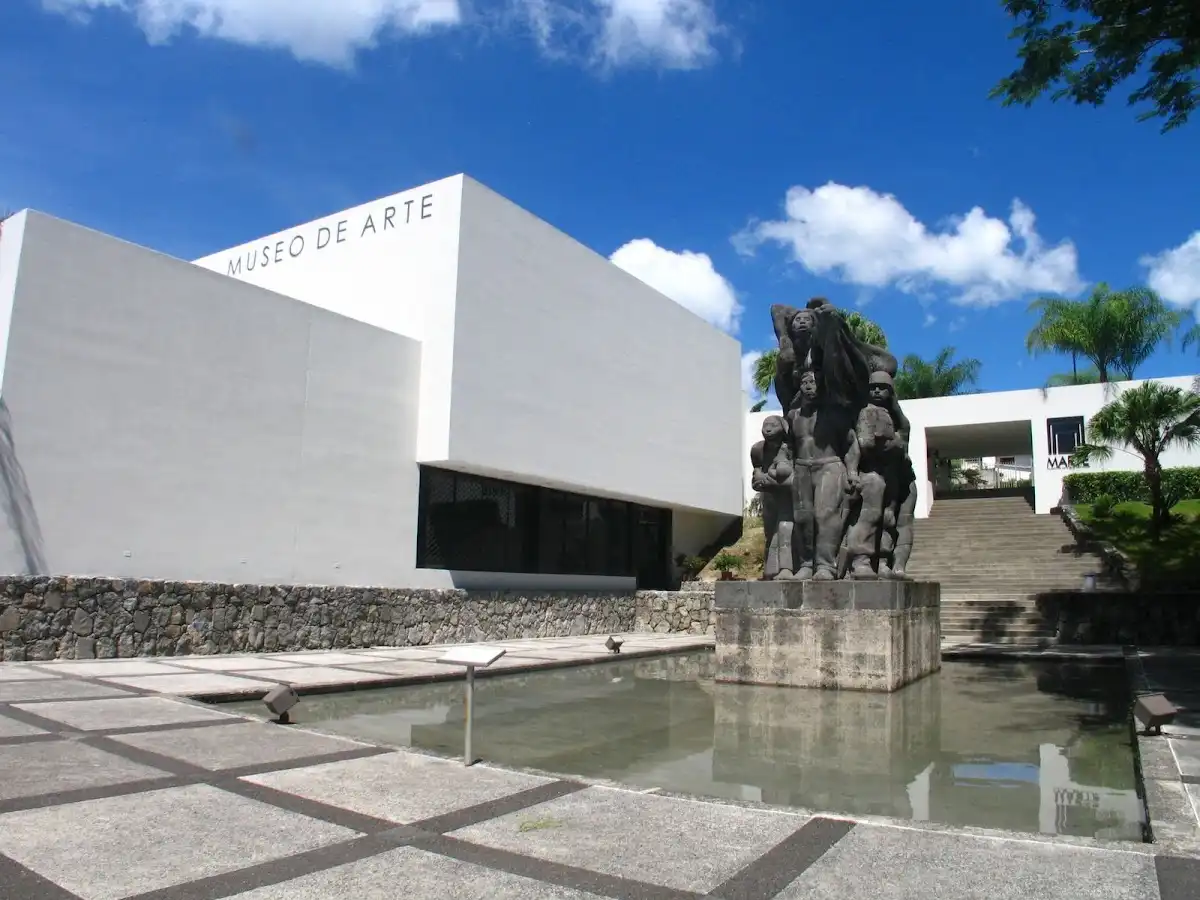
Forget the sanitized, internationalized art you’ll find in most capital city museums. The Museo de Arte de El Salvador (MARTE) is unapologetically local. Its permanent collection is a crash course in Salvadoran identity—think bold, sometimes chaotic canvases from the likes of Noé Canjura and Salarrué, plus a rotating cast of 20th-century rebels who painted through civil war, dictatorship, and hope. You’ll see the country’s history in brushstrokes: volcanic landscapes, urban grit, and the kind of faces you’ll actually meet on the street. This isn’t art for export; it’s art for survival and self-definition.
2. Temporary Exhibitions: The Pulse of Contemporary El Salvador
If you want to know what’s on the minds of Salvadorans right … read more 👉
Forget the sanitized, internationalized art you’ll find in most capital city museums. The Museo de Arte de El Salvador (MARTE) is unapologetically local. Its permanent collection is a crash course in Salvadoran identity—think bold, sometimes chaotic canvases from the likes of Noé Canjura and Salarrué, plus a rotating cast of 20th-century rebels who painted through civil war, dictatorship, and hope. You’ll see the country’s history in brushstrokes: volcanic landscapes, urban grit, and the kind of faces you’ll actually meet on the street. This isn’t art for export; it’s art for survival and self-definition.
2. Temporary Exhibitions: The Pulse of Contemporary El Salvador
If you want to know what’s on the minds of Salvadorans right … read more 👉
1. The Permanent Collection: Salvadoran Art, Raw and Unfiltered
Forget the sanitized, internationalized art you’ll find in most capital city museums. The Museo de Arte de El Salvador (MARTE) is unapologetically local. Its permanent collection is a crash course in Salvadoran identity—think bold, sometimes chaotic canvases from the likes of Noé Canjura and Salarrué, plus a rotating cast of 20th-century rebels who painted through civil war, dictatorship, and hope. You’ll see the country’s history in brushstrokes: volcanic landscapes, urban grit, and the kind of faces you’ll actually meet on the street. This isn’t art for export; it’s art for survival and self-definition.
2. Temporary Exhibitions: The Pulse of Contemporary El Salvador
If you want to know what’s on the minds of Salvadorans right now—politically, socially, artistically—skip the news and walk into MARTE’s temporary galleries. These shows are where the museum gets gutsy. Expect installations that tackle migration, violence, and identity head-on, often with a sense of humor that’s as sharp as it is necessary. The curators don’t play it safe. You might see a room full of machetes, a video installation about street vendors, or a textile piece that’s more protest banner than wall hanging. It’s unpredictable, and that’s the point.
3. The Sculpture Garden: Art Meets Tropical Reality
Step outside and you’re in a micro-jungle of modern sculpture. This isn’t some manicured European courtyard; it’s a living, breathing Salvadoran garden, where iguanas sun themselves on abstract metal and kids play tag around monumental stone forms. The garden is a rare pocket of calm in San Salvador, and the art here feels less like a display and more like a conversation with the landscape. If you want a photo, fine—but the real magic is in pausing, listening to the birds, and realizing you’re in the middle of a city that rarely slows down.
4. The Building Itself: Brutalism with a Salvadoran Twist
MARTE’s architecture is a statement. The building is all sharp angles and concrete, but softened by light, color, and the ever-present tropical air. It’s a space that feels both fortress-like and welcoming, a reflection of the country’s contradictions. The lobby is often filled with students, artists, and families—not just tourists ticking boxes. The museum doesn’t try to impress you with grandeur; it wins you over with honesty and a sense of place.
5. Community Events: Art That Refuses to Stay on the Walls
This isn’t a museum where you tiptoe and whisper. MARTE is alive with workshops, film screenings, and public talks that pull in everyone from schoolkids to street artists. If you time your visit right, you might stumble into a poetry slam or a pop-up market. The energy is contagious, and the barriers between ‘audience’ and ‘artist’ blur fast. This is where you see Salvadoran creativity in action—messy, loud, and absolutely worth showing up for.
Forget the sanitized, internationalized art you’ll find in most capital city museums. The Museo de Arte de El Salvador (MARTE) is unapologetically local. Its permanent collection is a crash course in Salvadoran identity—think bold, sometimes chaotic canvases from the likes of Noé Canjura and Salarrué, plus a rotating cast of 20th-century rebels who painted through civil war, dictatorship, and hope. You’ll see the country’s history in brushstrokes: volcanic landscapes, urban grit, and the kind of faces you’ll actually meet on the street. This isn’t art for export; it’s art for survival and self-definition.
2. Temporary Exhibitions: The Pulse of Contemporary El Salvador
If you want to know what’s on the minds of Salvadorans right now—politically, socially, artistically—skip the news and walk into MARTE’s temporary galleries. These shows are where the museum gets gutsy. Expect installations that tackle migration, violence, and identity head-on, often with a sense of humor that’s as sharp as it is necessary. The curators don’t play it safe. You might see a room full of machetes, a video installation about street vendors, or a textile piece that’s more protest banner than wall hanging. It’s unpredictable, and that’s the point.
3. The Sculpture Garden: Art Meets Tropical Reality
Step outside and you’re in a micro-jungle of modern sculpture. This isn’t some manicured European courtyard; it’s a living, breathing Salvadoran garden, where iguanas sun themselves on abstract metal and kids play tag around monumental stone forms. The garden is a rare pocket of calm in San Salvador, and the art here feels less like a display and more like a conversation with the landscape. If you want a photo, fine—but the real magic is in pausing, listening to the birds, and realizing you’re in the middle of a city that rarely slows down.
4. The Building Itself: Brutalism with a Salvadoran Twist
MARTE’s architecture is a statement. The building is all sharp angles and concrete, but softened by light, color, and the ever-present tropical air. It’s a space that feels both fortress-like and welcoming, a reflection of the country’s contradictions. The lobby is often filled with students, artists, and families—not just tourists ticking boxes. The museum doesn’t try to impress you with grandeur; it wins you over with honesty and a sense of place.
5. Community Events: Art That Refuses to Stay on the Walls
This isn’t a museum where you tiptoe and whisper. MARTE is alive with workshops, film screenings, and public talks that pull in everyone from schoolkids to street artists. If you time your visit right, you might stumble into a poetry slam or a pop-up market. The energy is contagious, and the barriers between ‘audience’ and ‘artist’ blur fast. This is where you see Salvadoran creativity in action—messy, loud, and absolutely worth showing up for.
Spotted a mistake or missing something? Contact us.

Birdwatching Tours in El Salvador with Expert Biologist Guide

Scars of San Salvador

Santa Ana Volcano Hike & Lunch at Coatepeque Lake (Private Tour)

Surf City

12-Hour Private Transportation Service in El Salvador

Best Juayua 7 Waterfalls Hiking Tour + 4x4 Ride | Ruta de Flores

Private 4x4 Tour with View of San Salvador from the Former Cable Car

Combo Tour: Archeology in Cihuatan + Suchitoto Best Preserved Colonial Town.

Volcan Santa Ana Hike+ Lago Coatepeque Viewpoint

 Best Backpacking
.jpg) Hi, I’m Johan (Netherlands 🇳🇱), the creator of TakeYourBackpack. Over the past 3 decades, I’ve backpacked through 90+ countries across six continents, gaining extensive experience with independent travel, long-term trips, and overland routes.
Hi, I’m Johan (Netherlands 🇳🇱), the creator of TakeYourBackpack. Over the past 3 decades, I’ve backpacked through 90+ countries across six continents, gaining extensive experience with independent travel, long-term trips, and overland routes.