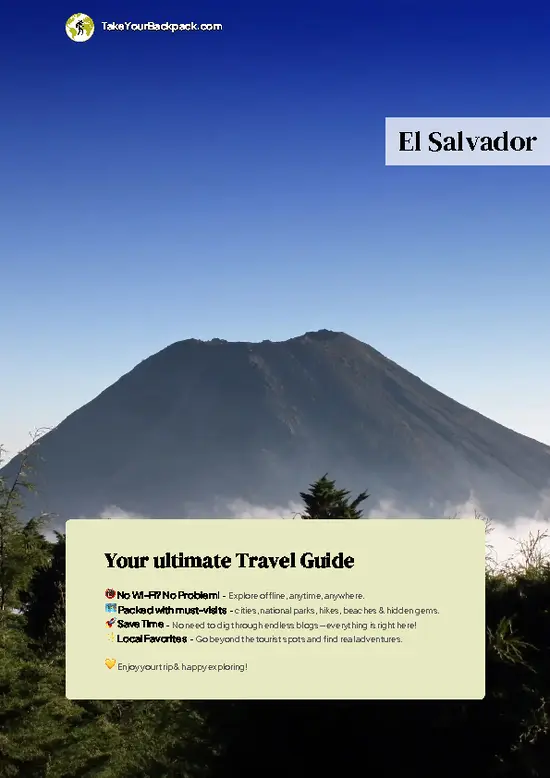
El Salvador sits on the Pacific Ring of Fire, and that single fact shapes almost everything a traveler comes for. Volcanic soil gives the
highlands their coffee farms and cloud-forest chill, and the same tectonics built black-sand beaches and steady surf. The country is the
smallest in Central America, roughly the size of Massachusetts, so a morning can start in cool mountain fog and end in 32°C coastal heat, with the smell of woodsmoke giving way to salt and frying fish.
History adds a second layer.
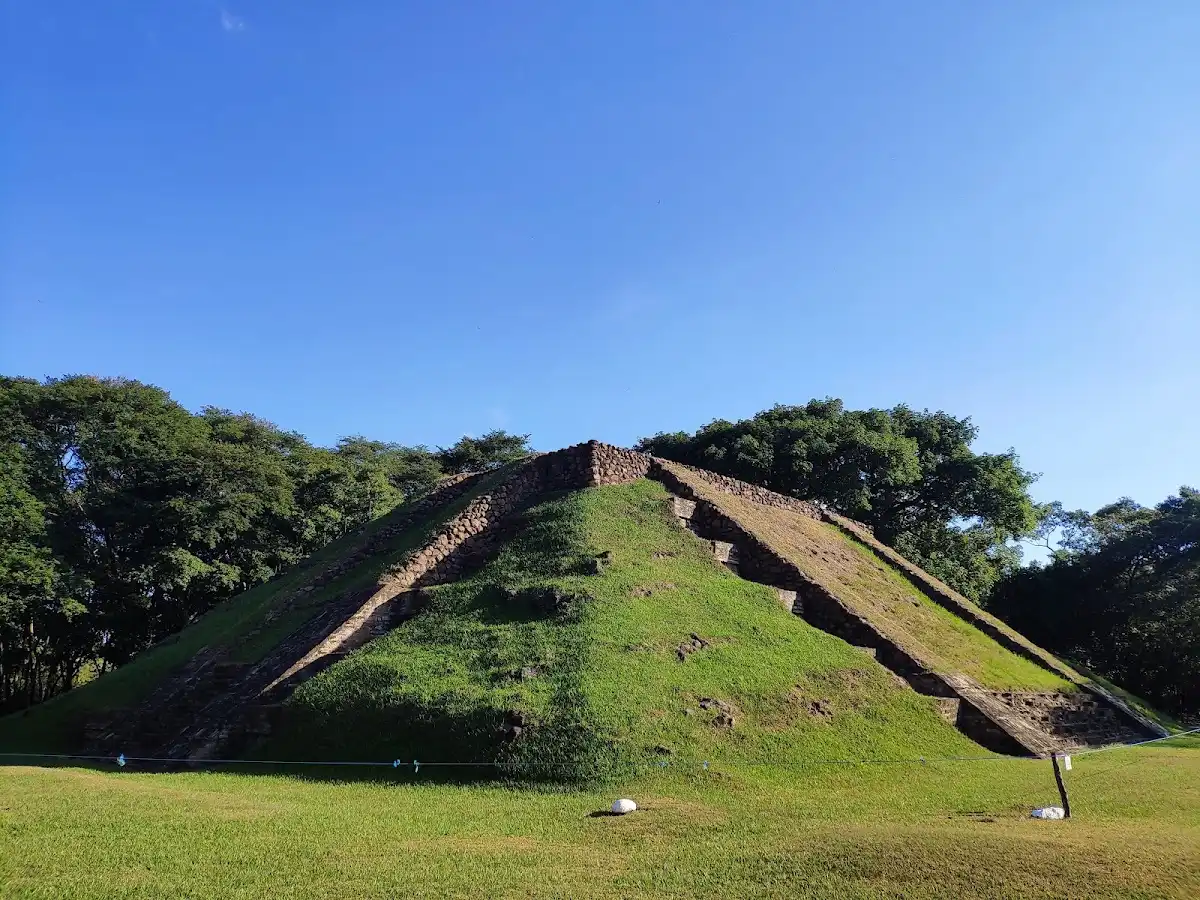
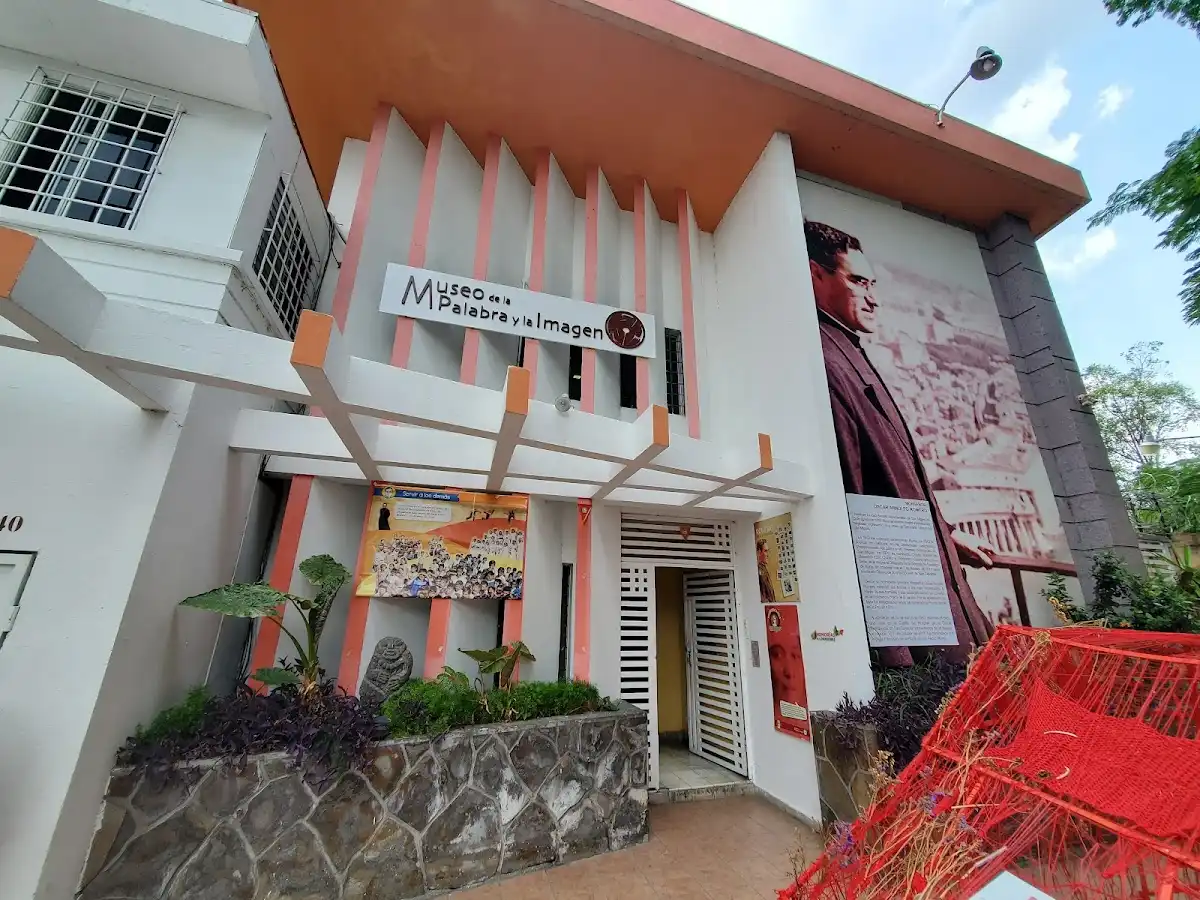
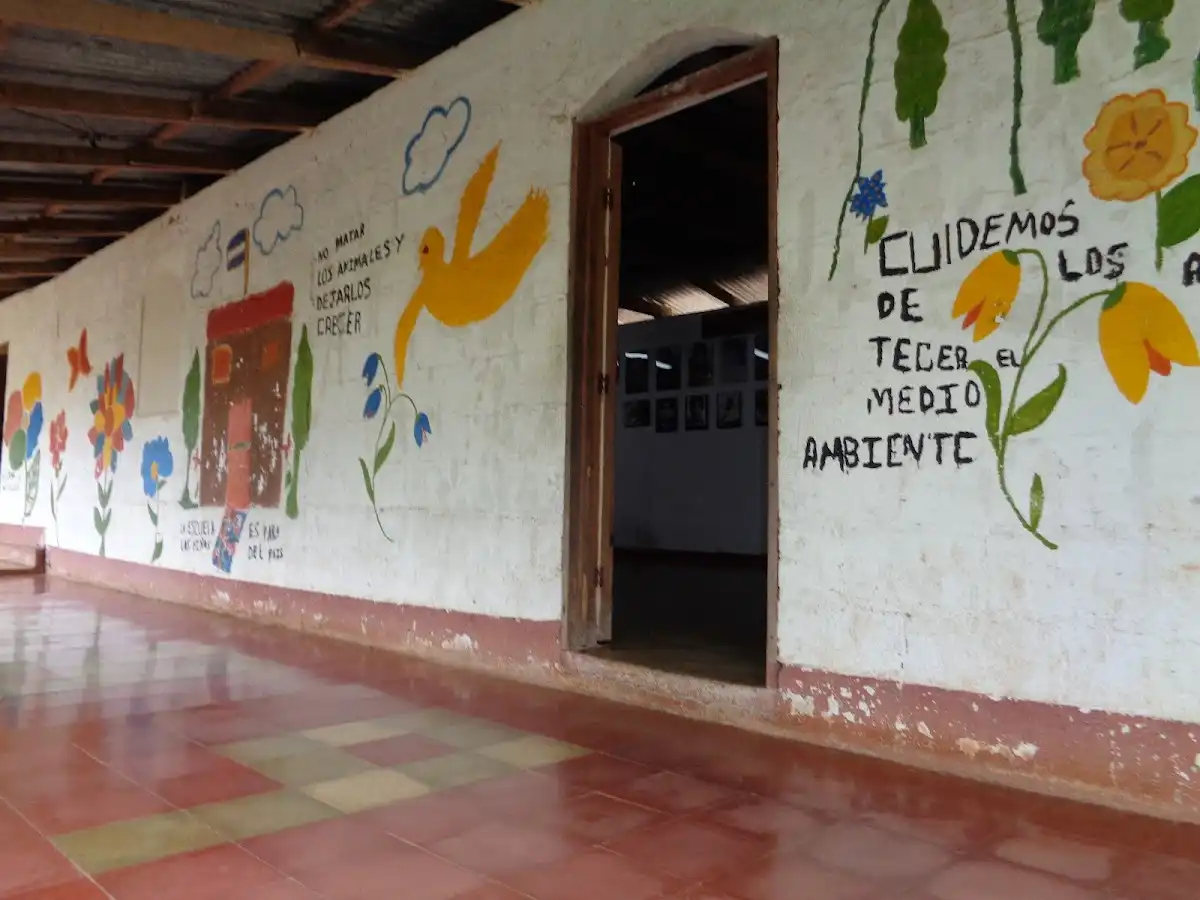
Maya, Pipil and Spanish colonial heritage sit close together, and the memory of the 1980 to 1992 civil war is present in murals, museums and conversation. Visitors should expect warm, direct locals and plenty of Spanish, with limited English outside tourist hubs.
Infrastructure is a mix. Main …
read more 👉El Salvador sits on the Pacific Ring of Fire, and that single fact shapes almost everything a traveler comes for. Volcanic soil gives the highlands their coffee farms and cloud-forest chill, and the same tectonics built black-sand beaches and steady surf. The country is the smallest in Central America, roughly the size of Massachusetts, so a morning can start in cool mountain fog and end in 32°C coastal heat, with the smell of woodsmoke giving way to salt and frying fish.
History adds a second layer. Maya, Pipil and Spanish colonial heritage sit close together, and the memory of the 1980 to 1992 civil war is present in murals, museums and conversation. Visitors should expect warm, direct locals and plenty of Spanish, with limited English outside tourist hubs.
Infrastructure is a mix. Main roads are paved and the country uses the US dollar, which makes budgeting easy, but public buses are crowded, loud and slow, and signage at lesser sites is thin. Security has improved dramatically under the state of exception, with visible police and soldiers at checkpoints, though petty theft still happens and common sense matters. Facilities are basic at many sites, so carry small bills, water and sun protection.
Why These Made the Cut
The list of best attractions in El Salvador is created based on cultural significance or entertainment value. If you feel a attraction is missing in this list, please let us know.
v2.webp)






 Best Backpacking
.jpg) Hi, I’m Johan (Netherlands 🇳🇱), the creator of TakeYourBackpack. Over the past 3 decades, I’ve backpacked through 90+ countries across six continents, gaining extensive experience with independent travel, long-term trips, and overland routes.
Hi, I’m Johan (Netherlands 🇳🇱), the creator of TakeYourBackpack. Over the past 3 decades, I’ve backpacked through 90+ countries across six continents, gaining extensive experience with independent travel, long-term trips, and overland routes.