×

El Salvador🇸🇻 | attractionsMuseo de la Palabra y la Imagenoral histories, civil war archives, multimedia exhibits | things to do and best time to go

Explore Teatro Nacional de Santa AnaExplore Parque Arqueológico Casa Blanca

Backpacking in Museo de la Palabra y la Imagen
👍 Recommendedattraction ranked #7
By Johan Kruseman 🇳🇱 | Updated September 30, 2026

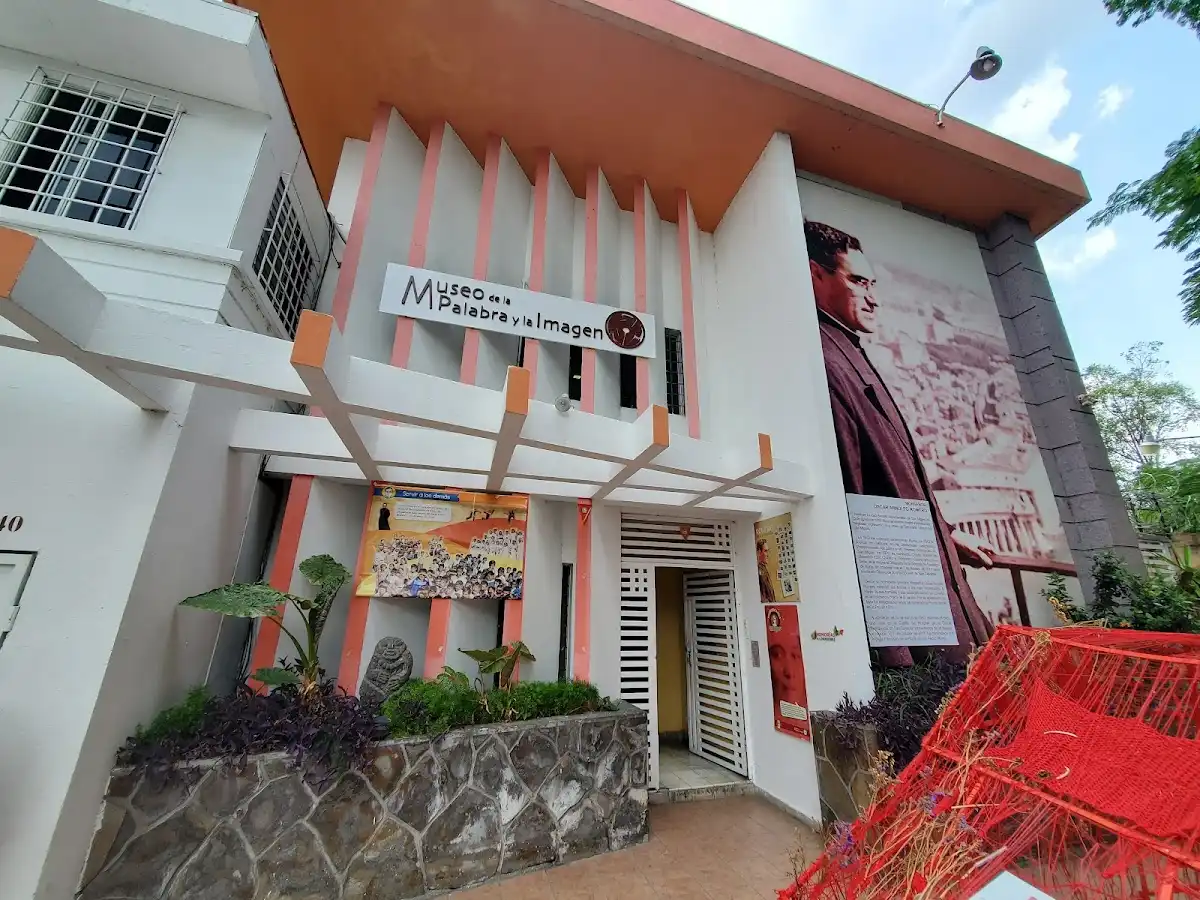
Most travelers expect Museo de la Palabra y la Imagen to be another dry history stop, but here’s the twist: this place is run by the people who actually lived El Salvador’s civil war, not by distant academics. You’ll find it tucked away in a modest house in San Salvador, not some grand government building—blink and you’ll miss it, but that’s part of the charm. This isn’t a selfie-magnet or a polished Instagram backdrop; it’s raw, real, and sometimes uncomfortable. The museum’s power comes from its honesty—handwritten letters, battered typewriters, and the voices of survivors echo louder than any curated display. You won’t fight crowds here; most tourists skip it, which means you get space to actually think. Entry is cheap, almost symbolic, and the staff are more like passionate storytellers than guides. Compared to the volcanoes and surf towns, this place hits you in the gut, not the adrenaline gland. If you want to understand El Salvador beyond the postcards, this is where you start.

Discover everything you want to know in the 📖 El Salvador Travel Guide.


Loading the map 🌍
CLICK TO FILTER
cities
towns
landmarks
national parks
hikes
beaches
attractions
festivals
regions
SHOW COUNTRY’S BESTSHOW ALL

✨ Why go?
Ranked #7 attraction in El Salvador
What sets this place apart

The Museo de la Palabra y la Imagen in El Salvador isn’t your typical tourist checkbox. Forget the glossy Instagram shots—this place hits you with raw, unfiltered history that most travelers miss. Yes, it’s often overshadowed by the country’s beaches and volcano hikes, but that’s exactly why it’s a must-stop. This museum is a cultural powerhouse, diving deep into El Salvador’s turbulent past—from civil war struggles to the resilience of everyday people. It’s not just about artifacts; it’s about stories told through powerful visuals, audio recordings, and personal testimonies that shake you out of any sanitized version of history.

Backpackers who make the effort find it’s a major milestone on the country’s cultural route, offering a perspective that no beach or mountain can match. The entrance … read more 👉
The Museo de la Palabra y la Imagen in El Salvador isn’t your typical tourist checkbox. Forget the glossy Instagram shots—this place hits you with raw, unfiltered history that most travelers miss. Yes, it’s often overshadowed by the country’s beaches and volcano hikes, but that’s exactly why it’s a must-stop. This museum is a cultural powerhouse, diving deep into El Salvador’s turbulent past—from civil war struggles to the resilience of everyday people. It’s not just about artifacts; it’s about stories told through powerful visuals, audio recordings, and personal testimonies that shake you out of any sanitized version of history.

Backpackers who make the effort find it’s a major milestone on the country’s cultural route, offering a perspective that no beach or mountain can match. The entrance fee is modest, but the emotional and intellectual payoff is huge—this is where you get the real pulse of El Salvador. It’s a place that demands your attention and rewards it with a profound understanding of the country’s identity. If you want to move beyond surface-level travel and connect with the soul of El Salvador, this museum is non-negotiable. It’s not flashy, but it’s unforgettable in the way that matters.

💡 HighlightsDon't-miss highlights and experiences

1. The Guerrilla Radio Studio
Forget the sanitized, glass-case museum experience. Here, you can step into a reconstructed clandestine radio studio—the kind used by FMLN guerrillas during El Salvador’s civil war. The battered equipment isn’t just for show; it’s a time capsule of resistance, complete with static-laced broadcasts and the palpable tension of a country at war with itself. You’ll hear original recordings, not some polished reenactment. It’s raw, it’s real, and it’s a crash course in how a microphone became a weapon.


2. The Photo Archive of the Civil War
Instagram filters can’t touch the gravity of these images. The museum’s photo archive is a gut-punch: black-and-white shots of everyday Salvadorans caught in the crossfire, portraits of vanished activists, and scenes of both horror … read more 👉
1. The Guerrilla Radio Studio
Forget the sanitized, glass-case museum experience. Here, you can step into a reconstructed clandestine radio studio—the kind used by FMLN guerrillas during El Salvador’s civil war. The battered equipment isn’t just for show; it’s a time capsule of resistance, complete with static-laced broadcasts and the palpable tension of a country at war with itself. You’ll hear original recordings, not some polished reenactment. It’s raw, it’s real, and it’s a crash course in how a microphone became a weapon.


2. The Photo Archive of the Civil War
Instagram filters can’t touch the gravity of these images. The museum’s photo archive is a gut-punch: black-and-white shots of everyday Salvadorans caught in the crossfire, portraits of vanished activists, and scenes of both horror and hope. These aren’t curated for shock value—they’re curated for truth. If you want to understand why Salvadorans still talk about the war in the present tense, stand in front of these photos and let them do the talking.


3. The “Monseñor Romero” Room
Archbishop Óscar Romero is everywhere in El Salvador, but nowhere is his story told with more bite than here. The museum doesn’t canonize him with soft-focus nostalgia. Instead, you get the full, unvarnished arc: his sermons, his assassination, and the aftermath. Personal effects, audio clips, and graffiti from the period make it clear—Romero wasn’t just a saint; he was a lightning rod. If you want to know why his legacy still divides families at dinner tables, this room spells it out.


4. The Children’s Drawings Exhibit
This isn’t your average “kids’ art” wall. These are drawings made by children during the war, and they’re as haunting as any Pulitzer-winning photo. Tanks scrawled in crayon, families fleeing villages, helicopters overhead—these images are a gut-check for anyone who thinks war is just about soldiers. It’s a rare, unfiltered look at conflict through the eyes of the youngest survivors, and it’ll stick with you long after you leave.


5. The “Memory Walk” Outdoor Murals
Step outside and you’ll find the museum’s walls covered in murals—bold, unapologetic, and impossible to ignore. These aren’t just decoration; they’re a living archive, painted by local artists and survivors. Each mural tells a story the textbooks skip: massacres, resistance, exile, and the stubborn hope that refuses to die. It’s street art with teeth, and it turns the museum’s exterior into a public forum for memory and debate.


6. The Archive of Disappeared Persons
This is the museum’s most sobering corner. Here, you’ll find files, photos, and testimonies of the thousands who vanished during the conflict. No sugarcoating, no easy answers—just the relentless, bureaucratic reality of loss. It’s not entertainment, but it’s essential. If you want to understand the real cost of El Salvador’s past, this archive is the place to start.
Spotted a mistake or missing something? Contact us.
🌤️ When to go?Choosing the right time of year

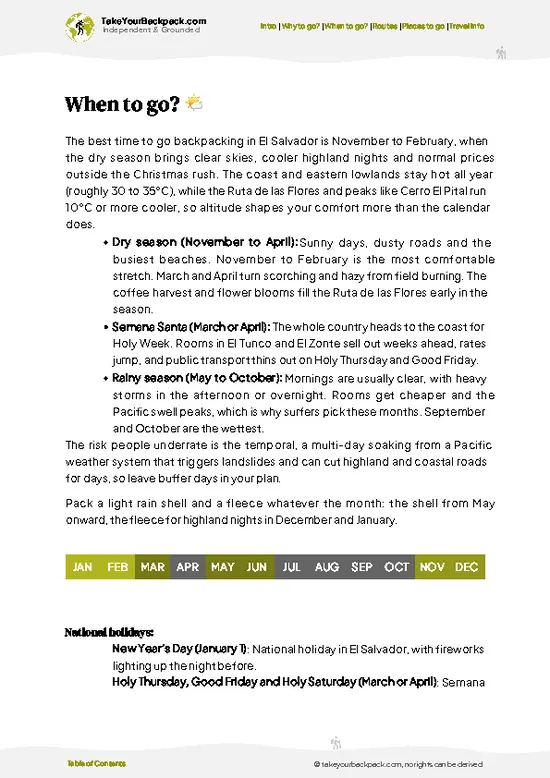
  • Weather: El Salvador’s dry season from November to April is your best bet for Museo de la Palabra y la Imagen. Expect mostly clear skies and minimal rain, which means fewer interruptions and a more comfortable walk through the exhibits. The wet season, May through October, brings heavy afternoon showers that can put a damper on your plans.
  • Temperature: Temperatures hover between 24-30°C (75-86°F) year-round, but the dry season feels less muggy. The wet season’s humidity can make the same temps feel sticky and exhausting, especially if you’re trekking around the city after your museum visit.
  • Daylight Hours: Daylight is pretty consistent, roughly 11-12 hours daily. From November to February, you get slightly longer evenings, which is perfect if you want to explore nearby neighborhoods after
… read more 👉
  • Weather: El Salvador’s dry season from November to April is your best bet for Museo de la Palabra y la Imagen. Expect mostly clear skies and minimal rain, which means fewer interruptions and a more comfortable walk through the exhibits. The wet season, May through October, brings heavy afternoon showers that can put a damper on your plans.
  • Temperature: Temperatures hover between 24-30°C (75-86°F) year-round, but the dry season feels less muggy. The wet season’s humidity can make the same temps feel sticky and exhausting, especially if you’re trekking around the city after your museum visit.
  • Daylight Hours: Daylight is pretty consistent, roughly 11-12 hours daily. From November to February, you get slightly longer evenings, which is perfect if you want to explore nearby neighborhoods after the museum closes.
  • Crowds: The museum isn’t a tourist magnet, but local school groups swell the crowds during the academic year, especially September to November. Visiting early in the morning during the dry season helps you dodge both tourists and noisy groups.
  • Seasonal Activities: November and December bring cultural events and commemorations tied to El Salvador’s history, which the museum highlights with special exhibits. This adds depth but expect more visitors and slightly higher entry fees.
  • Price Fluctuations: Entry fees are stable year-round, but guided tours and special events during peak cultural months (November-December) might cost a bit more. Off-season visits can sometimes snag discounts or quieter, more personal experiences.
Pro-tip: Aim for a weekday morning in the dry season, ideally November or February, to experience the museum’s full impact without the humidity, crowds, or price hikes.


source: climatestotravel.comJANJanuary: excellent for travelingFEBFebruary: excellent for travelingMARMarch: highly recommended for travelingAPRApril: highly recommended for travelingMAYMay: fair for travelingJUNJune: fair for travelingJULJuly: fair for travelingAUGAugust: fair for travelingSEPSeptember: fair for travelingOCTOctober: fair for travelingNOVNovember: highly recommended for travelingDECDecember: highly recommended for traveling
el-salvador-attraction-museo-de-la-palabra-y-la-imagen
© Google |

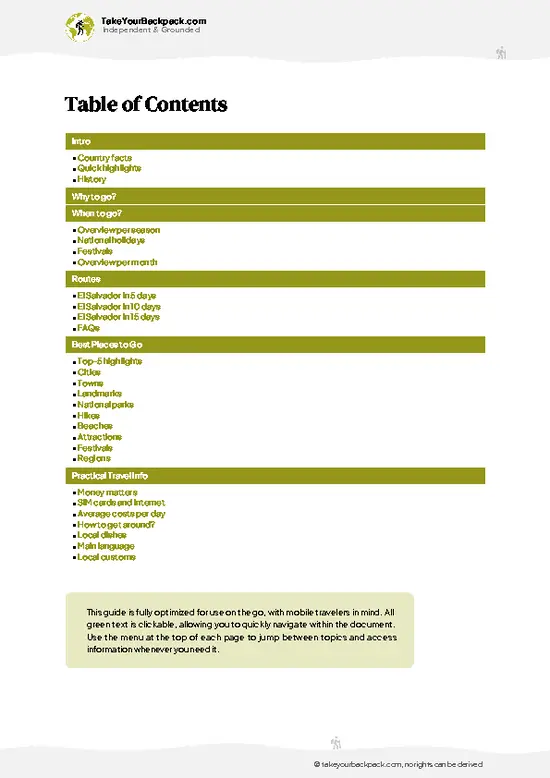
✈️ The backpacker research shortcutEl Salvador Travel Guide

An offline-friendly backpacking guide with optimized travel routes, ranked highlights, transport advice, and the best areas to stay.
example page 0 from our offline Travel Guide for El Salvador
example page 1 from our offline Travel Guide for El Salvador
example page 2 from our offline Travel Guide for El Salvador
example page 3 from our offline Travel Guide for El Salvador
example page 4 from our offline Travel Guide for El Salvador
example page 5 from our offline Travel Guide for El Salvador
example page 6 from our offline Travel Guide for El Salvador
example page 7 from our offline Travel Guide for El Salvador
The digital guide (294 pages) contains:
✅ 77 highlights, ranked by travel appeal
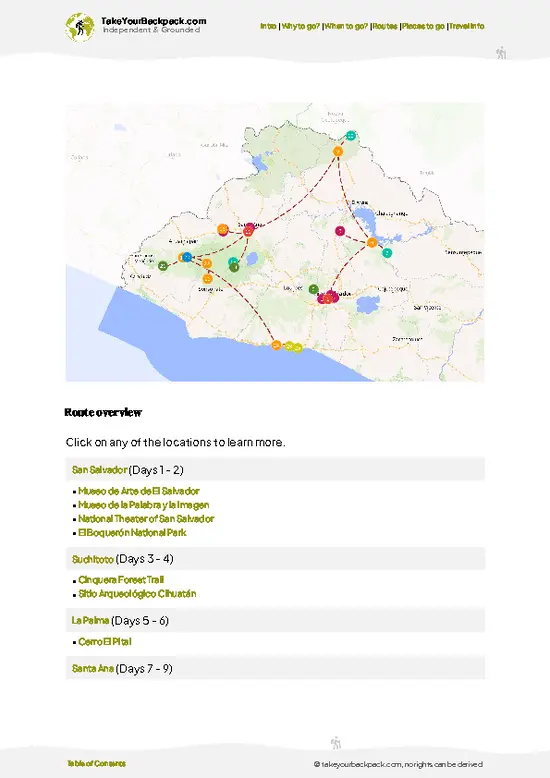
✅ Optimized 5, 10 & 15-day travel routes
✅ Cities, national parks, landmarks, beaches
✅ How to get around
✅ Offline-friendly for travel without Wi-Fi
👉 Click to see all 30+ guide features

📅 Plan smarter in minutes, not weeks
✅ Month by month travel advice
✅ Festivals & national holidays
✅ Budget expectations

🗺️ Go to the right places, skip the overrated ones
✅ Honest pros & cons of destinations
✅ Top hikes, parks & viewpoints
✅ Lesser-known places most travelers miss
✅ Clear “worth it vs skip it” guidance

🛏️ Travel smoothly without rookie mistakes
✅ Best areas to stay
✅ Transport systems explained simply
✅ Common scams & safety advice
✅ SIM cards, money & practical tips

🌍 Understand the country, not just visit it
✅ Culture & traditions
✅ 52 Essential phrases & customs
✅ Festivals worth planning around
✅ Traveler-friendly historical context
✅ Insights that make places more meaningful

📱 Built for real travel conditions
✅ Fully downloadable PDF
✅ Works completely offline
✅ Optimized for phone use
✅ Useful in remote areas & buses
✅ Everything in one place
Save weeks of stressful planning
Get instant access to your full guide. 30‑day money-back guarantee.
+ Add another guide for just

By proceeding you agree to our terms.
Sent to your inbox immediately after payment • 100% Secure Checkout
Best Backpacking Travel Advisor 2025 tourism awardBest Backpacking
Travel Advisor
2025
What others say about Take Your Backpack Guides:
⭐⭐⭐⭐⭐
Fantastic, amazing amount of information!
⭐⭐⭐⭐⭐
My goodness this is amazing, it's what I've been looking for hats off too you!
⭐⭐⭐⭐⭐
I think this is absolutely BRILLIANT
⭐⭐⭐⭐
Very complete and informative. It's still missing places, but I gotta to commend you
⭐⭐⭐⭐⭐
This is truly amazing, thank you, can't wait to explore it with my kids!
⭐⭐⭐⭐⭐
Awesome resource, thank you!
⭐⭐⭐⭐⭐
This is amazing! Can't wait to explore the ones I haven't seen
⭐⭐⭐⭐
I love this! Well done, great idea.
⭐⭐⭐⭐⭐
Thanks for taking the time to make this gem!
⭐⭐⭐⭐⭐
This might be the best website I've ever seen.
⭐⭐⭐⭐⭐
Congratulations, and thank you so much for your work; it's incredibly valuable.
⭐⭐⭐⭐
In all seriousness I think you did a great job pointing out the important spots
⭐⭐⭐⭐⭐
10/10 very good
⭐⭐⭐⭐⭐
As someone who's only just starting to visit regularly this is awesome, thank you.
⭐⭐⭐⭐
Thank you very much! I'm going to visit my dad, it's going to be very useful!
⭐⭐⭐⭐⭐
This is really cool! We'll be travelling for the first time and this definitely come in handy.
⭐⭐⭐⭐⭐
You are now our minister of culture, congratulations 👨‍💼
⭐⭐⭐⭐⭐
Just wanted to tell you that this is a pearl! Going to follow your recommendations.
⭐⭐⭐⭐⭐
This is so cool. I'll definitely be using the resource for my travels soon.
⭐⭐⭐⭐⭐
This is very impressive! Good work.
⭐⭐⭐⭐⭐
This is an amazing and informative site. Very well done!

🛏️ Where to stay?Best areas to stay in El Salvador

The Museo de la Palabra y la Imagen sits in San Salvador’s historic heart, but don’t expect a postcard-perfect, crowd-free stroll. This city center is a bustling mix of government offices, street vendors, and locals hustling through their day. It’s not polished tourist territory, and that’s exactly why it’s worth staying nearby if you want to feel the pulse of El Salvador beyond the museum walls.

For backpackers, the best bets are neighborhoods like Barrio San Benito and Colonia Escalón. These areas balance safety with social energy, offering a mix of affordable guesthouses and lively cafés where … read more 👉
The Museo de la Palabra y la Imagen sits in San Salvador’s historic heart, but don’t expect a postcard-perfect, crowd-free stroll. This city center is a bustling mix of government offices, street vendors, and locals hustling through their day. It’s not polished tourist territory, and that’s exactly why it’s worth staying nearby if you want to feel the pulse of El Salvador beyond the museum walls.

For backpackers, the best bets are neighborhoods like Barrio San Benito and Colonia Escalón. These areas balance safety with social energy, offering a mix of affordable guesthouses and lively cafés where you can meet other travelers without the tourist bubble. San Benito, in particular, has a creative vibe—think street art, indie bookstores, and a handful of bars where the locals unwind. It’s a place where you can swap stories with Salvadorans and fellow backpackers alike, which is the real magic here.

Colonia Escalón is a bit more polished and residential but still budget-friendly, with easy access to public transport and a quieter atmosphere for when you need a break from the city’s chaos. Both neighborhoods put you within a short taxi or bus ride to the museum, so you’re close enough to dive deep into the exhibits but far enough to avoid the midday crush.

Bottom line: skip the sterile tourist zones. Stay where the city breathes, where safety meets social life, and where your Salvadoran experience starts before you even step into the museum.

👛 Costs (as of 30 September 2026)Travel costs and budget guide for Museo de la Palabra y la Imagen

General admission is $3 USD; discounts for students, seniors, and groups; free for children under 12.

source: museo.com.sv
⚠️ Prices can change and everyone travels differently, so take this as a rough guide. Hope it helps you plan your adventure!

FAQFrequently asked questions about Museo de la Palabra y la Imagen

1 to 2 hours is sufficient to visit Museo de la Palabra y la Imagen. This allows time to explore the exhibits focused on El Salvador's history, culture, and social issues. The museum is compact but rich in content.
Yes, Museo de la Palabra y la Imagen is worth the entrance fee, which is typically around $2 to $3 USD. It offers valuable insights into Salvadoran history and social movements through multimedia displays and archives. The experience is educational and unique for understanding the country's past.
To get to Museo de la Palabra y la Imagen, located in San Salvador, take a local bus or taxi from the city center. The museum is near the historic district, about 2 kilometers from the main plaza, making it accessible by a short taxi ride or a 20-30 minute walk.
⚠️ Things can change over time, so always validate details locally before you go.

Other Salvadoran attractions near Museo de la Palabra y la Imagen

Explore more nearby:


💡 Not sure where to go next?
Create a personalized itinerary for El Salvador including Museo de la Palabra y la Imagen and the places that fit your trip.

Generate my itinerary

👉 Discover all attractions

Or checkout all El Salvador has to offer (think cities, towns, villages, national parks, hikes, beaches, festivals)
Country photo of El Salvador

We 💚 feedbackIs it worth it?

Museo de la Palabra y la Imagen isn’t your typical shiny tourist stop. It’s raw, sometimes heavy, but that’s exactly why it hits deep. Expect a quiet, reflective vibe—this isn’t a place for selfies or crowds. The real surprise is how it connects you to El Salvador’s soul through stories and visuals you won’t find in guidebooks. Heads up: some exhibits deal with tough history, so come ready to listen, not just look. If you want a glimpse beyond the surface, this museum is worth every minute.

✍️ Help improve this page!
The information on this page is based on in-depth research, insights shared by experienced travelers, and feedback from the local travel community in El Salvador. While every effort is made to keep the information accurate and current, conditions can change — so if you spot anything incorrect or outdated, please get in touch.


🙋‍♂️ Give feedback

👋 Meet the founderWho’s Behind Take Your Backpack?

Johan, backpacker and founder of TakeYourBackpackHi, I’m Johan (Netherlands 🇳🇱), the creator of TakeYourBackpack. Over the past 3 decades, I’ve backpacked through 90+ countries across six continents, gaining extensive experience with independent travel, long-term trips, and overland routes.

This site is built on a combination of firsthand travel experience and carefully curated insights from other backpackers. Many guides are based on places I’ve personally visited, while others bring together tips, observations, and practical advice shared by trusted travelers I’ve met along the way.

The goal is to provide realistic, experience-driven guidance — not generic itineraries — so you can explore destinations with better context, clearer expectations, and more confidence.