×

El Salvador🇸🇻 | attractionsMuseo Nacional de Antropología Dr. David J. Guzmánpre-Columbian ceramics, indigenous textiles, ethnographic displays | things to do and best time to go

Explore Museo de Arte de El SalvadorExplore Teatro Nacional de Santa Ana

Backpacking in Museo Nacional de Antropología Dr. David J. Guzmán
🌟 Highlightattraction ranked #5
By Johan Kruseman 🇳🇱 | Updated April 28, 2026

Here’s what nobody tells you until it’s too late: Museo Nacional de Antropología Dr. David J. Guzmán is air-conditioned. In the sticky, relentless heat of San Salvador, that’s not just a perk—it’s a lifeline. You’ll find the museum in the city’s Zona Rosa, a pocket of relative calm in the capital’s urban sprawl. Now, let’s cut through the travel-brochure fluff: this isn’t some dusty afterthought or a box to tick on a rainy day. For backpackers, it’s a crash course in El Salvador’s real story—Mayan relics, colonial oddities, and the kind of pre-Columbian artifacts that make you realize how shallow most souvenir shops really are. Yes, you’ll dodge a few school groups and the odd tour bus, but the crowds are nothing compared to the chaos at El Tunco or the volcano trails. Entry is cheap, the exhibits are surprisingly well-curated, and the vibe is more “curious local” than “selfie stampede.” If you want to understand the country beneath the Instagram filters, this is where you start.

Discover everything you want to know in the 📖 El Salvador Travel Guide.
Loading the map 🌍
CLICK TO FILTER
cities
towns
landmarks
national parks
hikes
beaches
attractions
festivals
regions
SHOW COUNTRY’S BESTSHOW ALL

✨ Why go?
Ranked #5 attraction in El Salvador
What makes this attraction worth visiting

The Museo Nacional de Antropología Dr. David J. Guzmán in El Salvador isn’t just another museum to tick off your list—it’s a cultural heavyweight that demands your attention. Forget the glossy Instagram shots; this place dives deep into the country’s roots with a rawness that no selfie can capture. Yes, it can get busy, especially during weekends, and the entrance fee isn’t dirt cheap by local standards, but the payoff is massive. You’re stepping into a space that holds the story of El Salvador’s indigenous peoples, from the ancient Lenca to the Pipil, with artifacts that span thousands of years. It’s not just about looking at old stuff; it’s about feeling the pulse of a nation’s identity, struggles, and resilience.

For backpackers carving a route through Central America, this museum is a … read more 👉
The Museo Nacional de Antropología Dr. David J. Guzmán in El Salvador isn’t just another museum to tick off your list—it’s a cultural heavyweight that demands your attention. Forget the glossy Instagram shots; this place dives deep into the country’s roots with a rawness that no selfie can capture. Yes, it can get busy, especially during weekends, and the entrance fee isn’t dirt cheap by local standards, but the payoff is massive. You’re stepping into a space that holds the story of El Salvador’s indigenous peoples, from the ancient Lenca to the Pipil, with artifacts that span thousands of years. It’s not just about looking at old stuff; it’s about feeling the pulse of a nation’s identity, struggles, and resilience.

For backpackers carving a route through Central America, this museum is a milestone. It’s where history stops being a dry textbook and becomes a living, breathing narrative. The effort to get here—navigating San Salvador’s chaotic streets and dealing with the crowds—is worth every second because it grounds you in a context that transforms your entire trip. This isn’t a tourist trap; it’s a cultural anchor that makes El Salvador more than just a dot on the map.
Want to include Museo Nacional de Antropología Dr. David J. Guzmán in your El Salvador route?
Create a personalized El Salvador itinerary that includes Museo Nacional de Antropología Dr. David J. Guzmán and the places that fit your trip — based on your travel style, budget, and available time. Get your route in seconds.

Generate my trip

💡 HighlightsPlaces and moments you shouldn't skip

The Olmec Colossal Head
Let’s cut through the hype: you’re not coming here for a selfie with a Mayan pyramid. But you will stand face-to-face with a genuine Olmec head—yes, one of those enigmatic, broad-faced stone giants that look like they could out-stare a bouncer. This isn’t a replica. It’s the real deal, and it’s got the kind of presence that makes you stop mid-scroll and actually pay attention. The Olmec head is a physical reminder that El Salvador’s ancient history is just as wild and mysterious as anything you’ll find in Mexico or Guatemala, but with a fraction of the crowds breathing down your neck.


The Pipil and Lenca Artifacts
Forget the sanitized, glass-case monotony of most museums. Here, the Pipil and Lenca collections are raw, earthy, and deeply personal. You’ll see obsidian … read more 👉
The Olmec Colossal Head
Let’s cut through the hype: you’re not coming here for a selfie with a Mayan pyramid. But you will stand face-to-face with a genuine Olmec head—yes, one of those enigmatic, broad-faced stone giants that look like they could out-stare a bouncer. This isn’t a replica. It’s the real deal, and it’s got the kind of presence that makes you stop mid-scroll and actually pay attention. The Olmec head is a physical reminder that El Salvador’s ancient history is just as wild and mysterious as anything you’ll find in Mexico or Guatemala, but with a fraction of the crowds breathing down your neck.


The Pipil and Lenca Artifacts
Forget the sanitized, glass-case monotony of most museums. Here, the Pipil and Lenca collections are raw, earthy, and deeply personal. You’ll see obsidian blades that still look sharp enough to slice through your hiking boot, and pottery with fingerprints from hands that lived a thousand years ago. These aren’t just relics—they’re evidence of civilizations that shaped the land long before the Spanish ever showed up. If you want to feel the pulse of pre-Columbian El Salvador, this is where you put your finger on it.


The Maya Room
No, you won’t find the grandeur of Tikal or Chichen Itza, but you will get a crash course in the Maya world that actually existed in El Salvador. The stelae and ceramics here are battered, imperfect, and all the more fascinating for it. You’ll see glyphs that haven’t been meme-ified to death, and altars that look like they’ve survived more than a few earthquakes. The Maya Room is a reminder that history isn’t always polished—and that’s exactly what makes it gripping.


The Indigenous Gold Collection
This isn’t your average “shiny stuff behind glass” display. The gold artifacts here are small, intricate, and loaded with symbolism. You’ll find nose rings, pendants, and ceremonial pieces that tell stories of power, trade, and spiritual obsession. The kicker? Most of this gold was hidden away or melted down during the conquest, so what’s left is rare and fiercely protected. It’s a glimpse into a world that colonialism tried (and failed) to erase.


The Ethnographic Hall
Here’s where the museum stops being a history lesson and starts feeling like a living, breathing argument about what it means to be Salvadoran. The Ethnographic Hall is packed with textiles, masks, and everyday objects from the last two centuries. It’s loud, colorful, and unapologetically real. You’ll see the blend of Indigenous, African, and European influences that make El Salvador’s culture so hard to pin down—and so worth experiencing beyond the clichés.
Spotted a mistake or missing something? Contact us.
🌤️ When to go?Weather, crowds, and seasonal trade-offs


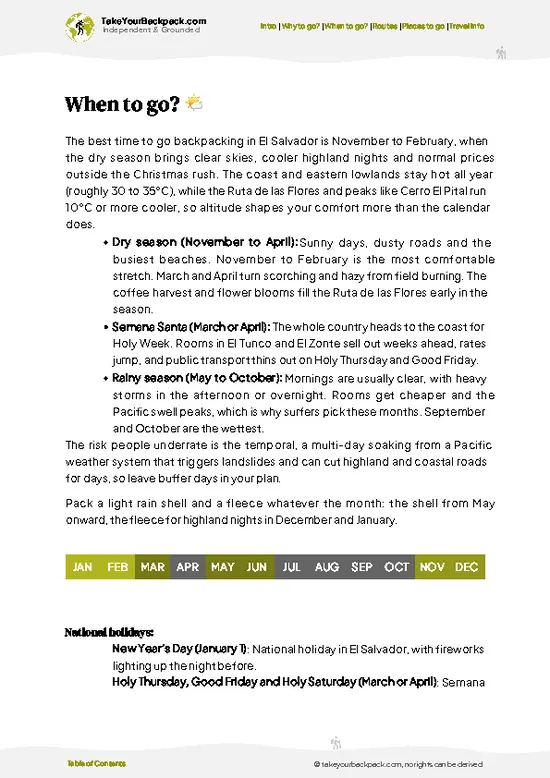
  • Weather: El Salvador’s dry season from November to April is your best bet. Expect mostly sunny days with minimal rain, perfect for museum visits without the hassle of sudden downpours. The wet season, May through October, brings heavy afternoon showers that can disrupt plans and dampen the experience.

  • Temperature: Temperatures hover between 22°C and 30°C (72°F to 86°F) year-round, but the dry season feels more comfortable. The wet season’s humidity can make the heat feel sticky and oppressive, which isn’t ideal when you want to focus on the exhibits.

  • Daylight Hours: Daylight stays fairly consistent, around 11 to 12 hours daily. This means you have plenty of time to explore without rushing, regardless of when you visit.

  • Crowds: The museum sees a spike in visitors during local holidays
read more 👉

  • Weather: El Salvador’s dry season from November to April is your best bet. Expect mostly sunny days with minimal rain, perfect for museum visits without the hassle of sudden downpours. The wet season, May through October, brings heavy afternoon showers that can disrupt plans and dampen the experience.

  • Temperature: Temperatures hover between 22°C and 30°C (72°F to 86°F) year-round, but the dry season feels more comfortable. The wet season’s humidity can make the heat feel sticky and oppressive, which isn’t ideal when you want to focus on the exhibits.

  • Daylight Hours: Daylight stays fairly consistent, around 11 to 12 hours daily. This means you have plenty of time to explore without rushing, regardless of when you visit.

  • Crowds: The museum sees a spike in visitors during local holidays and weekends, especially in December and April. If you want to dodge the crowds, aim for weekday mornings in the dry season when the space feels more like a sanctuary than a tourist trap.

  • Seasonal Activities: Cultural events tied to national holidays can add layers to your visit, but they also bring crowds and higher prices. If you want the museum’s story without the noise, avoid major festival periods.

  • Price Fluctuations: Entry fees remain stable year-round, but accommodation and transport costs can rise during peak tourist months (December to February). Planning your visit just outside these months can save you money without sacrificing the experience.


Pro-tip: Visit during the shoulder months of November or April—dry, cooler, and quieter—so you get the museum’s full impact without the hassle of crowds or weather headaches.


source: climatestotravel.comJANJanuary: highly recommended for travelingFEBFebruary: highly recommended for travelingMARMarch: excellent for travelingAPRApril: excellent for travelingMAYMay: fair for travelingJUNJune: fair for travelingJULJuly: fair for travelingAUGAugust: fair for travelingSEPSeptember: fair for travelingOCTOctober: fair for travelingNOVNovember: excellent for travelingDECDecember: good for traveling
el-salvador-attraction-museo-nacional-de-antropologia-dr-david-j-guzman
© Google |

✈️ The backpacker research shortcutEl Salvador Travel Guide

An offline-friendly backpacking guide with optimized travel routes, ranked highlights, transport advice, and the best areas to stay.
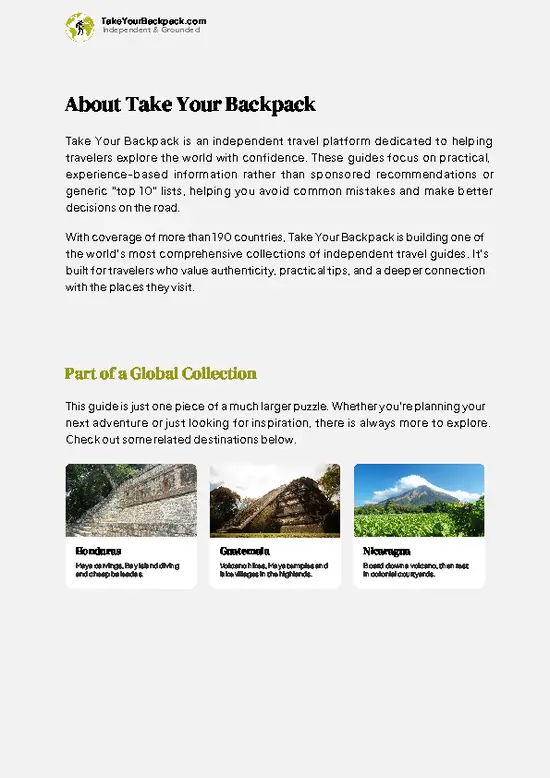
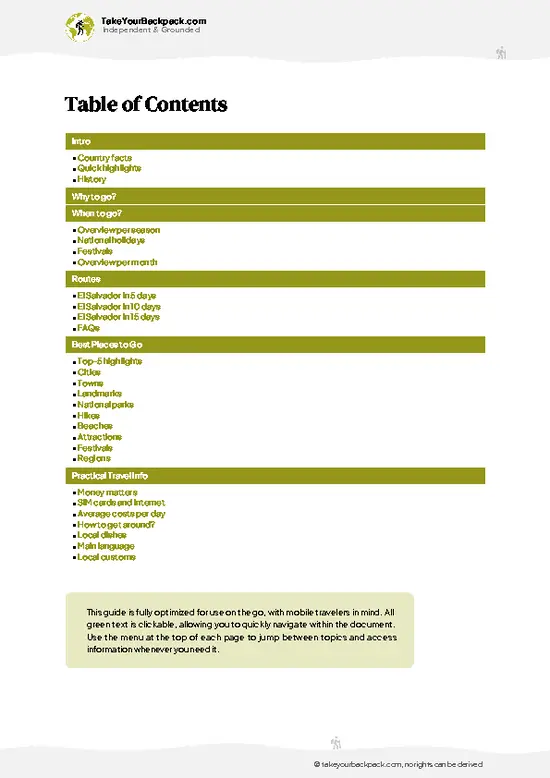
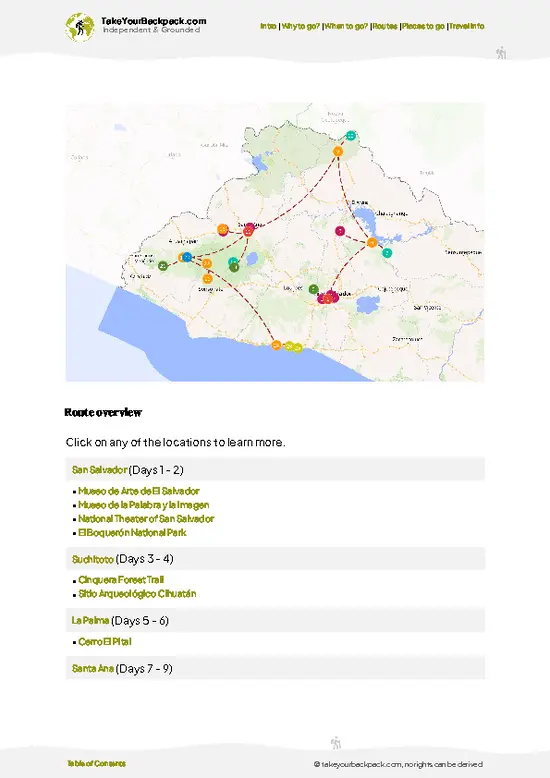
example page 0 from our offline Travel Guide for El Salvador
example page 1 from our offline Travel Guide for El Salvador
example page 2 from our offline Travel Guide for El Salvador
example page 3 from our offline Travel Guide for El Salvador
example page 4 from our offline Travel Guide for El Salvador
example page 5 from our offline Travel Guide for El Salvador
example page 6 from our offline Travel Guide for El Salvador
example page 7 from our offline Travel Guide for El Salvador
The digital guide (304 pages) contains:
79 highlights, ranked by travel appeal
Optimized 5, 10 & 15-day travel routes
Cities, national parks, landmarks, beaches
How to get around
Offline-friendly for travel without Wi-Fi
👉 Click to see all 30+ guide features

📅 Plan smarter in minutes, not weeks
Month by month travel advice
Festivals & national holidays
Budget expectations

🗺️ Go to the right places, skip the overrated ones
Honest pros & cons of destinations
Top hikes, parks & viewpoints
Lesser-known places most travelers miss
Clear “worth it vs skip it” guidance

🛏️ Travel smoothly without rookie mistakes
Best areas to stay
Transport systems explained simply
Common scams & safety advice
SIM cards, money & practical tips

🌍 Understand the country, not just visit it
Culture & traditions
52 Essential phrases & customs
Festivals worth planning around
Traveler-friendly historical context
Insights that make places more meaningful

📱 Built for real travel conditions
Fully downloadable PDF
Works completely offline
Optimized for phone use
Useful in remote areas & buses
Everything in one place
Save weeks of stressful planning
Get instant access to your full guide. 30‑day money-back guarantee.


By proceeding you agree to our terms.
Sent to your inbox immediately after payment • 100% Secure Checkout
Best Backpacking Travel Advisor 2025 tourism awardBest Backpacking
Travel Advisor
2025
What others say about Take Your Backpack Guides:
⭐⭐⭐⭐⭐
Fantastic, amazing amount of information!
⭐⭐⭐⭐⭐
My goodness this is amazing, it's what I've been looking for hats off too you!
⭐⭐⭐⭐⭐
I think this is absolutely BRILLIANT
⭐⭐⭐⭐
Very complete and informative. It's still missing places, but I gotta to commend you
⭐⭐⭐⭐⭐
This is truly amazing, thank you, can't wait to explore it with my kids!
⭐⭐⭐⭐⭐
Awesome resource, thank you!
⭐⭐⭐⭐⭐
This is amazing! Can't wait to explore the ones I haven't seen
⭐⭐⭐⭐
I love this! Well done, great idea.
⭐⭐⭐⭐⭐
Thanks for taking the time to make this gem!
⭐⭐⭐⭐⭐
This might be the best website I've ever seen.
⭐⭐⭐⭐⭐
Congratulations, and thank you so much for your work; it's incredibly valuable.
⭐⭐⭐⭐
In all seriousness I think you did a great job pointing out the important spots
⭐⭐⭐⭐⭐
10/10 very good
⭐⭐⭐⭐⭐
As someone who's only just starting to visit regularly this is awesome, thank you.
⭐⭐⭐⭐
Thank you very much! I'm going to visit my dad, it's going to be very useful!
⭐⭐⭐⭐⭐
This is really cool! We'll be travelling for the first time and this definitely come in handy.
⭐⭐⭐⭐⭐
You are now our minister of culture, congratulations 👨‍💼
⭐⭐⭐⭐⭐
Just wanted to tell you that this is a pearl! Going to follow your recommendations.
⭐⭐⭐⭐⭐
This is so cool. I'll definitely be using the resource for my travels soon.
⭐⭐⭐⭐⭐
This is very impressive! Good work.
⭐⭐⭐⭐⭐
This is an amazing and informative site. Very well done!

🛏️ Where to stay?Best areas and accommodation options

Staying near the Museo Nacional de Antropología Dr. David J. Guzmán means diving into San Salvador’s pulse, but let’s cut the fluff: this isn’t a polished tourist bubble. The immediate area around the museum is functional, not flashy. It’s safe enough during the day, but at night, you want to be smart—stick to well-lit streets and avoid wandering solo too far off the main roads.

For backpackers craving social vibes and budget-friendly digs, the best bet is the Zona Rosa district, just a short ride away. It’s where expats, solo travelers, and locals converge, offering a mix of affordable hostels, … read more 👉
Staying near the Museo Nacional de Antropología Dr. David J. Guzmán means diving into San Salvador’s pulse, but let’s cut the fluff: this isn’t a polished tourist bubble. The immediate area around the museum is functional, not flashy. It’s safe enough during the day, but at night, you want to be smart—stick to well-lit streets and avoid wandering solo too far off the main roads.

For backpackers craving social vibes and budget-friendly digs, the best bet is the Zona Rosa district, just a short ride away. It’s where expats, solo travelers, and locals converge, offering a mix of affordable hostels, lively bars, and cafes that make meeting people effortless. The energy here is real—no forced friendliness, just genuine connections over cheap pupusas and cold beers. Plus, it’s safer and cleaner than many other parts of the city, which matters when you’re carrying your life on your back.

Another solid option is the historic downtown area. It’s rougher around the edges but packed with character and street life. You’ll find budget accommodations here that put you close to the museum and other cultural spots. The trade-off is a bit less polish and more hustle, but if you’re street-smart and up for authentic urban grit, it’s a rewarding spot.

Bottom line: don’t expect a tourist bubble near the museum. Instead, aim for Zona Rosa for safety and social buzz, or downtown for raw local flavor. Both put you within easy reach of the museum without selling out your backpacker budget or vibe.

👛 Costs (as of 16 November 2024)How expensive it really is

As of the most recent estimates, the Museo Nacional de Antropología Dr. David J. Guzmán in El Salvador has the following admission fees:

- General Admission: USD1 for nationals and Central Americans; USD3 for foreign visitors.

- Free Admission: Children under 12 years old, adults over 60 years old, and individuals with disabilities.

- Free Admission for Public Educational Institutions: Students from public basic and secondary education institutions receive free entry from Wednesday to Friday.

Please note that these fees are subject to change. For the most current information, refer to the official website of the Ministry of Culture of El Salvador. ([cultura.gob.sv](https://www.cultura.gob.sv/producto/entrada-museo-nacional-de-antropologia-dr-david-j-guzman/?utm_source=openai))
⚠️ Prices can change and everyone travels differently, so take this as a rough guide. Hope it helps you plan your adventure!

Other Salvadoran attractions near Museo Nacional de Antropología Dr. David J. Guzmán

Explore more nearby:


💡 Not sure where to go next?
Create a personalized itinerary for El Salvador including Museo Nacional de Antropología Dr. David J. Guzmán and the places that fit your trip.

Generate my itinerary

👉 Discover all attractions

Or checkout all El Salvador has to offer (think cities, towns, villages, national parks, hikes, beaches, festivals)
Country photo of El Salvador

We 💚 feedbackKey takeaways before you go

The Museo Nacional de Antropología Dr. David J. Guzmán isn’t going to wow you with crowds or flashy displays—it’s quiet, almost under the radar, which is exactly why it’s worth your time. The real magic is in the way it digs into El Salvador’s roots without the tourist gloss. Expect to spend more time with artifacts that tell raw, human stories than with polished exhibits. If you’re after Instagram moments, look elsewhere. But if you want to feel the pulse of a culture that’s often overlooked, this place delivers in spades.

✍️ Help improve this page!
The information on this page is based on in-depth research, insights shared by experienced travelers, and feedback from the local travel community in El Salvador. While every effort is made to keep the information accurate and current, conditions can change — so if you spot anything incorrect or outdated, please get in touch.


🙋‍♂️ Give feedback

👋 Meet the founderWho’s Behind Take Your Backpack?

Johan, backpacker and founder of TakeYourBackpackHi, I’m Johan (Netherlands 🇳🇱), the creator of TakeYourBackpack. Over the past decade, I’ve backpacked through 80+ countries across six continents, gaining extensive experience with independent travel, long-term trips, and overland routes.

This site is built on a combination of firsthand travel experience and carefully curated insights from other backpackers. Many guides are based on places I’ve personally visited, while others bring together tips, observations, and practical advice shared by trusted travelers I’ve met along the way.

The goal is to provide realistic, experience-driven guidance — not generic itineraries — so you can explore destinations with better context, clearer expectations, and more confidence.

Get full country guide •
Instant download • 79 highlights • Full Offline guide