v2.webp)
1. The Real Weapons and Guerrilla Gear
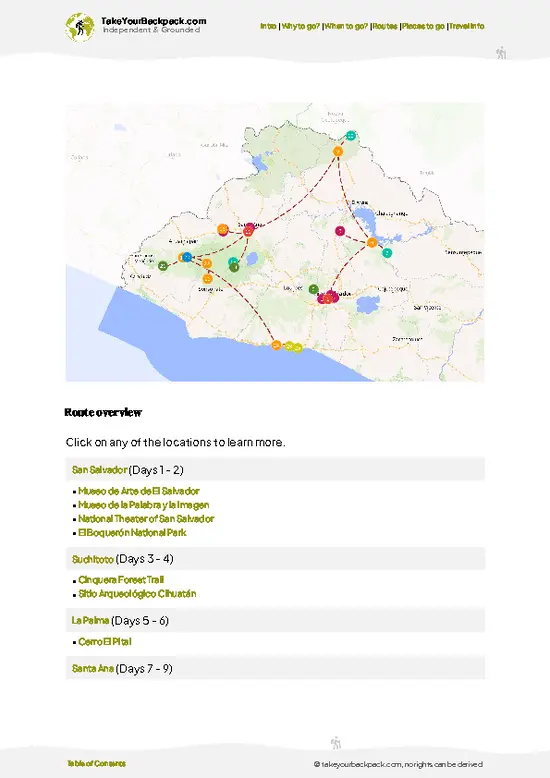
Forget the glass-case museum vibe. Here, you’re face-to-face with battered rifles, homemade bombs, and the actual boots worn by FMLN guerrillas. These aren’t sanitized props—they’re the real, mud-caked tools of a civil war that shaped modern El Salvador. You can touch the shrapnel-pocked helmets and see the improvised radios that once relayed life-or-death messages through the jungle. It’s raw, unfiltered history, and it hits harder than any textbook or Instagram post ever could.
2. The Underground Bunker Tour
This isn’t a Disney-fied walk-through. The guides—many of whom fought in the war—lead you into the claustrophobic, candle-lit tunnels where rebels hid from air raids and planned counterattacks. The air is thick, the walls still bear the scars of … read more 👉
Forget the glass-case museum vibe. Here, you’re face-to-face with battered rifles, homemade bombs, and the actual boots worn by FMLN guerrillas. These aren’t sanitized props—they’re the real, mud-caked tools of a civil war that shaped modern El Salvador. You can touch the shrapnel-pocked helmets and see the improvised radios that once relayed life-or-death messages through the jungle. It’s raw, unfiltered history, and it hits harder than any textbook or Instagram post ever could.
2. The Underground Bunker Tour
This isn’t a Disney-fied walk-through. The guides—many of whom fought in the war—lead you into the claustrophobic, candle-lit tunnels where rebels hid from air raids and planned counterattacks. The air is thick, the walls still bear the scars of … read more 👉
1. The Real Weapons and Guerrilla Gear
Forget the glass-case museum vibe. Here, you’re face-to-face with battered rifles, homemade bombs, and the actual boots worn by FMLN guerrillas. These aren’t sanitized props—they’re the real, mud-caked tools of a civil war that shaped modern El Salvador. You can touch the shrapnel-pocked helmets and see the improvised radios that once relayed life-or-death messages through the jungle. It’s raw, unfiltered history, and it hits harder than any textbook or Instagram post ever could.
2. The Underground Bunker Tour
This isn’t a Disney-fied walk-through. The guides—many of whom fought in the war—lead you into the claustrophobic, candle-lit tunnels where rebels hid from air raids and planned counterattacks. The air is thick, the walls still bear the scars of conflict, and the stories are delivered with the kind of detail you only get from someone who lived it. It’s not comfortable, but that’s the point. You’ll leave with a new respect for what survival really meant here.
3. First-Person Storytelling from Ex-Combatants
If you want glossy, rehearsed scripts, look elsewhere. The Museo’s guides are often ex-combatants who survived the war. Their stories are unscripted, sometimes messy, and always personal. They’ll tell you about the fear, the losses, the small victories, and the impossible choices. You’ll hear about the war’s impact on families and the country’s psyche, not just the politics. It’s the kind of storytelling that sticks with you long after you leave.
4. The Field Hospital Exhibit
This isn’t a sanitized diorama. The museum’s field hospital is a chilling, hands-on look at how wounded fighters were treated with next to nothing. You’ll see blood-stained stretchers, makeshift surgical tools, and the actual medical kits used in the mountains. It’s a gut-punch reminder of the human cost of conflict, and it’s delivered without melodrama—just the facts, and the artifacts to back them up.
5. The Wall of the Fallen
This memorial isn’t about grand gestures or polished marble. It’s a simple, powerful tribute to the men and women who died in the conflict, with names and faces that make the statistics painfully real. Locals come here to remember, and you’ll feel the weight of their loss. It’s a sobering, necessary pause in a country still healing from its past.
6. The Jungle Setting and Open-Air Displays
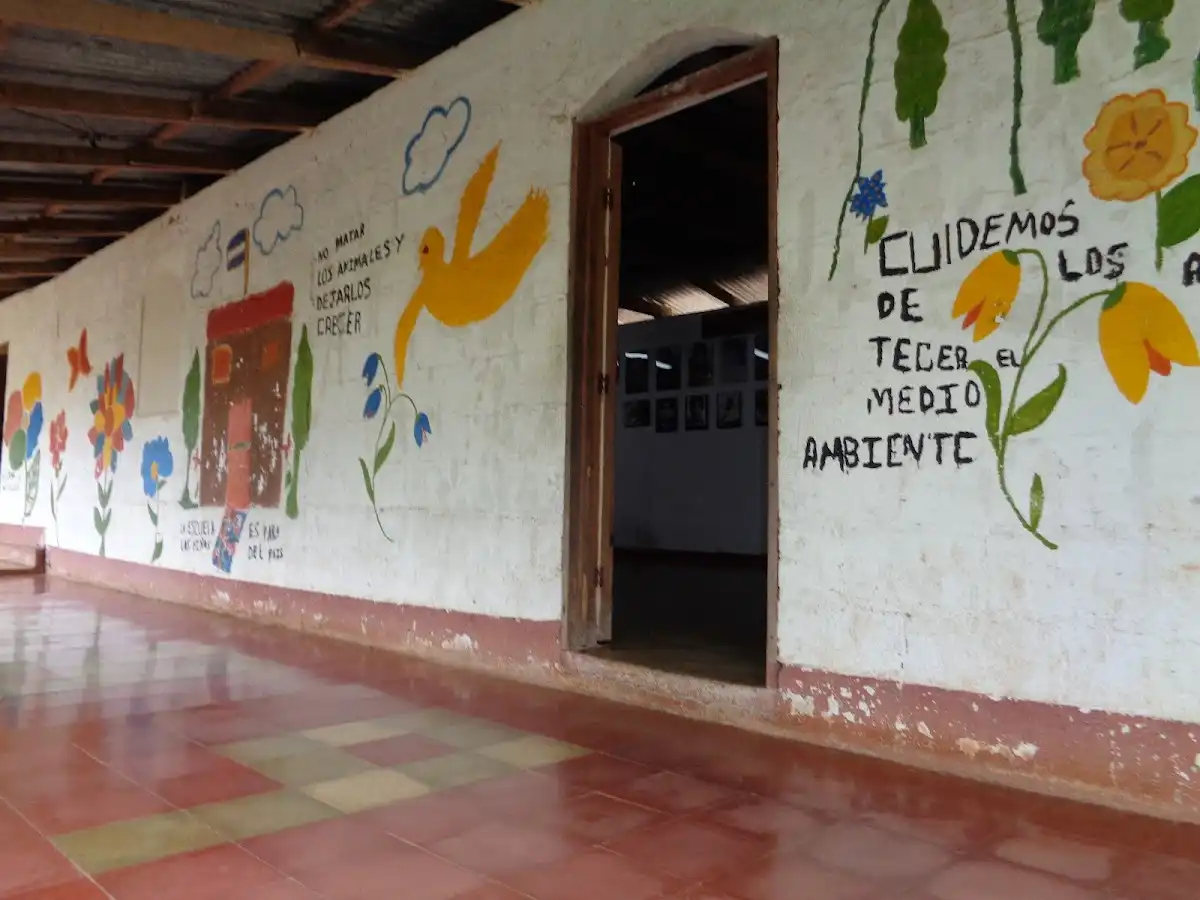
This isn’t a sterile city museum. The Museo sits in the lush, humid hills near Perquín, surrounded by the same jungle that once hid rebel camps. Some exhibits are outdoors, exposed to the elements, which means you’re walking the same muddy paths as the fighters. The setting isn’t just a backdrop—it’s part of the story, and it grounds everything in gritty reality.
Forget the glass-case museum vibe. Here, you’re face-to-face with battered rifles, homemade bombs, and the actual boots worn by FMLN guerrillas. These aren’t sanitized props—they’re the real, mud-caked tools of a civil war that shaped modern El Salvador. You can touch the shrapnel-pocked helmets and see the improvised radios that once relayed life-or-death messages through the jungle. It’s raw, unfiltered history, and it hits harder than any textbook or Instagram post ever could.
2. The Underground Bunker Tour
This isn’t a Disney-fied walk-through. The guides—many of whom fought in the war—lead you into the claustrophobic, candle-lit tunnels where rebels hid from air raids and planned counterattacks. The air is thick, the walls still bear the scars of conflict, and the stories are delivered with the kind of detail you only get from someone who lived it. It’s not comfortable, but that’s the point. You’ll leave with a new respect for what survival really meant here.
3. First-Person Storytelling from Ex-Combatants
If you want glossy, rehearsed scripts, look elsewhere. The Museo’s guides are often ex-combatants who survived the war. Their stories are unscripted, sometimes messy, and always personal. They’ll tell you about the fear, the losses, the small victories, and the impossible choices. You’ll hear about the war’s impact on families and the country’s psyche, not just the politics. It’s the kind of storytelling that sticks with you long after you leave.
4. The Field Hospital Exhibit
This isn’t a sanitized diorama. The museum’s field hospital is a chilling, hands-on look at how wounded fighters were treated with next to nothing. You’ll see blood-stained stretchers, makeshift surgical tools, and the actual medical kits used in the mountains. It’s a gut-punch reminder of the human cost of conflict, and it’s delivered without melodrama—just the facts, and the artifacts to back them up.
5. The Wall of the Fallen
This memorial isn’t about grand gestures or polished marble. It’s a simple, powerful tribute to the men and women who died in the conflict, with names and faces that make the statistics painfully real. Locals come here to remember, and you’ll feel the weight of their loss. It’s a sobering, necessary pause in a country still healing from its past.
6. The Jungle Setting and Open-Air Displays
This isn’t a sterile city museum. The Museo sits in the lush, humid hills near Perquín, surrounded by the same jungle that once hid rebel camps. Some exhibits are outdoors, exposed to the elements, which means you’re walking the same muddy paths as the fighters. The setting isn’t just a backdrop—it’s part of the story, and it grounds everything in gritty reality.
Spotted a mistake or missing something? Contact us.

Birdwatching Tours in El Salvador with Expert Biologist Guide

Scars of San Salvador

Santa Ana Volcano Hike & Lunch at Coatepeque Lake (Private Tour)

Santa Ana & Lake Coatepeque Volcano Hike | Private Tour

Airport transfer Tunco Beach Sunzal Beach

12-Hour Private Transportation Service in El Salvador

Surf City

Santa Ana with a Local | History & Hidden Bar

Best Juayua 7 Waterfalls Hiking Tour + 4x4 Ride | Ruta de Flores

 Best Backpacking
.jpg) Hi, I’m Johan (Netherlands 🇳🇱), the creator of TakeYourBackpack. Over the past 3 decades, I’ve backpacked through 90+ countries across six continents, gaining extensive experience with independent travel, long-term trips, and overland routes.
Hi, I’m Johan (Netherlands 🇳🇱), the creator of TakeYourBackpack. Over the past 3 decades, I’ve backpacked through 90+ countries across six continents, gaining extensive experience with independent travel, long-term trips, and overland routes.