v2.webp)
The Main Pyramid (La Acrópolis)
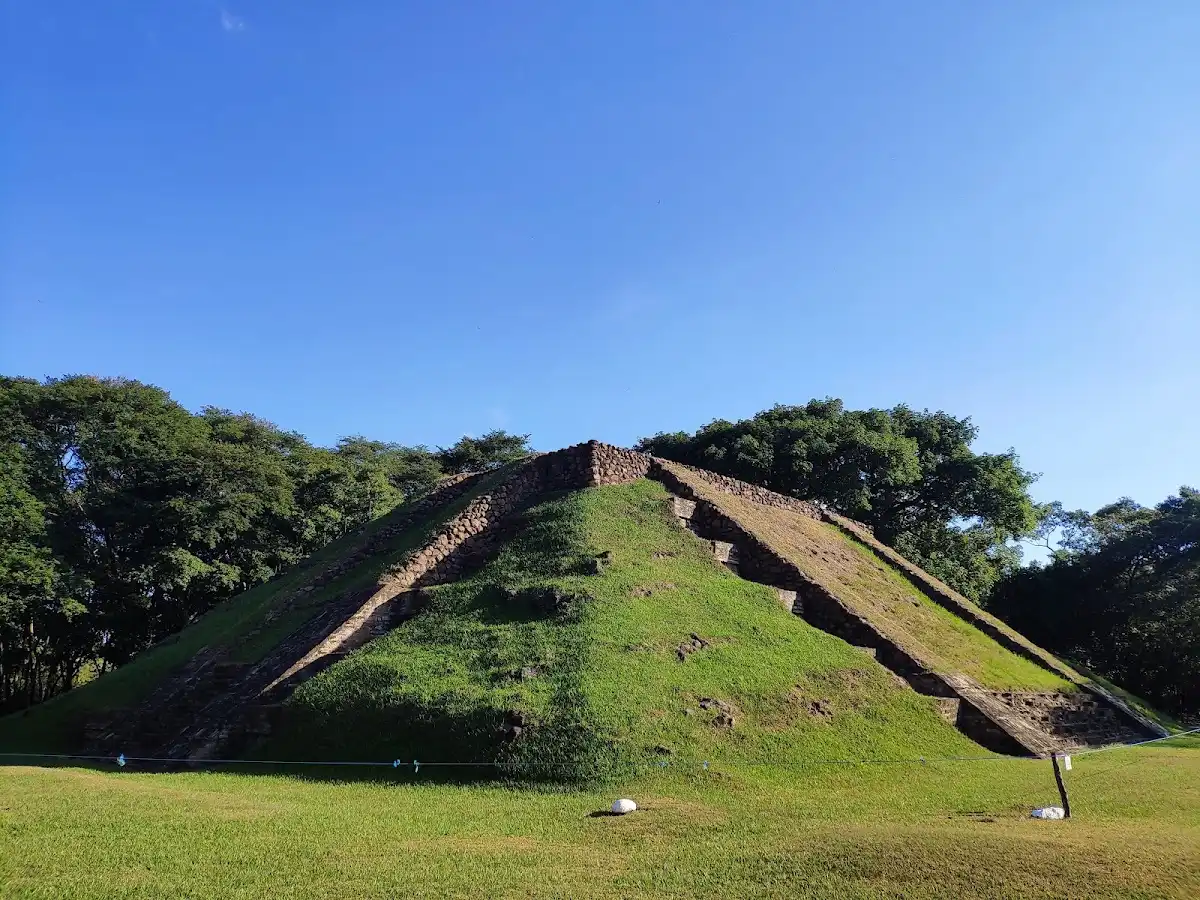
Forget the Instagram drone shots—this isn’t Chichén Itzá, and that’s the point. The main pyramid at Cihuatán is raw, half-reconstructed, and refreshingly free of velvet ropes. You can actually climb it. The stones are sunbaked and uneven, and you’ll probably have the summit to yourself, unless a local iguana beats you there. The view isn’t just of jungle: you’ll see the patchwork of modern El Salvador, with distant volcanoes and the hum of daily life. This is ancient grandeur without the theme park gloss.
The Ball Court
Cihuatán’s ball court is the real deal—no staged reenactments, no costumed actors, just the original stonework where Mesoamerican athletes once played for stakes that could be deadly serious. Stand at one end and clap; the echo is sharp, a reminder … read more 👉
Forget the Instagram drone shots—this isn’t Chichén Itzá, and that’s the point. The main pyramid at Cihuatán is raw, half-reconstructed, and refreshingly free of velvet ropes. You can actually climb it. The stones are sunbaked and uneven, and you’ll probably have the summit to yourself, unless a local iguana beats you there. The view isn’t just of jungle: you’ll see the patchwork of modern El Salvador, with distant volcanoes and the hum of daily life. This is ancient grandeur without the theme park gloss.
The Ball Court
Cihuatán’s ball court is the real deal—no staged reenactments, no costumed actors, just the original stonework where Mesoamerican athletes once played for stakes that could be deadly serious. Stand at one end and clap; the echo is sharp, a reminder … read more 👉
The Main Pyramid (La Acrópolis)
Forget the Instagram drone shots—this isn’t Chichén Itzá, and that’s the point. The main pyramid at Cihuatán is raw, half-reconstructed, and refreshingly free of velvet ropes. You can actually climb it. The stones are sunbaked and uneven, and you’ll probably have the summit to yourself, unless a local iguana beats you there. The view isn’t just of jungle: you’ll see the patchwork of modern El Salvador, with distant volcanoes and the hum of daily life. This is ancient grandeur without the theme park gloss.
The Ball Court
Cihuatán’s ball court is the real deal—no staged reenactments, no costumed actors, just the original stonework where Mesoamerican athletes once played for stakes that could be deadly serious. Stand at one end and clap; the echo is sharp, a reminder of how these spaces were engineered for spectacle. The court is compact, but the sense of history is massive. You’re not just looking at ruins; you’re standing in the middle of a thousand-year-old arena where the line between sport and ritual blurred.
The Residential Zones
Most visitors skip these, but that’s a rookie mistake. The residential mounds at Cihuatán are where you get a sense of daily life—ancient kitchens, living spaces, and the bones of a city that once buzzed with markets and families. There’s no glossy signage, just the quiet satisfaction of piecing together the past from the ground up. If you want to feel like an explorer instead of a tourist, wander here. You’ll probably be alone, and that’s the magic.
The Museum (On-Site Interpretation Center)
Small, yes, but mighty. The on-site museum is where Cihuatán’s story gets teeth. Artifacts are displayed with just enough context to spark your imagination—obsidian blades, ceramics, and the famous incense burners shaped like jaguars and birds. The staff are passionate and will talk your ear off if you show the slightest interest. This is where the site’s mystery comes alive, and you realize how little we actually know about the people who built it.
The Setting: Volcanic Backdrop and Rural Vibe
Cihuatán isn’t buried in jungle or perched on a tourist corridor. It sits in the middle of El Salvador’s agricultural heartland, with volcanoes looming on the horizon and the scent of sugarcane in the air. You’ll hear birds, not busloads. The approach is along dusty roads, and the site feels genuinely off-the-beaten-path—because it is. This isn’t a place that’s been sanitized for mass tourism. It’s rough around the edges, and that’s exactly why it’s worth your time.
Forget the Instagram drone shots—this isn’t Chichén Itzá, and that’s the point. The main pyramid at Cihuatán is raw, half-reconstructed, and refreshingly free of velvet ropes. You can actually climb it. The stones are sunbaked and uneven, and you’ll probably have the summit to yourself, unless a local iguana beats you there. The view isn’t just of jungle: you’ll see the patchwork of modern El Salvador, with distant volcanoes and the hum of daily life. This is ancient grandeur without the theme park gloss.
The Ball Court
Cihuatán’s ball court is the real deal—no staged reenactments, no costumed actors, just the original stonework where Mesoamerican athletes once played for stakes that could be deadly serious. Stand at one end and clap; the echo is sharp, a reminder of how these spaces were engineered for spectacle. The court is compact, but the sense of history is massive. You’re not just looking at ruins; you’re standing in the middle of a thousand-year-old arena where the line between sport and ritual blurred.
The Residential Zones
Most visitors skip these, but that’s a rookie mistake. The residential mounds at Cihuatán are where you get a sense of daily life—ancient kitchens, living spaces, and the bones of a city that once buzzed with markets and families. There’s no glossy signage, just the quiet satisfaction of piecing together the past from the ground up. If you want to feel like an explorer instead of a tourist, wander here. You’ll probably be alone, and that’s the magic.
The Museum (On-Site Interpretation Center)
Small, yes, but mighty. The on-site museum is where Cihuatán’s story gets teeth. Artifacts are displayed with just enough context to spark your imagination—obsidian blades, ceramics, and the famous incense burners shaped like jaguars and birds. The staff are passionate and will talk your ear off if you show the slightest interest. This is where the site’s mystery comes alive, and you realize how little we actually know about the people who built it.
The Setting: Volcanic Backdrop and Rural Vibe
Cihuatán isn’t buried in jungle or perched on a tourist corridor. It sits in the middle of El Salvador’s agricultural heartland, with volcanoes looming on the horizon and the scent of sugarcane in the air. You’ll hear birds, not busloads. The approach is along dusty roads, and the site feels genuinely off-the-beaten-path—because it is. This isn’t a place that’s been sanitized for mass tourism. It’s rough around the edges, and that’s exactly why it’s worth your time.
Spotted a mistake or missing something? Contact us.

Birdwatching Tours in El Salvador with Expert Biologist Guide

Scars of San Salvador

Santa Ana Volcano Hike & Lunch at Coatepeque Lake (Private Tour)

12-Hour Private Transportation Service in El Salvador

Surf City

Best Juayua 7 Waterfalls Hiking Tour + 4x4 Ride | Ruta de Flores

Private 4x4 Tour with View of San Salvador from the Former Cable Car

Combo Tour: Archeology in Cihuatan + Suchitoto Best Preserved Colonial Town.

Volcan Santa Ana Hike+ Lago Coatepeque Viewpoint


 Best Backpacking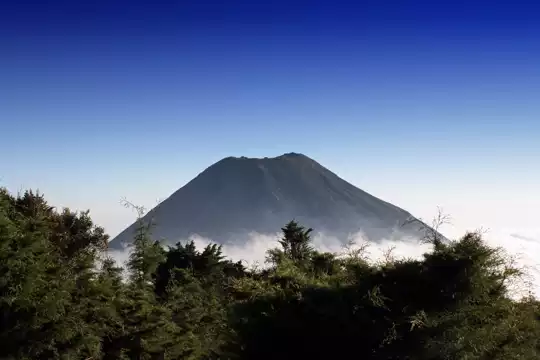
.jpg) Hi, I’m Johan (Netherlands 🇳🇱), the creator of TakeYourBackpack. Over the past 3 decades, I’ve backpacked through 90+ countries across six continents, gaining extensive experience with independent travel, long-term trips, and overland routes.
Hi, I’m Johan (Netherlands 🇳🇱), the creator of TakeYourBackpack. Over the past 3 decades, I’ve backpacked through 90+ countries across six continents, gaining extensive experience with independent travel, long-term trips, and overland routes.