v2.webp)
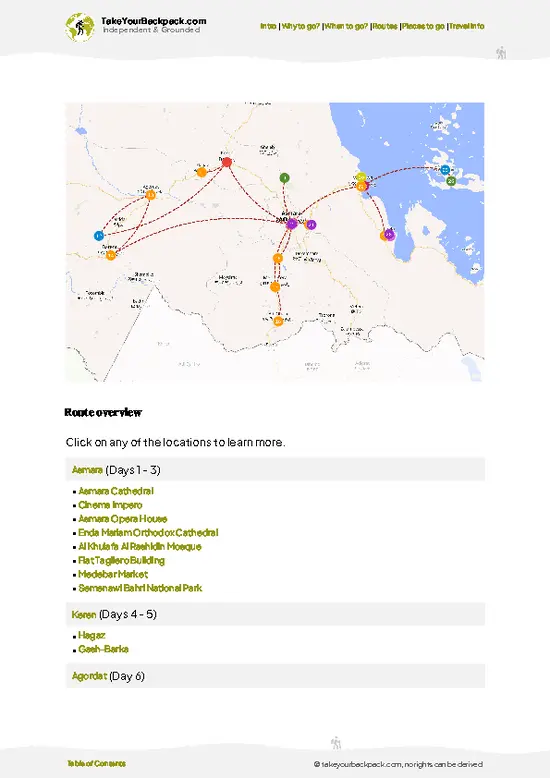
- Dahlak Kebir cisterns: Rock-cut water cisterns on the archipelago’s largest island, linked to the medieval Muslim sultanate that traded pearls here. They are the sight most visitors come to see, and they show how people lived on an island with no river.
- Dahlak Kebir Islamic cemetery: Tombstones with Kufic Arabic inscriptions, some dating back close to a thousand years. The stones lie in open ground, so you walk right up to them at your own pace.
- Dahlak Kebir village: The main settlement, with low houses, fishing boats pulled onto the sand and goats wandering the lanes. A good place to greet people and see what island life looks like away from the cameras.
- Nora (Nocra) island prison ruins: Remains of a prison built under Italian rule and later used by Ethiopia. It is a sober, quiet site, and the
- Dahlak Kebir cisterns: Rock-cut water cisterns on the archipelago’s largest island, linked to the medieval Muslim sultanate that traded pearls here. They are the sight most visitors come to see, and they show how people lived on an island with no river.
- Dahlak Kebir Islamic cemetery: Tombstones with Kufic Arabic inscriptions, some dating back close to a thousand years. The stones lie in open ground, so you walk right up to them at your own pace.
- Dahlak Kebir village: The main settlement, with low houses, fishing boats pulled onto the sand and goats wandering the lanes. A good place to greet people and see what island life looks like away from the cameras.
- Nora (Nocra) island prison ruins: Remains of a prison built under Italian rule and later used by Ethiopia. It is a sober, quiet site, and the stillness around it is part of the point.
- Dissei island: Known for its white beaches and shallow reef. This is the easiest place in the group to snorkel straight off the sand, with parrotfish and clouds of small reef fish close to shore.
- Dur Gaam island: A lesser-known island where seabirds nest in large numbers. Walk quietly and keep your distance, and you can watch colonies at close range with few other people around.
- Dohul Dahlak: A low, remote island that few travelers ever land on. Boatmen like it for calm water and good fishing, and it gives a feel of the archipelago before development.
- Open-sea reef drifts: Dives and snorkels along the outer reefs, where turtles and large schools of fish are regular sights. Local boat crews know the reef edges well, so ask them where the water is clearest that day.
Spotted a mistake or missing something? Contact us.


 Best Backpacking
.jpg) Hi, I’m Johan (Netherlands 🇳🇱), the creator of TakeYourBackpack. Over the past 3 decades, I’ve backpacked through 90+ countries across six continents, gaining extensive experience with independent travel, long-term trips, and overland routes.
Hi, I’m Johan (Netherlands 🇳🇱), the creator of TakeYourBackpack. Over the past 3 decades, I’ve backpacked through 90+ countries across six continents, gaining extensive experience with independent travel, long-term trips, and overland routes.