v2.webp)
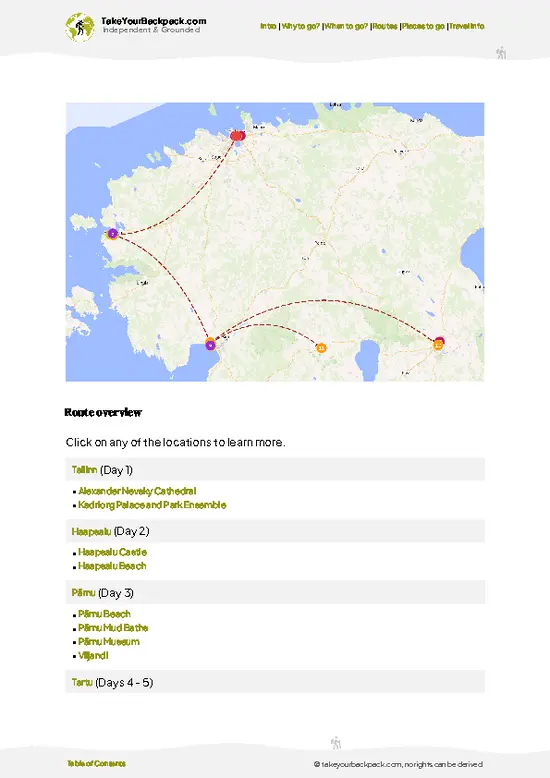
- Linaküla harbour (the ferry quay) — Where most journeys start and end on Kihnu. The harbour pulse matters: fishermen hauling nets, suitcases wobbling off the ferry, and a handful of cafés and benches where you can watch island life unfold. Great place to time arrivals for the local rhythm.
- Village lanes and traditional wooden houses — Kihnu’s villages are the real attraction: low wooden homes painted in muted reds and greys, ornate gates, and tidy vegetable plots. Walking the lanes is like stepping into a living craft museum — only the makers are still living there and will happily answer questions if you’re polite.
- Rootsiküla village green and community square — The square is where people gather for weddings, dances and impromptu music sessions in summer. It’s the social heart of the
- Linaküla harbour (the ferry quay) — Where most journeys start and end on Kihnu. The harbour pulse matters: fishermen hauling nets, suitcases wobbling off the ferry, and a handful of cafés and benches where you can watch island life unfold. Great place to time arrivals for the local rhythm.
- Village lanes and traditional wooden houses — Kihnu’s villages are the real attraction: low wooden homes painted in muted reds and greys, ornate gates, and tidy vegetable plots. Walking the lanes is like stepping into a living craft museum — only the makers are still living there and will happily answer questions if you’re polite.
- Rootsiküla village green and community square — The square is where people gather for weddings, dances and impromptu music sessions in summer. It’s the social heart of the island; if you stumble on a gathering, you’ll see the traditional skirts and hear old songs that aren’t common anywhere else.
- Sääre headland and southern shore — Open coastal meadows, wind-swept grasses and long stretches of pebbly beach perfect for birdwatching or just sitting with a thermos. The light at dusk here is quiet and wide — very different from mainland Estonian beaches.
- The island ring road (cycling route) — A compact, mostly flat circuit that threads through all four villages and the shoreline. Rent a bike, ride slowly, hop off at farm gates, and you’ll see how every household has its own knitting or weaving story. This is the best way to feel how small-community life stitches together.
- Local weaving and knitting visits (traditional handicraft sessions) — Women on Kihnu still make the striped skirts, mittens and belts that define the island’s look. Visiting a weaver’s home or workshop to watch and buy directly is an experience tied to the island’s identity — hands-on, slightly smoky from the stove, and utterly genuine.
- Family-run smokehouses and fish-drying racks (hidden gem) — Walk the shorelines and you’ll find tiny smokehouses and drying racks where locals prepare fish the old way. Many are informal and won’t be on any map, but if you ask locals politely you can taste proper island-smoked fish that you won’t forget.
- Lemsi village farmyards and back-lane gardens (hidden gem) — Quiet, less visited than Linaküla, Lemsi is where everyday island life is on full display: hens wandering, old tools hung like ornaments, and small gardens that feed families. It’s the sort of place you sit on a fence and get invited in for a cup of tea.
- Summer music and dance nights (village gatherings) — Not a formal venue, but a recurring, seasonal highlight: people bring accordions, fiddles and voices to an outdoor space and dance long into the evening. It’s raw, local, and very specific to Kihnu’s culture — chances are you won’t see the same thing elsewhere.
- Island graveyards and wooden memorial markers (hidden gem) — Small, understated cemeteries tucked behind houses and near the shore tell local histories in a compact way: wooden crosses, carved names, and family plots that speak to a seafaring past. They’re quiet, respectful places that give real context to Kihnu’s way of life.
Spotted a mistake or missing something? Contact us.


 Best Backpacking
.jpg) Hi, I’m Johan (Netherlands 🇳🇱), the creator of TakeYourBackpack. Over the past 3 decades, I’ve backpacked through 90+ countries across six continents, gaining extensive experience with independent travel, long-term trips, and overland routes.
Hi, I’m Johan (Netherlands 🇳🇱), the creator of TakeYourBackpack. Over the past 3 decades, I’ve backpacked through 90+ countries across six continents, gaining extensive experience with independent travel, long-term trips, and overland routes.