v2.webp)
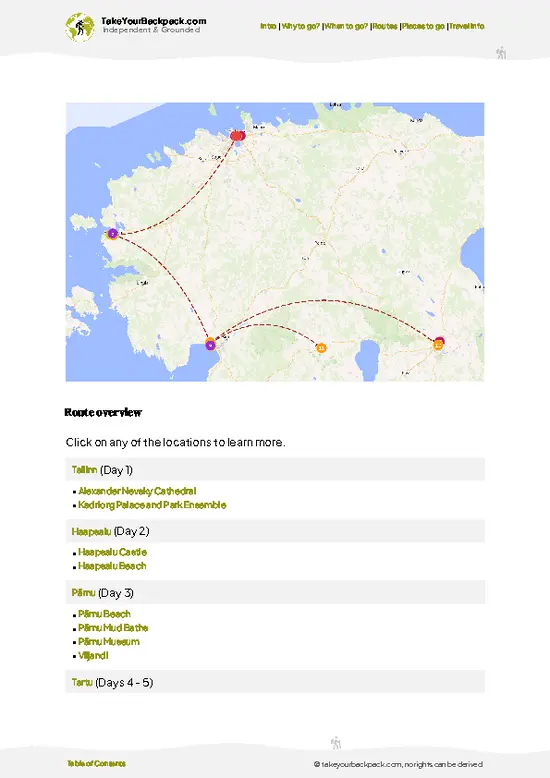
- Kuressaare Episcopal Castle — One of the best-preserved medieval island castles in the Baltics, with thick stone walls, a moat and a walkable rampart. Even if you skip the museum inside, the courtyard, towers and the way the town frames the castle give a very tangible feel for Saaremaa’s medieval past.
- Kaali Meteorite Crater Field — A cluster of impact craters in the island’s centre that look wild and otherworldly; you can walk right down into the largest bowl. It’s a geological oddity with local folk tales attached — nothing like stumbling into a sunken crater in the middle of pastoral Estonia.
- Panga Cliff — The island’s dramatic limestone escarpment on the north coast: cliffs, exposed fossils and sweeping Baltic views at sunset. It’s compact, photogenic and the best place on Saaremaa
- Kuressaare Episcopal Castle — One of the best-preserved medieval island castles in the Baltics, with thick stone walls, a moat and a walkable rampart. Even if you skip the museum inside, the courtyard, towers and the way the town frames the castle give a very tangible feel for Saaremaa’s medieval past.
- Kaali Meteorite Crater Field — A cluster of impact craters in the island’s centre that look wild and otherworldly; you can walk right down into the largest bowl. It’s a geological oddity with local folk tales attached — nothing like stumbling into a sunken crater in the middle of pastoral Estonia.
- Panga Cliff — The island’s dramatic limestone escarpment on the north coast: cliffs, exposed fossils and sweeping Baltic views at sunset. It’s compact, photogenic and the best place on Saaremaa to feel the geology under your boots.
- Sõrve Peninsula and Sõrve Lighthouse — A long, thin spit of land where barren shoreline, wartime ruins and seabird migration meet; the lighthouse marks the southernmost moodiest end. Bring windproof layers and a slow walk — the loneliness of the place is part of its appeal.
- Kiipsaare Leaning Lighthouse (hidden gem) — A surreal, half-tilted lighthouse standing out of the beach south of Sõrve after coastal erosion shifted the shoreline. It’s earned its Instagram fame, but getting there requires a walk over dunes and flats, so it still feels like a secret when the tide’s right.
- Valjala Church and Hillfort — A hulking 13th-century stone church sitting beside the remains of an ancient Estonian stronghold. The mix of pagan hillfort earthworks and fortress-like church architecture tells a compact local history you won’t easily find elsewhere.
- Salme Ship Burial Site (hidden gem) — The place where Iron-Age clinker boats and warrior burials were found; there’s a modest memorial and you can wander the surrounding fields and shoreline that yielded one of the most surprising Baltic archaeological finds. It’s low-key, quiet and haunting in the best way.
- Mullutu-Suurlaht Lagoon — Saaremaa’s big shallow lagoon and reedbeds — brilliant for birdwatching, wild sunsets and peaceful shoreline walks. It’s a different, softer kind of coast than the cliffs or open sea and a favourite spot for locals who fish and picnic.
- Traditional Saaremaa Smoke Sauna (Suitsusaun) (hidden gem) — Doing a real smoke sauna with local hosts (not a tourist spa) is a deep island tradition: low heat, aromatic smoke and a very particular cooling-off routine. It’s social, earthy and the kind of cultural practice you can’t replicate just anywhere.
- Kuressaare Old Town and Spa Park — The compact, walkable centre around the castle with cobbled streets, wooden houses, little cafés and an old spa park lined with trees. It’s the island’s living hub — easy to wander, good for tasting local bread and picking up the rhythm of Saaremaa life.
Spotted a mistake or missing something? Contact us.

 Best Backpacking
.jpg) Hi, I’m Johan (Netherlands 🇳🇱), the creator of TakeYourBackpack. Over the past 3 decades, I’ve backpacked through 90+ countries across six continents, gaining extensive experience with independent travel, long-term trips, and overland routes.
Hi, I’m Johan (Netherlands 🇳🇱), the creator of TakeYourBackpack. Over the past 3 decades, I’ve backpacked through 90+ countries across six continents, gaining extensive experience with independent travel, long-term trips, and overland routes.