v2.webp)

- Osmussaar lighthouse and keeper’s houses — The island’s visual anchor: a weather-beaten lighthouse you can walk up to and the ruins/remaining houses of the keepers. Great for close-up sea-air views, imagining life on an exposed Baltic outpost and watching ships pass on clear days.
- Glacial erratics and limestone cliffs — Big, ancient boulders scattered across the shore and low limestone cliffs make the geology here obvious and dramatic. It’s a playground for slow wanderers who like odd rock shapes, fossil peeks and tactile landscape photography you won’t get on sandy beaches.
- Spring and autumn migration watchpoints — Osmussaar sits on a real bird-migration corridor. Walk the headlands at dawn or dusk in migration seasons and you’ll see concentrations of sea ducks, terns and passerines —
- Osmussaar lighthouse and keeper’s houses — The island’s visual anchor: a weather-beaten lighthouse you can walk up to and the ruins/remaining houses of the keepers. Great for close-up sea-air views, imagining life on an exposed Baltic outpost and watching ships pass on clear days.
- Glacial erratics and limestone cliffs — Big, ancient boulders scattered across the shore and low limestone cliffs make the geology here obvious and dramatic. It’s a playground for slow wanderers who like odd rock shapes, fossil peeks and tactile landscape photography you won’t get on sandy beaches.
- Spring and autumn migration watchpoints — Osmussaar sits on a real bird-migration corridor. Walk the headlands at dawn or dusk in migration seasons and you’ll see concentrations of sea ducks, terns and passerines — a small-boat-free birdwatching thrill that feels very local.
- Ruins of the old fishermen’s village and the island cemetery (hidden gem) — Scattered stone foundations, crooked fences and an intimate cemetery with old gravestones tell the human story of the island’s former residents. Quiet, slightly eerie and deeply atmospheric — most day-trippers breeze past but lingerers get the best stories.
- Soviet-era military remains — Concrete bunkers, gun positions and service-ruins left from Cold War days. They’re raw, photogenic and give a clear sense of the strategic importance small Baltic islands once had. Explore carefully and respectfully; they’re part of the island’s layered history.
- Pebble beaches and amber-hunting stretches (hidden gem) — The beaches here are pebble- and cobble-dominated, which means pockets of washed-up amber, unusual driftwood and stacked sea glass after storms. Great for slow beachcombing — bring a cloth bag and patience.
- Coastal meadows and rare plant pockets — Small open meadows and limestone outcrops host an odd mix of coastal and north-facing alpine plants; you’re likely to spot species that are scarce on the mainland. Botanical variety is one of the quiet reasons people keep coming back.
- Shoreline wrecks and coastal archaeology — Pieces of wreckage and the remains of old shore installations lie within easy sight from the coast. You can inspect weathered iron and timbers and get a tactile sense of the shipping history that surrounds the island — just don’t remove anything.
- Island high point panorama and sunset ridge — Climb the island’s highest ridge for a clean, 360º view over the Baltic: neighboring skerries, migrating flocks and dramatic sunsets. It’s basic, unbeatable, and a perfect end-of-day ritual on Osmussaar.
- Tucked-away coves, tiny bays and the local landing jetty (hidden gem) — Explore the small coves that only appear on foot or by a short dinghy hop. They’re calm, sheltered and excellent for a private picnic, a quick swim in warm hours, or chatting with boat crews who still land here — very local, very real.
Spotted a mistake or missing something? Contact us.

Tallinn Medieval Photo

Estonian cuisine Cooking Class

Go West – Private 1 Day Trip to West Coast

Tales of Reval - The Immersive Old Town Tour

Tallinn Old Town Private Walking Tour with Native Estonian Guide

Tallinn Winter Bike Tour with Cafe Stop

Guided Tallinn Old Town Walking Tour

Soviet Tallinn and Cold War Private Walking Tour

Tallinn Top Attractions and Viimsi Open Air Museum


 Best Backpacking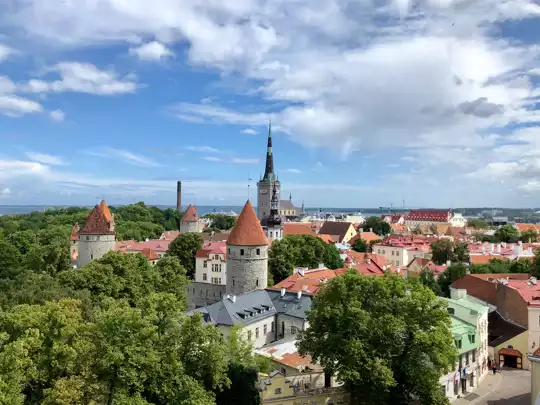
.jpg) Hi, I’m Johan (Netherlands 🇳🇱), the creator of TakeYourBackpack. Over the past 3 decades, I’ve backpacked through 90+ countries across six continents, gaining extensive experience with independent travel, long-term trips, and overland routes.
Hi, I’m Johan (Netherlands 🇳🇱), the creator of TakeYourBackpack. Over the past 3 decades, I’ve backpacked through 90+ countries across six continents, gaining extensive experience with independent travel, long-term trips, and overland routes.