×

Ethiopia🇪🇹 | citiesAwassaLake Awassa, fish market, lakeside parks | things to do and best time to go

Explore ShashamaneExplore Adama

Backpacking in Awassa
🌟 Highlightcity ranked #7
By Johan Kruseman 🇳🇱 | Updated June 19, 2026

Most travelers expect Awassa to be a sleepy lakeside town, but here’s the twist: it’s one of Ethiopia’s liveliest cities after dark, with a street food scene that rivals Addis Ababa for sheer energy and late-night bargaining. Awassa sits in the Southern Nations, Nationalities, and Peoples’ Region, hugging the shores of Lake Awassa—a freshwater lake that’s as much a social hub as a natural wonder. For backpackers, Awassa is a paradox: it’s affordable, easy to navigate, and generally safe, but it’s not the place for ancient ruins or grand museums. Instead, you get bustling fish markets at sunrise, the lakeside Amora Gedel park (where monkeys will absolutely try to steal your snacks), and a nightlife that’s surprisingly social for a city this size. It’s friendlier and more relaxed than Shashamene or Hawassa’s northern neighbors, but don’t expect a backpacker bubble—meeting fellow travelers takes effort, and the real reward is blending in with locals over spicy kitfo or a lakeside St. George beer.

Discover everything you want to know in the 📖 Ethiopia Travel Guide.
Safety warning

The current risk level for Ethiopia is high. Check the advice before going.


Get your Ethiopia guide
101 ranked highlights, routes & tips, works offline (395 pages)
Loading the map 🌍
CLICK TO FILTER
cities
towns
landmarks
national parks
hikes
attractions
festivals
regions
SHOW COUNTRY’S BESTSHOW ALL

✨ Why go?
Ranked #7 city in Ethiopia
Reasons people choose to visit here

Awassa is a backpacker’s strategic hub in Ethiopia, offering a blend of affordability and accessibility that makes it a smart stop on your journey. The hostels here are budget-friendly and often buzzing with fellow travelers, creating a communal vibe that’s hard to beat. You’ll find delicious local food at every corner, from street vendors to cozy cafes, making it easy to fuel up without breaking the bank.

The city is walkable, allowing you to soak in the local culture as you explore. Plus, it serves as a fantastic basecamp for day trips to nearby attractions, maximizing your time without the hassle of constant packing and unpacking.

When the sun sets, the nightlife offers a mix of chill spots and lively bars, perfect for unwinding after a day of exploration. With easy onward travel options, … read more 👉
Awassa is a backpacker’s strategic hub in Ethiopia, offering a blend of affordability and accessibility that makes it a smart stop on your journey. The hostels here are budget-friendly and often buzzing with fellow travelers, creating a communal vibe that’s hard to beat. You’ll find delicious local food at every corner, from street vendors to cozy cafes, making it easy to fuel up without breaking the bank.

The city is walkable, allowing you to soak in the local culture as you explore. Plus, it serves as a fantastic basecamp for day trips to nearby attractions, maximizing your time without the hassle of constant packing and unpacking.

When the sun sets, the nightlife offers a mix of chill spots and lively bars, perfect for unwinding after a day of exploration. With easy onward travel options, Awassa fits seamlessly into a broader backpacking route, making it a worthwhile stop rather than just a fleeting visit.
Want to include Awassa in your Ethiopia route?
Create a personalized Ethiopia itinerary that includes Awassa and the places that fit your trip — based on your travel style, budget, and available time. Get your route in seconds.

Generate my trip

💡 HighlightsPlaces and moments you shouldn't skip

  • Lake Hawassa (the lakeshore and boat trips) — The obvious heart of the city: expansive shoreline, shallow islands and reed beds, and cheap local boat trips. Go for early-morning birdlife, a slow afternoon boat to the islands, and the calm of sunset when the lakeside cafés fill up.
  • Hawassa Lakeside Promenade (Sunset Park) — A laid-back stretch along the water where locals gather to stroll, eat, and watch the light change on the lake. Great for people-watching, grabbing grilled fish, and snagging prime sunset photos without needing a guide.
  • Hawassa Fish Market (lakeside market) — Raw, noisy and full of flavor: watch fishermen land tilapia, haggle over prices, then have your catch grilled at one of the nearby stalls. It’s an immediate, very local experience of the city’s food economy.
  • Hawassa
read more 👉
  • Lake Hawassa (the lakeshore and boat trips) — The obvious heart of the city: expansive shoreline, shallow islands and reed beds, and cheap local boat trips. Go for early-morning birdlife, a slow afternoon boat to the islands, and the calm of sunset when the lakeside cafés fill up.
  • Hawassa Lakeside Promenade (Sunset Park) — A laid-back stretch along the water where locals gather to stroll, eat, and watch the light change on the lake. Great for people-watching, grabbing grilled fish, and snagging prime sunset photos without needing a guide.
  • Hawassa Fish Market (lakeside market) — Raw, noisy and full of flavor: watch fishermen land tilapia, haggle over prices, then have your catch grilled at one of the nearby stalls. It’s an immediate, very local experience of the city’s food economy.
  • Hawassa Central Market (Merkato) — A bustling market district where you’ll find coffee, spices, textiles, and everyday household goods. It’s the best place to see how locals shop, sample snacks, and buy inexpensive souvenirs if you don’t mind weaving through crowds.
  • Hawassa University campus and botanical gardens — Wide green spaces, shaded walks and a quieter slice of city life. The campus is a good place to meet students, see local research displays (ask at the department offices) and enjoy the small botanical collection and ponds without paying an entrance fee.
  • Awassa Kenema Stadium (matchday atmosphere) — Catching a Hawassa City S.C. match is a raw, loud, local cultural experience: brass horns, chants, and real passion. Even if you’re not into football, the crowd energy gives you a feel for everyday civic life.
  • Tabor Hill viewpoint and surrounding neighborhood — A short climb (or taxi) gets you a tidy view over the lake and city. The neighborhood below has small cafés and churches; the vantage point is especially worth it at dawn or dusk.
  • Regional cultural events and small performance venues — Hawassa hosts rotating cultural shows, live music nights and occasional regional festivals that showcase Sidama and other southern groups’ music and dance. Check local noticeboards or ask your guesthouse—these pop up often and are memorable.
  • Local coffee houses and coffee-ceremony spots — In Hawassa, sitting for a traditional coffee ceremony is a social thing, not just a caffeine stop. Choose a busy neighborhood café to watch the roasting, inhale the cardamom, and chat with locals; it’s a compact cultural immersion.
  • Community arts and craft stalls (Tabor/market fringes) — Small cooperatives and street vendors sell woven goods, baskets, and handcrafts from the region. The pieces are genuine, the sellers are local artisans, and bargaining here is straightforward and part of the exchange.
A few excellent day trips from Hawassa: Wondo Genet (hot springs and mountain forest), Nechisar National Park and Arba Minch (big landscapes and boat safaris), and the Rift Valley lakes like Ziway for more birding—Wondo Genet is my personal favorite for an easy, scenic escape.
Spotted a mistake or missing something? Contact us.
🏘️ NeighborhoodsUnderstanding the local layout

Awassa is a vibrant hub in Ethiopia, offering a mix of culture, nature, and local life. Here’s how different neighborhoods stack up for backpackers:

Lake Awassa Area: This is the heart of the city, where you can soak in stunning lake views. It’s walkable, with plenty of budget-friendly guesthouses and eateries. The vibe is lively, especially at sunset when locals gather. Ideal for short stays, you’ll find easy access to boat rides and fish markets.

Meskel Square: A central point for transport, this area buzzes with activity. It’s a bit chaotic, but you’ll find affordable accommodations and local shops. The nightlife is more subdued here, making it suitable for those who prefer a quieter experience. Perfect for longer stays, as you can easily explore the city from this hub.

Shashemene Road: … read more 👉
Awassa is a vibrant hub in Ethiopia, offering a mix of culture, nature, and local life. Here’s how different neighborhoods stack up for backpackers:

Lake Awassa Area: This is the heart of the city, where you can soak in stunning lake views. It’s walkable, with plenty of budget-friendly guesthouses and eateries. The vibe is lively, especially at sunset when locals gather. Ideal for short stays, you’ll find easy access to boat rides and fish markets.

Meskel Square: A central point for transport, this area buzzes with activity. It’s a bit chaotic, but you’ll find affordable accommodations and local shops. The nightlife is more subdued here, making it suitable for those who prefer a quieter experience. Perfect for longer stays, as you can easily explore the city from this hub.

Shashemene Road: This neighborhood offers a more laid-back atmosphere, with a mix of local cafes and shops. It’s slightly less touristy, giving you a taste of everyday life. Transport options are decent, but you might need to walk a bit more. Great for those wanting to immerse themselves in local culture for a longer period.

Hawassa University Area: Home to a youthful crowd, this area has a vibrant energy. It’s walkable, with plenty of affordable dining options. The nightlife is lively, thanks to students, making it ideal for social backpackers. Perfect for both short and longer stays, you’ll feel the pulse of the city here.

⌛️ 1 daySeeing the highlights in 24 hours

Awassa, a vibrant lakeside city in Ethiopia, pulses with life and culture. Nestled along the shores of Lake Awassa, it’s a hub for local fish markets, coffee ceremonies, and stunning sunsets. The blend of nature and community makes it a perfect spot for a day of exploration.

Start your morning at the bustling Awassa Fish Market. The air is filled with the scent of fresh catch, and the energy is contagious. Watch local fishermen display their daily haul, and don’t miss the chance to grab a breakfast of fried fish paired with spicy sauce from a nearby vendor. It’s a delicious way to dive into local flavors.

After breakfast, stroll along the lakefront promenade. The views are captivating, with birds soaring overhead and locals enjoying their morning routines. Head towards the nearby Sidamo … read more 👉
Awassa, a vibrant lakeside city in Ethiopia, pulses with life and culture. Nestled along the shores of Lake Awassa, it’s a hub for local fish markets, coffee ceremonies, and stunning sunsets. The blend of nature and community makes it a perfect spot for a day of exploration.

Start your morning at the bustling Awassa Fish Market. The air is filled with the scent of fresh catch, and the energy is contagious. Watch local fishermen display their daily haul, and don’t miss the chance to grab a breakfast of fried fish paired with spicy sauce from a nearby vendor. It’s a delicious way to dive into local flavors.

After breakfast, stroll along the lakefront promenade. The views are captivating, with birds soaring overhead and locals enjoying their morning routines. Head towards the nearby Sidamo Cultural Center, where you can immerse yourself in the region’s rich heritage. The center often hosts traditional music and dance performances, offering a glimpse into the local culture.

In the afternoon, make your way to the nearby Abijatta-Shalla National Park. It’s a short drive but feels worlds away. Here, you can hike through diverse landscapes and spot flamingos at Lake Shalla. This park is often overlooked by tourists, but it’s a serene escape that showcases Ethiopia’s natural beauty.

As evening approaches, return to Awassa and find a cozy lakeside café. Sip on freshly brewed Ethiopian coffee while watching the sunset paint the sky. The vibrant colors reflecting on the water create a perfect end to your day.

Awassa may not be on every tourist’s radar, but its charm lies in the authentic experiences waiting to be discovered. Embrace the rhythm of the city, and you’ll leave with memories that linger long after you’ve gone.
Turn your Awassa visit into an Ethiopia adventure
Build a complete Ethiopia route with Awassa, hidden gems, must-see destinations, and realistic travel times included.

Generate my trip

🌤️ When to go?Weather, crowds, and seasonal trade-offs


  • Topic: Weather and Temperature — Awassa’s dry season from October to February offers clear skies and mild temperatures, averaging 20-25°C (68-77°F). The rainy season, March to September, brings heavy showers and humidity, often making trails slippery and less enjoyable.

  • Topic: Daylight Hours — Near the equator, Awassa enjoys fairly consistent daylight year-round, roughly 12 hours daily. This steadiness means you won’t lose precious hiking or exploring time to short days, regardless of when you visit.

  • Topic: Crowds — Tourist flow peaks during the dry season, especially December and January, when international visitors flock to Ethiopia. For a quieter experience, aim for shoulder months like October or February, balancing good weather with fewer people.

  • Topic: Seasonal Activities
read more 👉

  • Topic: Weather and Temperature — Awassa’s dry season from October to February offers clear skies and mild temperatures, averaging 20-25°C (68-77°F). The rainy season, March to September, brings heavy showers and humidity, often making trails slippery and less enjoyable.

  • Topic: Daylight Hours — Near the equator, Awassa enjoys fairly consistent daylight year-round, roughly 12 hours daily. This steadiness means you won’t lose precious hiking or exploring time to short days, regardless of when you visit.

  • Topic: Crowds — Tourist flow peaks during the dry season, especially December and January, when international visitors flock to Ethiopia. For a quieter experience, aim for shoulder months like October or February, balancing good weather with fewer people.

  • Topic: Seasonal Activities — The dry months are prime for lake activities, birdwatching, and trekking nearby hills. The rainy season, while lush and green, limits outdoor options and can disrupt transport schedules.

  • Topic: Price Fluctuations — Accommodation and local tours spike in the dry season due to demand. Visiting just before or after this peak can save you 20-30% without sacrificing comfort or access.


Pro-tip: Target late October or early February for the smartest balance of weather, crowd size, and cost—this is when Awassa feels like it’s yours to explore, not just another stop on the tourist trail.


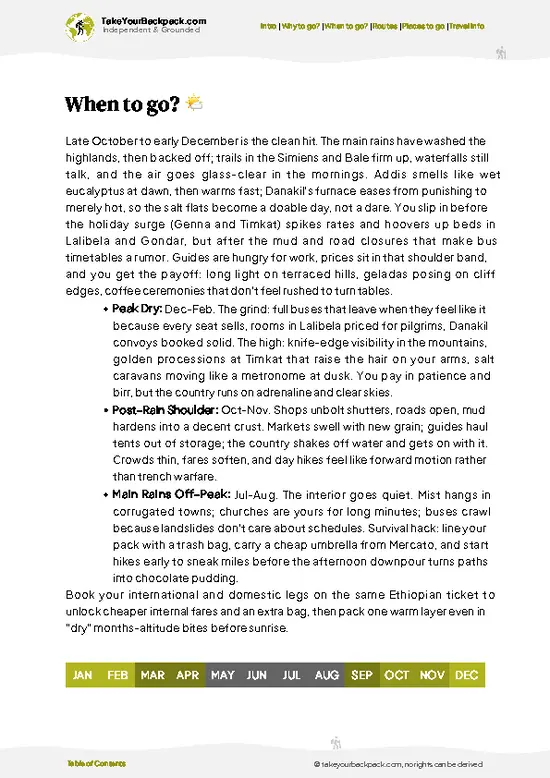
source: climatestotravel.comJANJanuary: highly recommended for travelingFEBFebruary: excellent for travelingMARMarch: fair for travelingAPRApril: fair for travelingMAYMay: fair for travelingJUNJune: fair for travelingJULJuly: fair for travelingAUGAugust: fair for travelingSEPSeptember: fair for travelingOCTOctober: excellent for travelingNOVNovember: highly recommended for travelingDECDecember: highly recommended for traveling
when-to-go

✈️ The backpacker research shortcutEthiopia Travel Guide

An offline-friendly backpacking guide with optimized travel routes, ranked highlights, transport advice, and the best areas to stay.
example page 0 from our offline Travel Guide for Ethiopia
example page 1 from our offline Travel Guide for Ethiopia
example page 2 from our offline Travel Guide for Ethiopia
example page 3 from our offline Travel Guide for Ethiopia
example page 4 from our offline Travel Guide for Ethiopia
example page 5 from our offline Travel Guide for Ethiopia
example page 6 from our offline Travel Guide for Ethiopia
example page 7 from our offline Travel Guide for Ethiopia
The digital guide (395 pages) contains:
101 highlights, ranked by travel appeal
Optimized 7, 14 & 21-day travel routes
Cities, national parks, landmarks, beaches
How to get around
Offline-friendly for travel without Wi-Fi
👉 Click to see all 30+ guide features

📅 Plan smarter in minutes, not weeks
Month by month travel advice
Festivals & national holidays
Budget expectations

🗺️ Go to the right places, skip the overrated ones
Honest pros & cons of destinations
Top hikes, parks & viewpoints
Lesser-known places most travelers miss
Clear “worth it vs skip it” guidance

🛏️ Travel smoothly without rookie mistakes
Best areas to stay
Transport systems explained simply
Common scams & safety advice
SIM cards, money & practical tips

🌍 Understand the country, not just visit it
Culture & traditions
52 Essential phrases & customs
Festivals worth planning around
Traveler-friendly historical context
Insights that make places more meaningful

📱 Built for real travel conditions
Fully downloadable PDF
Works completely offline
Optimized for phone use
Useful in remote areas & buses
Everything in one place
Save weeks of stressful planning
Get instant access to your full guide. 30‑day money-back guarantee.


By proceeding you agree to our terms.
Sent to your inbox immediately after payment • 100% Secure Checkout
Best Backpacking Travel Advisor 2025 tourism awardBest Backpacking
Travel Advisor
2025
What others say about Take Your Backpack Guides:
⭐⭐⭐⭐⭐
Fantastic, amazing amount of information!
⭐⭐⭐⭐⭐
My goodness this is amazing, it's what I've been looking for hats off too you!
⭐⭐⭐⭐⭐
I think this is absolutely BRILLIANT
⭐⭐⭐⭐
Very complete and informative. It's still missing places, but I gotta to commend you
⭐⭐⭐⭐⭐
This is truly amazing, thank you, can't wait to explore it with my kids!
⭐⭐⭐⭐⭐
Awesome resource, thank you!
⭐⭐⭐⭐⭐
This is amazing! Can't wait to explore the ones I haven't seen
⭐⭐⭐⭐
I love this! Well done, great idea.
⭐⭐⭐⭐⭐
Thanks for taking the time to make this gem!
⭐⭐⭐⭐⭐
This might be the best website I've ever seen.
⭐⭐⭐⭐⭐
Congratulations, and thank you so much for your work; it's incredibly valuable.
⭐⭐⭐⭐
In all seriousness I think you did a great job pointing out the important spots
⭐⭐⭐⭐⭐
10/10 very good
⭐⭐⭐⭐⭐
As someone who's only just starting to visit regularly this is awesome, thank you.
⭐⭐⭐⭐
Thank you very much! I'm going to visit my dad, it's going to be very useful!
⭐⭐⭐⭐⭐
This is really cool! We'll be travelling for the first time and this definitely come in handy.
⭐⭐⭐⭐⭐
You are now our minister of culture, congratulations 👨‍💼
⭐⭐⭐⭐⭐
Just wanted to tell you that this is a pearl! Going to follow your recommendations.
⭐⭐⭐⭐⭐
This is so cool. I'll definitely be using the resource for my travels soon.
⭐⭐⭐⭐⭐
This is very impressive! Good work.
⭐⭐⭐⭐⭐
This is an amazing and informative site. Very well done!

🛏️ Where to stay?Best areas and accommodation options

In Awassa, the sweet spot for backpackers is the area around the lakeshore, especially near the main market and the university zone. This neighborhood strikes a rare balance: it’s safe enough to wander after dark, lively enough to meet other travelers, and affordable enough to keep your budget intact. You’ll find a handful of hostels and guesthouses here, catering to solo adventurers and budget travelers who want to trade the sterile hotel experience for something more authentic.

Compared to the quieter, more residential districts farther from the lake, this area pulses with local life—street … read more 👉
In Awassa, the sweet spot for backpackers is the area around the lakeshore, especially near the main market and the university zone. This neighborhood strikes a rare balance: it’s safe enough to wander after dark, lively enough to meet other travelers, and affordable enough to keep your budget intact. You’ll find a handful of hostels and guesthouses here, catering to solo adventurers and budget travelers who want to trade the sterile hotel experience for something more authentic.

Compared to the quieter, more residential districts farther from the lake, this area pulses with local life—street vendors, cafés, and the occasional impromptu music session. It’s social without being overwhelming, which is a rare find in a city where transport options can eat up your time. Staying here means you’re not sacrificing comfort for cost; you get a genuine vibe and easy access to the city’s main attractions without the hassle of long commutes or sketchy neighborhoods. In Awassa, location isn’t just about convenience—it’s about plugging into the city’s rhythm while keeping your backpacker instincts sharp.

🚌 Getting aroundHow to get around Awassa

Awassa moves at its own rhythm—a blend of deliberate pace and bursts of spontaneous energy. It’s not a city where you’ll find strict timetables etched in stone, but rather a place where intuition and local knowledge steer your journey. The flow here is organic, shaped by the hum of markets, the chatter of locals, and the occasional honk of a bajaj weaving through narrow streets. If you want to master Awassa’s transit game, you need to think less about rigid schedules and more about reading the pulse of the city. Your choices will always be a trade-off between time, money, and comfort, and knowing exactly what you’re giving up is how you win.


  • Walking: The most reliable and cost-free way to get around Awassa’s compact center. It’s slow but lets you soak in the city’s vibe, from lakeside
read more 👉
Awassa moves at its own rhythm—a blend of deliberate pace and bursts of spontaneous energy. It’s not a city where you’ll find strict timetables etched in stone, but rather a place where intuition and local knowledge steer your journey. The flow here is organic, shaped by the hum of markets, the chatter of locals, and the occasional honk of a bajaj weaving through narrow streets. If you want to master Awassa’s transit game, you need to think less about rigid schedules and more about reading the pulse of the city. Your choices will always be a trade-off between time, money, and comfort, and knowing exactly what you’re giving up is how you win.


  • Walking: The most reliable and cost-free way to get around Awassa’s compact center. It’s slow but lets you soak in the city’s vibe, from lakeside views to street vendors. Expect 15-30 minutes between major spots, depending on your pace and the heat.

  • Bajaj (Three-Wheelers): These are everywhere and your go-to for short hops. Prices hover around 10-20 ETB per ride, negotiable if you’re savvy. Bajajs are quick through traffic but can be cramped and noisy—comfort takes a backseat here. No fixed schedule; flag one down anytime.

  • Minibus Taxi: The backbone of Awassa’s public transit for longer distances within and just outside the city. Fares range from 15-30 ETB. They run frequently but only leave once full, so expect some waiting. It’s a budget-friendly option if you don’t mind standing room and a bit of chaos.

  • Private Car Hire: For those who value comfort and speed, renting a car or hiring a driver is the way to go. Costs start around 800 ETB per day, but you gain flexibility and air conditioning—luxuries in Awassa’s heat. Best for day trips or tight schedules.


Understanding these options is your first step to playing Awassa’s transit system like a pro. You’re balancing the clock, your wallet, and how much you’re willing to sacrifice comfort. Each choice shapes your experience, so pick with purpose.

👛 Costs (as of 24 June 2026)Money, prices, and spending tips

Backpacking in Awassa, Ethiopia, is a study in balancing your budget without sacrificing the experience. Here’s how the daily costs typically break down for an independent traveler navigating this vibrant city.
  • Dorm Accommodation (High Season): Expect to pay around $8 to $12 per night. High season can push prices up slightly due to demand, but dorms remain basic and functional, often with shared bathrooms and modest amenities.
  • Dorm Accommodation (Off-Season): Prices drop to about $5 to $8 per night. Off-season travelers can snag quieter, cheaper spots, though the quality and availability might vary more.
  • Meals: Local eateries serve filling meals for $2 to $4 each. Breakfasts tend to be cheaper, while dinner might edge higher if you opt for meat or more elaborate dishes. Street food is a
read more 👉
Backpacking in Awassa, Ethiopia, is a study in balancing your budget without sacrificing the experience. Here’s how the daily costs typically break down for an independent traveler navigating this vibrant city.
  • Dorm Accommodation (High Season): Expect to pay around $8 to $12 per night. High season can push prices up slightly due to demand, but dorms remain basic and functional, often with shared bathrooms and modest amenities.
  • Dorm Accommodation (Off-Season): Prices drop to about $5 to $8 per night. Off-season travelers can snag quieter, cheaper spots, though the quality and availability might vary more.
  • Meals: Local eateries serve filling meals for $2 to $4 each. Breakfasts tend to be cheaper, while dinner might edge higher if you opt for meat or more elaborate dishes. Street food is a reliable budget saver.
  • Local Transport: Minibus rides within the city typically cost between $0.10 and $0.30 per trip. It’s a no-frills, efficient way to get around, but expect crowded conditions and irregular schedules.
  • City Transport Pass: Awassa doesn’t have a formal city transport pass system. Budgeting for individual rides is necessary, so factor in about $1 to $2 daily if you plan multiple trips.
  • Basic Activities/Entry Fees: Visiting local attractions or parks usually costs $1 to $3. Many cultural sites are affordable, but some natural reserves or guided tours can push higher.
  • Miscellaneous Expenses: Budget $1 to $3 for essentials like bottled water, snacks, or small tips. These add up but remain manageable with a bit of planning.

All told, you’re looking at roughly $10 to $20 per day to cover the essentials in Awassa. This range gives you flexibility—lean toward the lower end by sticking to off-season dorms and street food, or push closer to $20 if you want a bit more comfort or plan to explore more activities. The key is knowing where your money goes so you can decide what’s worth the splurge and what’s better saved for the next adventure.


source: ethiopia.travel
⚠️ Prices can change and everyone travels differently, so take this as a rough guide. Hope it helps you plan your adventure!

🚌 Day tripsEasy escapes and nearby places

Awassa is a fantastic launchpad for day trips that reveal the heart of Ethiopia. With its vibrant culture and stunning landscapes, you can easily explore the surrounding gems without breaking the bank.

Lake Awassa
Just a stone’s throw from the city, Lake Awassa is a serene escape. Spend your morning watching fishermen cast their nets, then grab a coffee at one of the lakeside cafes. The best part? You can stroll along the shore, soaking in the local vibe. Expect to spend around 30 minutes getting there, and budget about $5 for a meal. Early mornings are ideal for birdwatching, so don’t miss the chance to see pelicans and kingfishers in action. A common mistake? Forgetting to bring your camera; the sunrise here is a sight to behold.


Dilla
About an hour away, Dilla offers a taste of … read more 👉
Awassa is a fantastic launchpad for day trips that reveal the heart of Ethiopia. With its vibrant culture and stunning landscapes, you can easily explore the surrounding gems without breaking the bank.

Lake Awassa
Just a stone’s throw from the city, Lake Awassa is a serene escape. Spend your morning watching fishermen cast their nets, then grab a coffee at one of the lakeside cafes. The best part? You can stroll along the shore, soaking in the local vibe. Expect to spend around 30 minutes getting there, and budget about $5 for a meal. Early mornings are ideal for birdwatching, so don’t miss the chance to see pelicans and kingfishers in action. A common mistake? Forgetting to bring your camera; the sunrise here is a sight to behold.


Dilla
About an hour away, Dilla offers a taste of local life. Known for its coffee, this town is a must-visit for caffeine enthusiasts. You can visit coffee farms and learn about the brewing process firsthand. Total costs will hover around $10, including transport and a coffee tasting. The rainy season can muddy the roads, so aim for the dry months from November to March. Many first-timers overlook the chance to engage with local farmers, which can lead to some of the most enriching experiences.
👉 Explore Dilla

Bale Mountains National Park
For the adventurous, a day trip to Bale Mountains is a game-changer. It’s about a two-hour drive, but the breathtaking landscapes and unique wildlife make it worth every minute. Expect to pay around $15 for transport and park fees. The best time to visit is during the dry season, from October to March, when trails are more accessible. A common pitfall? Underestimating the weather; pack layers, as it can get chilly at higher elevations.


Hawassa Fish Market
Dive into the local culture at the Hawassa Fish Market, where the hustle and bustle is palpable. Just a quick 10-minute ride from the city center, you can witness the vibrant exchange between fishermen and vendors. Budget about $3 for a snack while you’re there. Mornings are best for the freshest catch and lively atmosphere. Many newcomers miss out on trying the grilled fish; it’s a local delicacy you won’t want to skip.
Want to know what more Ethiopia offers?
The Ethiopia Travel Guide describes 101 highlights, from cities to national parks, from beaches to hikes

Get the Travel Guide -

🍲 FoodEating & Drinking in Awassa

In Awassa, food and drinks are a vibrant tapestry of flavors and social connections. You can’t miss trying injera, the spongy sourdough flatbread that serves as both plate and utensil. Pair it with doro wat, a spicy chicken stew that packs a punch, or shiro, a rich chickpea dish that’s a staple for many locals. The aroma of spices wafts through the air, drawing you into bustling markets where vendors serve up steaming portions.

Street food is where the magic happens. Grab a plate from a vendor and join the locals, sharing stories and laughter. You’ll find kitfo, raw minced meat seasoned with spices, often served with a side of fresh greens. It’s a communal experience, where sharing food is a sign of friendship.

When it comes to drinks, don’t overlook tej, a homemade honey wine that’s sweet … read more 👉
In Awassa, food and drinks are a vibrant tapestry of flavors and social connections. You can’t miss trying injera, the spongy sourdough flatbread that serves as both plate and utensil. Pair it with doro wat, a spicy chicken stew that packs a punch, or shiro, a rich chickpea dish that’s a staple for many locals. The aroma of spices wafts through the air, drawing you into bustling markets where vendors serve up steaming portions.

Street food is where the magic happens. Grab a plate from a vendor and join the locals, sharing stories and laughter. You’ll find kitfo, raw minced meat seasoned with spices, often served with a side of fresh greens. It’s a communal experience, where sharing food is a sign of friendship.

When it comes to drinks, don’t overlook tej, a homemade honey wine that’s sweet and potent. Sipping it in a casual café or bar, you’ll feel the warmth of Ethiopian hospitality. Remember, it’s customary to offer a toast before drinking, a gesture that deepens connections. Embrace the local customs, and you’ll find that every bite and sip tells a story.

🛡️ SafetyStaying Safe: What Travelers Should Know

Awassa is generally safe, but like any city, it has its quirks. Stay aware in crowded markets, especially around the fish market where the hustle can distract you. Keep your belongings close; petty theft can happen, though it’s not rampant.

If you’re traveling solo, avoid wandering too far from well-lit areas after dark. The lakeside promenade is lively in the evening, but stick to populated spots.

Scams are rare, but be cautious of overly friendly locals who might offer unsolicited help. They may expect a tip or try to lead you to shops where they earn a commission.

Carry yourself confidently. A relaxed demeanor often disarms potential annoyances. Engage with locals, but trust your instincts. If something feels off, it’s okay to walk away. Enjoy the vibrant culture, but stay sharp.

Other Ethiopian cities near Awassa

Explore more nearby:

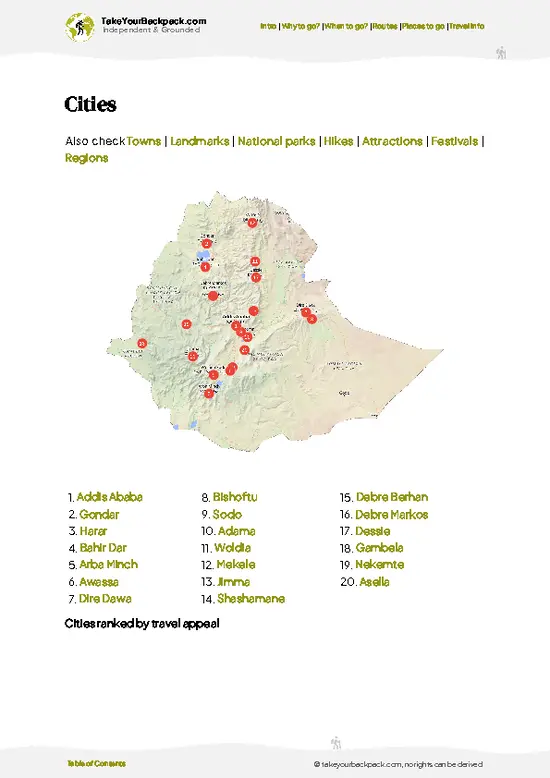
  • Shashamane—Rastafarian community, multicultural markets, Rift Valley location| 20 km away
  • Sodo—Wolaita plateau, university town, regional commerce| 83 km away
  • Asella—Bale Mountains access, barley fields, cool climate| 123 km away

💡 Not sure where to go next?
Create a personalized itinerary for Ethiopia including Awassa and the places that fit your trip.

Generate my itinerary

👉 Discover all cities

Or checkout all Ethiopia has to offer (think cities, towns, villages, national parks, hikes, beaches, festivals)
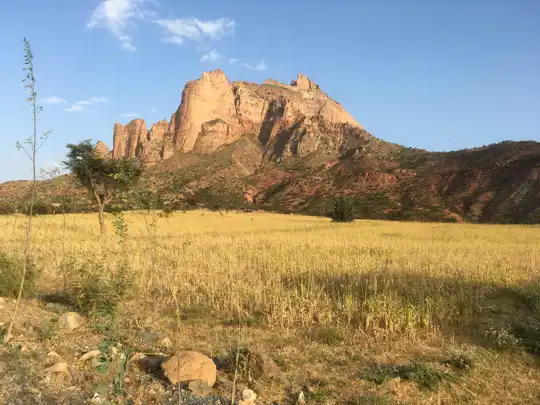
Country photo of Ethiopia

We 💚 feedbackKey takeaways before you go

Awassa is a vibrant hub of culture and community, where the lakeside vibe invites you to slow down and soak it all in. You’ll find locals sharing stories over coffee, and the fresh fish market is a sensory delight. But be ready for some logistical hiccups—transport can be a challenge, and English isn’t always widely spoken. Embrace the chaos, and you’ll uncover the city’s true charm.

✈️ When did I visit Ethiopia?
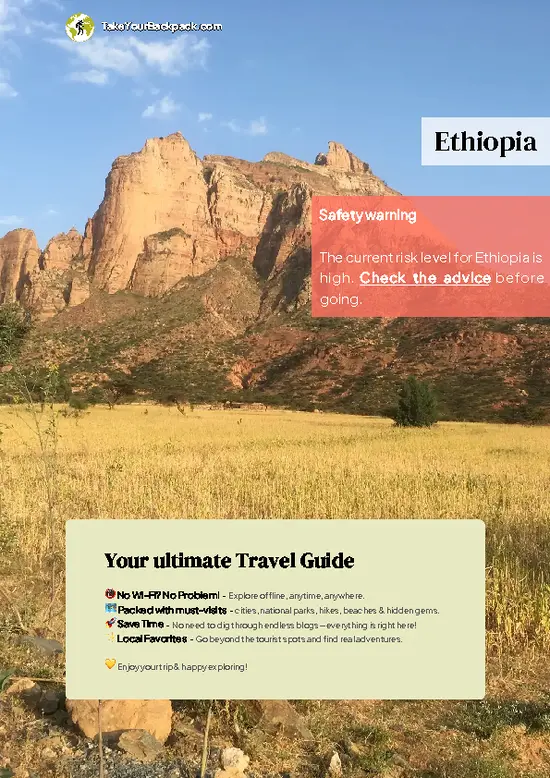
Ethiopia I visited back in October 2017. I combined the trip with a visit to Sudan. Ethiopia was a pure suprise with the magical scenery like the Danikal Depression and the Simien Mountains.

✍️ Help improve this page!
The information on this page is based on my own backpacking experience in Ethiopia, supplemented with up-to-date research and feedback from other travelers. Travel details can change, so if you notice anything outdated or incomplete, feel free to let me know.


🙋‍♂️ Give feedback

👋 Meet the founderWho’s Behind Take Your Backpack?

Johan, backpacker and founder of TakeYourBackpackHi, I’m Johan (Netherlands 🇳🇱), the creator of TakeYourBackpack. Over the past decade, I’ve backpacked through 80+ countries across six continents, gaining extensive experience with independent travel, long-term trips, and overland routes.

This site is built on a combination of firsthand travel experience and carefully curated insights from other backpackers. Many guides are based on places I’ve personally visited, while others bring together tips, observations, and practical advice shared by trusted travelers I’ve met along the way.

The goal is to provide realistic, experience-driven guidance — not generic itineraries — so you can explore destinations with better context, clearer expectations, and more confidence.

Get full Ethiopia guide •
Instant download • 101 highlights • Full Offline guide