×

Ethiopia🇪🇹 | best citiesBest 10 cities in Ethiopia

Ethiopia’s cities pulse with a unique blend of history, culture, and modernity, each offering a distinct experience for the backpacker. From the bustling streets of Addis Ababa, where the scent of roasted coffee mingles with the hum of daily life, to the ancient charm of Lalibela, known for its rock-hewn churches, the contrasts are striking. Major hubs like Addis provide extensive transport connections and vibrant nightlife, while smaller urban centers, such as Gondar, offer a more intimate glimpse into local traditions and slower rhythms.

Seasonal nuances also play a crucial role; the rainy season can affect accessibility and local events, while the dry months bring festivals alive with color and sound. Choosing the right city impacts your budget, safety, and overall cultural immersion. Whether you seek the energy of a metropolis or the tranquility of a smaller town, Ethiopia’s cities cater to every style of independent travel.

By Johan Kruseman 🇳🇱 | Updated May 28, 2026
Explore the best towns in Ethiopia

Why go?Why Travelers Love These Spots

Ethiopia’s cities pulse with a unique cultural diversity that sets them apart from urban centers in other countries. Home to over 80 ethnic groups, each city reflects a mosaic of languages, traditions, and culinary delights. This rich tapestry is not just a backdrop; it shapes daily life, from bustling markets to vibrant festivals. The historical depth of Ethiopia, often referred to as the cradle of humanity, adds layers to its urban experiences. Cities like Addis Ababa serve as living museums, where ancient history meets modern aspirations.

Geographically, Ethiopia’s topography plays a crucial role in shaping its cities. The highlands create stunning vistas but also present challenges in accessibility. Travelers may find that reaching certain urban areas requires navigating winding roads … read more 👉
Ethiopia’s cities pulse with a unique cultural diversity that sets them apart from urban centers in other countries. Home to over 80 ethnic groups, each city reflects a mosaic of languages, traditions, and culinary delights. This rich tapestry is not just a backdrop; it shapes daily life, from bustling markets to vibrant festivals. The historical depth of Ethiopia, often referred to as the cradle of humanity, adds layers to its urban experiences. Cities like Addis Ababa serve as living museums, where ancient history meets modern aspirations.

Geographically, Ethiopia’s topography plays a crucial role in shaping its cities. The highlands create stunning vistas but also present challenges in accessibility. Travelers may find that reaching certain urban areas requires navigating winding roads and varying altitudes, which can be time-consuming. However, this effort often rewards with breathtaking views and a deeper connection to the land.

The climate varies significantly across regions, influencing urban life. In the highlands, cooler temperatures invite outdoor gatherings, while the lowlands can be sweltering. This climatic diversity affects not only daily routines but also the types of activities available, from coffee ceremonies in the cool mornings to lively nightlife in the warmer evenings.

Ethiopia’s transport networks are developing but can be inconsistent. While major cities are increasingly connected by roads and flights, the infrastructure may not always support seamless travel. This means that while you can explore the depth of a city, you might face trade-offs in time and comfort. The challenge lies in balancing the desire for immersive experiences with the realities of travel logistics.

Understanding these factors is essential for any traveler. The cities of Ethiopia offer a rich, multifaceted experience, but they require patience and a willingness to embrace the journey as much as the destination.
How the List Was Created
The list of best cities in Ethiopia is created based on culture, vibe, attractions, transport ease, and local charm. If you feel a city is missing in this list, please let us know.

When to go?Optimal Periods for Travel

Seasonality plays a crucial role in shaping the experience of cities in Ethiopia. The country has a distinct climate, influenced by altitude and geography. Generally, the dry season runs from October to May, with the hottest months occurring between March and May. During this period, cities can feel stifling, especially in lower elevations. However, the clear skies and vibrant atmosphere make it a popular time for visitors.

Optimal months for visiting tend to be from October to February. The temperatures are milder, and the air is crisp. This is when local festivals and cultural events come alive, drawing both locals and travelers. The streets buzz with energy, and the chance to witness traditional celebrations adds a rich layer to the experience.

Shoulder seasons—specifically September … read more 👉
Seasonality plays a crucial role in shaping the experience of cities in Ethiopia. The country has a distinct climate, influenced by altitude and geography. Generally, the dry season runs from October to May, with the hottest months occurring between March and May. During this period, cities can feel stifling, especially in lower elevations. However, the clear skies and vibrant atmosphere make it a popular time for visitors.

Optimal months for visiting tend to be from October to February. The temperatures are milder, and the air is crisp. This is when local festivals and cultural events come alive, drawing both locals and travelers. The streets buzz with energy, and the chance to witness traditional celebrations adds a rich layer to the experience.

Shoulder seasons—specifically September and June—offer a different vibe. These months can bring unpredictable weather, with occasional rains that cool the air. Crowds thin out, leading to a more intimate exploration of urban life. However, the trade-off is the potential for missed events and a less vibrant atmosphere. Costs may also dip, making it an appealing option for budget-conscious travelers.

Peak periods coincide with major festivals, which can significantly influence travel plans. While the excitement is palpable, cities can become crowded, and accommodations may be harder to secure. The energy of the celebrations is infectious, yet navigating through throngs can be challenging.

Seasonal constraints should be carefully considered. The rainy season from June to September can lead to muddy streets and transportation delays. While this period offers a quieter experience, it may not align with the ideal conditions for exploring urban landscapes. Balancing the desire for cultural immersion with comfort and accessibility is key to planning a successful trip.

city hoppingOptimizing Your Multi-Stop Itinerary

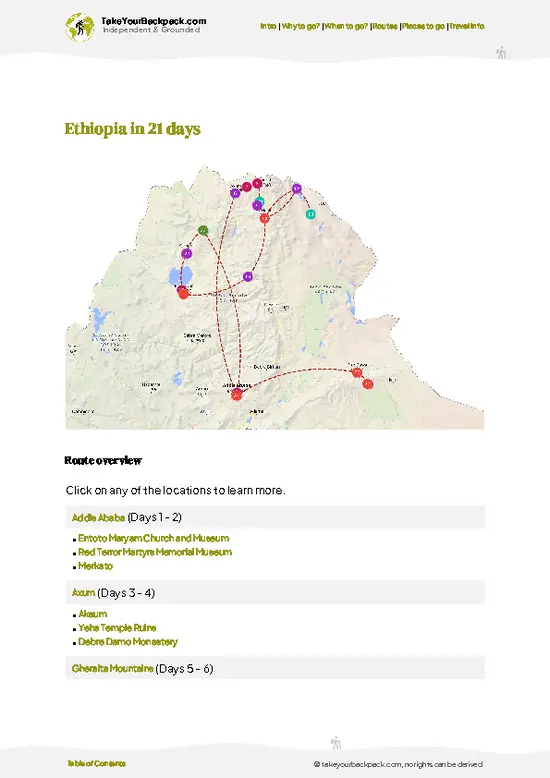
Traveling through Ethiopia requires a strategic approach to make the most of its diverse cities. Start by clustering destinations by region. The northern route, for example, connects Addis Ababa, Lalibela, and Gondar. This path offers a rich tapestry of history and culture, with each city presenting unique experiences.

Timing is crucial. Allocate at least two to three days in major cities like Addis Ababa and Lalibela. This allows for exploration without feeling rushed. Gondar, with its castles and vibrant market, deserves a similar commitment. The drive between these cities can take anywhere from 8 to 12 hours, depending on road conditions. Factor in travel time when planning your itinerary.

Common pitfalls include trying to see too much too quickly. While it’s tempting to hop from city … read more 👉
Traveling through Ethiopia requires a strategic approach to make the most of its diverse cities. Start by clustering destinations by region. The northern route, for example, connects Addis Ababa, Lalibela, and Gondar. This path offers a rich tapestry of history and culture, with each city presenting unique experiences.

Timing is crucial. Allocate at least two to three days in major cities like Addis Ababa and Lalibela. This allows for exploration without feeling rushed. Gondar, with its castles and vibrant market, deserves a similar commitment. The drive between these cities can take anywhere from 8 to 12 hours, depending on road conditions. Factor in travel time when planning your itinerary.

Common pitfalls include trying to see too much too quickly. While it’s tempting to hop from city to city, this often leads to fatigue and missed opportunities. Instead, embrace the slower pace. Spend more time in fewer places to truly absorb the local culture and atmosphere.

Consider transportation options. Domestic flights can save time, especially for longer distances, but they come at a premium. Buses are more budget-friendly, though they can be less comfortable and slower. Weigh the trade-offs between speed and comfort.

Flexibility is key. Plans may shift due to weather or local events. Being adaptable allows for spontaneous adventures that can lead to unexpected rewards.

Ultimately, the journey through Ethiopia is about savoring the moments—the aroma of freshly brewed coffee in Addis, the breathtaking views from Lalibela’s rock-hewn churches, or the warmth of local hospitality. Prioritize depth over breadth for a more enriching experience.

The ListMust-Visit cities in Ethiopia

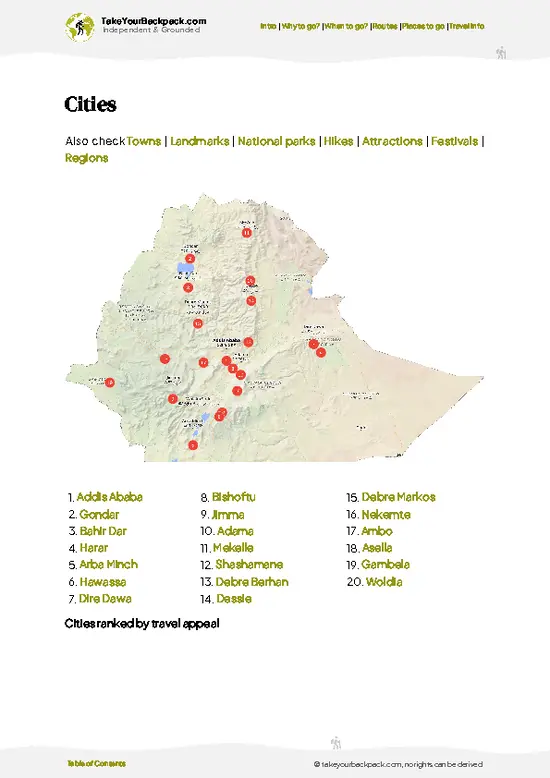
1 Addis Ababa

Mercato market, national museums, Entoto hills, diplomatic quarter

Experience Ethiopia’s capital through its layered neighborhoods, diverse cuisine, and a mix of modern life and deep-rooted traditions.

2 Gondar

Royal castles, Debre Berhan Selassie church, hilltop views

Wander through centuries-old fortresses and discover religious art in a city shaped by emperors and mountain landscapes.

ethiopia-city-gondar
© Google |

3 Harar

Walled old city, hyena feeding, colorful markets

Roam maze-like alleys, witness nightly hyena encounters, and shop for spices in a city known for its layered cultures.

4 Bahir Dar

Lake Tana, Blue Nile Falls, lakeside promenades

Sail to island monasteries, watch the Nile cascade, and unwind along the palm-lined shores of Ethiopia’s largest lake.

5 Arba Minch

Nechisar National Park, twin lakes, Dorze villages

Spot wildlife between Rift Valley lakes, hike to traditional highland homes, and watch hippos from lakeside viewpoints.

6 Awassa

Lake Awassa, fish market, lakeside parks

Watch fishermen at dawn, stroll along the waterfront, and spot monkeys in green spaces beside a scenic southern lake.

7 Dire Dawa

French-built railway, Kafira market, old quarter alleys

Stroll through a city where colonial-era railways meet bustling markets and winding streets lined with pastel facades.

8 Bishoftu

Crater lakes, resort lodges, birdwatching spots

Swim in volcanic lakes, unwind at lakeside retreats, and observe migratory birds in a green oasis near Addis Ababa.

ethiopia-city-bishoftu v1
© Google |

9 Sodo

Wolaita plateau, university town, regional commerce

Join the flow of students and traders in a lively center set on fertile highlands, with easy access to southern attractions.

10 Adama

Hot springs, transport hub, modern hotels

Relax in geothermal pools, connect to major highways, and find urban comforts in a city popular with weekend travelers.

ethiopia-city-adama v1
© Google |

11 Woldia

market town, Tigray-Amhara border, transport hub

Pause in a busy trading center where regional cultures meet and travelers switch routes between northern and eastern destinations.

12 Mekele

Tigray rock churches, camel markets, gateway to Danakil

Start desert expeditions, visit unique churches carved into cliffs, and experience the pulse of northern Ethiopia’s trade routes.

13 Jimma

Coffee farms, palace ruins, forested hills

Trace the origins of coffee, explore royal compounds, and walk through lush landscapes in Ethiopia’s southwest.

14 Shashamane

Rastafarian community, multicultural markets, Rift Valley location

Meet diverse communities, sample local produce, and learn about Rastafarian heritage in a crossroads town on the Rift Valley floor.

15 Debre Berhan

Highland plateau, wool markets, Orthodox churches

Travel across open grasslands, visit local markets, and see religious festivals in a cool, elevated town north of Addis.

16 Debre Markos

Blue Nile gorge, rural crossroads, monastery sites

Pause in a transport hub surrounded by farmland, with access to dramatic river valleys and centuries-old religious sites.

17 Dessie

Mountain passes, Lake Hayq, regional trading center

Cross highland roads to a city known for its cool climate, nearby crater lake, and lively local commerce.

ethiopia-city-dessie
© Google |

18 Gambela

Baro River, national park, Anuak culture

Venture west to see riverine wildlife, meet indigenous communities, and explore wetlands near the South Sudan border.

19 Nekemte

Western highlands, coffee trading, Oromo heritage

Travel through rolling hills, visit local markets, and experience the traditions of Ethiopia’s Oromo heartland.

20 Asella

Bale Mountains access, barley fields, cool climate

Use this highland town as a base for trekking, sample local grains, and enjoy crisp air on the way to the Bale Mountains.

21 Kombolcha

Industrial zone, mountain backdrop, transport junction

Stop in a busy town where factories meet mountain views, and travelers connect between northern and eastern Ethiopia.

22 Ambo

Mineral springs, university town, eucalyptus forests

Sample sparkling water at the source, walk through shaded groves, and experience student life in a small, green city.

Think you know Ethiopia?

Prove you’re a true local — uncover 12 lesser-known cities in Ethiopia that locals tend to keep to themselves.
Loading the map 🌍

Expert viewExpert Commentary on cities

Transport Hubs
Ethiopia’s transport network is a patchwork of bustling hubs and winding roads. Addis Ababa serves as the primary gateway, where the Bole International Airport buzzes with a mix of travelers. From here, you can catch domestic flights to various cities, but be prepared for delays—Ethiopian time is a concept all its own. Buses are the lifeblood of intercity travel, with options ranging from the cramped and chaotic to more comfortable, semi-luxury coaches. Expect to spend several hours on the road, often longer than anticipated due to road conditions and traffic.

The trade-off? While flying saves time, it can be pricier and limits your exposure to the landscapes and local life along the way. Taking a bus allows you to witness the gradual shift in scenery—from the highlands to … read more 👉
Transport Hubs
Ethiopia’s transport network is a patchwork of bustling hubs and winding roads. Addis Ababa serves as the primary gateway, where the Bole International Airport buzzes with a mix of travelers. From here, you can catch domestic flights to various cities, but be prepared for delays—Ethiopian time is a concept all its own. Buses are the lifeblood of intercity travel, with options ranging from the cramped and chaotic to more comfortable, semi-luxury coaches. Expect to spend several hours on the road, often longer than anticipated due to road conditions and traffic.

The trade-off? While flying saves time, it can be pricier and limits your exposure to the landscapes and local life along the way. Taking a bus allows you to witness the gradual shift in scenery—from the highlands to the lowlands—but it demands patience. If you’re keen on immersing yourself in the culture, opt for the bus. Just remember to pack snacks and a good playlist; you’ll need both.

Urban Pacing
Cities in Ethiopia pulse with a unique rhythm. The streets are alive with vendors hawking everything from fresh injera to handmade crafts. In the mornings, the air is thick with the aroma of coffee being roasted, a ritual that’s as much about community as it is about caffeine. As the day unfolds, the pace quickens, with the sounds of honking taxis and lively conversations filling the air.

However, this vibrant atmosphere can be overwhelming. If you’re visiting multiple cities, you might find yourself rushing through experiences. The trade-off here is between breadth and depth. You could hit five cities in a week, but you’d miss the nuances—the local festivals, the quiet moments in a café, or the chance to chat with a shopkeeper about their craft. If you can, slow down. Choose three or four cities and spend a few days in each. This allows you to absorb the local culture and truly connect with the people.

Local Costs
Ethiopia is generally affordable, but costs can vary significantly between urban and rural areas. In cities, you’ll find a range of accommodations from budget hostels to mid-range hotels. Street food is a steal, while dining in a sit-down restaurant can be a splurge. Public transport is inexpensive, but taxis can add up if you’re not careful.

The trade-off lies in your travel style. If you’re on a tight budget, embrace the local eateries and public transport. You’ll save money and gain authentic experiences. However, if comfort is a priority, consider allocating more of your budget to reliable transport and nicer accommodations. Just remember that the more you spend on comfort, the less you’ll have for spontaneous adventures.

Exploring More Cities Quickly vs. Deeper Immersion
Ethiopia’s cities each have their own character, shaped by history, culture, and geography. If you’re keen on seeing as much as possible, you might be tempted to hop from one city to the next. But this approach often leads to a superficial understanding of the country. You’ll miss the chance to engage with local customs, attend cultural events, or even just enjoy a leisurely meal with locals.

The trade-off here is significant. Rushing through cities may give you a broader view of Ethiopia, but it sacrifices depth. Instead, consider focusing on two or three cities, allowing yourself the time to explore markets, visit museums, and participate in community events. This deeper immersion will yield richer stories and memories that a whirlwind tour simply can’t match.

Safety & Cultural Considerations
Ethiopia is generally safe for travelers, but like any destination, it requires awareness. Urban areas can be bustling and chaotic, so keep your belongings secure and be mindful of your surroundings. Engaging with locals is usually welcomed, but be respectful of cultural norms—especially regarding dress and photography.

The trade-off here is between adventure and caution. While it’s tempting to dive headfirst into the local scene, take a moment to observe and adapt. Understanding cultural nuances can enhance your experience and foster genuine connections. For instance, learning a few phrases in Amharic can go a long way in breaking the ice and showing respect.

In summary, Ethiopia offers a rich tapestry of experiences, but how you navigate its cities can shape your journey. Whether you choose to race through or savor each moment, the key is to remain flexible and open to the unexpected. The real rewards often lie in the moments you didn’t plan for—the conversations, the sights, and the flavors that linger long after your trip ends.

✈️ The backpacker research shortcutEthiopia Travel Guide

An offline-friendly backpacking guide with optimized travel routes, ranked highlights, transport advice, and the best areas to stay.
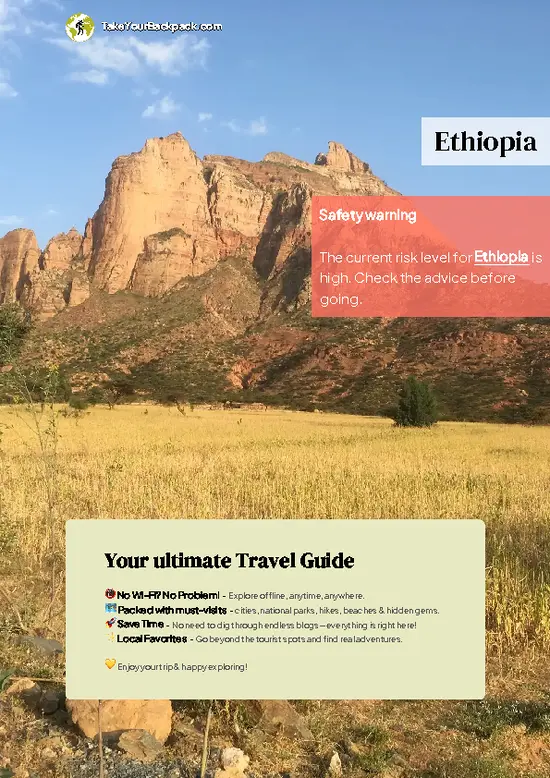
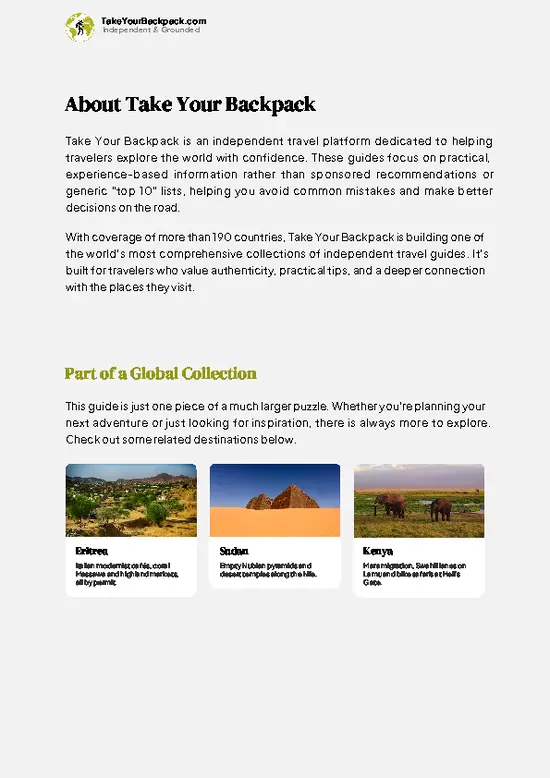
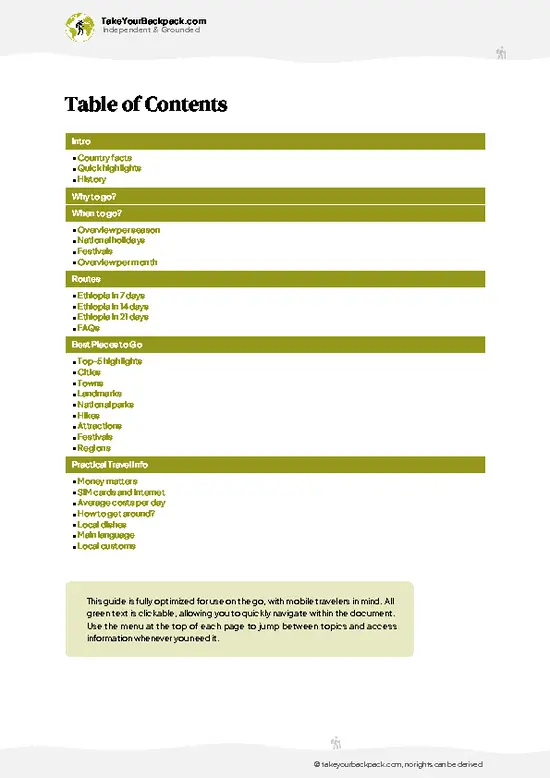
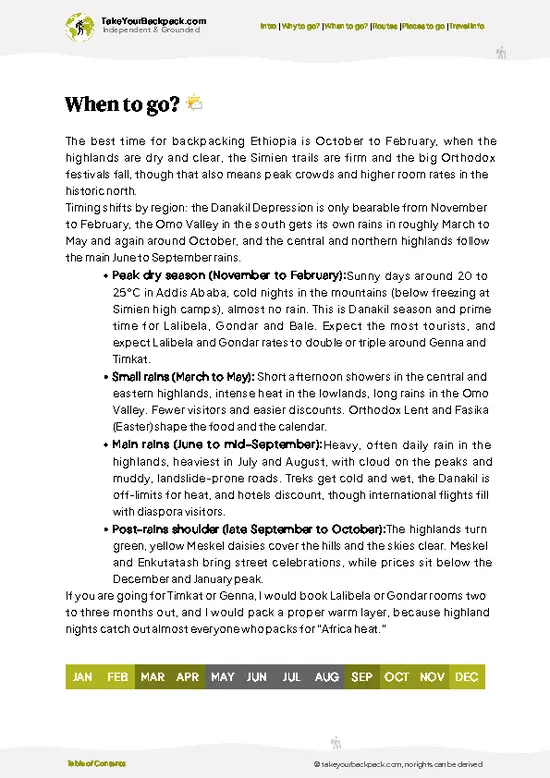
example page 0 from our offline Travel Guide for Ethiopiaexample page 1 from our offline Travel Guide for Ethiopiaexample page 2 from our offline Travel Guide for Ethiopiaexample page 3 from our offline Travel Guide for Ethiopiaexample page 4 from our offline Travel Guide for Ethiopiaexample page 5 from our offline Travel Guide for Ethiopiaexample page 6 from our offline Travel Guide for Ethiopiaexample page 7 from our offline Travel Guide for Ethiopia
The digital guide (398 pages) contains:
101 highlights, ranked by travel appeal
Optimized 7, 14 & 21-day travel routes
Cities, national parks, beaches, historical sites, ...
How to get around
Offline-friendly for travel without Wi-Fi
👉 Click to see all 30+ guide features

📅 Plan smarter in minutes, not weeks
Month by month travel advice
Festivals & national holidays
Budget expectations

🗺️ Go to the right places, skip the overrated ones
Honest pros & cons of destinations
Top hikes, parks & viewpoints
Lesser-known places most travelers miss
Clear “worth it vs skip it” guidance

🛏️ Travel smoothly without rookie mistakes
Best areas to stay
Transport systems explained simply
Common scams & safety advice
SIM cards, money & practical tips

🌍 Understand the country, not just visit it
Culture & traditions
52 Essential phrases & customs
Festivals worth planning around
Traveler-friendly historical context
Insights that make places more meaningful

📱 Built for real travel conditions
Fully downloadable PDF
Works completely offline
Optimized for phone use
Useful in remote areas & buses
Everything in one place
Save weeks of stressful planning
Get instant access to the full guide directly. 30-day money-back guarantee.


Sent to your inbox immediately after payment • 100% Secure Checkout
Best Backpacking Travel Advisor 2025 tourism awardBest Backpacking
Travel Advisor
2025
What others say about Take Your Backpack Guides:
⭐⭐⭐⭐⭐
Fantastic, amazing amount of information!
⭐⭐⭐⭐⭐
My goodness this is amazing, it's what I've been looking for hats off too you!
⭐⭐⭐⭐⭐
I think this is absolutely BRILLIANT
⭐⭐⭐⭐
Very complete and informative. It's still missing places, but I gotta to commend you
⭐⭐⭐⭐⭐
This is truly amazing, thank you, can't wait to explore it with my kids!
⭐⭐⭐⭐⭐
Awesome resource, thank you!
⭐⭐⭐⭐⭐
This is amazing! Can't wait to explore the ones I haven't seen
⭐⭐⭐⭐
I love this! Well done, great idea.
⭐⭐⭐⭐⭐
Thanks for taking the time to make this gem!
⭐⭐⭐⭐⭐
This might be the best website I've ever seen.
⭐⭐⭐⭐⭐
Congratulations, and thank you so much for your work; it's incredibly valuable.
⭐⭐⭐⭐
In all seriousness I think you did a great job pointing out the important spots
⭐⭐⭐⭐⭐
10/10 very good
⭐⭐⭐⭐⭐
As someone who's only just starting to visit regularly this is awesome, thank you.
⭐⭐⭐⭐
Thank you very much! I'm going to visit my dad, it's going to be very useful!
⭐⭐⭐⭐⭐
This is really cool! We'll be travelling for the first time and this definitely come in handy.
⭐⭐⭐⭐⭐
You are now our minister of culture, congratulations 👨‍💼
⭐⭐⭐⭐⭐
Just wanted to tell you that this is a pearl! Going to follow your recommendations.
⭐⭐⭐⭐⭐
This is so cool. I'll definitely be using the resource for my travels soon.
⭐⭐⭐⭐⭐
This is very impressive! Good work.
⭐⭐⭐⭐⭐
This is an amazing and informative site. Very well done!

🛏️ Where to stay?Top Places to Consider Staying

Yes — hostels and budget guesthouses are common in Addis Ababa and in tourist towns like Lalibela, Bahir Dar, Gondar and Axum, with dorms and cheap private rooms widely available.
In Addis the main clusters are Bole (modern, near the airport and cafes, safer but pricier), Piazza/Arada (historic, closest to markets and transport, cheap but noisy and crowded), Kazanchis (business district, quieter at night, somewhat more expensive) and Merkato (cheapest and closest to the big market but chaotic and less secure after dark).
Outside the capital budget stays sit close to major sights so you trade convenience for very basic facilities and intermittent hot water; carry cash, book ahead in high … read more 👉
Yes — hostels and budget guesthouses are common in Addis Ababa and in tourist towns like Lalibela, Bahir Dar, Gondar and Axum, with dorms and cheap private rooms widely available.
In Addis the main clusters are Bole (modern, near the airport and cafes, safer but pricier), Piazza/Arada (historic, closest to markets and transport, cheap but noisy and crowded), Kazanchis (business district, quieter at night, somewhat more expensive) and Merkato (cheapest and closest to the big market but chaotic and less secure after dark).
Outside the capital budget stays sit close to major sights so you trade convenience for very basic facilities and intermittent hot water; carry cash, book ahead in high season and expect quieter nights with limited nightlife and services.

If you enjoy meeting fellow travelers, consider choosing hostels with high ratings for atmosphere. On the other hand, if you prefer having your own space, a hotel might be a better option.

EthiopiaMore Places Across Ethiopia

👋 Meet the founderWho’s Behind Take Your Backpack?

Johan, backpacker and founder of TakeYourBackpackHi, I’m Johan (Netherlands 🇳🇱), the creator of TakeYourBackpack. Over the past decade, I’ve backpacked through 80+ countries across six continents, gaining extensive experience with independent travel, long-term trips, and overland routes.

This site is built on a combination of firsthand travel experience and carefully curated insights from other backpackers. Many guides are based on places I’ve personally visited, while others bring together tips, observations, and practical advice shared by trusted travelers I’ve met along the way.

The goal is to provide realistic, experience-driven guidance — not generic itineraries — so you can explore destinations with better context, clearer expectations, and more confidence.

Get full Ethiopia guide •
Instant download • 101 highlights • Full Offline guide