×

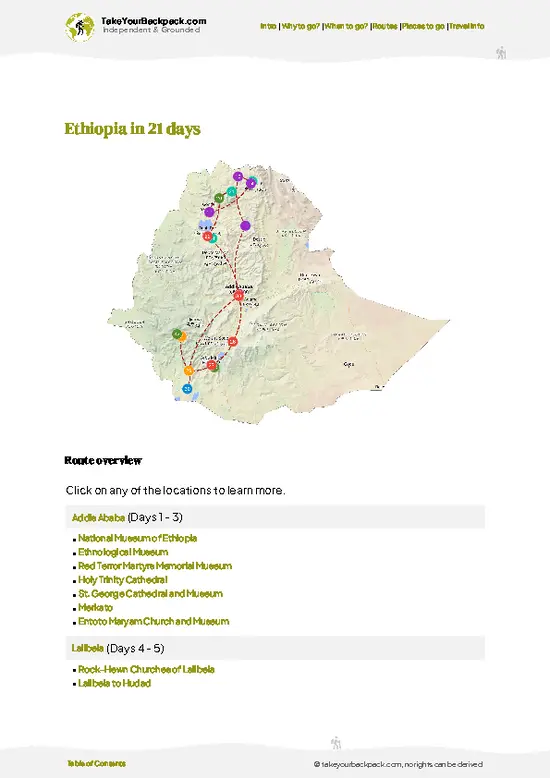
Ethiopia🇪🇹 | citiesAdamaHot springs, transport hub, modern hotels | things to do and best time to go

Explore AwassaExplore Bishoftu

Backpacking in Adama
👍 Recommendedcity ranked #10
By Johan Kruseman 🇳🇱 | Updated June 21, 2026

If you’re chasing ancient ruins, dramatic landscapes, or a backpacker scene buzzing with hostel camaraderie, Adama is not your jackpot. But here’s the twist: Adama rewards the traveler who likes to see how a country actually runs. Sitting just southeast of Addis Ababa, it’s Ethiopia’s unofficial weekend playground—think busy markets, lively bars, and a main drag that feels more like a crossroads than a destination. You won’t find grand museums or postcard-perfect parks, but you will get a front-row seat to Ethiopian daily life, with cheap eats, safe streets, and a pace that’s brisk but not overwhelming. It’s easier on the wallet and nerves than Addis, but less atmospheric than Harar or Bahir Dar. For me, Adama is a place to watch the gears of Ethiopia turn—if you’re curious, that’s its own kind of highlight.

Discover everything you want to know in the 📖 Ethiopia Travel Guide.
Safety warning

The current risk level for Ethiopia is high. Check the advice before going.


Get your Ethiopia guide
101 ranked highlights, routes & tips, works offline (395 pages)
Loading the map 🌍
CLICK TO FILTER
cities
towns
landmarks
national parks
hikes
attractions
festivals
regions
SHOW COUNTRY’S BESTSHOW ALL

✨ Why go?
Ranked #10 city in Ethiopia
What makes this city worth visiting

Adama, Ethiopia, is a strategic stop for backpackers weaving through the country. It offers a solid basecamp value for day trips to nearby attractions, making it easy to explore without the hassle of constant packing. The walkability of the city means you can easily navigate its streets, soaking in local life while hunting for delicious street food. Affordable hostels provide a cozy place to recharge, and the vibrant nightlife offers a chance to mingle with fellow travelers and locals alike. Plus, Adama’s easy onward travel options connect you smoothly to other destinations, making it a practical choice. If you’re looking for a place that balances comfort and adventure, Adama is worth a stop, but don’t linger too long if your itinerary is tight.
Want to include Adama in your Ethiopia route?
Create a personalized Ethiopia itinerary that includes Adama and the places that fit your trip — based on your travel style, budget, and available time. Get your route in seconds.

Generate my trip

💡 HighlightsWhat this place is best known for

  • Adama Central Market (Nazret Market) — A noisy, colorful hub where produce, spices, textiles and household goods are traded; great for cheap street food, people-watching, and buying local coffee or spices without tourist prices.
  • Adama Stadium (Adama City FC ground) — The city’s main football stadium and the best spot to feel local life: loud crowds, match-day energy, and a real slice of Ethiopian club culture when Adama City plays.
  • Adama Science and Technology University (ASTU) campus — A large, lively campus with interesting modernist buildings, student cafés and markets; walking the grounds gives a good sense of local youth culture and occasional public lectures or events.
  • Adama Railway Station — The station on the Addis Ababa-Djibouti rail corridor where you can see the freight and
read more 👉
  • Adama Central Market (Nazret Market) — A noisy, colorful hub where produce, spices, textiles and household goods are traded; great for cheap street food, people-watching, and buying local coffee or spices without tourist prices.
  • Adama Stadium (Adama City FC ground) — The city’s main football stadium and the best spot to feel local life: loud crowds, match-day energy, and a real slice of Ethiopian club culture when Adama City plays.
  • Adama Science and Technology University (ASTU) campus — A large, lively campus with interesting modernist buildings, student cafés and markets; walking the grounds gives a good sense of local youth culture and occasional public lectures or events.
  • Adama Railway Station — The station on the Addis Ababa-Djibouti rail corridor where you can see the freight and passenger trains that plug Ethiopia into the region; it’s useful for practical travel and for watching the old/new rail infrastructure up close.
Nearby day-trip highlights include Koka Dam, the crater lakes around Bishoftu (Batu), and Awash National Park — Bishoftu’s lakes are my personal favorite.
Spotted a mistake or missing something? Contact us.

Things to do near Adama

Ratings based on Tripadvisor reviews. When you book through this link, you support our work at no extra cost to you.

🏘️ NeighborhoodsUnderstanding the local layout

Adama, a vibrant hub in Ethiopia, offers a mix of experiences for backpackers. Here’s how the neighborhoods stack up:

City Center: This is the heartbeat of Adama. Expect a lively atmosphere with bustling markets and street vendors. It’s walkable, with plenty of budget-friendly eateries. Nightlife thrives here, making it ideal for short stays where you want to soak up the local vibe quickly.

Meskel Square: A bit quieter but still central, this area is great for those seeking a balance. It’s easy to navigate on foot, with parks for relaxation. Transport access is solid, making it convenient for day trips. Perfect for longer stays if you prefer a slower pace.

Adama Science and Technology University Area: This neighborhood has a youthful energy, thanks to the student population. Cafés and study … read more 👉
Adama, a vibrant hub in Ethiopia, offers a mix of experiences for backpackers. Here’s how the neighborhoods stack up:

City Center: This is the heartbeat of Adama. Expect a lively atmosphere with bustling markets and street vendors. It’s walkable, with plenty of budget-friendly eateries. Nightlife thrives here, making it ideal for short stays where you want to soak up the local vibe quickly.

Meskel Square: A bit quieter but still central, this area is great for those seeking a balance. It’s easy to navigate on foot, with parks for relaxation. Transport access is solid, making it convenient for day trips. Perfect for longer stays if you prefer a slower pace.

Adama Science and Technology University Area: This neighborhood has a youthful energy, thanks to the student population. Cafés and study spots abound, and it’s a hub for affordable accommodations. While nightlife is more subdued, it’s a great spot for longer stays focused on culture and learning.

Gurage Zone: A bit off the beaten path, this area offers a glimpse into local life. It’s less touristy, which means lower costs and a more authentic experience. Walkability varies, but it’s worth it for those looking to immerse themselves in the community. Ideal for longer stays.

⌛️ 1 dayA smart one-day plan

Adama, Ethiopia, is a vibrant hub that pulses with local life, blending modernity and tradition. It’s a city where you can feel the heartbeat of Ethiopia, making it a perfect spot for a day of exploration.

Start your morning at the bustling Adama Market. The aroma of spices and fresh produce fills the air as you navigate through colorful stalls. Grab a traditional breakfast of firfir, a spicy dish made with injera and leftover stew. It’s a local favorite that will fuel your day.

After breakfast, head to the nearby Menagesha Forest. This lesser-known gem offers a refreshing escape from the city’s hustle. Wander through the pine trees, breathe in the crisp air, and enjoy the serene atmosphere. It’s a great spot for a leisurely hike or simply soaking in nature.

In the afternoon, return to … read more 👉
Adama, Ethiopia, is a vibrant hub that pulses with local life, blending modernity and tradition. It’s a city where you can feel the heartbeat of Ethiopia, making it a perfect spot for a day of exploration.

Start your morning at the bustling Adama Market. The aroma of spices and fresh produce fills the air as you navigate through colorful stalls. Grab a traditional breakfast of firfir, a spicy dish made with injera and leftover stew. It’s a local favorite that will fuel your day.

After breakfast, head to the nearby Menagesha Forest. This lesser-known gem offers a refreshing escape from the city’s hustle. Wander through the pine trees, breathe in the crisp air, and enjoy the serene atmosphere. It’s a great spot for a leisurely hike or simply soaking in nature.

In the afternoon, return to the city and explore the vibrant neighborhoods of Bole and Kebele 03. Visit the Ethio-Djibouti Railway Museum to learn about the city’s historical significance. The exhibits are engaging, and the local guides are eager to share stories.

As evening approaches, unwind at a local café. Sip on buna, traditional Ethiopian coffee, while watching the sunset. The warm, rich flavors will linger, making your day in Adama a memorable experience.
Turn your Adama visit into an Ethiopia adventure
Build a complete Ethiopia route with Adama, hidden gems, must-see destinations, and realistic travel times included.

Generate my trip

🌤️ When to go?Seasonal considerations and timing


  • Topic: Weather – Adama’s climate swings between dry and wet seasons. The dry season from October to February offers clear skies and minimal rain, perfect for trekking and city exploration without soggy boots.

  • Topic: Temperature – Expect daytime highs around 25-30°C (77-86°F) during dry months, cooling to 15-20°C (59-68°F) at night. The wet season (June to September) brings cooler temps but also humidity and rain, which can slow you down.

  • Topic: Daylight Hours – Near the equator, daylight stays steady year-round, roughly 12 hours daily. This consistency means you won’t lose precious daylight regardless of when you visit.

  • Topic: Crowds – Tourist traffic peaks during the dry season, especially December and January. If you want fewer people, aim for shoulder months like October or February,
read more 👉

  • Topic: Weather – Adama’s climate swings between dry and wet seasons. The dry season from October to February offers clear skies and minimal rain, perfect for trekking and city exploration without soggy boots.

  • Topic: Temperature – Expect daytime highs around 25-30°C (77-86°F) during dry months, cooling to 15-20°C (59-68°F) at night. The wet season (June to September) brings cooler temps but also humidity and rain, which can slow you down.

  • Topic: Daylight Hours – Near the equator, daylight stays steady year-round, roughly 12 hours daily. This consistency means you won’t lose precious daylight regardless of when you visit.

  • Topic: Crowds – Tourist traffic peaks during the dry season, especially December and January. If you want fewer people, aim for shoulder months like October or February, balancing weather and solitude.

  • Topic: Seasonal Activities – Dry months align with cultural festivals and open-air markets, giving you authentic local experiences. The rainy season limits outdoor events but offers lush landscapes if you’re into photography.

  • Topic: Price Fluctuations – Accommodation and transport costs rise during the dry season due to demand. Traveling just before or after this peak can save money without sacrificing comfort.


Pro-tip: Target late October or early February for the sweet spot—good weather, manageable crowds, and better prices. It’s the timing that turns a trip from “just okay” to genuinely memorable.


source: climatestotravel.comJANJanuary: highly recommended for travelingFEBFebruary: excellent for travelingMARMarch: good for travelingAPRApril: fair for travelingMAYMay: fair for travelingJUNJune: fair for travelingJULJuly: fair for travelingAUGAugust: fair for travelingSEPSeptember: fair for travelingOCTOctober: excellent for travelingNOVNovember: highly recommended for travelingDECDecember: highly recommended for traveling
ethiopia-city-adama v1
© Google |

✈️ The backpacker research shortcutEthiopia Travel Guide

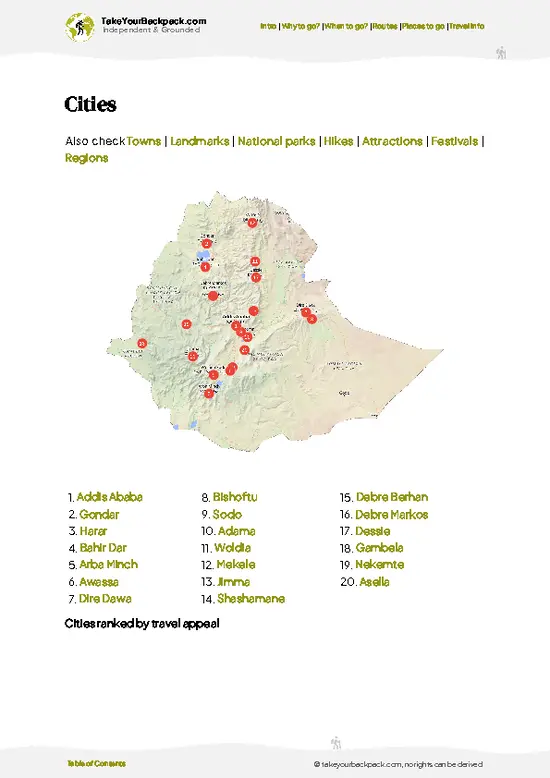
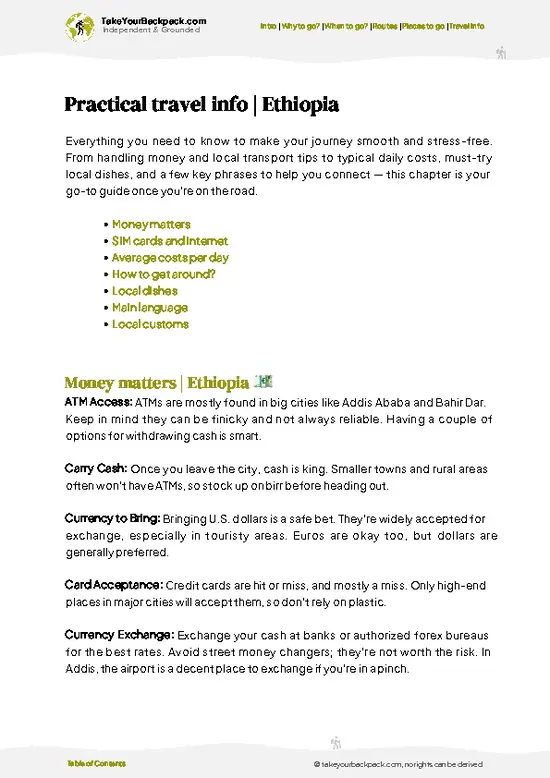
An offline-friendly backpacking guide with optimized travel routes, ranked highlights, transport advice, and the best areas to stay.
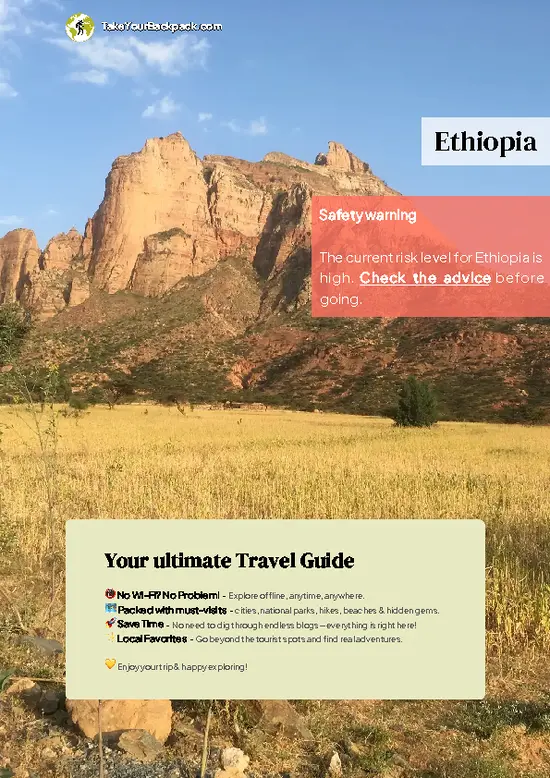
example page 0 from our offline Travel Guide for Ethiopia
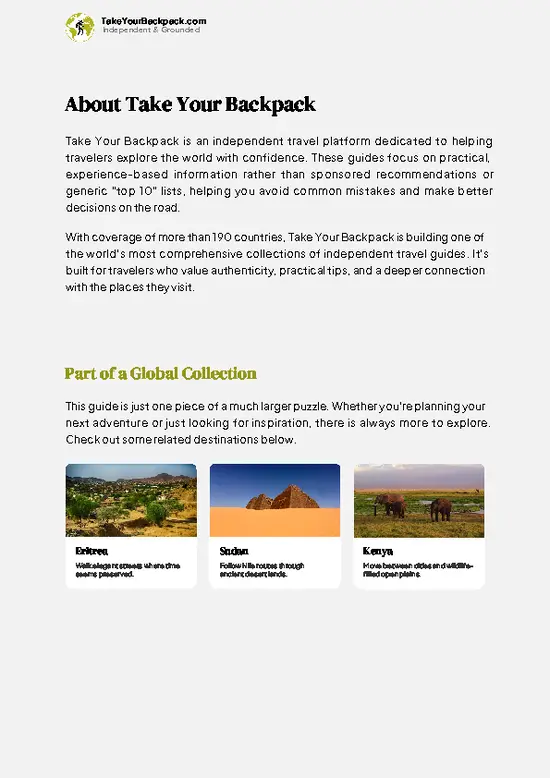
example page 1 from our offline Travel Guide for Ethiopia
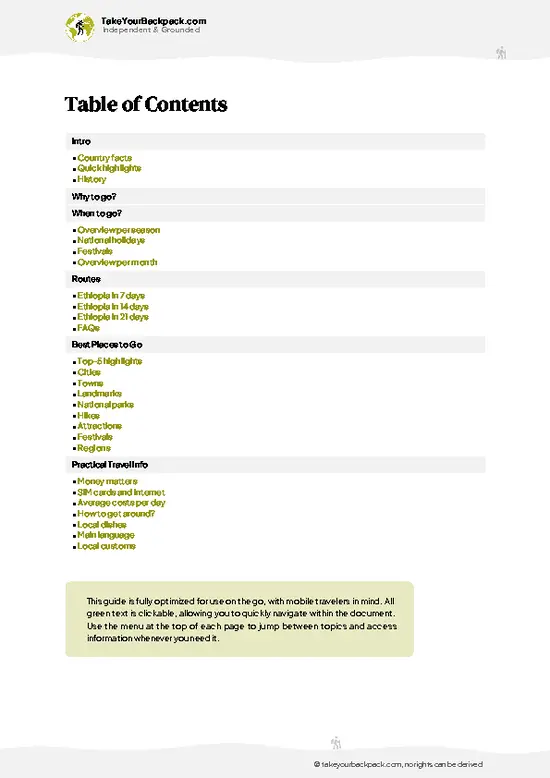
example page 2 from our offline Travel Guide for Ethiopia
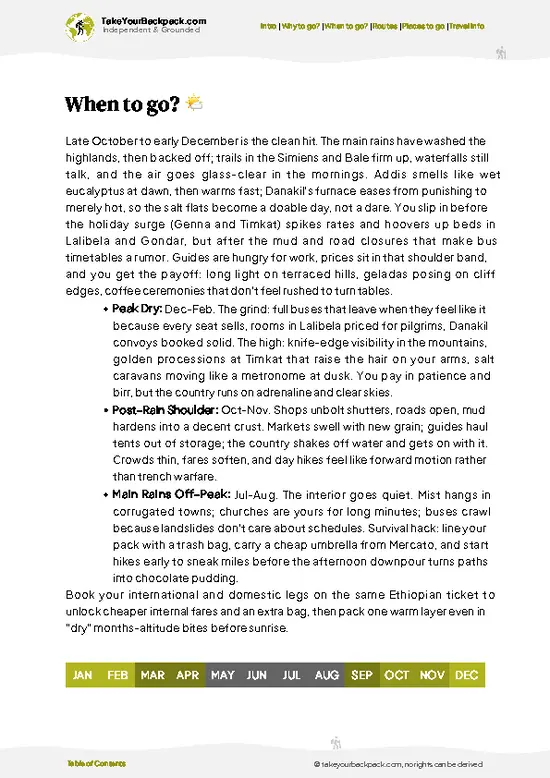
example page 3 from our offline Travel Guide for Ethiopia
example page 4 from our offline Travel Guide for Ethiopia
example page 5 from our offline Travel Guide for Ethiopia
example page 6 from our offline Travel Guide for Ethiopia
example page 7 from our offline Travel Guide for Ethiopia
The digital guide (395 pages) contains:
101 highlights, ranked by travel appeal
Optimized 7, 14 & 21-day travel routes
Cities, national parks, landmarks, beaches
How to get around
Offline-friendly for travel without Wi-Fi
👉 Click to see all 30+ guide features

📅 Plan smarter in minutes, not weeks
Month by month travel advice
Festivals & national holidays
Budget expectations

🗺️ Go to the right places, skip the overrated ones
Honest pros & cons of destinations
Top hikes, parks & viewpoints
Lesser-known places most travelers miss
Clear “worth it vs skip it” guidance

🛏️ Travel smoothly without rookie mistakes
Best areas to stay
Transport systems explained simply
Common scams & safety advice
SIM cards, money & practical tips

🌍 Understand the country, not just visit it
Culture & traditions
52 Essential phrases & customs
Festivals worth planning around
Traveler-friendly historical context
Insights that make places more meaningful

📱 Built for real travel conditions
Fully downloadable PDF
Works completely offline
Optimized for phone use
Useful in remote areas & buses
Everything in one place
Save weeks of stressful planning
Get instant access to your full guide. 30‑day money-back guarantee.


By proceeding you agree to our terms.
Sent to your inbox immediately after payment • 100% Secure Checkout
Best Backpacking Travel Advisor 2025 tourism awardBest Backpacking
Travel Advisor
2025
What others say about Take Your Backpack Guides:
⭐⭐⭐⭐⭐
Fantastic, amazing amount of information!
⭐⭐⭐⭐⭐
My goodness this is amazing, it's what I've been looking for hats off too you!
⭐⭐⭐⭐⭐
I think this is absolutely BRILLIANT
⭐⭐⭐⭐
Very complete and informative. It's still missing places, but I gotta to commend you
⭐⭐⭐⭐⭐
This is truly amazing, thank you, can't wait to explore it with my kids!
⭐⭐⭐⭐⭐
Awesome resource, thank you!
⭐⭐⭐⭐⭐
This is amazing! Can't wait to explore the ones I haven't seen
⭐⭐⭐⭐
I love this! Well done, great idea.
⭐⭐⭐⭐⭐
Thanks for taking the time to make this gem!
⭐⭐⭐⭐⭐
This might be the best website I've ever seen.
⭐⭐⭐⭐⭐
Congratulations, and thank you so much for your work; it's incredibly valuable.
⭐⭐⭐⭐
In all seriousness I think you did a great job pointing out the important spots
⭐⭐⭐⭐⭐
10/10 very good
⭐⭐⭐⭐⭐
As someone who's only just starting to visit regularly this is awesome, thank you.
⭐⭐⭐⭐
Thank you very much! I'm going to visit my dad, it's going to be very useful!
⭐⭐⭐⭐⭐
This is really cool! We'll be travelling for the first time and this definitely come in handy.
⭐⭐⭐⭐⭐
You are now our minister of culture, congratulations 👨‍💼
⭐⭐⭐⭐⭐
Just wanted to tell you that this is a pearl! Going to follow your recommendations.
⭐⭐⭐⭐⭐
This is so cool. I'll definitely be using the resource for my travels soon.
⭐⭐⭐⭐⭐
This is very impressive! Good work.
⭐⭐⭐⭐⭐
This is an amazing and informative site. Very well done!

🛏️ Where to stay?Choosing the right base

In Adama, the sweet spot for backpackers is the city center and its immediate surroundings. This area balances safety with social buzz, making it a natural magnet for solo travelers and budget adventurers. You’ll find a handful of hostels and guesthouses here, offering basic but reliable comfort without the price tag of more upscale neighborhoods. The vibe is straightforward—functional, with enough local eateries and cafes to keep you connected without overwhelming you with tourist traps.

Compared to the outskirts or more residential zones, the city center cuts down on transit time and costs, … read more 👉
In Adama, the sweet spot for backpackers is the city center and its immediate surroundings. This area balances safety with social buzz, making it a natural magnet for solo travelers and budget adventurers. You’ll find a handful of hostels and guesthouses here, offering basic but reliable comfort without the price tag of more upscale neighborhoods. The vibe is straightforward—functional, with enough local eateries and cafes to keep you connected without overwhelming you with tourist traps.

Compared to the outskirts or more residential zones, the city center cuts down on transit time and costs, which is crucial when every minute and birr counts. It’s also where you’ll bump into other travelers, sparking conversations and potential partnerships for day trips or shared taxis. While it’s not a party hub, the social atmosphere is genuine, grounded in the rhythm of daily Ethiopian life rather than staged entertainment. This makes it a high-value choice: you’re not just saving money; you’re gaining authentic interaction and logistical ease.

🚌 Getting aroundHow to get around Adama

Adama moves at its own rhythm—less a clockwork machine and more a pulse you feel in the streets. It’s a city where timetables exist but bend to the flow of people hustling, bargaining, and weaving through traffic. You won’t find rigid schedules here; instead, you navigate a blend of planned routes and spontaneous rides. Understanding this flow means you’re not just a passenger—you’re playing the game, choosing when to save time, when to save money, and when to grab a bit of comfort.


  • Walking: The ultimate budget option and the best way to soak in Adama’s street life. It’s free, flexible, and surprisingly efficient for short hops—think 15 to 30 minutes between key neighborhoods. You control your pace, but be ready for uneven sidewalks and the occasional street vendor blocking your path.

read more 👉
Adama moves at its own rhythm—less a clockwork machine and more a pulse you feel in the streets. It’s a city where timetables exist but bend to the flow of people hustling, bargaining, and weaving through traffic. You won’t find rigid schedules here; instead, you navigate a blend of planned routes and spontaneous rides. Understanding this flow means you’re not just a passenger—you’re playing the game, choosing when to save time, when to save money, and when to grab a bit of comfort.


  • Walking: The ultimate budget option and the best way to soak in Adama’s street life. It’s free, flexible, and surprisingly efficient for short hops—think 15 to 30 minutes between key neighborhoods. You control your pace, but be ready for uneven sidewalks and the occasional street vendor blocking your path.


  • Minibus Taxi (Local Share Taxi): These are the backbone of Adama’s transit. They run roughly from 6 AM to 9 PM, cost about 10-20 ETB per ride, and can be cramped but fast if you catch one heading your way. The catch? They leave only when full, so timing is a gamble—sometimes you wait, sometimes you’re off in a flash. Comfort is minimal, but the price and speed make them unbeatable for budget travelers.


  • Motorcycle Taxi (Bajaj): For short distances or when you’re in a hurry, bajajs zip through traffic like nothing else. Expect to pay 20-40 ETB depending on distance. They’re faster than minibuses but less safe and less comfortable—helmet use is spotty, and the ride can be bumpy. Great for cutting down travel time when you’re tight on schedule but willing to sacrifice comfort.


  • Regular Taxi: Metered taxis exist but are rare and pricier, usually 100 ETB or more for typical city trips. They offer privacy and comfort but at a cost that’s often double or triple the minibus fare. Best reserved for late-night rides or when you’re carrying heavy gear and want a stress-free trip.


  • Intercity Buses: If you’re moving beyond Adama, these buses connect to other cities with departures scattered throughout the day. Tickets range from 50 to 150 ETB depending on distance. They’re slower and less comfortable than private cars but unbeatable for budget long-haul travel. Expect basic seating and a no-frills ride.


Mastering Adama’s transit means balancing these options like a chess player. You trade off time, money, and comfort constantly—sometimes waiting for the minibus to fill, sometimes splurging on a bajaj to beat the clock. Recognize the patterns, and you’re not just getting around; you’re winning the game.

👛 Costs (as of 25 June 2026)What things cost and how to budget

Backpacking in Adama, Ethiopia, is a balancing act between stretching your budget and navigating the local cost landscape with savvy. Here’s the breakdown of what you’re likely to spend daily, giving you the power to pick your trade-offs like a pro.
  • Dorm Accommodation (High Season): Expect to pay around $8 to $12 per night. This is when demand peaks, so prices edge up but still remain reasonable for basic, clean dorms with essential amenities.
  • Dorm Accommodation (Off-Season): Drop to about $5 to $8 per night. Fewer travelers mean better deals, and you can often negotiate a lower rate if you stay longer or arrive mid-week.
  • Meals: Local eateries serve filling meals for $2 to $4 each. Sticking to traditional Ethiopian dishes like injera with shiro or tibs keeps costs low and flavors authentic.
read more 👉
Backpacking in Adama, Ethiopia, is a balancing act between stretching your budget and navigating the local cost landscape with savvy. Here’s the breakdown of what you’re likely to spend daily, giving you the power to pick your trade-offs like a pro.
  • Dorm Accommodation (High Season): Expect to pay around $8 to $12 per night. This is when demand peaks, so prices edge up but still remain reasonable for basic, clean dorms with essential amenities.
  • Dorm Accommodation (Off-Season): Drop to about $5 to $8 per night. Fewer travelers mean better deals, and you can often negotiate a lower rate if you stay longer or arrive mid-week.
  • Meals: Local eateries serve filling meals for $2 to $4 each. Sticking to traditional Ethiopian dishes like injera with shiro or tibs keeps costs low and flavors authentic. Western-style or tourist-targeted meals can push you closer to $6 or $7.
  • Local Transport: Minibus rides and bajaj (three-wheeler taxis) cost between $0.20 and $0.50 per trip. They’re frequent and cheap but expect a bit of a squeeze during rush hours.
  • City Transport Pass: Adama doesn’t have a formal city transport pass system. Budget around $1 to $2 daily if you rely heavily on bajajs or minibuses for multiple trips.
  • Basic Activities/Entry Fees: Museums or local attractions typically charge $1 to $3. Many cultural sites are free or ask for a small donation, so factor in a modest budget here unless you’re planning guided tours.
  • Miscellaneous Expenses: Bottled water, snacks, and small purchases like SIM cards or toiletries add up to about $1 to $3 daily. Always keep a little buffer for unexpected needs or a spontaneous coffee stop.

Add it all up, and your daily budget for backpacking in Adama ranges roughly from $10 to $25. This spread reflects your choices between comfort and thrift, with the high season nudging costs upward but still within a backpacker’s reach. Knowing these numbers lets you play the system smartly—whether you’re stretching every dollar or splurging a bit for convenience.


source: ethiopia.travel
⚠️ Prices can change and everyone travels differently, so take this as a rough guide. Hope it helps you plan your adventure!

🚌 Day tripsBest day trips from Adama

Adama, Ethiopia, is a strategic launchpad for day trips that blend adventure with cultural immersion. Here are some standout options that promise rich experiences without the hassle of overnight stays.

Bale Mountains National Park
Just a three-hour drive from Adama, this park is a paradise for nature lovers. You’ll encounter unique wildlife like the Ethiopian wolf and breathtaking landscapes that shift from lush forests to alpine meadows. The entrance fee is around $10, and you can easily find budget-friendly transport options. Aim for the dry season, from October to May, for the best hiking conditions. A common mistake? Underestimating the park’s elevation; acclimatize before tackling the trails.


Lake Ziway
Only an hour away, Lake Ziway is a serene escape. Rent a boat to explore … read more 👉
Adama, Ethiopia, is a strategic launchpad for day trips that blend adventure with cultural immersion. Here are some standout options that promise rich experiences without the hassle of overnight stays.

Bale Mountains National Park
Just a three-hour drive from Adama, this park is a paradise for nature lovers. You’ll encounter unique wildlife like the Ethiopian wolf and breathtaking landscapes that shift from lush forests to alpine meadows. The entrance fee is around $10, and you can easily find budget-friendly transport options. Aim for the dry season, from October to May, for the best hiking conditions. A common mistake? Underestimating the park’s elevation; acclimatize before tackling the trails.


Lake Ziway
Only an hour away, Lake Ziway is a serene escape. Rent a boat to explore its islands, where you can spot pelicans and other birdlife. The cost for a boat ride is about $5, making it an affordable day out. Visit during the early morning for stunning sunrises and fewer crowds. Many first-timers miss the local fish market, which is a vibrant slice of daily life.


Langano Lake
Roughly 90 minutes from Adama, Langano Lake offers a refreshing retreat. You can swim, sunbathe, or enjoy a meal at one of the lakeside lodges. Expect to spend around $15 for a day of relaxation, including food and drinks. The best time to visit is during the dry season, when the weather is perfect for lounging. A common pitfall is not checking the water quality; stick to designated swimming areas.


Awash National Park
About two hours from Adama, Awash National Park is a treasure trove of wildlife and stunning landscapes. You can spot everything from baboons to antelopes, and the dramatic Awash Falls are a highlight. Entrance fees are around $10, and shared taxis can get you there for about $5. The dry season is ideal for wildlife viewing. First-timers often overlook the park’s remote areas; don’t hesitate to explore beyond the main paths.
Want to know what more Ethiopia offers?
The Ethiopia Travel Guide describes 101 highlights, from cities to national parks, from beaches to hikes

Get the Travel Guide -

🍲 FoodEating & Drinking in Adama

In Adama, the culinary scene is a vibrant tapestry of flavors. Dive into injera, the spongy sourdough flatbread that serves as both plate and utensil. Pair it with doro wat, a spicy chicken stew that packs a punch, or shiro, a chickpea-based dish that’s creamy and comforting.

Street food stalls are your best bet for authentic bites. The aroma of kebabs sizzling on open grills fills the air, drawing you in. Markets buzz with energy, where locals gather over steaming bowls of soup or foul, a hearty fava bean dish.

When it comes to drinks, don’t miss out on tej, a honey wine that’s sweet and potent. Sharing a round is customary, fostering camaraderie among strangers. Embrace the local pace; meals are often leisurely, encouraging conversation and connection. Enjoying food here isn’t just about … read more 👉
In Adama, the culinary scene is a vibrant tapestry of flavors. Dive into injera, the spongy sourdough flatbread that serves as both plate and utensil. Pair it with doro wat, a spicy chicken stew that packs a punch, or shiro, a chickpea-based dish that’s creamy and comforting.

Street food stalls are your best bet for authentic bites. The aroma of kebabs sizzling on open grills fills the air, drawing you in. Markets buzz with energy, where locals gather over steaming bowls of soup or foul, a hearty fava bean dish.

When it comes to drinks, don’t miss out on tej, a honey wine that’s sweet and potent. Sharing a round is customary, fostering camaraderie among strangers. Embrace the local pace; meals are often leisurely, encouraging conversation and connection. Enjoying food here isn’t just about sustenance; it’s a communal experience that enriches your journey.

🛡️ SafetyTraveler Safety Guide

Adama is generally safe for backpackers, but a few situational awareness tips can enhance your experience. Stick to well-lit areas at night, especially if you’re solo. The main streets are usually bustling, but quieter side roads can feel a bit isolated after dark.

Watch for common scams, like overly friendly locals offering unsolicited help that leads to a sales pitch. Always negotiate prices upfront for taxis or market goods to avoid surprises. Carry yourself confidently, and don’t flash valuables. With a little mindfulness, you can navigate Adama smoothly and enjoy its vibrant atmosphere without unnecessary hassle.

Other Ethiopian cities near Adama

Explore more nearby:

  • Bishoftu—Crater lakes, resort lodges, birdwatching spots| 40 km away
  • Asella—Bale Mountains access, barley fields, cool climate| 65 km away
  • Addis Ababa—Mercato market, national museums, Entoto hills, diplomatic quarter| 78 km away

💡 Not sure where to go next?
Create a personalized itinerary for Ethiopia including Adama and the places that fit your trip.

Generate my itinerary

👉 Discover all cities

Or checkout all Ethiopia has to offer (think cities, towns, villages, national parks, hikes, beaches, festivals)
Country photo of Ethiopia

We 💚 feedbackParting advice and final tips

Adama’s vibrant local markets pulse with life, offering a genuine taste of Ethiopian culture that’s hard to find elsewhere. But be ready for the heat—it can be intense. If you’re not acclimated, those midday strolls might feel like a marathon. Embrace the energy, but know when to seek shade. It’s all part of the adventure.

✈️ When did I visit Ethiopia?
Ethiopia I visited back in October 2017. I combined the trip with a visit to Sudan. Ethiopia was a pure suprise with the magical scenery like the Danikal Depression and the Simien Mountains.

✍️ Help improve this page!
The information on this page is based on my own backpacking experience in Ethiopia, supplemented with up-to-date research and feedback from other travelers. Travel details can change, so if you notice anything outdated or incomplete, feel free to let me know.


🙋‍♂️ Give feedback

👋 Meet the founderWho’s Behind Take Your Backpack?

Johan, backpacker and founder of TakeYourBackpackHi, I’m Johan (Netherlands 🇳🇱), the creator of TakeYourBackpack. Over the past decade, I’ve backpacked through 80+ countries across six continents, gaining extensive experience with independent travel, long-term trips, and overland routes.

This site is built on a combination of firsthand travel experience and carefully curated insights from other backpackers. Many guides are based on places I’ve personally visited, while others bring together tips, observations, and practical advice shared by trusted travelers I’ve met along the way.

The goal is to provide realistic, experience-driven guidance — not generic itineraries — so you can explore destinations with better context, clearer expectations, and more confidence.

Get full Ethiopia guide •
Instant download • 101 highlights • Full Offline guide