×

Ethiopia🇪🇹 | citiesBishoftu
Crater lakes, resort lodges, birdwatching spots | things to do and best time to go

Explore AdamaExplore Gambela

Backpacking in Bishoftu
🌟 Highlightcity ranked #9
By Johan Kruseman 🇳🇱 | Updated May 7, 2026

Steam rises from your mug as you sit lakeside, the early morning sun flickering off Lake Bishoftu’s surface while a donkey brays somewhere behind you—this is the kind of sensory collision Bishoftu delivers. Just an hour southeast of Addis Ababa, Bishoftu is Ethiopia’s lakeside escape: less chaotic than the capital, but still humming with local life. The city’s crater lakes are the main draw, perfect for lazy swims or renting a paddleboat, and the air feels fresher than anywhere else in central Ethiopia. You won’t find blockbuster museums or a wild backpacker scene—this is more about slow mornings, birdwatching, and the occasional lakeside party. It’s affordable, safe by Ethiopian standards, and easy to navigate, but don’t expect much English or tourist infrastructure. Bishoftu is for those who like their adventures with a side of serenity.

Discover everything you want to know in the 📖 Ethiopia Travel Guide.
Safety warning

The current risk level for Ethiopia is high. Check the advice before going.


Get your Ethiopia Travel Guide
Loading the map 🌍
CLICK TO FILTER
city
town
unique site
national park
hike
attraction
festival
region
SHOW COUNTRY‘S BESTSHOW ALL

✨ Why go?
Ranked #9 city in Ethiopia
What sets this place apart

Bishoftu is a strategic stop for backpackers weaving through Ethiopia. It offers a basecamp value for day trips to nearby lakes and cultural sites, making it easy to explore without the hassle of constant packing. The walkability of the city means you can easily navigate local markets and eateries, sampling delicious street food without breaking the bank. Affordable hostels provide a cozy atmosphere to recharge, while the nightlife offers a taste of local culture, from lively bars to traditional music. Plus, its proximity to Addis Ababa ensures smooth onward travel. If you’re after a blend of comfort and adventure, Bishoftu is a worthy addition to your itinerary, whether for a quick stop or a longer stay.
Get the complete Travel Guide for Ethiopia
Everything organized for offline planning — routes, highlights, costs & tips

See what’s inside 👉

Get the Travel Guide -

💡 HighlightsMust-see experiences and standout moments

  • Lake Hora (Hora) — The town’s most central crater lake: easy boat rides, a small island with a lakeside chapel, and plenty of picnic spots where locals gather. It’s the best place to feel how Bishoftu’s life revolves around water and relaxation.
  • Kuriftu Resort & Spa (lakeside complex) — A well-known lakeside resort with cafés, boat hire, and a man-made leisure area. Even if you don’t stay, the promenades, cafés and day-pass activities give a comfortable, scenic intro to the lakeside scene.
  • Lake Babogaya — One of the quieter crater lakes near town with steep rims and good views for sunset. Fewer vendors and more birds — great for a short hike and some solitude without leaving the city limits.
  • Lake Bishoftu / “Batu” lake — Often referred to by the town’s other name (Batu), this lake
read more 👉
  • Lake Hora (Hora) — The town’s most central crater lake: easy boat rides, a small island with a lakeside chapel, and plenty of picnic spots where locals gather. It’s the best place to feel how Bishoftu’s life revolves around water and relaxation.
  • Kuriftu Resort & Spa (lakeside complex) — A well-known lakeside resort with cafés, boat hire, and a man-made leisure area. Even if you don’t stay, the promenades, cafés and day-pass activities give a comfortable, scenic intro to the lakeside scene.
  • Lake Babogaya — One of the quieter crater lakes near town with steep rims and good views for sunset. Fewer vendors and more birds — great for a short hike and some solitude without leaving the city limits.
  • Lake Bishoftu / “Batu” lake — Often referred to by the town’s other name (Batu), this lake is a hub for local fishermen and families. Walk the shore, watch fishing and see how food and economy link to the lakes here.
  • Lakeside fish market and grill stalls — Simple, local, delicious: fresh lake fish smoked or grilled right by the water. Eating here is an authentic taste of everyday Bishoftu life.
  • Bishoftu central market — A real, bustling Ethiopian market: vegetables, coffee, spices, clothes and seasonal goods. It’s noisy, colorful and the best place to practice haggling and try local snacks.
  • Crater-rim walks and small volcanic cones — Short, accessible hikes around several small cones and ridgelines between the lakes. You don’t need special gear; the views give great perspective on why Bishoftu sits where it does.
  • Lakeside cafés and coffee ceremonies — Drop into a lakeside café for a real Ethiopian coffee ceremony with lake views. It’s low-cost, social, and a good way to meet locals and slow down.
  • Birdwatching around the lakes — The crater lakes attract plenty of waterbirds and passerines. Bring binoculars or join a local guide for a morning walk — rewarding for both newbies and regular birders.
  • Local churches and Sunday worship at the lakes — Several small churches on the lakeshores and islands hold lively services and festivals. Visiting with respect during a service or a feast day gives strong cultural insight into community life.
A few great day trips just outside Bishoftu: Lake Ziway (boat trips and island villages), Lake Langano (swimming and camping) and the Koka Dam area — my personal favorite for a day trip is Lake Langano because it’s the easiest place nearby to swim, camp and meet other travelers.
Spotted a mistake or missing something? Contact us.

🏘️ NeighborhoodsUnderstanding the local layout

Bishoftu, a vibrant lakeside town, offers a mix of adventure and relaxation, perfect for backpackers seeking authentic experiences.

Debre Zeyit: This area is the heart of Bishoftu. It’s bustling with local cafes and shops. The vibe is energetic, making it ideal for socializing. Costs are moderate, and you can easily walk to most attractions. Nightlife is lively but not overwhelming, perfect for a short stay.

Lake Bishoftu: A serene escape, this area is all about nature. It’s quieter, with beautiful views and walking paths. Ideal for longer stays if you want to unwind. Costs can be higher here due to the scenic spots, but the tranquility is worth it.

Kebele 01: This neighborhood is a blend of local life and convenience. It’s walkable and offers budget-friendly accommodations. The nightlife … read more 👉
Bishoftu, a vibrant lakeside town, offers a mix of adventure and relaxation, perfect for backpackers seeking authentic experiences.

Debre Zeyit: This area is the heart of Bishoftu. It’s bustling with local cafes and shops. The vibe is energetic, making it ideal for socializing. Costs are moderate, and you can easily walk to most attractions. Nightlife is lively but not overwhelming, perfect for a short stay.

Lake Bishoftu: A serene escape, this area is all about nature. It’s quieter, with beautiful views and walking paths. Ideal for longer stays if you want to unwind. Costs can be higher here due to the scenic spots, but the tranquility is worth it.

Kebele 01: This neighborhood is a blend of local life and convenience. It’s walkable and offers budget-friendly accommodations. The nightlife is low-key, making it suitable for those who prefer a peaceful atmosphere. Great for short visits where you want to soak in the local culture.

Bishoftu Town Center: The commercial hub, bustling with activity. It’s easy to navigate, with plenty of transport options. Costs are varied, catering to different budgets. The nightlife is vibrant, making it a good choice for those looking to mingle. Perfect for short stays packed with action.

⌛️ 1 dayWhat you can realistically do in a day

Bishoftu, a charming city just outside Addis Ababa, is known for its stunning lakes and vibrant local culture. It’s a place where you can experience Ethiopia’s natural beauty without the tourist crowds.

Start your morning at Lake Bishoftu, where the sun rises over the water, casting a golden glow. Grab a coffee from a local café and take a leisurely stroll along the shore. The fresh air and serene environment set a perfect tone for the day.

In the afternoon, head to the bustling market in the center of town. Here, you can immerse yourself in local life, sampling street food like injera and spicy stews. Don’t miss the chance to chat with vendors; their stories add depth to your experience. If you’re feeling adventurous, visit the lesser-known Lake Hora, a short drive away. It’s a peaceful … read more 👉
Bishoftu, a charming city just outside Addis Ababa, is known for its stunning lakes and vibrant local culture. It’s a place where you can experience Ethiopia’s natural beauty without the tourist crowds.

Start your morning at Lake Bishoftu, where the sun rises over the water, casting a golden glow. Grab a coffee from a local café and take a leisurely stroll along the shore. The fresh air and serene environment set a perfect tone for the day.

In the afternoon, head to the bustling market in the center of town. Here, you can immerse yourself in local life, sampling street food like injera and spicy stews. Don’t miss the chance to chat with vendors; their stories add depth to your experience. If you’re feeling adventurous, visit the lesser-known Lake Hora, a short drive away. It’s a peaceful spot for a picnic or a quick dip, often overlooked by tourists.

As evening falls, return to the city for dinner at a traditional restaurant. Enjoy live music while savoring local dishes. This blend of flavors and sounds encapsulates the spirit of Bishoftu. You’ll leave feeling enriched, having experienced the city’s heart and soul in just one day.
Build the Right Itinerary
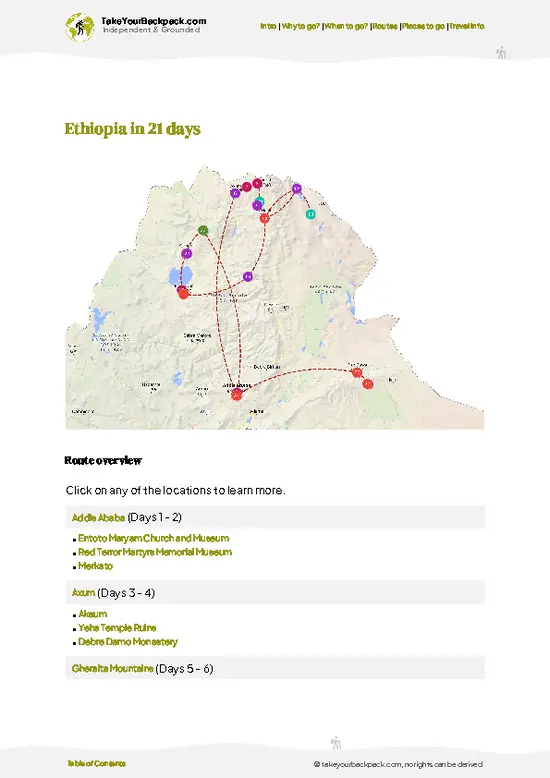
Use the Ethiopia Travel Guide’s 7, 14 & 21-day routes as a starting point to plan a trip that actually works on the ground.

Get the Travel Guide -

🌤️ When to go?When to go for the best experience


  • Topic: Weather and Temperature — Bishoftu’s best window is from October to February. Days hover around a comfortable 20-25°C (68-77°F), perfect for hiking and exploring without sweating buckets. Avoid the heavy rains of June to September, when downpours can turn trails into mudslides and dampen your vibe.

  • Topic: Daylight Hours — Near the equator, daylight is steady year-round, roughly 12 hours daily. This means you don’t have to rush your adventures or waste daylight hours waiting for the sun to rise or set.

  • Topic: Crowds — Peak tourist season aligns with the dry months, so expect more visitors from October to February. If you want fewer people, shoulder seasons like March or September offer a quieter experience but risk some rain.

  • Topic: Seasonal Activities — The dry season is prime
read more 👉

  • Topic: Weather and Temperature — Bishoftu’s best window is from October to February. Days hover around a comfortable 20-25°C (68-77°F), perfect for hiking and exploring without sweating buckets. Avoid the heavy rains of June to September, when downpours can turn trails into mudslides and dampen your vibe.

  • Topic: Daylight Hours — Near the equator, daylight is steady year-round, roughly 12 hours daily. This means you don’t have to rush your adventures or waste daylight hours waiting for the sun to rise or set.

  • Topic: Crowds — Peak tourist season aligns with the dry months, so expect more visitors from October to February. If you want fewer people, shoulder seasons like March or September offer a quieter experience but risk some rain.

  • Topic: Seasonal Activities — The dry season is prime for visiting Bishoftu’s crater lakes and enjoying outdoor festivals. The rainy season, while lush, limits access to some trails and outdoor events.

  • Topic: Price Fluctuations — Expect higher prices during the dry season when demand peaks. Booking ahead can save you money, but traveling in the shoulder months might score better deals if you’re flexible with weather.


Pro-tip: Aim for late October or early November—dry, mild, and just before the tourist surge hits full throttle. You’ll get the best mix of comfort, access, and value.


source: climatestotravel.comJANJanuary: excellent for travelingFEBFebruary: excellent for travelingMARMarch: good for travelingAPRApril: fair for travelingMAYMay: fair for travelingJUNJune: below average for travelingJULJuly: below average for travelingAUGAugust: below average for travelingSEPSeptember: good for travelingOCTOctober: excellent for travelingNOVNovember: excellent for travelingDECDecember: excellent for traveling
ethiopia-city-bishoftu v1
© Google |

✈️ The backpacker research shortcutEthiopia Travel Guide

An offline-friendly backpacking guide with optimized travel routes, ranked highlights, transport advice, and the best areas to stay.
example page 0 from our offline Travel Guide for Ethiopiaexample page 1 from our offline Travel Guide for Ethiopiaexample page 2 from our offline Travel Guide for Ethiopiaexample page 3 from our offline Travel Guide for Ethiopiaexample page 4 from our offline Travel Guide for Ethiopiaexample page 5 from our offline Travel Guide for Ethiopia
The digital guide (345 pages) contains:
101 highlights, ranked by travel appeal
Optimized 7, 14 & 21-day travel routes
Best neighborhoods to stay
How to get around
Offline-friendly for travel without Wi-Fi
👉 See all 30+ guide features

📅 Plan smarter in minutes, not weeks
Month by month travel advice
Festivals & national holidays
Budget expectations

🗺️ Go to the right places, skip the overrated ones
Honest pros & cons of destinations
Top hikes, parks & viewpoints
Lesser-known places most travelers miss
Clear “worth it vs skip it” guidance

🛏️ Travel smoothly without rookie mistakes
Best areas to stay
Transport systems explained simply
Common scams & safety advice
SIM cards, money & practical tips

🌍 Understand the country, not just visit it
Culture & traditions
52 Essential phrases & customs
Festivals worth planning around
Traveler-friendly historical context
Insights that make places more meaningful

📱 Built for real travel conditions
Fully downloadable PDF
Works completely offline
Optimized for phone use
Useful in remote areas & buses
Everything in one place
Save weeks of stressful planning
Get instant access to the full guide directly. 30-day money-back guarantee.


Sent to your inbox immediately after payment • 100% Secure Checkout
Best Backpacking Travel Advisor 2025 tourism awardBest Backpacking
Travel Advisor
2025
What others say about Take Your Backpack Guides:
⭐⭐⭐⭐⭐
Fantastic, amazing amount of information!
⭐⭐⭐⭐⭐
My goodness this is amazing, it's what I've been looking for hats off too you!
⭐⭐⭐⭐⭐
I think this is absolutely BRILLIANT
⭐⭐⭐⭐
Very complete and informative. It's still missing places, but I gotta to commend you
⭐⭐⭐⭐⭐
This is truly amazing, thank you, can't wait to explore it with my kids!
⭐⭐⭐⭐⭐
Awesome resource, thank you!
⭐⭐⭐⭐⭐
This is amazing! Can't wait to explore the ones I haven't seen
⭐⭐⭐⭐
I love this! Well done, great idea.
⭐⭐⭐⭐⭐
Thanks for taking the time to make this gem!
⭐⭐⭐⭐⭐
This might be the best website I've ever seen.
⭐⭐⭐⭐⭐
Congratulations, and thank you so much for your work; it's incredibly valuable.
⭐⭐⭐⭐
In all seriousness I think you did a great job pointing out the important spots
⭐⭐⭐⭐⭐
10/10 very good
⭐⭐⭐⭐⭐
As someone who's only just starting to visit regularly this is awesome, thank you.
⭐⭐⭐⭐
Thank you very much! I'm going to visit my dad, it's going to be very useful!
⭐⭐⭐⭐⭐
This is really cool! We'll be travelling for the first time and this definitely come in handy.
⭐⭐⭐⭐⭐
You are now our minister of culture, congratulations 👨‍💼
⭐⭐⭐⭐⭐
Just wanted to tell you that this is a pearl! Going to follow your recommendations.
⭐⭐⭐⭐⭐
This is so cool. I'll definitely be using the resource for my travels soon.
⭐⭐⭐⭐⭐
This is very impressive! Good work.
⭐⭐⭐⭐⭐
This is an amazing and informative site. Very well done!

🛏️ Where to stay?Where staying makes the most sense

In Bishoftu, the sweet spot for backpackers is the area around the town center, especially near the main market and the lakeside roads. This zone strikes a smart balance between safety and social buzz, making it a natural hub for solo travelers and budget-conscious visitors. You’ll find a handful of hostels and guesthouses here, modest but clean, offering a chance to meet fellow backpackers without the inflated prices of tourist traps.

Compared to the quieter residential neighborhoods on the outskirts, the town center pulses with local life—street vendors, cafes, and easy access to transport. … read more 👉
In Bishoftu, the sweet spot for backpackers is the area around the town center, especially near the main market and the lakeside roads. This zone strikes a smart balance between safety and social buzz, making it a natural hub for solo travelers and budget-conscious visitors. You’ll find a handful of hostels and guesthouses here, modest but clean, offering a chance to meet fellow backpackers without the inflated prices of tourist traps.

Compared to the quieter residential neighborhoods on the outskirts, the town center pulses with local life—street vendors, cafes, and easy access to transport. It’s not luxury, but it’s comfortable enough to recharge after a day exploring the crater lakes or nearby hiking spots. The vibe is casual and welcoming, with a mix of Ethiopian locals and international travelers, which means you get authentic interactions without feeling isolated.

If you stray too far into the industrial or suburban zones, you lose that social energy and convenience. So, for a backpacker who values connection and practicality, the town center area is the winning move.

🚌 Getting aroundMoving around without the hassle

Bishoftu moves at a pace that feels like a dance between order and improvisation. The city’s rhythm isn’t dictated by strict timetables but by a blend of local habits and the ebb and flow of daily life. You won’t find a clockwork transit system here; instead, you’ll navigate a living, breathing network where timing is flexible, and the real skill is reading the moment. This means your choices between time, money, and comfort aren’t just about what’s on paper—they’re about tuning into the city’s pulse and making smart, situational decisions.


  • Walking: The most reliable and cost-free way to get around Bishoftu’s compact center. Walking lets you control your pace and soak in the city’s atmosphere, but it’s slower and less practical for longer distances or during midday heat.


  • Minibus Taxis:
read more 👉
Bishoftu moves at a pace that feels like a dance between order and improvisation. The city’s rhythm isn’t dictated by strict timetables but by a blend of local habits and the ebb and flow of daily life. You won’t find a clockwork transit system here; instead, you’ll navigate a living, breathing network where timing is flexible, and the real skill is reading the moment. This means your choices between time, money, and comfort aren’t just about what’s on paper—they’re about tuning into the city’s pulse and making smart, situational decisions.


  • Walking: The most reliable and cost-free way to get around Bishoftu’s compact center. Walking lets you control your pace and soak in the city’s atmosphere, but it’s slower and less practical for longer distances or during midday heat.


  • Minibus Taxis: These shared minibuses run on semi-fixed routes and leave when full, so timing is unpredictable. Fares are low—usually under 20 ETB—and they’re faster than walking but can get cramped and uncomfortable during rush hours.


  • Motorcycle Taxis (Bajaj): A quick, affordable option for short hops or when you’re pressed for time. Expect to pay around 30-50 ETB depending on distance. They offer speed and flexibility but sacrifice comfort and safety, especially on rough roads.


  • Private Taxi: The most comfortable and fastest option, especially if you’re traveling with luggage or in a group. Prices vary widely but expect to pay significantly more than public options. Negotiation is key, and rides can be arranged on demand.


  • Intercity Buses: For trips outside Bishoftu, these buses operate on scheduled routes but can be delayed by local conditions. They’re cheap and relatively comfortable but require patience and some flexibility with departure times.


Understanding these options means you’re not just choosing how to get from A to B—you’re playing the Bishoftu transit game with eyes wide open, balancing your priorities and making every move count.

👛 Costs (as of 25 July 2025)How expensive it really is

Backpacking in Bishoftu, Ethiopia, offers a clear trade-off between cost and comfort, with prices reflecting the city’s modest but growing tourism infrastructure.
  • Dorm Accommodation (High Season): Expect to pay around $8 to $12 per night. High season pushes prices up slightly due to demand, but options remain basic, often with shared bathrooms and simple amenities.
  • Dorm Accommodation (Off-Season): Prices drop to about $5 to $8 per night. Fewer travelers mean better bargaining power, and you might snag a quieter spot with the same basic facilities.
  • Meals: Local eateries serve filling meals for $2 to $4 each. Traditional dishes like injera with stews dominate, offering both value and authentic flavor. Western-style meals or cafes will cost more, around $5 to $7.
  • Local Transport: Minibuses
read more 👉
Backpacking in Bishoftu, Ethiopia, offers a clear trade-off between cost and comfort, with prices reflecting the city’s modest but growing tourism infrastructure.
  • Dorm Accommodation (High Season): Expect to pay around $8 to $12 per night. High season pushes prices up slightly due to demand, but options remain basic, often with shared bathrooms and simple amenities.
  • Dorm Accommodation (Off-Season): Prices drop to about $5 to $8 per night. Fewer travelers mean better bargaining power, and you might snag a quieter spot with the same basic facilities.
  • Meals: Local eateries serve filling meals for $2 to $4 each. Traditional dishes like injera with stews dominate, offering both value and authentic flavor. Western-style meals or cafes will cost more, around $5 to $7.
  • Local Transport: Minibuses and shared taxis are the norm, costing roughly $0.20 to $0.50 per trip within the city. They’re frequent but can be crowded and irregular in schedule.
  • City Transport Pass: Bishoftu doesn’t have a formal city transport pass system. Budget for individual fares or occasional private taxis, which run about $1 to $3 depending on distance.
  • Basic Activities/Entry Fees: Visiting local attractions like crater lakes or cultural sites typically costs $1 to $3. Guided tours or special experiences can push this higher but remain affordable.
  • Miscellaneous Expenses: Budget $1 to $3 daily for essentials like bottled water, snacks, or small tips. Internet cafes or SIM cards are cheap but vary in quality and speed.

All told, a realistic daily budget for backpacking in Bishoftu ranges from about $10 on a tight budget in the off-season to $20 or slightly more if you lean toward comfort and convenience. The key trade-off here is between spending a few extra dollars for a bit more comfort or saving by embracing the local pace and simplicity.


source: ethiopia.travel
⚠️ Prices can change and everyone travels differently, so take this as a rough guide. Hope it helps you plan your adventure!

🚌 Day tripsShort trips worth adding

Bishoftu is a fantastic launchpad for day trips that blend adventure with cultural immersion. Here are some standout options that pack a punch without draining your wallet.

Lake Bishoftu
Just a short 30-minute ride from the city, Lake Bishoftu is a serene escape. You can rent a boat for a few bucks and paddle around, soaking in the views of the surrounding hills. The best time to visit is early morning when the mist hangs over the water, creating a magical atmosphere. A common mistake? Forgetting to bring snacks; the local eateries can be hit or miss.


Debre Zeyit
About 45 minutes from Bishoftu, Debre Zeyit offers a mix of history and nature. Explore the ancient church of St. Mary, then hike up to the nearby hills for panoramic views. Expect to spend around $10 for transport and entrance … read more 👉
Bishoftu is a fantastic launchpad for day trips that blend adventure with cultural immersion. Here are some standout options that pack a punch without draining your wallet.

Lake Bishoftu
Just a short 30-minute ride from the city, Lake Bishoftu is a serene escape. You can rent a boat for a few bucks and paddle around, soaking in the views of the surrounding hills. The best time to visit is early morning when the mist hangs over the water, creating a magical atmosphere. A common mistake? Forgetting to bring snacks; the local eateries can be hit or miss.


Debre Zeyit
About 45 minutes from Bishoftu, Debre Zeyit offers a mix of history and nature. Explore the ancient church of St. Mary, then hike up to the nearby hills for panoramic views. Expect to spend around $10 for transport and entrance fees. The dry season from October to March is ideal, but be cautious of the midday sun. Many first-timers underestimate the hike’s intensity, so pack plenty of water.


Koka Dam
Roughly an hour away, Koka Dam is a hidden treasure for those who appreciate engineering marvels. The dam itself is impressive, and the surrounding area is perfect for a picnic. You can get there for about $15 total, including transport. The dry season is best for clear skies, but be aware that weekends can get crowded with locals. Don’t miss the chance to chat with fishermen; they often have great stories to share.


Mount Entoto
For a more challenging day, head to Mount Entoto, about 1.5 hours from Bishoftu. The views from the summit are breathtaking, and the trail offers a good workout. Budget around $20 for transport and snacks. The dry season is preferable, but be prepared for cooler temperatures at higher elevations. A common pitfall is underestimating the trail’s difficulty; wear sturdy shoes and be ready for a sweat.
Want to know what more Ethiopia offers?
The Ethiopia Travel Guide describes 101 highlights, from cities to national parks, from beaches to hikes

Get the Travel Guide -

🍲 FoodLocal Cuisine & Drinks

In Bishoftu, food is a vibrant tapestry of flavors that beckons you to dive in. Start with injera, the spongy sourdough flatbread that serves as both plate and utensil. Pair it with doro wat, a spicy chicken stew that packs a punch, or shiro, a chickpea-based delight that’s rich and comforting.

Street vendors line the bustling markets, offering sambusas—crispy pastries filled with lentils or meat. Grab one on the go and savor the crunch. Cafés buzz with locals sipping buna, traditional Ethiopian coffee, brewed in a ceremonial style that’s as much about the experience as the drink itself.

Etiquette here is key: share your food and enjoy meals with others. It’s not just about eating; it’s about connecting. Embrace the communal spirit, and you’ll find that every bite tells a story.

🛡️ SafetyScams, Hazards, and Annoyances

Bishoftu is generally safe, but a few smart moves can enhance your experience. Stay alert in crowded markets, where pickpockets might lurk. If you’re solo, avoid wandering too far after dark; stick to well-lit areas and main streets.

Common scams are rare, but be cautious of overly friendly locals who might lead you to shops with inflated prices. Always negotiate taxi fares upfront to avoid surprises. Carry your belongings close, and maintain a confident demeanor. This isn’t just about safety; it’s about enjoying the vibrant life around you without unnecessary distractions.

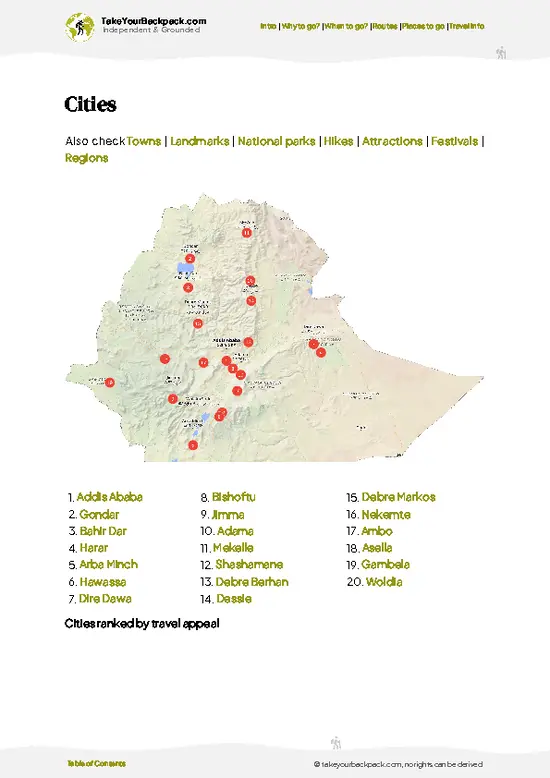
Other Ethiopian cities near Bishoftu

Explore more nearby:

  • Addis Ababa—Mercato market, national museums, Entoto hills, diplomatic quarter| 39 km away
  • Adama—Hot springs, transport hub, modern hotels| 40 km away
  • Asella—Bale Mountains access, barley fields, cool climate| 90 km away

👉 Discover all cities

Or checkout all Ethiopia has to offer (think cities, towns, villages, national parks, hikes, beaches, festivals)
Country photo of Ethiopia

We 💚 feedbackKey takeaways before you go

Bishoftu’s lakes are a breath of fresh air, offering serene beauty and a chance to connect with nature. But be ready for the reality check: infrastructure can be hit-or-miss, and getting around might take longer than you’d like. Embrace the slow pace; it’s part of the charm. Just don’t expect everything to run like clockwork.

✈️ When did I visit Ethiopia?
Ethiopia I visited back in October 2017. I combined the trip with a visit to Sudan. Ethiopia was a pure suprise with the magical scenery like the Danikal Depression and the Simien Mountains.

✍️ Help improve this page!
The information on this page is based on my own backpacking experience in Ethiopia, supplemented with up-to-date research and feedback from other travelers. Travel details can change, so if you notice anything outdated or incomplete, feel free to let me know.


🙋‍♂️ Give feedback

👋 Meet the founderWho’s Behind Take Your Backpack?

Johan, backpacker and founder of TakeYourBackpackHi, I’m Johan (Netherlands 🇳🇱), the creator of TakeYourBackpack. Over the past decade, I’ve backpacked through 80+ countries across six continents, gaining extensive experience with independent travel, long-term trips, and overland routes.

This site is built on a combination of firsthand travel experience and carefully curated insights from other backpackers. Many guides are based on places I’ve personally visited, while others bring together tips, observations, and practical advice shared by trusted travelers I’ve met along the way.

The goal is to provide realistic, experience-driven guidance — not generic itineraries — so you can explore destinations with better context, clearer expectations, and more confidence.

Get Full Country Guide |
Instant download • 101 highlights • Full Offline guide