×

Ethiopia🇪🇹 | citiesGambelaBaro River, national park, Anuak culture | things to do and best time to go

Explore BishoftuExplore Nekemte

Backpacking in Gambela
👌 Worth visitingcity ranked #17
By Johan Kruseman 🇳🇱 | Updated June 19, 2026

Most travelers only realize after arriving: Gambela’s slow pace is its secret weapon. You can actually breathe here—no frantic touts, no crowds elbowing you at dawn. Tucked in Ethiopia’s far west, near the South Sudan border, Gambela feels like a different country: tropical, river-laced, and home to the Anuak and Nuer peoples. There’s not much in the way of nightlife or backpacker hostels, but the riverside market, colonial-era buildings, and the wild, hippo-filled Gambela National Park are worth the trek. It’s cheaper and more relaxed than Bahir Dar or Addis, but you’ll trade convenience for authenticity. Safety is decent, but you’ll stand out—embrace it.

Discover everything you want to know in the 📖 Ethiopia Travel Guide.
Safety warning

The current risk level for Ethiopia is high. Check the advice before going.


Get your Ethiopia guide
101 ranked highlights, routes & tips, works offline (395 pages)
Loading the map 🌍
CLICK TO FILTER
cities
towns
landmarks
national parks
hikes
attractions
festivals
regions
SHOW COUNTRY’S BESTSHOW ALL

✨ Why go?
Ranked #17 city in Ethiopia
What makes this city worth visiting

Gambela is a strategic basecamp for backpackers exploring southwestern Ethiopia. It offers a blend of affordable hostels and local eateries, making it easy on the wallet while providing a taste of authentic Ethiopian life. The city is walkable, allowing you to soak in the atmosphere without needing a taxi. While nightlife is low-key, you’ll find spots to unwind after a day of adventure. Plus, it’s a convenient jump-off point for day trips to nearby attractions, ensuring you maximize your time without sacrificing comfort. If you’re after a mix of culture and accessibility, Gambela fits the bill perfectly.
Want to include Gambela in your Ethiopia route?
Create a personalized Ethiopia itinerary that includes Gambela and the places that fit your trip — based on your travel style, budget, and available time. Get your route in seconds.

Generate my trip

💡 HighlightsWhat this place is best known for

  1. Baro River quay (riverside) — The waterfront is the city’s pulse: boat traffic, fishermen, and people watching. Walk the quay at sunrise or late afternoon to see loading and unloading, local fish stalls, and the slow rhythm of river life.
  2. Gambela Central Market (main bazaar) — A bustling open-air market where you’ll find fresh produce, spices, fabrics and small household goods. It’s the best place to eavesdrop on daily life, taste street snacks, and practice your bargaining skills.
  3. Weekly livestock market — Cattle and small-stock trading is a major social event here. Traders (many from Nuer and Anuak communities) converge to buy and sell; it’s noisy, vivid, and a great way to see local customs around livestock and trade. Check locally for the market day.
  4. Riverside fish market and smokehouses
read more 👉
  1. Baro River quay (riverside) — The waterfront is the city’s pulse: boat traffic, fishermen, and people watching. Walk the quay at sunrise or late afternoon to see loading and unloading, local fish stalls, and the slow rhythm of river life.
  2. Gambela Central Market (main bazaar) — A bustling open-air market where you’ll find fresh produce, spices, fabrics and small household goods. It’s the best place to eavesdrop on daily life, taste street snacks, and practice your bargaining skills.
  3. Weekly livestock market — Cattle and small-stock trading is a major social event here. Traders (many from Nuer and Anuak communities) converge to buy and sell; it’s noisy, vivid, and a great way to see local customs around livestock and trade. Check locally for the market day.
  4. Riverside fish market and smokehouses — Right along the Baro, fish are filleted, smoked and sold. Visiting the smokehouses gives a hands-on sense of local foodways and you can try freshly grilled or smoked river fish at small riverside stands.
  5. Gambela University campus — A compact campus where you can stroll, see student life, and sometimes catch talks, cultural nights or exhibitions. It’s useful for a quieter, people-centered glimpse of the city away from the bazaar noise.
  6. Gambela Stadium / sports ground — Local football matches and community events happen here. If there’s a game on, it’s an inexpensive, lively way to join locals cheering and to pick up on popular culture and local rivalries.
  7. Baro River ferry/boat launches — Short boat trips from the city launch points take you to nearby riverside villages and wetlands. Even a brief ride is a sensory change — water, birds, and a slower pace — and a practical way to meet people who live along the river.
  8. Local handicraft and tailor stalls — Small workshops and street stalls sell woven mats, beadwork and tailor-made clothes. These aren’t polished tourist shops; they’re working craft spots where you can commission something simple and support local makers directly.
  9. Neighborhood walks in Anuak and Nuer quarters — Guided or respectful self-guided walks through residential neighborhoods are where you’ll see everyday architecture, community interactions, and markets focused on local needs. Ask permission and go with a local fixer if possible — you’ll get far more genuine interactions.
  10. Regional administration square and civic memorials — The civic center area (administration buildings, small plaques and memorials) tells the recent political history of the region. It’s not flashy, but it’s where locals gather for ceremonies and where you can read up (and ask around) about Gambela’s modern story.
A few good day trips from Gambela city: Gambela National Park (wildlife and floodplain scenery), longer boat trips up the Baro wetlands, and visits to nearby riverside villages — Gambela National Park is my personal favorite.
Spotted a mistake or missing something? Contact us.

🏘️ NeighborhoodsNeighborhood guide to Gambela

Gambela is a unique blend of cultures and experiences, perfect for backpackers seeking authenticity.

City Center: The heartbeat of Gambela. It’s bustling, with local markets and street food. Affordable accommodations are plentiful. Walkable streets make it easy to explore. Nightlife is lively but not overwhelming, ideal for short stays.

Gambela University Area: A quieter vibe, this area attracts students and offers budget-friendly guesthouses. It’s less touristy, giving you a taste of local life. Transport options are decent, but you might need to walk a bit. Great for longer stays if you want to immerse yourself.

Baro Riverfront: Stunning views and a relaxed atmosphere. Perfect for unwinding after a day of exploration. Accommodations here can be pricier, but the scenery is worth it. Ideal … read more 👉
Gambela is a unique blend of cultures and experiences, perfect for backpackers seeking authenticity.

City Center: The heartbeat of Gambela. It’s bustling, with local markets and street food. Affordable accommodations are plentiful. Walkable streets make it easy to explore. Nightlife is lively but not overwhelming, ideal for short stays.

Gambela University Area: A quieter vibe, this area attracts students and offers budget-friendly guesthouses. It’s less touristy, giving you a taste of local life. Transport options are decent, but you might need to walk a bit. Great for longer stays if you want to immerse yourself.

Baro Riverfront: Stunning views and a relaxed atmosphere. Perfect for unwinding after a day of exploration. Accommodations here can be pricier, but the scenery is worth it. Ideal for those seeking tranquility and a longer retreat.

⌛️ 1 dayHow to make the most of one day

Gambela, Ethiopia, is a vibrant crossroads of cultures, where the Baro River flows and diverse communities converge. Start your day in the bustling Gambela Market, where the air is thick with the scent of spices and fresh produce. Engage with local vendors; they’re often eager to share stories about their goods.

After soaking in the market’s energy, head to the nearby Gambela National Park. It’s a bit off the typical tourist path but offers a chance to see unique wildlife and stunning landscapes. A guided walk here can be both enlightening and refreshing, allowing you to connect with nature.

As afternoon rolls in, explore the town’s neighborhoods, like the lively Abobo area, where you can grab a local lunch at a small eatery. Try some injera with doro wat; it’s a must.

In the evening, … read more 👉
Gambela, Ethiopia, is a vibrant crossroads of cultures, where the Baro River flows and diverse communities converge. Start your day in the bustling Gambela Market, where the air is thick with the scent of spices and fresh produce. Engage with local vendors; they’re often eager to share stories about their goods.

After soaking in the market’s energy, head to the nearby Gambela National Park. It’s a bit off the typical tourist path but offers a chance to see unique wildlife and stunning landscapes. A guided walk here can be both enlightening and refreshing, allowing you to connect with nature.

As afternoon rolls in, explore the town’s neighborhoods, like the lively Abobo area, where you can grab a local lunch at a small eatery. Try some injera with doro wat; it’s a must.

In the evening, unwind by the riverbank. The sunset casts a warm glow, perfect for reflection. Grab a coffee at a local café, where you can chat with residents about their lives. This day in Gambela isn’t just about sights; it’s about the people and experiences that make it truly special.
Turn your Gambela visit into an Ethiopia adventure
Build a complete Ethiopia route with Gambela, hidden gems, must-see destinations, and realistic travel times included.

Generate my trip

🌤️ When to go?Weather, crowds, and seasonal trade-offs


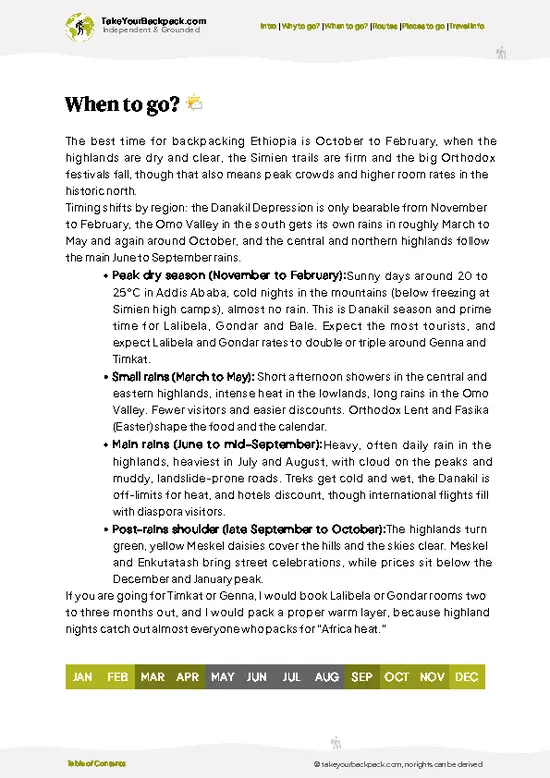
  • Weather: Gambela’s climate is tropical, with a wet season from April to October. Heavy rains can turn trails into mud traps, so avoid these months if you want dry hiking conditions.

  • Temperature: Daytime highs hover around 28-32°C (82-90°F) year-round, but humidity spikes during the rainy season, making it feel hotter and stickier.

  • Daylight Hours: Near the equator, Gambela enjoys roughly 12 hours of daylight year-round, so no need to adjust your schedule seasonally.

  • Crowds: Tourist numbers peak in the dry season (November to March), so expect more fellow travelers and slightly higher prices then.

  • Seasonal Activities: Wildlife spotting is best in the dry months when animals gather around water sources, turning the experience from good to exceptional.

  • Price Fluctuations: Accommodation
read more 👉

  • Weather: Gambela’s climate is tropical, with a wet season from April to October. Heavy rains can turn trails into mud traps, so avoid these months if you want dry hiking conditions.

  • Temperature: Daytime highs hover around 28-32°C (82-90°F) year-round, but humidity spikes during the rainy season, making it feel hotter and stickier.

  • Daylight Hours: Near the equator, Gambela enjoys roughly 12 hours of daylight year-round, so no need to adjust your schedule seasonally.

  • Crowds: Tourist numbers peak in the dry season (November to March), so expect more fellow travelers and slightly higher prices then.

  • Seasonal Activities: Wildlife spotting is best in the dry months when animals gather around water sources, turning the experience from good to exceptional.

  • Price Fluctuations: Accommodation and transport costs rise during the dry season due to demand; the wet season offers bargains but at the cost of comfort and accessibility.


Pro-tip: Aim for late November or early March—dry enough for easy trekking, fewer crowds than peak season, and better deals than the high season frenzy.


source: climatestotravel.comJANJanuary: excellent for travelingFEBFebruary: excellent for travelingMARMarch: highly recommended for travelingAPRApril: fair for travelingMAYMay: fair for travelingJUNJune: fair for travelingJULJuly: fair for travelingAUGAugust: fair for travelingSEPSeptember: fair for travelingOCTOctober: fair for travelingNOVNovember: highly recommended for travelingDECDecember: excellent for traveling
when-to-go

✈️ The backpacker research shortcutEthiopia Travel Guide

An offline-friendly backpacking guide with optimized travel routes, ranked highlights, transport advice, and the best areas to stay.
example page 0 from our offline Travel Guide for Ethiopia
example page 1 from our offline Travel Guide for Ethiopia
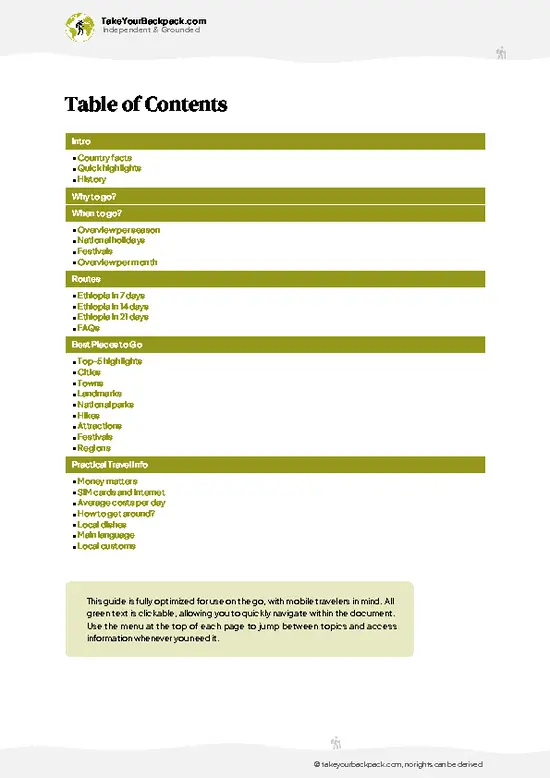
example page 2 from our offline Travel Guide for Ethiopia
example page 3 from our offline Travel Guide for Ethiopia
example page 4 from our offline Travel Guide for Ethiopia
example page 5 from our offline Travel Guide for Ethiopia
example page 6 from our offline Travel Guide for Ethiopia
example page 7 from our offline Travel Guide for Ethiopia
The digital guide (395 pages) contains:
101 highlights, ranked by travel appeal
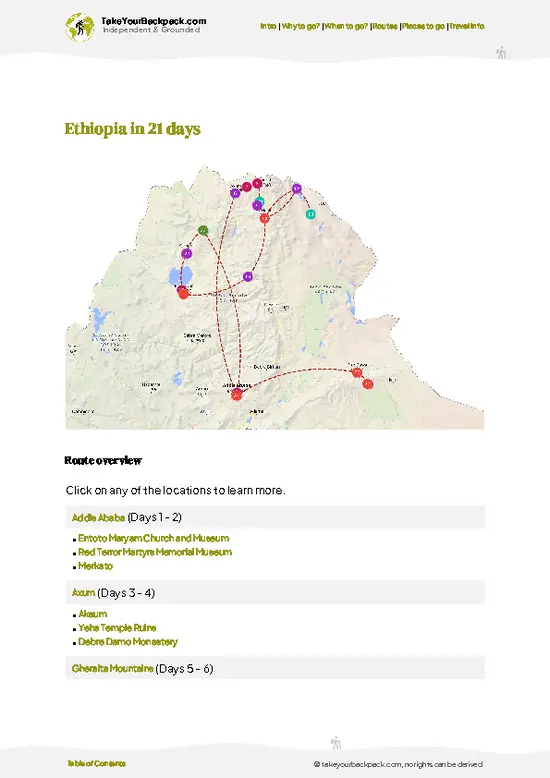
Optimized 7, 14 & 21-day travel routes
Cities, national parks, landmarks, beaches
How to get around
Offline-friendly for travel without Wi-Fi
👉 Click to see all 30+ guide features

📅 Plan smarter in minutes, not weeks
Month by month travel advice
Festivals & national holidays
Budget expectations

🗺️ Go to the right places, skip the overrated ones
Honest pros & cons of destinations
Top hikes, parks & viewpoints
Lesser-known places most travelers miss
Clear “worth it vs skip it” guidance

🛏️ Travel smoothly without rookie mistakes
Best areas to stay
Transport systems explained simply
Common scams & safety advice
SIM cards, money & practical tips

🌍 Understand the country, not just visit it
Culture & traditions
52 Essential phrases & customs
Festivals worth planning around
Traveler-friendly historical context
Insights that make places more meaningful

📱 Built for real travel conditions
Fully downloadable PDF
Works completely offline
Optimized for phone use
Useful in remote areas & buses
Everything in one place
Save weeks of stressful planning
Get instant access to your full guide. 30‑day money-back guarantee.


By proceeding you agree to our terms.
Sent to your inbox immediately after payment • 100% Secure Checkout
Best Backpacking Travel Advisor 2025 tourism awardBest Backpacking
Travel Advisor
2025
What others say about Take Your Backpack Guides:
⭐⭐⭐⭐⭐
Fantastic, amazing amount of information!
⭐⭐⭐⭐⭐
My goodness this is amazing, it's what I've been looking for hats off too you!
⭐⭐⭐⭐⭐
I think this is absolutely BRILLIANT
⭐⭐⭐⭐
Very complete and informative. It's still missing places, but I gotta to commend you
⭐⭐⭐⭐⭐
This is truly amazing, thank you, can't wait to explore it with my kids!
⭐⭐⭐⭐⭐
Awesome resource, thank you!
⭐⭐⭐⭐⭐
This is amazing! Can't wait to explore the ones I haven't seen
⭐⭐⭐⭐
I love this! Well done, great idea.
⭐⭐⭐⭐⭐
Thanks for taking the time to make this gem!
⭐⭐⭐⭐⭐
This might be the best website I've ever seen.
⭐⭐⭐⭐⭐
Congratulations, and thank you so much for your work; it's incredibly valuable.
⭐⭐⭐⭐
In all seriousness I think you did a great job pointing out the important spots
⭐⭐⭐⭐⭐
10/10 very good
⭐⭐⭐⭐⭐
As someone who's only just starting to visit regularly this is awesome, thank you.
⭐⭐⭐⭐
Thank you very much! I'm going to visit my dad, it's going to be very useful!
⭐⭐⭐⭐⭐
This is really cool! We'll be travelling for the first time and this definitely come in handy.
⭐⭐⭐⭐⭐
You are now our minister of culture, congratulations 👨‍💼
⭐⭐⭐⭐⭐
Just wanted to tell you that this is a pearl! Going to follow your recommendations.
⭐⭐⭐⭐⭐
This is so cool. I'll definitely be using the resource for my travels soon.
⭐⭐⭐⭐⭐
This is very impressive! Good work.
⭐⭐⭐⭐⭐
This is an amazing and informative site. Very well done!

🛏️ Where to stay?How to pick the right area

In Gambela, the best spot for backpackers is the city center near the main market area. It’s where you’ll find a cluster of budget accommodations and a steady flow of fellow travelers, making it easy to connect and swap stories. This area balances safety and social energy without the chaos of busier commercial zones. Compared to the outskirts or more residential neighborhoods, the center offers better access to local eateries and transport options, which means less time wasted and more time soaking in the city’s rhythm. Hostels here tend to be basic but reliable, perfect for those who prioritize … read more 👉
In Gambela, the best spot for backpackers is the city center near the main market area. It’s where you’ll find a cluster of budget accommodations and a steady flow of fellow travelers, making it easy to connect and swap stories. This area balances safety and social energy without the chaos of busier commercial zones. Compared to the outskirts or more residential neighborhoods, the center offers better access to local eateries and transport options, which means less time wasted and more time soaking in the city’s rhythm. Hostels here tend to be basic but reliable, perfect for those who prioritize meeting people and staying within a tight budget over luxury. Gambela’s vibe in this zone is straightforward and practical—no frills, just the essentials for a smooth, social stay.

🚌 Getting aroundTransportation options and practical tips

Gambela moves at its own rhythm—less a clockwork machine and more a pulse you feel in the streets. It’s a place where timetables exist but bend, and where the flow of people and vehicles is a dance between necessity and improvisation. If you want to master getting around here, you need to think less about strict schedules and more about reading the moment: when a minibus fills up, when a boat is ready to push off, or when the sun starts to dip and the city slows down. This is a city where your choices between time, money, and comfort aren’t just trade-offs—they’re strategic moves in a game you’re learning to win.


  • Walking: The ultimate budget option. Gambela’s compact center means many key spots are within a 20-30 minute stroll. Zero cost, full control, and a chance to soak in the city’s
read more 👉
Gambela moves at its own rhythm—less a clockwork machine and more a pulse you feel in the streets. It’s a place where timetables exist but bend, and where the flow of people and vehicles is a dance between necessity and improvisation. If you want to master getting around here, you need to think less about strict schedules and more about reading the moment: when a minibus fills up, when a boat is ready to push off, or when the sun starts to dip and the city slows down. This is a city where your choices between time, money, and comfort aren’t just trade-offs—they’re strategic moves in a game you’re learning to win.


  • Walking: The ultimate budget option. Gambela’s compact center means many key spots are within a 20-30 minute stroll. Zero cost, full control, and a chance to soak in the city’s textures—but be ready for uneven sidewalks and the midday heat.

  • Minibus Taxi: The backbone of local transit. Runs roughly from 6 AM to 8 PM, fares hover around 10-20 ETB. It’s cheap and relatively quick, but expect crowding and stops on demand, so comfort is minimal and timing flexible.

  • Motorcycle Taxi (Bajaj): Faster and more direct than minibuses, especially for short hops. Prices vary (20-50 ETB) depending on distance and negotiation skills. Offers a breeze of comfort and speed but less safety and no fixed schedule.

  • Boat on the Baro River: For crossing or scenic detours, boats run irregularly and depend on demand and river conditions. Costs are low but timing is unpredictable, so factor in potential delays if you choose this route.

👛 Costs (as of 23 June 2026)How expensive it really is

Backpacking in Gambela, Ethiopia, comes with a distinct cost profile shaped by its remote location and developing infrastructure. Understanding these costs lets you decide where to save and where to invest for a smoother, richer experience.
  • Dorm Accommodation (High Season and Off-Season): Dorm beds in Gambela are limited and basic. During high season, expect to pay around $8-$12 per night. Off-season, prices drop to about $5-$7. The quality is modest—think simple rooms with shared bathrooms, but clean enough for a good rest.
  • Meals: Local eateries serve hearty meals for $2-$4 each. Street food is even cheaper, often under $1.50, but stick to cooked dishes to avoid stomach trouble. Western-style restaurants are rare and pricier, around $6-$10 per meal.
  • Local Transport: Gambela’s transport
read more 👉
Backpacking in Gambela, Ethiopia, comes with a distinct cost profile shaped by its remote location and developing infrastructure. Understanding these costs lets you decide where to save and where to invest for a smoother, richer experience.
  • Dorm Accommodation (High Season and Off-Season): Dorm beds in Gambela are limited and basic. During high season, expect to pay around $8-$12 per night. Off-season, prices drop to about $5-$7. The quality is modest—think simple rooms with shared bathrooms, but clean enough for a good rest.
  • Meals: Local eateries serve hearty meals for $2-$4 each. Street food is even cheaper, often under $1.50, but stick to cooked dishes to avoid stomach trouble. Western-style restaurants are rare and pricier, around $6-$10 per meal.
  • Local Transport: Gambela’s transport options are sparse. Bajaj (three-wheelers) rides typically cost $0.50-$1 for short trips. For longer distances, shared minibuses run about $1-$2. Walking is often the best way to explore the town without spending.
  • City Transport Pass: There is no formal city transport pass in Gambela. Budget travelers rely on bajaj or walking, so no extra cost here.
  • Basic Activities/Entry Fees: Entry fees to local attractions like the Gambela National Park are around $5-$10. Guided tours, if available, can push costs higher, but independent exploration keeps expenses low.
  • Miscellaneous Expenses: Expect to spend $1-$3 daily on essentials like bottled water, snacks, or small tips. Internet access is patchy and often requires buying data bundles, costing about $1-$2 per day for basic use.

All told, a realistic daily budget for backpacking in Gambela ranges from $15 to $30. This spread reflects your choices between basic comfort and a bit more convenience. Gambela isn’t about luxury; it’s about embracing simplicity and the unexpected rhythms of a less-traveled Ethiopian town. Knowing where your money goes lets you play the system smartly, turning every dollar into a deliberate step in your adventure.


source: ethiopia.travel
⚠️ Prices can change and everyone travels differently, so take this as a rough guide. Hope it helps you plan your adventure!

🚌 Day tripsShort trips worth adding

Gambela, Ethiopia, is a fantastic launchpad for day trips that blend culture, nature, and adventure. Here are some standout options.

Omo National Park
Just a couple of hours from Gambela, Omo National Park offers a wild escape into Ethiopia’s diverse ecosystems. You’ll spot unique wildlife like the endangered Swayne’s hartebeest and vibrant bird species. The park’s rugged beauty is best explored during the dry season from October to April. Budget around $20 for transport and park fees. A common mistake? Underestimating the time needed for travel; plan for a full day to soak it all in.
👉 Explore Omo National Park

Jikawo
A short ride from Gambela, Jikawo is a charming town that showcases local life. Spend your day wandering through markets, sampling traditional dishes, and engaging with … read more 👉
Gambela, Ethiopia, is a fantastic launchpad for day trips that blend culture, nature, and adventure. Here are some standout options.

Omo National Park
Just a couple of hours from Gambela, Omo National Park offers a wild escape into Ethiopia’s diverse ecosystems. You’ll spot unique wildlife like the endangered Swayne’s hartebeest and vibrant bird species. The park’s rugged beauty is best explored during the dry season from October to April. Budget around $20 for transport and park fees. A common mistake? Underestimating the time needed for travel; plan for a full day to soak it all in.
👉 Explore Omo National Park

Jikawo
A short ride from Gambela, Jikawo is a charming town that showcases local life. Spend your day wandering through markets, sampling traditional dishes, and engaging with friendly locals. The journey takes about an hour, and you can do it for under $10. The best time to visit is during the harvest season, when the markets are bustling. Many first-timers miss out on the local food scene, so don’t skip the street vendors!


Baro River
The Baro River is perfect for a day of relaxation and exploration. Rent a canoe or take a guided boat tour to enjoy the serene waters and spot wildlife along the banks. It’s about a 30-minute trip from Gambela, costing around $15 for rentals. The best time is during the dry season when the river is calm. A common oversight is not bringing enough water and snacks for the journey.


Itang
Just a quick 20-minute drive, Itang offers a glimpse into the rich cultural tapestry of the Nuer people. Visit local villages and learn about their traditions. Expect to spend around $10 for transport. The dry season is ideal for visiting, as roads can get muddy. First-timers often overlook the importance of respectful engagement; approach with curiosity and openness.
Want to know what more Ethiopia offers?
The Ethiopia Travel Guide describes 101 highlights, from cities to national parks, from beaches to hikes

Get the Travel Guide -

🍲 FoodLocal Cuisine & Drinks

In Gambela, local cuisine bursts with flavor and community spirit. Dive into wat, a spicy stew often made with lentils or meat, served atop injera, a tangy flatbread that doubles as your utensil. Street vendors line the bustling markets, where the aroma of grilled kitfo—raw minced beef seasoned with spices—fills the air.

For drinks, try t’ej, a honey wine that’s a staple at social gatherings. Sharing a round is customary, so don’t be shy about joining in. Eating with your hands is the norm, and it’s all about the communal experience. Embrace the lively atmosphere; it’s where the heart of Gambela truly beats.

🛡️ SafetyStaying Safe: What Travelers Should Know

Gambela is generally safe, but like any city, it has its nuances. Stay alert in crowded markets and avoid flashing valuables. Solo travelers should stick to well-lit areas at night; it’s quieter than you might expect.

Common scams are rare, but be cautious of overly friendly locals who might want to guide you for a fee. Carry yourself confidently, and don’t hesitate to say no. A friendly smile goes a long way, but trust your instincts. Enjoy the experience without letting minor annoyances derail your adventure.

Other Ethiopian cities near Gambela

Explore more nearby:

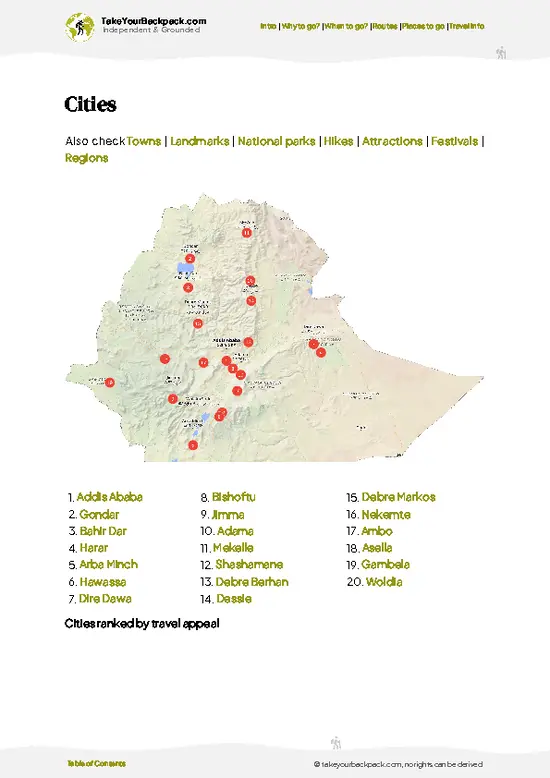
  • Nekemte—Western highlands, coffee trading, Oromo heritage| 236 km away
  • Jimma—Coffee farms, palace ruins, forested hills| 256 km away
  • Ambo—Mineral springs, university town, eucalyptus forests| 376 km away

💡 Not sure where to go next?
Create a personalized itinerary for Ethiopia including Gambela and the places that fit your trip.

Generate my itinerary

👉 Discover all cities

Or checkout all Ethiopia has to offer (think cities, towns, villages, national parks, hikes, beaches, festivals)
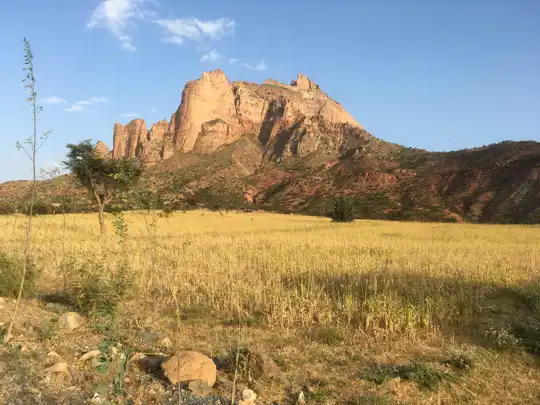
Country photo of Ethiopia

We 💚 feedbackIs it worth it?

Gambela offers a raw, unfiltered glimpse into Ethiopia’s diverse cultures, especially the vibrant lives of the Nuer and Anuak people. But be ready for basic amenities; comfort isn’t always guaranteed. Embrace the adventure, and you’ll find the heart of Ethiopia waiting for you.

✈️ When did I visit Ethiopia?
Ethiopia I visited back in October 2017. I combined the trip with a visit to Sudan. Ethiopia was a pure suprise with the magical scenery like the Danikal Depression and the Simien Mountains.

✍️ Help improve this page!
The information on this page is based on my own backpacking experience in Ethiopia, supplemented with up-to-date research and feedback from other travelers. Travel details can change, so if you notice anything outdated or incomplete, feel free to let me know.


🙋‍♂️ Give feedback

👋 Meet the founderWho’s Behind Take Your Backpack?

Johan, backpacker and founder of TakeYourBackpackHi, I’m Johan (Netherlands 🇳🇱), the creator of TakeYourBackpack. Over the past decade, I’ve backpacked through 80+ countries across six continents, gaining extensive experience with independent travel, long-term trips, and overland routes.

This site is built on a combination of firsthand travel experience and carefully curated insights from other backpackers. Many guides are based on places I’ve personally visited, while others bring together tips, observations, and practical advice shared by trusted travelers I’ve met along the way.

The goal is to provide realistic, experience-driven guidance — not generic itineraries — so you can explore destinations with better context, clearer expectations, and more confidence.

Get full Ethiopia guide •
Instant download • 101 highlights • Full Offline guide