×

Ethiopia🇪🇹 | citiesAddis AbabaMercato market, national museums, Entoto hills, diplomatic quarter | things to do and best time to go

Explore Gondar Fasilides BathExplore Bahir Dar

Backpacking in Addis Ababa
🏆 Top pickcity ranked #1
By Johan Kruseman 🇳🇱 | Updated June 15, 2026

Here’s what most travelers only realize on their way out: Addis Ababa is one of the rare African capitals where you can walk between major sights without needing a taxi every ten minutes. That’s a gift for your wallet and your sense of orientation. Smack in the Ethiopian highlands, almost dead center in the country, Addis is a city that feels both sprawling and oddly navigable. Backpackers get the National Museum (yes, Lucy’s bones are here), the Red Terror Martyrs Memorial, and the chaos of Mercato—Africa’s largest open-air market—all within a day’s wander. The city’s energy is relentless, but not overwhelming; you’ll find locals quick to chat, and the backpacker scene is small but tight-knit, especially around Piazza and Bole. Costs are low, but so is predictability—expect power cuts and traffic jams. Compared to Bahir Dar or Lalibela, Addis is less postcard-pretty, but it’s the best place to understand modern Ethiopia’s pulse. Safety? Mostly fine, but watch your pockets. The vibe: half construction site, half coffee ceremony, always moving.

Discover everything you want to know in the 📖 Ethiopia Travel Guide.
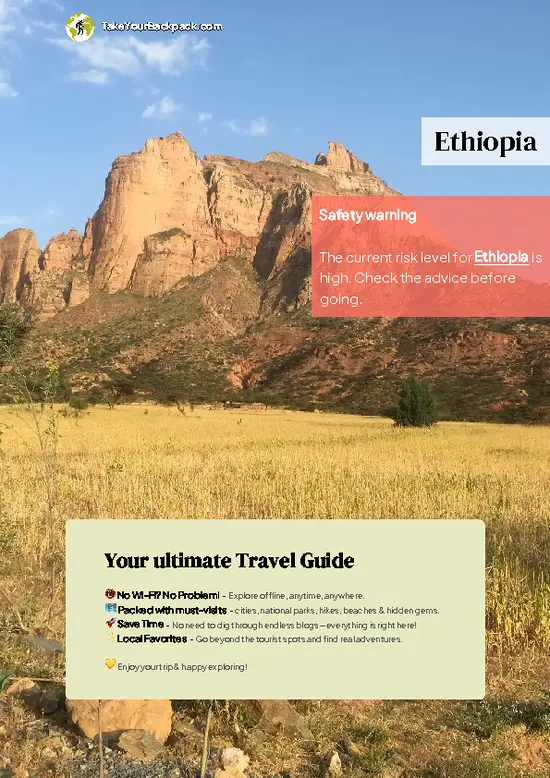
Safety warning

The current risk level for Ethiopia is high. Check the advice before going.


Get your Ethiopia guide
101 ranked highlights, routes & tips, works offline (395 pages)
Loading the map 🌍
CLICK TO FILTER
cities
towns
landmarks
national parks
hikes
attractions
festivals
regions
SHOW COUNTRY’S BESTSHOW ALL

✨ Why go?
Ranked #1 city in Ethiopia
The unique appeal for travelers

Addis Ababa is a strategic hub for backpackers, offering a blend of affordability and accessibility that makes it a smart stop on your journey. The city’s hostels are not just budget-friendly; they foster a sense of community, making it easy to meet fellow travelers and swap stories. You’ll find a variety of local food options that won’t break the bank, from street vendors to cozy cafes, allowing you to dive into Ethiopian cuisine without feeling guilty about your wallet.

What really sets Addis apart is its walkability. You can explore vibrant neighborhoods on foot, soaking in the local culture and atmosphere. The nightlife is lively, with bars and music venues that cater to all tastes, making it a great place to unwind after a day of exploration.

As a basecamp for day trips, Addis offers … read more 👉
Addis Ababa is a strategic hub for backpackers, offering a blend of affordability and accessibility that makes it a smart stop on your journey. The city’s hostels are not just budget-friendly; they foster a sense of community, making it easy to meet fellow travelers and swap stories. You’ll find a variety of local food options that won’t break the bank, from street vendors to cozy cafes, allowing you to dive into Ethiopian cuisine without feeling guilty about your wallet.

What really sets Addis apart is its walkability. You can explore vibrant neighborhoods on foot, soaking in the local culture and atmosphere. The nightlife is lively, with bars and music venues that cater to all tastes, making it a great place to unwind after a day of exploration.

As a basecamp for day trips, Addis offers easy access to stunning landscapes and cultural sites, allowing you to maximize your time without sacrificing comfort. Plus, the city’s transport links make onward travel a breeze, whether you’re heading to the mountains or other parts of Ethiopia. If you’re looking for a city that balances high-value experiences with a laid-back vibe, Addis Ababa is worth your time.
Want to include Addis Ababa in your Ethiopia route?
Create a personalized Ethiopia itinerary that includes Addis Ababa and the places that fit your trip — based on your travel style, budget, and available time. Get your route in seconds.

Generate my trip

💡 HighlightsWhat this place is best known for

  • National Museum of Ethiopia — Home of “Lucy” and the best single spot to get Ethiopia’s deep archaeological and art story in one visit; compact, well-laid-out and a must for understanding why this place matters to human history.
  • Ethnological Museum (Addis Ababa University) — Housed in Haile Selassie’s old palace, this museum mixes traditional objects, costume, and a lovely garden courtyard so you actually feel the cultural contexts rather than just reading labels.
  • Holy Trinity Cathedral — Impressive Ethiopian Orthodox architecture, intricate stained glass, and the tombs of Haile Selassie and other national figures; the interior and adjacent memorial grounds are quietly powerful.
  • Entoto Hill & Entoto Maryam Church — Short drive up for cool air, panoramic city views and a visitable historic
read more 👉
  • National Museum of Ethiopia — Home of “Lucy” and the best single spot to get Ethiopia’s deep archaeological and art story in one visit; compact, well-laid-out and a must for understanding why this place matters to human history.
  • Ethnological Museum (Addis Ababa University) — Housed in Haile Selassie’s old palace, this museum mixes traditional objects, costume, and a lovely garden courtyard so you actually feel the cultural contexts rather than just reading labels.
  • Holy Trinity Cathedral — Impressive Ethiopian Orthodox architecture, intricate stained glass, and the tombs of Haile Selassie and other national figures; the interior and adjacent memorial grounds are quietly powerful.
  • Entoto Hill & Entoto Maryam Church — Short drive up for cool air, panoramic city views and a visitable historic church and royal sites; great for sunrise/sunset and to see Addis from above the bustle.
  • Merkato — One of Africa’s largest open-air markets: chaotic, noisy, colorful and impossibly useful for feeling the city’s pulse, bargaining, and seeing everyday trade — textiles, spices, tools, you name it.
  • Red Terror Martyrs’ Memorial Museum — Stark, emotional, and essential for learning about the Derg era; small but powerful exhibits and personal stories that explain Addis’s recent political memory.
  • Unity Park (National Palace grounds) — Newly opened palace gardens, restored historic rooms, and small museum exhibits; it’s a tidy way to experience Ethiopia’s imperial past without needing special permits.
  • Fendika Cultural Center — A grassroots hotspot for traditional music, azmari nights and contemporary performances; come in the evening for live shows that are as much social as theatrical.
  • Piassa (Piazza) neighborhood & St. George area — The old colonial-era quarter with cafés, narrow streets, little galleries and the carved façade of St. George’s Church — charming, lived-in, and great for wandering on foot.
  • Tomoca Coffee (historic coffeehouse) — Visit for a classic Addis coffee experience at one of the city’s oldest roasters: aromatic beans, old-school counter service, and a tiny cultural lesson in Ethiopia’s coffee-first life.
A few easy day trips from Addis: the Bishoftu (Debre Zeit) crater lakes, the historic Debre Libanos monastery and Portuguese Bridge, and the Melka Kunture archaeological site — Bishoftu’s crater lakes are my personal favorite for a quick nature escape.
Spotted a mistake or missing something? Contact us.

Things to do in Addis Ababa

Ratings based on Tripadvisor reviews. When you book through this link, you support our work at no extra cost to you.

🏘️ NeighborhoodsUnderstanding the local layout

Addis Ababa is a vibrant hub where tradition meets modernity, making it a fascinating stop for backpackers. Here’s a breakdown of key neighborhoods to help you navigate your experience.

Piassa
This historic district is the heart of Addis. You’ll find bustling markets, local eateries, and a rich cultural vibe. It’s walkable, with plenty of street life to soak in. Costs are moderate, making it suitable for both short and longer stays. Nightlife is lively, with bars and music venues that keep the energy high.

Bole
Home to the international airport, Bole is a blend of modernity and convenience. It’s a bit pricier, but you’ll find a range of accommodations from budget hostels to upscale hotels. The area is well-connected by public transport, making it easy to explore the city. While it’s … read more 👉
Addis Ababa is a vibrant hub where tradition meets modernity, making it a fascinating stop for backpackers. Here’s a breakdown of key neighborhoods to help you navigate your experience.

Piassa
This historic district is the heart of Addis. You’ll find bustling markets, local eateries, and a rich cultural vibe. It’s walkable, with plenty of street life to soak in. Costs are moderate, making it suitable for both short and longer stays. Nightlife is lively, with bars and music venues that keep the energy high.

Bole
Home to the international airport, Bole is a blend of modernity and convenience. It’s a bit pricier, but you’ll find a range of accommodations from budget hostels to upscale hotels. The area is well-connected by public transport, making it easy to explore the city. While it’s quieter than Piassa, there are still plenty of cafes and restaurants to enjoy.

Merkato
If you want to dive into local life, Merkato is the place. It’s one of Africa’s largest open-air markets, offering a sensory overload of sights and sounds. Costs are low, but be prepared for a chaotic atmosphere. It’s best for short stays unless you’re keen on immersing yourself in the local hustle. Transport options are abundant, but walking can be overwhelming.

Entoto
For a breath of fresh air, head to Entoto. This area offers stunning views and a cooler climate. It’s less walkable and requires transport, but the tranquility is worth it. Costs are generally lower, and it’s perfect for longer stays if you want to escape the city’s hustle. The area is quiet, ideal for reflection and nature walks.

Choose wisely based on your priorities, and you’ll unlock the best of Addis Ababa.

⌛️ 1 day1-day itinerary for Addis Ababa

Addis Ababa, the bustling capital of Ethiopia, is a vibrant mix of history, culture, and modernity. It’s a city where the past and present collide, offering a unique glimpse into Ethiopian life. From its lively markets to the rich aroma of coffee wafting through the air, Addis is a place that invites exploration.

Start your day in the Mercato, one of Africa’s largest open-air markets. The energy here is palpable. You’ll find everything from spices to handmade crafts. Take your time wandering through the narrow alleys, soaking in the sights and sounds. Grab a breakfast of fresh injera with shiro at a local eatery. It’s a delicious way to fuel up for the day ahead.

After the Mercato, head to the National Museum of Ethiopia. This isn’t just any museum; it’s home to Lucy, one of the oldest hominid … read more 👉
Addis Ababa, the bustling capital of Ethiopia, is a vibrant mix of history, culture, and modernity. It’s a city where the past and present collide, offering a unique glimpse into Ethiopian life. From its lively markets to the rich aroma of coffee wafting through the air, Addis is a place that invites exploration.

Start your day in the Mercato, one of Africa’s largest open-air markets. The energy here is palpable. You’ll find everything from spices to handmade crafts. Take your time wandering through the narrow alleys, soaking in the sights and sounds. Grab a breakfast of fresh injera with shiro at a local eatery. It’s a delicious way to fuel up for the day ahead.

After the Mercato, head to the National Museum of Ethiopia. This isn’t just any museum; it’s home to Lucy, one of the oldest hominid skeletons ever found. The museum is located in the Arada neighborhood, making it easy to explore on foot. Spend a couple of hours here, absorbing the rich history of Ethiopia, from ancient artifacts to contemporary art.

In the afternoon, make your way to the Entoto Mountains. This is where you can escape the city’s hustle and enjoy panoramic views. The hike is invigorating, and the fresh air is a welcome change. Along the way, you might stumble upon a small, lesser-known church, like the St. Mary’s Church, where locals gather. It’s a serene spot, often overlooked by tourists, but it offers a genuine connection to the community.

As evening approaches, return to the city and head to the Bole neighborhood. Here, you can unwind at a cozy café, sipping on traditional Ethiopian coffee. The ambiance is relaxed, perfect for reflecting on your day. If you’re up for it, catch a live music performance at one of the local venues. The rhythm of Ethiopian music will wrap up your day beautifully, leaving you with a sense of connection to this incredible city.
Turn your Addis Ababa visit into an Ethiopia adventure
Build a complete Ethiopia route with Addis Ababa, hidden gems, must-see destinations, and realistic travel times included.

Generate my trip

🌤️ When to go?Seasonal considerations and timing


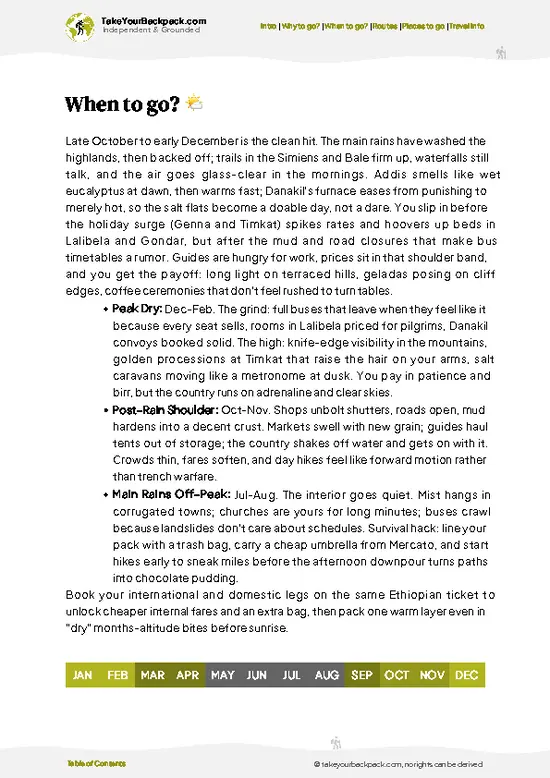
  • Weather: Addis Ababa enjoys a mild climate year-round, but the best window is October to March when the skies are mostly dry. Avoid the heavy rains from June to September, which can turn dirt roads into mud traps and dampen your outdoor plans.

  • Temperature: Daytime highs hover around 20-25°C (68-77°F) during the dry season, perfect for hiking and city exploration without overheating. Nights can dip to 5-10°C (41-50°F), so pack a light jacket. The wet season brings cooler days and chillier nights, less ideal for comfort.

  • Daylight Hours: Near the equator, daylight stays steady—about 12 hours year-round. This consistency means you don’t have to rush your sightseeing based on fading light, a rare luxury in many destinations.

  • Crowds: Tourist numbers peak during the dry season, especially
read more 👉

  • Weather: Addis Ababa enjoys a mild climate year-round, but the best window is October to March when the skies are mostly dry. Avoid the heavy rains from June to September, which can turn dirt roads into mud traps and dampen your outdoor plans.

  • Temperature: Daytime highs hover around 20-25°C (68-77°F) during the dry season, perfect for hiking and city exploration without overheating. Nights can dip to 5-10°C (41-50°F), so pack a light jacket. The wet season brings cooler days and chillier nights, less ideal for comfort.

  • Daylight Hours: Near the equator, daylight stays steady—about 12 hours year-round. This consistency means you don’t have to rush your sightseeing based on fading light, a rare luxury in many destinations.

  • Crowds: Tourist numbers peak during the dry season, especially around Ethiopian holidays like Timkat (January). This means more energy and events but also higher prices and busier sites. The shoulder months offer a quieter, more relaxed vibe.

  • Seasonal Activities: Timkat festival in January is a cultural highlight, worth timing your visit for if you want to dive deep into local traditions. The dry season also supports trekking in nearby highlands without weather disruptions.

  • Price Fluctuations: Expect accommodation and flight prices to spike during the dry season and major festivals. Traveling just before or after these peaks can save money without sacrificing much on experience quality.


Pro-tip: Aim for late October or early November—dry, cool, fewer crowds, and prices haven’t hit their peak yet. It’s the sweet spot where comfort, cost, and cultural richness align perfectly.


source: climatestotravel.comJANJanuary: highly recommended for travelingFEBFebruary: excellent for travelingMARMarch: excellent for travelingAPRApril: good for travelingMAYMay: fair for travelingJUNJune: below average for travelingJULJuly: below average for travelingAUGAugust: below average for travelingSEPSeptember: fair for travelingOCTOctober: excellent for travelingNOVNovember: excellent for travelingDECDecember: highly recommended for traveling
when-to-go

✈️ The backpacker research shortcutEthiopia Travel Guide

An offline-friendly backpacking guide with optimized travel routes, ranked highlights, transport advice, and the best areas to stay.
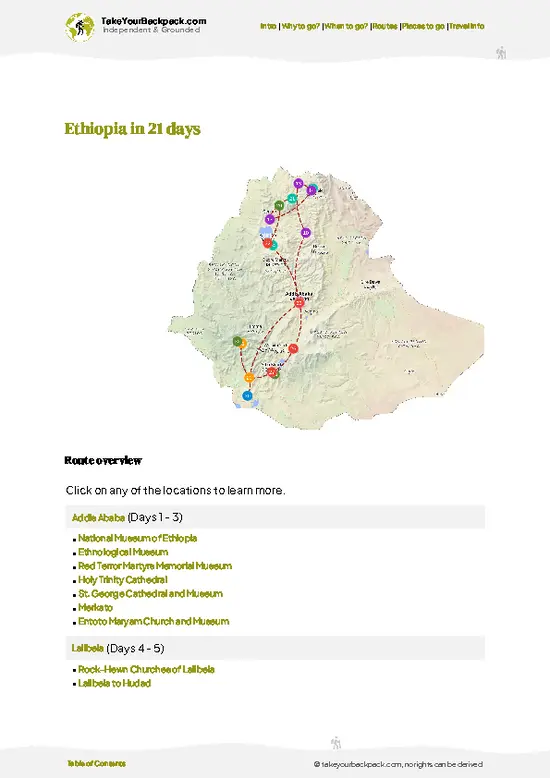
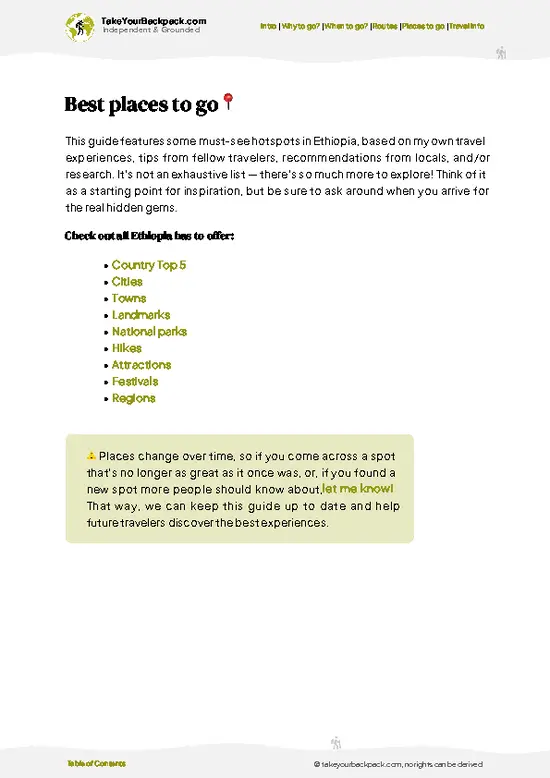
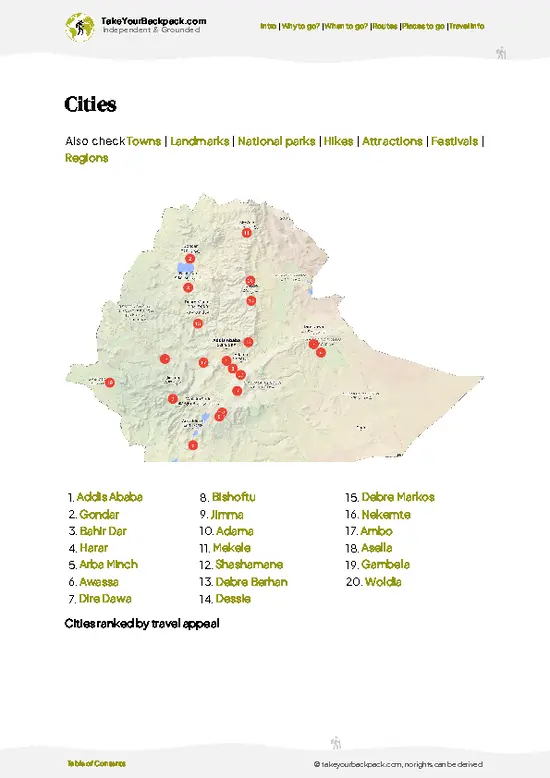
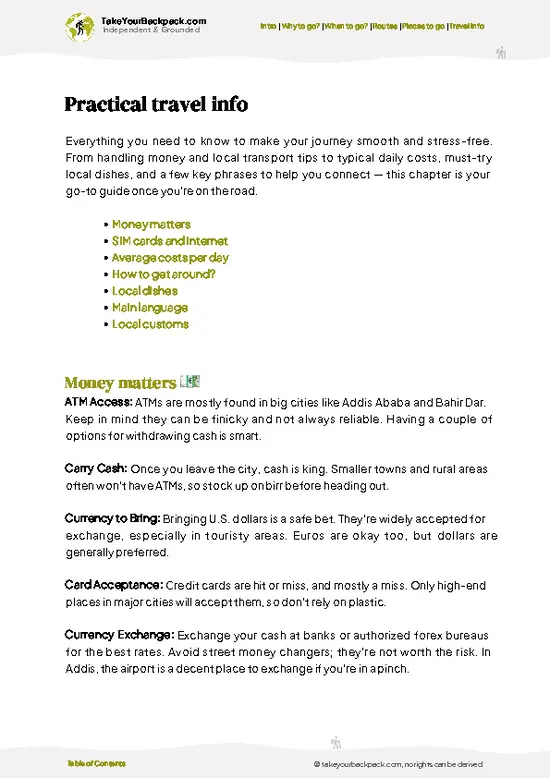
example page 0 from our offline Travel Guide for Ethiopia
example page 1 from our offline Travel Guide for Ethiopia
example page 2 from our offline Travel Guide for Ethiopia
example page 3 from our offline Travel Guide for Ethiopia
example page 4 from our offline Travel Guide for Ethiopia
example page 5 from our offline Travel Guide for Ethiopia
example page 6 from our offline Travel Guide for Ethiopia
example page 7 from our offline Travel Guide for Ethiopia
The digital guide (395 pages) contains:
101 highlights, ranked by travel appeal
Optimized 7, 14 & 21-day travel routes
Cities, national parks, landmarks, beaches
How to get around
Offline-friendly for travel without Wi-Fi
👉 Click to see all 30+ guide features

📅 Plan smarter in minutes, not weeks
Month by month travel advice
Festivals & national holidays
Budget expectations

🗺️ Go to the right places, skip the overrated ones
Honest pros & cons of destinations
Top hikes, parks & viewpoints
Lesser-known places most travelers miss
Clear “worth it vs skip it” guidance

🛏️ Travel smoothly without rookie mistakes
Best areas to stay
Transport systems explained simply
Common scams & safety advice
SIM cards, money & practical tips

🌍 Understand the country, not just visit it
Culture & traditions
52 Essential phrases & customs
Festivals worth planning around
Traveler-friendly historical context
Insights that make places more meaningful

📱 Built for real travel conditions
Fully downloadable PDF
Works completely offline
Optimized for phone use
Useful in remote areas & buses
Everything in one place
Save weeks of stressful planning
Get instant access to your full guide. 30‑day money-back guarantee.


By proceeding you agree to our terms.
Sent to your inbox immediately after payment • 100% Secure Checkout
Best Backpacking Travel Advisor 2025 tourism awardBest Backpacking
Travel Advisor
2025
What others say about Take Your Backpack Guides:
⭐⭐⭐⭐⭐
Fantastic, amazing amount of information!
⭐⭐⭐⭐⭐
My goodness this is amazing, it's what I've been looking for hats off too you!
⭐⭐⭐⭐⭐
I think this is absolutely BRILLIANT
⭐⭐⭐⭐
Very complete and informative. It's still missing places, but I gotta to commend you
⭐⭐⭐⭐⭐
This is truly amazing, thank you, can't wait to explore it with my kids!
⭐⭐⭐⭐⭐
Awesome resource, thank you!
⭐⭐⭐⭐⭐
This is amazing! Can't wait to explore the ones I haven't seen
⭐⭐⭐⭐
I love this! Well done, great idea.
⭐⭐⭐⭐⭐
Thanks for taking the time to make this gem!
⭐⭐⭐⭐⭐
This might be the best website I've ever seen.
⭐⭐⭐⭐⭐
Congratulations, and thank you so much for your work; it's incredibly valuable.
⭐⭐⭐⭐
In all seriousness I think you did a great job pointing out the important spots
⭐⭐⭐⭐⭐
10/10 very good
⭐⭐⭐⭐⭐
As someone who's only just starting to visit regularly this is awesome, thank you.
⭐⭐⭐⭐
Thank you very much! I'm going to visit my dad, it's going to be very useful!
⭐⭐⭐⭐⭐
This is really cool! We'll be travelling for the first time and this definitely come in handy.
⭐⭐⭐⭐⭐
You are now our minister of culture, congratulations 👨‍💼
⭐⭐⭐⭐⭐
Just wanted to tell you that this is a pearl! Going to follow your recommendations.
⭐⭐⭐⭐⭐
This is so cool. I'll definitely be using the resource for my travels soon.
⭐⭐⭐⭐⭐
This is very impressive! Good work.
⭐⭐⭐⭐⭐
This is an amazing and informative site. Very well done!

🛏️ Where to stay?How to pick the right area

Bole is the undeniable hub for backpackers in Addis Ababa, and here’s why it dominates the map for budget travelers. It’s the city’s pulse—safe enough to wander after dark, packed with cafes, street food stalls, and a lively mix of locals and travelers. The vibe is social without being overwhelming, making it perfect for solo backpackers craving connection without sacrificing comfort. Hostels here are plentiful, offering everything from dorm beds to private rooms, so you can calibrate your comfort level without blowing your budget. The trade-off? Bole is a bit pricier than other neighborhoods, … read more 👉
Bole is the undeniable hub for backpackers in Addis Ababa, and here’s why it dominates the map for budget travelers. It’s the city’s pulse—safe enough to wander after dark, packed with cafes, street food stalls, and a lively mix of locals and travelers. The vibe is social without being overwhelming, making it perfect for solo backpackers craving connection without sacrificing comfort. Hostels here are plentiful, offering everything from dorm beds to private rooms, so you can calibrate your comfort level without blowing your budget. The trade-off? Bole is a bit pricier than other neighborhoods, but the convenience and social scene often justify the extra cost.

Contrast this with Piassa, Addis Ababa’s historic core. It’s cheaper and more chaotic, with a raw, authentic feel that’s magnetic if you’re after a deep dive into local life. However, it’s less polished and can feel overwhelming for first-timers. Hostels exist but are fewer and less consistent in quality. You’re trading comfort and ease for immersion and cost savings.

Then there’s Kazanchis, a quieter, business-oriented area. It’s safer and cleaner but lacks the social buzz backpackers crave. Hostels are scarce, so you’ll likely end up in budget hotels. This is a solid choice if you prioritize calm and security over nightlife or meeting fellow travelers.

In short, Bole wins for social energy and hostel availability, Piassa for budget and authenticity, and Kazanchis for quiet safety. Your choice hinges on what you’re willing to trade: time navigating chaos, money for convenience, or comfort for immersion.

🚌 Getting aroundHow to get around Addis Ababa

Addis Ababa moves at its own rhythm — a blend of calculated chaos and surprising order. The city’s pulse isn’t dictated by strict timetables but by a dance of informal networks and human intuition. Here, time is elastic; you’ll find moments where everything clicks perfectly and others where patience is the currency. Understanding this flow is your first win. It’s not about fighting the system but learning its beat, so you can navigate with confidence and even enjoy the unpredictability.


  • Minibus Taxis: The backbone of Addis Ababa’s budget transit, these minibuses run from dawn until late evening, roughly 6 AM to 10 PM. They’re cheap—usually under 10 ETB (about 20 cents)—and cover most routes. Speed varies wildly depending on traffic and how many passengers are squeezed in. Comfort? Minimal.
read more 👉
Addis Ababa moves at its own rhythm — a blend of calculated chaos and surprising order. The city’s pulse isn’t dictated by strict timetables but by a dance of informal networks and human intuition. Here, time is elastic; you’ll find moments where everything clicks perfectly and others where patience is the currency. Understanding this flow is your first win. It’s not about fighting the system but learning its beat, so you can navigate with confidence and even enjoy the unpredictability.


  • Minibus Taxis: The backbone of Addis Ababa’s budget transit, these minibuses run from dawn until late evening, roughly 6 AM to 10 PM. They’re cheap—usually under 10 ETB (about 20 cents)—and cover most routes. Speed varies wildly depending on traffic and how many passengers are squeezed in. Comfort? Minimal. Expect tight spaces and a lively atmosphere. The trade-off is clear: you save money and get a local experience but sacrifice personal space and predictability.


  • Blue and White City Buses: Operated by the city, these buses are a step up in comfort and reliability compared to minibuses. They run on fixed routes with more regular schedules, typically from 6 AM to 9 PM. Tickets cost around 5 ETB. They’re slower due to frequent stops but offer a more relaxed ride. If you value a bit more comfort without breaking the bank, these buses hit the sweet spot.


  • Walking: Addis Ababa’s topography is hilly, so walking can be a workout, but it’s often the fastest way to cover short distances in dense neighborhoods. It costs nothing and offers unmatched freedom to explore side streets, markets, and local life up close. The trade-off is physical effort and time, but the payoff is a deeper connection to the city’s texture that no vehicle can provide.


  • Ride-Hailing Apps (e.g., ZayRide, Ride): For those moments when time is tight or you want to avoid the crush, ride-hailing apps offer a middle ground. Prices are higher—expect to pay 50-150 ETB for typical inner-city trips—but you gain door-to-door convenience and a more comfortable, air-conditioned ride. Availability can fluctuate, especially during peak hours, so plan accordingly.


  • Traditional Taxis: Less common and more expensive than ride-hailing, traditional taxis operate without meters, so fares must be negotiated upfront. They offer privacy and direct routes but can be a gamble on price. Use them when you want control over your schedule and are willing to pay a premium for it.


Mastering Addis Ababa’s transit means balancing these options against your priorities. Want to save every birr? Minibuses and walking are your allies. Need comfort and speed? Ride-hailing steps in. The city’s system rewards those who read its cues, blending patience with strategic choices. Your trip’s flow depends on how well you play this game.

👛 Costs (as of 19 June 2026)Travel costs and budget guide for Addis Ababa

Backpacking in Addis Ababa offers a fascinating blend of affordability and urban bustle, but knowing where your money goes helps you play the budget game smartly.
  • Dorm Accommodation (High Season and Off-Season): In high season, dorm beds in budget hostels hover around $8 to $12 per night. Off-season, you can snag spots closer to $5 to $7. The difference isn’t huge, but timing your stay can shave a few bucks without sacrificing basic comfort.
  • Meals: Street food and local eateries serve up hearty meals for $1.50 to $3. Expect traditional dishes like injera with lentils or stews. If you opt for a mid-range restaurant, prices rise to $5-$8 per meal. Cooking your own food is rare but possible if you find hostel kitchens.
  • Local Transport: Minibuses and shared taxis are the backbone of getting
read more 👉
Backpacking in Addis Ababa offers a fascinating blend of affordability and urban bustle, but knowing where your money goes helps you play the budget game smartly.
  • Dorm Accommodation (High Season and Off-Season): In high season, dorm beds in budget hostels hover around $8 to $12 per night. Off-season, you can snag spots closer to $5 to $7. The difference isn’t huge, but timing your stay can shave a few bucks without sacrificing basic comfort.
  • Meals: Street food and local eateries serve up hearty meals for $1.50 to $3. Expect traditional dishes like injera with lentils or stews. If you opt for a mid-range restaurant, prices rise to $5-$8 per meal. Cooking your own food is rare but possible if you find hostel kitchens.
  • Local Transport: Minibuses and shared taxis are the backbone of getting around, costing about $0.10 to $0.30 per ride. It’s cheap but can be chaotic and slow, so factor in some patience.
  • City Transport Pass: Addis Ababa has introduced a city card for public buses, which can cost around $1.50 for a day pass, offering unlimited rides. This is a solid option if you plan to move around a lot without the hassle of cash fares.
  • Basic Activities/Entry Fees: Museums and cultural sites typically charge between $2 and $5. Some places, like the National Museum, are on the higher end but worth it for the insight into Ethiopia’s rich history.
  • Miscellaneous Expenses: Think bottled water, snacks, occasional coffee, or small tips. Budget around $1 to $3 daily here. It’s the buffer that keeps your day smooth without surprises.

Add it all up, and you’re looking at roughly $12 to $25 per day, depending on how much you lean into comfort or hustle for deals. Addis Ababa rewards those who balance frugality with a willingness to dive into local rhythms—knowing where to spend and where to save turns your trip into a strategic win.


source: ethiopia.travel
⚠️ Prices can change and everyone travels differently, so take this as a rough guide. Hope it helps you plan your adventure!

🚌 Day tripsWhere to go beyond the main area

Addis Ababa serves as a fantastic launchpad for day trips that dive deep into Ethiopia’s rich culture and stunning landscapes. Here’s how to make the most of your time and money while exploring the surrounding gems.

Debre Libanos Monastery
Just a two-hour drive from Addis, Debre Libanos is a spiritual haven perched on a cliff overlooking the stunning Jemma River Gorge. The monastery itself is a serene spot, with ancient frescoes and a peaceful atmosphere that invites reflection. The journey offers breathtaking views, especially as you approach the gorge. Expect to spend around $10 for transport and entrance fees. The best time to visit is during the dry season, from October to March, when the weather is pleasant. A common mistake? Many first-timers rush through without taking the time to … read more 👉
Addis Ababa serves as a fantastic launchpad for day trips that dive deep into Ethiopia’s rich culture and stunning landscapes. Here’s how to make the most of your time and money while exploring the surrounding gems.

Debre Libanos Monastery
Just a two-hour drive from Addis, Debre Libanos is a spiritual haven perched on a cliff overlooking the stunning Jemma River Gorge. The monastery itself is a serene spot, with ancient frescoes and a peaceful atmosphere that invites reflection. The journey offers breathtaking views, especially as you approach the gorge. Expect to spend around $10 for transport and entrance fees. The best time to visit is during the dry season, from October to March, when the weather is pleasant. A common mistake? Many first-timers rush through without taking the time to enjoy the surrounding nature trails.


Lake Tana and the Blue Nile Falls
A bit further afield, about three hours from Addis, Lake Tana is the largest lake in Ethiopia and a cradle of history. You can take a boat trip to visit ancient monasteries on the islands, each with its own unique stories and artifacts. Afterward, head to the Blue Nile Falls, where the water cascades dramatically, especially during the rainy season. Budget around $20 for transport and boat fees. The best months to visit are from June to September for the falls’ full glory. Many backpackers underestimate the time needed for the boat rides, so plan accordingly.
👉 Explore Lake Tana

Entoto Mountains
Just a short 30-minute drive from the city, the Entoto Mountains offer a refreshing escape from the urban hustle. You can hike through eucalyptus forests and enjoy panoramic views of Addis Ababa. The area is rich in history, with the Entoto Maryam Church and the former palace of Emperor Menelik II. Costs are minimal—around $5 for transport and entrance. The dry season is ideal for hiking, but be cautious of the altitude; it can be a shock for those not acclimated. Many overlook the importance of bringing layers, as it can get chilly up there.


Awash National Park
For a taste of Ethiopia’s wildlife, Awash National Park is about a three-hour drive from Addis. This park is home to diverse fauna, including baboons, gazelles, and various bird species. The landscapes range from savannah to volcanic formations, making it a photographer’s dream. Expect to spend around $30 for transport and park fees. The dry season is best for wildlife spotting. A common oversight is underestimating the park’s size; plan your route to maximize your experience.
Want to know what more Ethiopia offers?
The Ethiopia Travel Guide describes 101 highlights, from cities to national parks, from beaches to hikes

Get the Travel Guide -

🍲 FoodWhat to Eat & Drink

In Addis Ababa, food is a vibrant tapestry of flavors and communal experiences. Start with injera, the spongy, sour flatbread that serves as both plate and utensil. It’s typically topped with a variety of wats—spicy stews made from lentils, vegetables, or meat. The explosion of spices, especially berbere, will dance on your palate.

Street food is where the city truly comes alive. Vendors line the bustling streets, serving up sambusas—crispy pastries filled with lentils or meat. Grab one on the go, and you’ll feel the pulse of the city. Markets are a treasure trove, with stalls overflowing with fresh produce and local snacks. The aroma of roasted coffee wafts through the air, inviting you to experience the Ethiopian coffee ceremony. This ritual is not just about caffeine; it’s a social event, … read more 👉
In Addis Ababa, food is a vibrant tapestry of flavors and communal experiences. Start with injera, the spongy, sour flatbread that serves as both plate and utensil. It’s typically topped with a variety of wats—spicy stews made from lentils, vegetables, or meat. The explosion of spices, especially berbere, will dance on your palate.

Street food is where the city truly comes alive. Vendors line the bustling streets, serving up sambusas—crispy pastries filled with lentils or meat. Grab one on the go, and you’ll feel the pulse of the city. Markets are a treasure trove, with stalls overflowing with fresh produce and local snacks. The aroma of roasted coffee wafts through the air, inviting you to experience the Ethiopian coffee ceremony. This ritual is not just about caffeine; it’s a social event, where the act of brewing and sharing coffee creates bonds.

When it comes to drinks, don’t miss tej, a honey wine that’s sweet and slightly tangy. It’s often served in a traditional flask called a berele. Etiquette here is relaxed; sharing food and drink is a sign of hospitality. Expect to eat with your hands, tearing off pieces of injera to scoop up your meal. Embrace the mess—it’s part of the experience.

🛡️ SafetyTraveler Safety Guide

Addis Ababa is generally safe for travelers, but like any bustling city, it has its quirks. Stay aware in crowded areas like Mercato, where pickpockets might lurk. Keep your belongings close and avoid flashy displays of wealth.

If you’re solo, especially at night, stick to well-lit streets and use reputable taxis or rideshare apps. The nightlife can be vibrant, but it’s wise to have a plan for getting back to your accommodation safely.

Scams do exist, often involving overly friendly locals who may offer unsolicited help, only to expect payment. Politely decline assistance unless you’re sure of the intent. Also, be cautious with street vendors; while many are legitimate, some may try to overcharge.

Overall, carry yourself with confidence and a sense of purpose. Engage with locals, but … read more 👉
Addis Ababa is generally safe for travelers, but like any bustling city, it has its quirks. Stay aware in crowded areas like Mercato, where pickpockets might lurk. Keep your belongings close and avoid flashy displays of wealth.

If you’re solo, especially at night, stick to well-lit streets and use reputable taxis or rideshare apps. The nightlife can be vibrant, but it’s wise to have a plan for getting back to your accommodation safely.

Scams do exist, often involving overly friendly locals who may offer unsolicited help, only to expect payment. Politely decline assistance unless you’re sure of the intent. Also, be cautious with street vendors; while many are legitimate, some may try to overcharge.

Overall, carry yourself with confidence and a sense of purpose. Engage with locals, but trust your instincts. This approach will help you navigate the city smoothly while enjoying its rich culture.

Other Ethiopian cities near Addis Ababa

Explore more nearby:

  • Bishoftu—Crater lakes, resort lodges, birdwatching spots| 39 km away
  • Adama—Hot springs, transport hub, modern hotels| 78 km away
  • Ambo—Mineral springs, university town, eucalyptus forests| 90 km away

💡 Not sure where to go next?
Create a personalized itinerary for Ethiopia including Addis Ababa and the places that fit your trip.

Generate my itinerary

👉 Discover all cities

Or checkout all Ethiopia has to offer (think cities, towns, villages, national parks, hikes, beaches, festivals)
Country photo of Ethiopia

We 💚 feedbackIs it worth it?

Addis Ababa is a vibrant hub of culture and history, where you can dive into the rich tapestry of Ethiopian life. The coffee ceremonies alone are worth the trip—sipping that fresh brew while chatting with locals is a game-changer. But be prepared: the traffic can be a nightmare. It’s a bustling city, and getting around might eat into your precious exploration time. Balance your itinerary wisely, and you’ll come away enriched.

✈️ When did I visit Ethiopia?
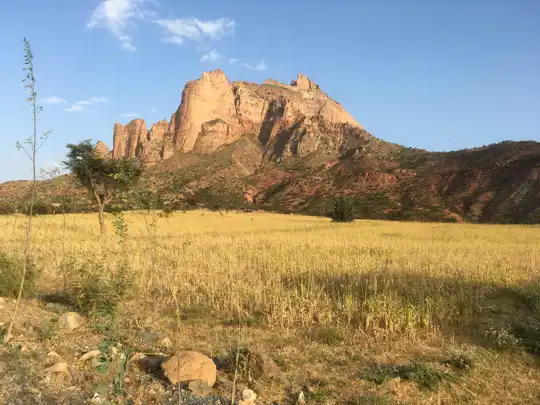
Ethiopia I visited back in October 2017. I combined the trip with a visit to Sudan. Ethiopia was a pure suprise with the magical scenery like the Danikal Depression and the Simien Mountains.

✍️ Help improve this page!
The information on this page is based on my own backpacking experience in Ethiopia, supplemented with up-to-date research and feedback from other travelers. Travel details can change, so if you notice anything outdated or incomplete, feel free to let me know.


🙋‍♂️ Give feedback

👋 Meet the founderWho’s Behind Take Your Backpack?

Johan, backpacker and founder of TakeYourBackpackHi, I’m Johan (Netherlands 🇳🇱), the creator of TakeYourBackpack. Over the past decade, I’ve backpacked through 80+ countries across six continents, gaining extensive experience with independent travel, long-term trips, and overland routes.

This site is built on a combination of firsthand travel experience and carefully curated insights from other backpackers. Many guides are based on places I’ve personally visited, while others bring together tips, observations, and practical advice shared by trusted travelers I’ve met along the way.

The goal is to provide realistic, experience-driven guidance — not generic itineraries — so you can explore destinations with better context, clearer expectations, and more confidence.

Get full Ethiopia guide •
Instant download • 101 highlights • Full Offline guide