×
Danakil Depression

Ethiopia🇪🇹 | unique sitesDanakil Depressionsalt flats, volcanic craters, sulfur springs, Afar culture | things to do and best time to go

Explore AksumExplore Fasil Ghebbi, Gondar Region

Backpacking in Danakil Depression
🏆 Top pickunique site ranked #2
By Johan Kruseman 🇳🇱 | Updated May 10, 2026

Here’s what the Instagram feeds won’t tell you: the Danakil Depression is so brutally hot and remote that even the camels look annoyed, and you’ll sweat through your shirt before breakfast. Tucked into Ethiopia’s far northeast, near the Eritrean border, this is not a place you stumble into—it’s a deliberate, sometimes punishing pilgrimage. The colors are real, but so are the costs: getting here means shelling out for permits, armed escorts, and a convoy of battered 4x4s. You’ll share sunrise at the sulfur springs with a dozen other dusty travelers, not a thousand selfie sticks, but don’t expect solitude—this is bucket-list territory, and the word is out. Still, nothing online prepares you for the Martian landscapes, the Afar salt miners hacking slabs under a white-hot sky, or the way the night glows at Erta Ale’s lava lake. It’s not cheap, it’s not easy, but it’s one of those rare places that actually feels like another planet—raw, wild, and absolutely worth the effort.

Discover everything you want to know in the 📖 Ethiopia Travel Guide.
Safety warning

The current risk level for Ethiopia is high. Check the advice before going.


Get your Ethiopia guide
101 ranked highlights, routes & tips, works offline (398 pages)
Loading the map 🌍
CLICK TO FILTER
city
town
unique site
national park
hike
attraction
festival
region
SHOW COUNTRY’S BESTSHOW ALL

✨ Why go?
Ranked #2 unique site in Ethiopia
Why visitors keep coming back

The Danakil Depression isn’t just another Instagram backdrop; it’s a raw, unfiltered experience that challenges your senses. Yes, the crowds can be overwhelming, especially during peak season, but the real magic lies in its otherworldly landscapes. Think bubbling sulfur springs, vibrant mineral deposits, and the eerie beauty of salt flats.

You’ll sweat, you’ll feel the heat, but the effort-to-reward ratio is off the charts. This isn’t a stroll in the park; it’s a trek into one of the hottest places on Earth. But that’s what makes it special. You’re not just ticking off a box; you’re stepping into a living, breathing geological wonder.

Accessibility is surprisingly decent. Tours are available from Mekele or Hawzien, making it easy to fit into a broader Ethiopian itinerary. Plus, it’s low-cost … read more 👉
The Danakil Depression isn’t just another Instagram backdrop; it’s a raw, unfiltered experience that challenges your senses. Yes, the crowds can be overwhelming, especially during peak season, but the real magic lies in its otherworldly landscapes. Think bubbling sulfur springs, vibrant mineral deposits, and the eerie beauty of salt flats.

You’ll sweat, you’ll feel the heat, but the effort-to-reward ratio is off the charts. This isn’t a stroll in the park; it’s a trek into one of the hottest places on Earth. But that’s what makes it special. You’re not just ticking off a box; you’re stepping into a living, breathing geological wonder.

Accessibility is surprisingly decent. Tours are available from Mekele or Hawzien, making it easy to fit into a broader Ethiopian itinerary. Plus, it’s low-cost compared to other world wonders. The unique experiences here—like meeting the Afar people or witnessing the salt mining—are what truly make the journey worthwhile. This isn’t just a destination; it’s a chapter in your travel story that you won’t forget.
Get the complete Travel Guide for Ethiopia
Everything organized for offline planning — routes, highlights, costs & tips

See what’s inside 👉

Get the Travel Guide -

💡 HighlightsMust-see experiences and standout moments

  1. Dallol hydrothermal fields — Neon-yellow, green and orange acidic pools, salt terraces and weird mushroom-like mineral formations that look like a sci-fi set. It’s the most surreal surface expression of the rift — you won’t see colors or shapes like this anywhere else on Earth.
  2. Erta Ale volcano (lava lake) — One of the few places where you can see a persistent lava lake up close. The night-time glow and molten fountains are unforgettable; it’s a proper overnight trek with guides and security, but worth every dusty step. (Personal favorite.)
  3. Salt flats and camel caravans — Endless white salt pans cut with primitive rail lines and the old-school Afar caravans hauling salt blocks by camel. It’s a live cultural landscape — traditional extraction methods unchanged for generations.
  4. Lake Afdera
read more 👉
  1. Dallol hydrothermal fields — Neon-yellow, green and orange acidic pools, salt terraces and weird mushroom-like mineral formations that look like a sci-fi set. It’s the most surreal surface expression of the rift — you won’t see colors or shapes like this anywhere else on Earth.
  2. Erta Ale volcano (lava lake) — One of the few places where you can see a persistent lava lake up close. The night-time glow and molten fountains are unforgettable; it’s a proper overnight trek with guides and security, but worth every dusty step. (Personal favorite.)
  3. Salt flats and camel caravans — Endless white salt pans cut with primitive rail lines and the old-school Afar caravans hauling salt blocks by camel. It’s a live cultural landscape — traditional extraction methods unchanged for generations.
  4. Lake Afdera (Afrera) — A boiling, briny lake rimmed with salt crust and steaming pools; some seasons you’ll spot flamingos and impossibly pink patches. The colors and reflections make it unexpectedly photogenic.
  5. Sulfur chimneys and mineral mounds — Towers and pillars formed where hydrothermal fluids have deposited sulfur and salts. Up close they’re fragile, jagged and vividly colored — a geologist’s candy shop and a photographer’s dream.
  6. Afar culture and salt-mining villages — Meeting local salt miners, seeing their methods, and experiencing Afar hospitality brings the place into human scale. The communities here make the landscape meaningful, not just otherworldly.
  7. Geological extremes and alien vistas — The Danakil is one of the lowest, hottest and most tectonically active places on Earth. The cracked crusts, steaming ground and rift features give you a visceral sense of plate tectonics in action — not just pretty scenery but planetary drama.
Spotted a mistake or missing something? Contact us.

Things to do near Danakil Depression

Ratings based on Tripadvisor reviews. When you book through this link, you support our work at no extra cost to you.

🌤️ When to go?Seasonal considerations and timing


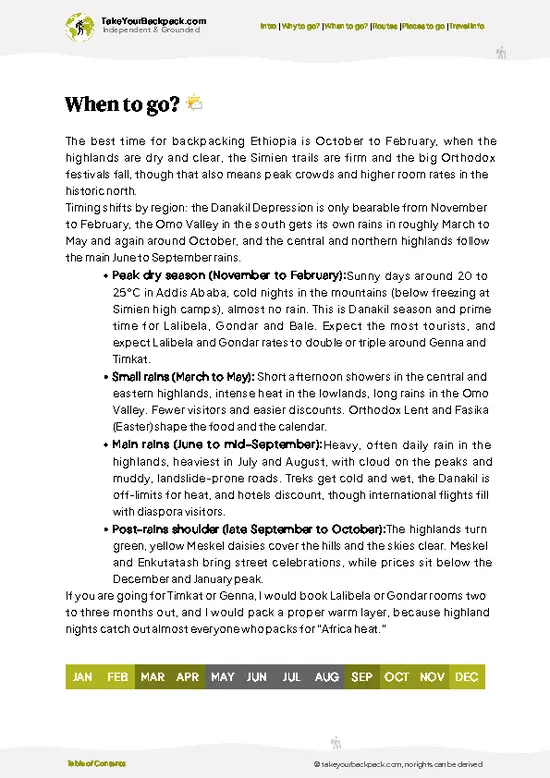
  • Weather: The Danakil Depression is one of the hottest places on Earth. Temperatures regularly soar above 45°C (113°F) during the day, especially from March to May. The cooler months, from November to February, offer more bearable heat, hovering around 30-35°C (86-95°F), making trekking possible without risking heat exhaustion.

  • Temperature Fluctuations: Nights can be surprisingly chilly, dropping to around 20°C (68°F) in the cooler season. This contrast means you need gear for both extremes—think lightweight layers and a warm jacket for camp.

  • Daylight Hours: Daylight is fairly consistent year-round, roughly 12 hours. Plan your hikes early morning and late afternoon to avoid the brutal midday sun, regardless of season.

  • Crowds: The Danakil Depression isn’t exactly a tourist hotspot,
read more 👉

  • Weather: The Danakil Depression is one of the hottest places on Earth. Temperatures regularly soar above 45°C (113°F) during the day, especially from March to May. The cooler months, from November to February, offer more bearable heat, hovering around 30-35°C (86-95°F), making trekking possible without risking heat exhaustion.

  • Temperature Fluctuations: Nights can be surprisingly chilly, dropping to around 20°C (68°F) in the cooler season. This contrast means you need gear for both extremes—think lightweight layers and a warm jacket for camp.

  • Daylight Hours: Daylight is fairly consistent year-round, roughly 12 hours. Plan your hikes early morning and late afternoon to avoid the brutal midday sun, regardless of season.

  • Crowds: The Danakil Depression isn’t exactly a tourist hotspot, but the cooler months see a modest uptick in visitors. Expect small groups rather than crowds, which means a more intimate experience but also limited infrastructure availability.

  • Seasonal Activities: Salt mining and volcano tours run year-round, but the cooler season is best for safely exploring lava lakes and sulfur springs without the oppressive heat sapping your energy.

  • Price Fluctuations: Prices for guides and permits tend to rise slightly during peak cooler months due to demand. Off-season rates can be lower, but the extreme heat often makes the savings not worth the risk.


Pro-tip: Visit between November and February for a balance of manageable heat, fewer crowds, and the full Danakil experience without turning your trip into a survival test.


source: climatestotravel.comJANJanuary: excellent for travelingFEBFebruary: excellent for travelingMARMarch: fair for travelingAPRApril: below average for travelingMAYMay: below average for travelingJUNJune: good for travelingJULJuly: good for travelingAUGAugust: good for travelingSEPSeptember: good for travelingOCTOctober: good for travelingNOVNovember: excellent for travelingDECDecember: excellent for traveling
Ethiopia - the Danakil Depression

✈️ The backpacker research shortcutEthiopia Travel Guide

An offline-friendly backpacking guide with optimized travel routes, ranked highlights, transport advice, and the best areas to stay.
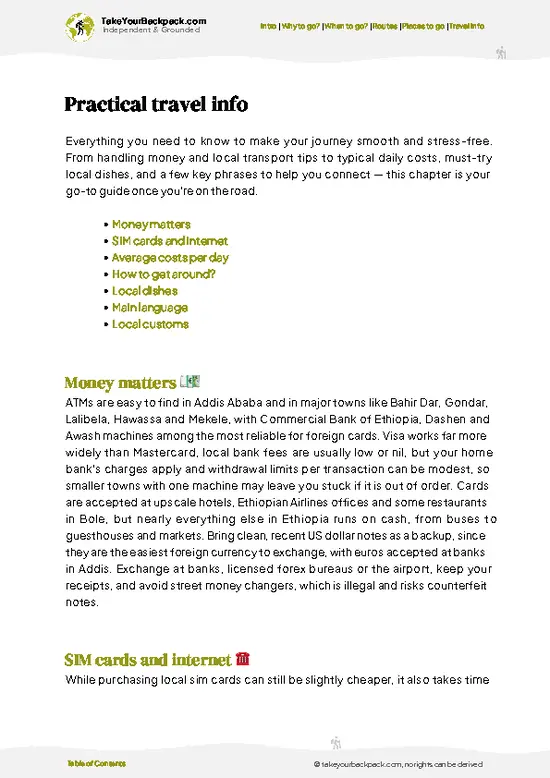
example page 0 from our offline Travel Guide for Ethiopiaexample page 1 from our offline Travel Guide for Ethiopiaexample page 2 from our offline Travel Guide for Ethiopiaexample page 3 from our offline Travel Guide for Ethiopiaexample page 4 from our offline Travel Guide for Ethiopiaexample page 5 from our offline Travel Guide for Ethiopiaexample page 6 from our offline Travel Guide for Ethiopiaexample page 7 from our offline Travel Guide for Ethiopia
The digital guide (398 pages) contains:
101 highlights, ranked by travel appeal
Optimized 7, 14 & 21-day travel routes
Cities, national parks, beaches, historical sites, ...
How to get around
Offline-friendly for travel without Wi-Fi
👉 Click to see all 30+ guide features

📅 Plan smarter in minutes, not weeks
Month by month travel advice
Festivals & national holidays
Budget expectations

🗺️ Go to the right places, skip the overrated ones
Honest pros & cons of destinations
Top hikes, parks & viewpoints
Lesser-known places most travelers miss
Clear “worth it vs skip it” guidance

🛏️ Travel smoothly without rookie mistakes
Best areas to stay
Transport systems explained simply
Common scams & safety advice
SIM cards, money & practical tips

🌍 Understand the country, not just visit it
Culture & traditions
52 Essential phrases & customs
Festivals worth planning around
Traveler-friendly historical context
Insights that make places more meaningful

📱 Built for real travel conditions
Fully downloadable PDF
Works completely offline
Optimized for phone use
Useful in remote areas & buses
Everything in one place
Save weeks of stressful planning
Get instant access to the full guide directly. 30-day money-back guarantee.


Sent to your inbox immediately after payment • 100% Secure Checkout
Best Backpacking Travel Advisor 2025 tourism awardBest Backpacking
Travel Advisor
2025
What others say about Take Your Backpack Guides:
⭐⭐⭐⭐⭐
Fantastic, amazing amount of information!
⭐⭐⭐⭐⭐
My goodness this is amazing, it's what I've been looking for hats off too you!
⭐⭐⭐⭐⭐
I think this is absolutely BRILLIANT
⭐⭐⭐⭐
Very complete and informative. It's still missing places, but I gotta to commend you
⭐⭐⭐⭐⭐
This is truly amazing, thank you, can't wait to explore it with my kids!
⭐⭐⭐⭐⭐
Awesome resource, thank you!
⭐⭐⭐⭐⭐
This is amazing! Can't wait to explore the ones I haven't seen
⭐⭐⭐⭐
I love this! Well done, great idea.
⭐⭐⭐⭐⭐
Thanks for taking the time to make this gem!
⭐⭐⭐⭐⭐
This might be the best website I've ever seen.
⭐⭐⭐⭐⭐
Congratulations, and thank you so much for your work; it's incredibly valuable.
⭐⭐⭐⭐
In all seriousness I think you did a great job pointing out the important spots
⭐⭐⭐⭐⭐
10/10 very good
⭐⭐⭐⭐⭐
As someone who's only just starting to visit regularly this is awesome, thank you.
⭐⭐⭐⭐
Thank you very much! I'm going to visit my dad, it's going to be very useful!
⭐⭐⭐⭐⭐
This is really cool! We'll be travelling for the first time and this definitely come in handy.
⭐⭐⭐⭐⭐
You are now our minister of culture, congratulations 👨‍💼
⭐⭐⭐⭐⭐
Just wanted to tell you that this is a pearl! Going to follow your recommendations.
⭐⭐⭐⭐⭐
This is so cool. I'll definitely be using the resource for my travels soon.
⭐⭐⭐⭐⭐
This is very impressive! Good work.
⭐⭐⭐⭐⭐
This is an amazing and informative site. Very well done!

🛏️ Where to stay?Choosing the right base

When you’re gearing up for the Danakil Depression, the last thing you want is to be stuck in a tourist bubble. The area around Mekele is your best bet. It’s a hub for backpackers, buzzing with energy and a mix of travelers. You’ll find a range of budget accommodations here, from basic guesthouses to more social spots where you can swap stories over a cup of coffee.

Don’t expect luxury; this is about grit and adventure. The vibe is friendly, and you’ll likely meet fellow explorers eager to tackle the harsh beauty of the Depression together. Safety is generally good, but keep your wits about you, … read more 👉
When you’re gearing up for the Danakil Depression, the last thing you want is to be stuck in a tourist bubble. The area around Mekele is your best bet. It’s a hub for backpackers, buzzing with energy and a mix of travelers. You’ll find a range of budget accommodations here, from basic guesthouses to more social spots where you can swap stories over a cup of coffee.

Don’t expect luxury; this is about grit and adventure. The vibe is friendly, and you’ll likely meet fellow explorers eager to tackle the harsh beauty of the Depression together. Safety is generally good, but keep your wits about you, especially at night.

Another option is staying in the town of Hamedela, closer to the action. It’s less crowded, giving you a more authentic feel of the local life. You’ll find basic lodgings and a chance to connect with the community.

Both areas offer a real taste of Ethiopia’s rugged charm, making them perfect launchpads for your Danakil adventure. Just remember, this isn’t a luxury trip; it’s about embracing the raw, unfiltered experience.

👛 Costs (as of 15 July 2025)Typical daily expenses

Visiting the Danakil Depression is not just a trip; it’s an adventure that comes with its own set of costs. Here’s what you need to know to budget effectively for this extraordinary destination.
  • Transportation: Expect to pay between €100 to €200 for a round-trip flight to Mekele, the nearest major city. From there, a 4x4 vehicle rental with a driver can cost around €150 to €300 per day, depending on the length of your stay and the negotiation skills you bring to the table.
  • Guided Tours: Most travelers opt for guided tours due to the harsh conditions and safety concerns. Prices typically range from €300 to €600 for a multi-day tour, which usually includes meals, accommodation, and park fees. This is a non-negotiable if you want to experience the area safely and fully.
  • Accommodation: Options are
read more 👉
Visiting the Danakil Depression is not just a trip; it’s an adventure that comes with its own set of costs. Here’s what you need to know to budget effectively for this extraordinary destination.
  • Transportation: Expect to pay between €100 to €200 for a round-trip flight to Mekele, the nearest major city. From there, a 4x4 vehicle rental with a driver can cost around €150 to €300 per day, depending on the length of your stay and the negotiation skills you bring to the table.
  • Guided Tours: Most travelers opt for guided tours due to the harsh conditions and safety concerns. Prices typically range from €300 to €600 for a multi-day tour, which usually includes meals, accommodation, and park fees. This is a non-negotiable if you want to experience the area safely and fully.
  • Accommodation: Options are limited. Basic lodges or camping can cost anywhere from €20 to €50 per night. If you want a bit more comfort, expect to pay up to €100 for a more established lodge. Keep in mind that amenities are minimal, so don’t expect luxury.
  • Food and Drink: Meals are generally inexpensive, ranging from €5 to €15 per meal, depending on whether you’re eating local fare or something more Western. Water is crucial here; buy it in bulk to save money, as single bottles can add up quickly.
  • Park Fees: The Danakil Depression has entry fees that can vary but typically hover around €20 to €30. This fee supports local conservation efforts, so it’s worth it to contribute to preserving this unique landscape.

Understanding these costs will help you prepare for an experience that’s as rewarding as it is challenging. The Danakil Depression is not just about the price tag; it’s about the raw beauty and the stories you’ll collect along the way.


source: ethiopia.travel
⚠️ Prices can change and everyone travels differently, so take this as a rough guide. Hope it helps you plan your adventure!

Other Ethiopian unique sites near Danakil Depression

Explore more nearby:

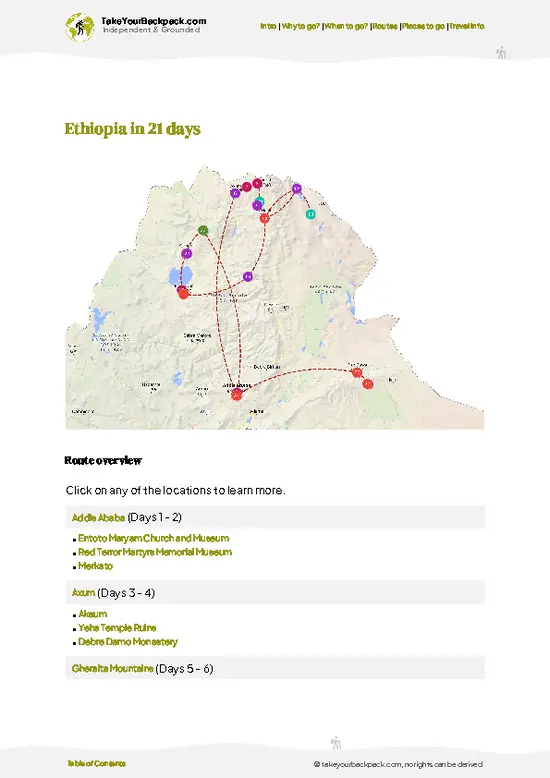
  • Gheralta Mountains—sandstone cliffs, rock-cut churches, panoramic plateaus| 119 km away
  • Aksum—ancient stelae, archaeological ruins, Queen of Sheba legends| 171 km away
  • Rock-Hewn Churches of Lalibela—monolithic churches, subterranean passages, pilgrimage site| 281 km away

👉 Discover all unique sites

Or checkout all Ethiopia has to offer (think cities, towns, villages, national parks, hikes, beaches, festivals)
Country photo of Ethiopia

We 💚 feedbackKey takeaways before you go

The Danakil Depression is a wild ride, a place where the Earth feels alive. The surreal landscapes—think bubbling sulfur springs and vibrant salt flats—are mind-blowing. But let’s keep it real: the heat is brutal, and the crowds can be overwhelming. If you can handle the sweat and the hustle, you’ll witness a raw beauty that’s hard to find elsewhere. Just be ready for the discomfort; it’s part of the adventure.

✈️ When did I visit Ethiopia?
Ethiopia I visited back in October 2017. I combined the trip with a visit to Sudan. Ethiopia was a pure suprise with the magical scenery like the Danikal Depression and the Simien Mountains.

✍️ Help improve this page!
The information on this page is based on my own backpacking experience in Ethiopia, supplemented with up-to-date research and feedback from other travelers. Travel details can change, so if you notice anything outdated or incomplete, feel free to let me know.


🙋‍♂️ Give feedback

👋 Meet the founderWho’s Behind Take Your Backpack?

Johan, backpacker and founder of TakeYourBackpackHi, I’m Johan (Netherlands 🇳🇱), the creator of TakeYourBackpack. Over the past decade, I’ve backpacked through 80+ countries across six continents, gaining extensive experience with independent travel, long-term trips, and overland routes.

This site is built on a combination of firsthand travel experience and carefully curated insights from other backpackers. Many guides are based on places I’ve personally visited, while others bring together tips, observations, and practical advice shared by trusted travelers I’ve met along the way.

The goal is to provide realistic, experience-driven guidance — not generic itineraries — so you can explore destinations with better context, clearer expectations, and more confidence.

Get full Ethiopia guide •
Instant download • 101 highlights • Full Offline guide