×

Ethiopia🇪🇹 | attractionsDebre Berhan Selassie Churchpainted ceilings, stone walls, religious iconography | things to do and best time to go

Explore Wondo GenetExplore National Museum of Ethiopia

Backpacking in Debre Berhan Selassie Church
🏆 Top pickattraction ranked #6
By Johan Kruseman 🇳🇱 | Updated May 27, 2026

A guide’s whisper bounces off the ancient stone, but your eyes are locked on a ceiling alive with a hundred pairs of painted angel eyes—each one wide, round, and eerily direct. Incense lingers in the air, sweet and smoky, mixing with the faint must of centuries-old wood. Your boots crunch on gravel outside, but in here, it’s all hush and heartbeat.

Debre Berhan Selassie Church sits in the northern Ethiopian city of Gondar, a day’s drive from the tourist conveyor belt of Lalibela. Here’s the straight talk: this isn’t the place for solitude. Tour groups cycle through, and you’ll pay a foreigner’s fee at the door. But the ceiling alone—arguably the most mesmerizing in Africa—makes the detour worth every birr. Unlike the rock-hewn churches of Lalibela, Debre Berhan Selassie feels lived-in, less like a relic and more like a pulse. It’s not adrenaline, but it is awe. If you want a shot of Ethiopia’s soul, this is where it stares right back at you.

Discover everything you want to know in the 📖 Ethiopia Travel Guide.
Safety warning

The current risk level for Ethiopia is high. Check the advice before going.


Get your Ethiopia guide
101 ranked highlights, routes & tips, works offline (395 pages)
Loading the map 🌍
CLICK TO FILTER
cities
towns
landmarks
national parks
hikes
attractions
festivals
regions
SHOW COUNTRY’S BESTSHOW ALL

✨ Why go?
Ranked #6 attraction in Ethiopia
Why visitors keep coming back

Debre Berhan Selassie Church is not your typical postcard stop. Sure, it’s famous—its ceiling covered in hundreds of angelic faces, each one staring down with a mix of serenity and intensity that’s hard to shake off. But here’s the real deal: this church is a living time capsule of Ethiopia’s soul. Built in the 15th century, it’s a rare window into the country’s Christian heritage, untouched by the flashy tourist gloss that drowns out so many other sites.

Backpackers don’t just come here for the photos; they come for the weight of history pressing in the air, the way the light filters through tiny windows onto centuries-old murals that have survived wars and weather. It’s a place where you can feel the pulse of Ethiopian Orthodox faith and artistry in a way that’s both humbling and electrifying. … read more 👉
Debre Berhan Selassie Church is not your typical postcard stop. Sure, it’s famous—its ceiling covered in hundreds of angelic faces, each one staring down with a mix of serenity and intensity that’s hard to shake off. But here’s the real deal: this church is a living time capsule of Ethiopia’s soul. Built in the 15th century, it’s a rare window into the country’s Christian heritage, untouched by the flashy tourist gloss that drowns out so many other sites.

Backpackers don’t just come here for the photos; they come for the weight of history pressing in the air, the way the light filters through tiny windows onto centuries-old murals that have survived wars and weather. It’s a place where you can feel the pulse of Ethiopian Orthodox faith and artistry in a way that’s both humbling and electrifying.

Yes, it gets busy, especially during peak season, and the modest entrance fee might sting a bit if you’re counting every penny. But the payoff is huge: this church is a milestone on any Ethiopian route, a cultural anchor that turns a trip into a deeper story. If you want to understand Ethiopia beyond the surface, skipping Debre Berhan Selassie is like leaving the best chapter unread.
Want to include Debre Berhan Selassie Church in your Ethiopia route?
Create a personalized Ethiopia itinerary that includes Debre Berhan Selassie Church and the places that fit your trip — based on your travel style, budget, and available time. Get your route in seconds.

Generate my trip

💡 HighlightsMust-see experiences and standout moments

The Ceiling of Angels
Let’s get real: you’ve seen a thousand churches, but you haven’t seen anything like this. The ceiling is packed—literally, wall-to-wall—with the faces of 135 cherubic angels, each one staring down with wide, almond-shaped eyes. It’s not just decoration; it’s a visual chorus, a hypnotic grid that feels both playful and slightly surreal. This isn’t some faded relic. The colors are still electric, the expressions weirdly modern. You’ll find yourself craning your neck, trying to catch every detail, and realizing you’re grinning like a kid at a magic show. This is the main event, and it’s worth every crick in your neck.

The Murals: Ethiopia’s Old Testament Blockbuster
Forget the sanitized, European versions of biblical scenes. The walls here are a riot of color and drama—saints … read more 👉
The Ceiling of Angels
Let’s get real: you’ve seen a thousand churches, but you haven’t seen anything like this. The ceiling is packed—literally, wall-to-wall—with the faces of 135 cherubic angels, each one staring down with wide, almond-shaped eyes. It’s not just decoration; it’s a visual chorus, a hypnotic grid that feels both playful and slightly surreal. This isn’t some faded relic. The colors are still electric, the expressions weirdly modern. You’ll find yourself craning your neck, trying to catch every detail, and realizing you’re grinning like a kid at a magic show. This is the main event, and it’s worth every crick in your neck.

The Murals: Ethiopia’s Old Testament Blockbuster
Forget the sanitized, European versions of biblical scenes. The walls here are a riot of color and drama—saints with swords, lions with attitude, and a cast of characters that look like they could leap straight into a graphic novel. These murals don’t just illustrate stories; they broadcast them. You’ll see the martyrdom of St. George, the Queen of Sheba’s legendary visit, and a Last Judgment scene that pulls no punches. The artistry is raw, direct, and utterly Ethiopian—no colonial filter, just pure local storytelling.

The Sanctuary Door: Scarred and Sacred
This isn’t just a door; it’s a survivor. Legend says Debre Berhan Selassie was spared from destruction by a swarm of bees (yes, bees), and the battered wooden door still bears the scars of attempted arson and invasion. Run your hand across it and you’re touching centuries of siege, faith, and defiance. It’s a tactile reminder that this place isn’t a museum—it’s a living, breathing piece of Ethiopian resilience.

The Priest’s Chant: Soundtrack of the Sacred
If you’re lucky enough to visit during a service or festival, the air vibrates with the low, haunting chant of the priests. This isn’t background noise; it’s the heartbeat of the place. The sound bounces off the stone and wood, filling the church with a sense of something ancient and unbroken. Even if you’re not religious, the effect is spine-tingling. This is the moment when the church stops being a tourist site and becomes a portal.

The Churchyard: Quiet, Except for the Roosters
Step outside and you’re in a walled garden that’s equal parts sanctuary and village green. Locals wander through, kids play, and yes, chickens strut around like they own the place. It’s the anti-Instagram moment: no filters, no crowds jockeying for the perfect shot, just the slow pulse of daily life. If you want to feel the real heartbeat of Gonder, linger here.

Personal Favorite: The Ceiling of Angels
I’ve seen a lot of painted ceilings, but this one is pure joy—unpretentious, mesmerizing, and impossible to forget. It’s the kind of art that doesn’t just impress you; it disarms you.
Spotted a mistake or missing something? Contact us.

Things to do near Debre Berhan Selassie Church

Ratings based on Tripadvisor reviews. When you book through this link, you support our work at no extra cost to you.

🌤️ When to go?Seasonal considerations and timing


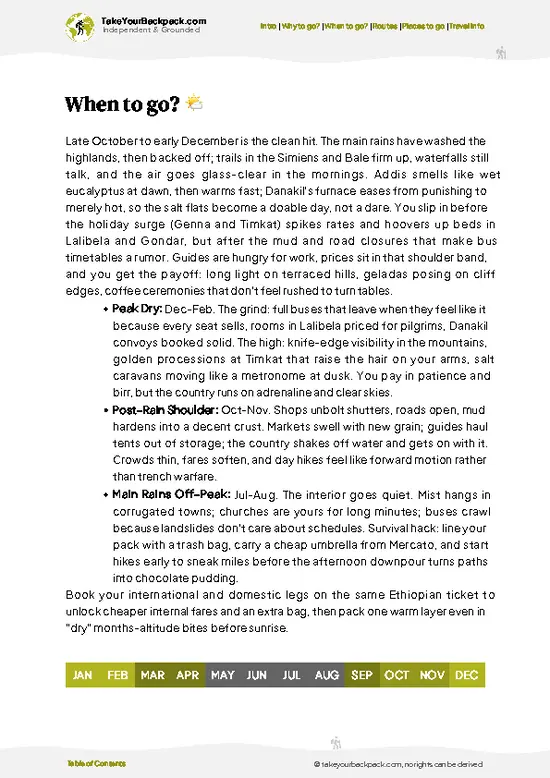
  • Weather: The best time to visit Debre Berhan Selassie Church is during Ethiopia’s dry season, from October to March. Rain is scarce, which means no mud battles or slippery paths. April to September brings heavy rains, making travel tricky and less enjoyable.

  • Temperature: Expect mild to cool temperatures year-round. From October to March, highs hover around 20-25°C (68-77°F), with chilly nights dropping to 5-10°C (41-50°F). The rainy season cools things down further, often feeling damp and cold.

  • Daylight Hours: Ethiopia’s proximity to the equator means fairly consistent daylight—about 12 hours year-round. Sunrise is around 6:30 AM, sunset near 6:30 PM, giving you plenty of time to explore without rushing.

  • Crowds: Peak tourist season aligns with the dry months, especially December and
read more 👉

  • Weather: The best time to visit Debre Berhan Selassie Church is during Ethiopia’s dry season, from October to March. Rain is scarce, which means no mud battles or slippery paths. April to September brings heavy rains, making travel tricky and less enjoyable.

  • Temperature: Expect mild to cool temperatures year-round. From October to March, highs hover around 20-25°C (68-77°F), with chilly nights dropping to 5-10°C (41-50°F). The rainy season cools things down further, often feeling damp and cold.

  • Daylight Hours: Ethiopia’s proximity to the equator means fairly consistent daylight—about 12 hours year-round. Sunrise is around 6:30 AM, sunset near 6:30 PM, giving you plenty of time to explore without rushing.

  • Crowds: Peak tourist season aligns with the dry months, especially December and January. The church can get busy, particularly during religious festivals like Timket (Epiphany) in January, when locals flood in for celebrations. Off-peak months offer more solitude but come with weather trade-offs.

  • Seasonal Activities: Timket in January is a spectacle if you want cultural immersion, but it’s packed. Outside festival times, the church’s intricate ceiling murals and serene atmosphere shine without distraction.

  • Price Fluctuations: Expect higher prices for guides, accommodation, and transport during the dry season and festival periods. The rainy season sees a dip in costs but also fewer services and less reliable travel conditions.


Pro-tip: Aim for late October or early November—dry, cool, fewer tourists, and prices haven’t spiked yet. You’ll get the church’s magic without the hassle.


source: climatestotravel.comJANJanuary: highly recommended for travelingFEBFebruary: highly recommended for travelingMARMarch: highly recommended for travelingAPRApril: fair for travelingMAYMay: fair for travelingJUNJune: below average for travelingJULJuly: below average for travelingAUGAugust: below average for travelingSEPSeptember: fair for travelingOCTOctober: excellent for travelingNOVNovember: excellent for travelingDECDecember: highly recommended for traveling
ethiopia-attraction-debre-berhan-selassie-church
© Google |

✈️ The backpacker research shortcutEthiopia Travel Guide

An offline-friendly backpacking guide with optimized travel routes, ranked highlights, transport advice, and the best areas to stay.
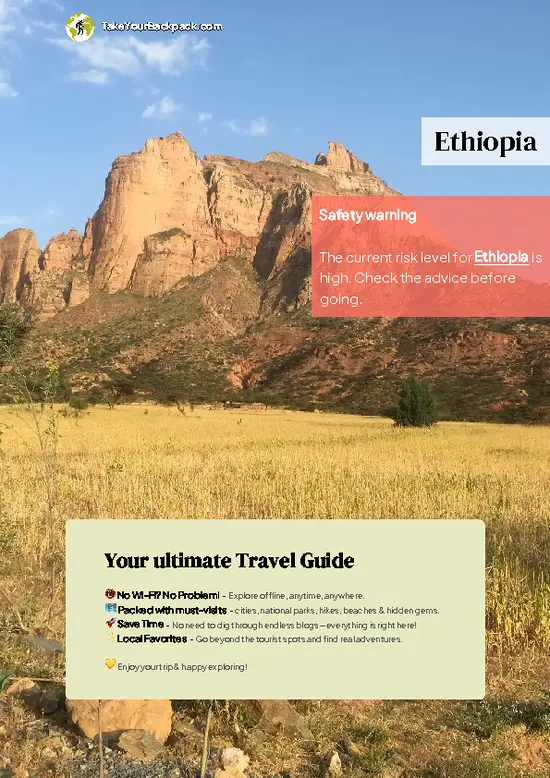
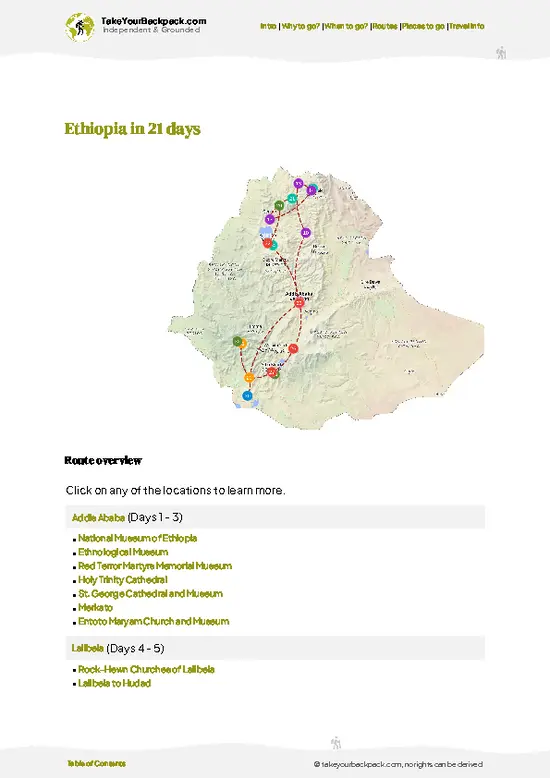
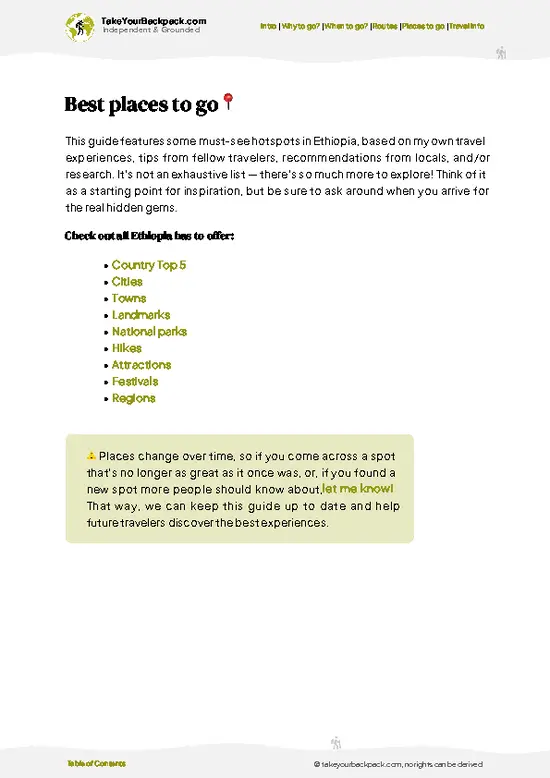
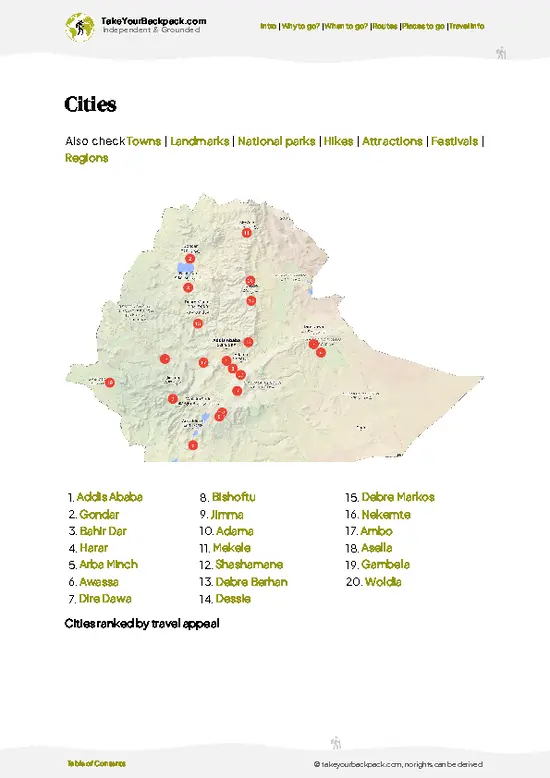
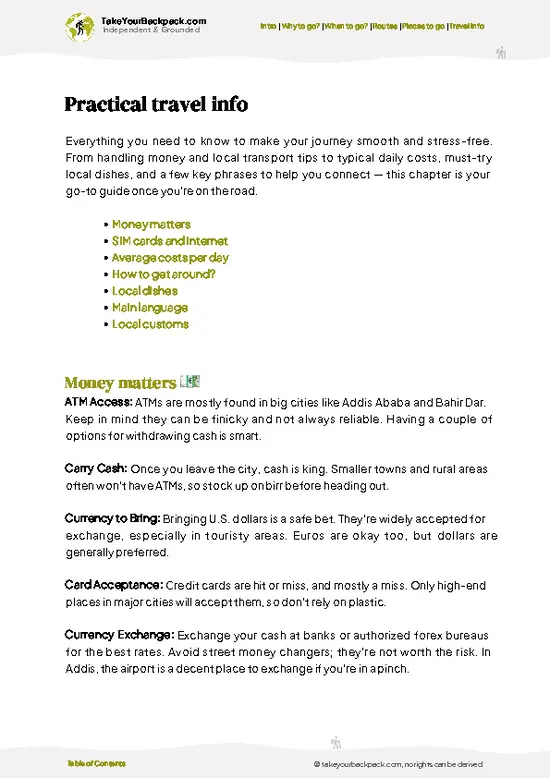
example page 0 from our offline Travel Guide for Ethiopia
example page 1 from our offline Travel Guide for Ethiopia
example page 2 from our offline Travel Guide for Ethiopia
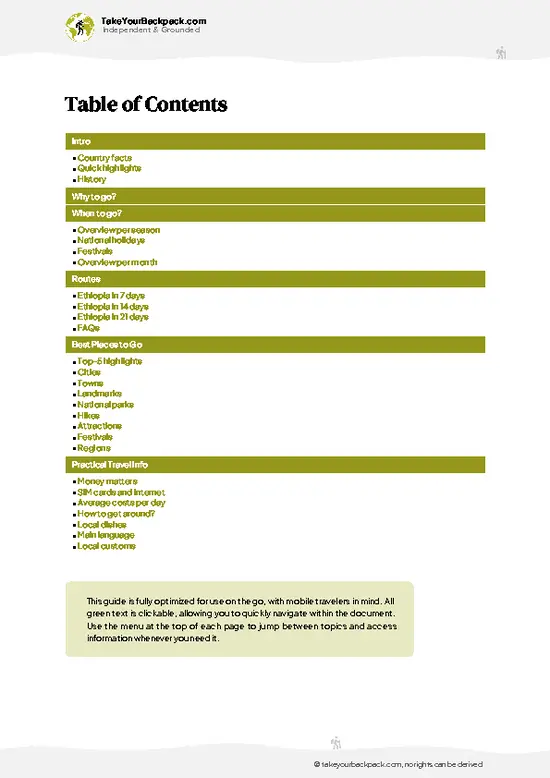
example page 3 from our offline Travel Guide for Ethiopia
example page 4 from our offline Travel Guide for Ethiopia
example page 5 from our offline Travel Guide for Ethiopia
example page 6 from our offline Travel Guide for Ethiopia
example page 7 from our offline Travel Guide for Ethiopia
The digital guide (395 pages) contains:
101 highlights, ranked by travel appeal
Optimized 7, 14 & 21-day travel routes
Cities, national parks, landmarks, beaches
How to get around
Offline-friendly for travel without Wi-Fi
👉 Click to see all 30+ guide features

📅 Plan smarter in minutes, not weeks
Month by month travel advice
Festivals & national holidays
Budget expectations

🗺️ Go to the right places, skip the overrated ones
Honest pros & cons of destinations
Top hikes, parks & viewpoints
Lesser-known places most travelers miss
Clear “worth it vs skip it” guidance

🛏️ Travel smoothly without rookie mistakes
Best areas to stay
Transport systems explained simply
Common scams & safety advice
SIM cards, money & practical tips

🌍 Understand the country, not just visit it
Culture & traditions
52 Essential phrases & customs
Festivals worth planning around
Traveler-friendly historical context
Insights that make places more meaningful

📱 Built for real travel conditions
Fully downloadable PDF
Works completely offline
Optimized for phone use
Useful in remote areas & buses
Everything in one place
Save weeks of stressful planning
Get instant access to your full guide. 30‑day money-back guarantee.


By proceeding you agree to our terms.
Sent to your inbox immediately after payment • 100% Secure Checkout
Best Backpacking Travel Advisor 2025 tourism awardBest Backpacking
Travel Advisor
2025
What others say about Take Your Backpack Guides:
⭐⭐⭐⭐⭐
Fantastic, amazing amount of information!
⭐⭐⭐⭐⭐
My goodness this is amazing, it's what I've been looking for hats off too you!
⭐⭐⭐⭐⭐
I think this is absolutely BRILLIANT
⭐⭐⭐⭐
Very complete and informative. It's still missing places, but I gotta to commend you
⭐⭐⭐⭐⭐
This is truly amazing, thank you, can't wait to explore it with my kids!
⭐⭐⭐⭐⭐
Awesome resource, thank you!
⭐⭐⭐⭐⭐
This is amazing! Can't wait to explore the ones I haven't seen
⭐⭐⭐⭐
I love this! Well done, great idea.
⭐⭐⭐⭐⭐
Thanks for taking the time to make this gem!
⭐⭐⭐⭐⭐
This might be the best website I've ever seen.
⭐⭐⭐⭐⭐
Congratulations, and thank you so much for your work; it's incredibly valuable.
⭐⭐⭐⭐
In all seriousness I think you did a great job pointing out the important spots
⭐⭐⭐⭐⭐
10/10 very good
⭐⭐⭐⭐⭐
As someone who's only just starting to visit regularly this is awesome, thank you.
⭐⭐⭐⭐
Thank you very much! I'm going to visit my dad, it's going to be very useful!
⭐⭐⭐⭐⭐
This is really cool! We'll be travelling for the first time and this definitely come in handy.
⭐⭐⭐⭐⭐
You are now our minister of culture, congratulations 👨‍💼
⭐⭐⭐⭐⭐
Just wanted to tell you that this is a pearl! Going to follow your recommendations.
⭐⭐⭐⭐⭐
This is so cool. I'll definitely be using the resource for my travels soon.
⭐⭐⭐⭐⭐
This is very impressive! Good work.
⭐⭐⭐⭐⭐
This is an amazing and informative site. Very well done!

🛏️ Where to stay?Where staying makes the most sense

Debre Berhan Selassie Church is a must-see in Gondar, but let’s cut through the tourist brochure gloss: the area around the church is busy, a bit chaotic, and not exactly a quiet retreat. The crowds are mostly day-trippers and local worshippers, so if you’re chasing Instagram-perfect solitude, you’ll be disappointed. The real magic here isn’t in a peaceful moment but in the vibrant, lived-in atmosphere—the hum of local life, the chatter of vendors, and the occasional burst of church choir singing that spills into the streets.

For backpackers, the best place to stay is the neighborhood just south … read more 👉
Debre Berhan Selassie Church is a must-see in Gondar, but let’s cut through the tourist brochure gloss: the area around the church is busy, a bit chaotic, and not exactly a quiet retreat. The crowds are mostly day-trippers and local worshippers, so if you’re chasing Instagram-perfect solitude, you’ll be disappointed. The real magic here isn’t in a peaceful moment but in the vibrant, lived-in atmosphere—the hum of local life, the chatter of vendors, and the occasional burst of church choir singing that spills into the streets.

For backpackers, the best place to stay is the neighborhood just south of the Royal Enclosure, where the church sits. This area strikes a balance between safety and social buzz. It’s where you’ll find budget travelers, solo backpackers, and small guesthouses that feel more like community hubs than sterile hotels. Streets here are walkable, and you can easily connect with other travelers or locals over a cup of Ethiopian coffee without the tourist trap markup.

You’ll want to avoid the immediate vicinity of the church after dark—it’s quieter but less secure and lacks social spots. Instead, settle into the lively quarters nearby where you can soak up authentic Gondar life, swap stories with fellow adventurers, and still be a short stroll from the church’s frescoed ceilings and centuries-old history. That’s where the real experience lives.

👛 Costs (as of 2 June 2026)Travel costs and budget guide for Debre Berhan Selassie Church

As of the most recent estimates, the entrance fee for Debre Berhan Selassie Church in Gondar, Ethiopia, is approximately 50 Ethiopian Birr for adults, with an additional 25 Birr for photography inside the church. ([brilliant-ethiopia.com](https://www.brilliant-ethiopia.com/debre-birhan-selassie-church?utm_source=openai)) This equates to about €1.50 to €2.25, depending on the current exchange rate. Please note that these fees are subject to change, and it's advisable to check the latest information before your visit.

source: brilliant-ethiopia.com
⚠️ Prices can change and everyone travels differently, so take this as a rough guide. Hope it helps you plan your adventure!

Other Ethiopian attractions near Debre Berhan Selassie Church

Explore more nearby:


💡 Not sure where to go next?
Create a personalized itinerary for Ethiopia including Debre Berhan Selassie Church and the places that fit your trip.

Generate my itinerary

👉 Discover all attractions

Or checkout all Ethiopia has to offer (think cities, towns, villages, national parks, hikes, beaches, festivals)
Country photo of Ethiopia

We 💚 feedbackParting advice and final tips

Debre Berhan Selassie Church isn’t just another stop on the tourist trail—it’s a full-on dive into Ethiopian artistry and spirituality that hits you in the chest. The ceiling’s angel faces stare down with a mix of innocence and intensity you won’t forget. But heads up: it can get crowded, especially midday, and the modest entrance fee isn’t exactly pocket change for budget travelers. Still, the raw, centuries-old vibe inside makes the hassle and cost feel like a fair trade.

✈️ When did I visit Ethiopia?
Ethiopia I visited back in October 2017. I combined the trip with a visit to Sudan. Ethiopia was a pure suprise with the magical scenery like the Danikal Depression and the Simien Mountains.

✍️ Help improve this page!
The information on this page is based on my own backpacking experience in Ethiopia, supplemented with up-to-date research and feedback from other travelers. Travel details can change, so if you notice anything outdated or incomplete, feel free to let me know.


🙋‍♂️ Give feedback

👋 Meet the founderWho’s Behind Take Your Backpack?

Johan, backpacker and founder of TakeYourBackpackHi, I’m Johan (Netherlands 🇳🇱), the creator of TakeYourBackpack. Over the past decade, I’ve backpacked through 80+ countries across six continents, gaining extensive experience with independent travel, long-term trips, and overland routes.

This site is built on a combination of firsthand travel experience and carefully curated insights from other backpackers. Many guides are based on places I’ve personally visited, while others bring together tips, observations, and practical advice shared by trusted travelers I’ve met along the way.

The goal is to provide realistic, experience-driven guidance — not generic itineraries — so you can explore destinations with better context, clearer expectations, and more confidence.

Get full Ethiopia guide •
Instant download • 101 highlights • Full Offline guide