×

Ethiopia🇪🇹 | citiesHawassaLakeshore fish market, marabou storks, Sidama culture, Sunday trading | things to do and best time to go

Explore ShashamaneExplore Adama

Backpacking in Hawassa
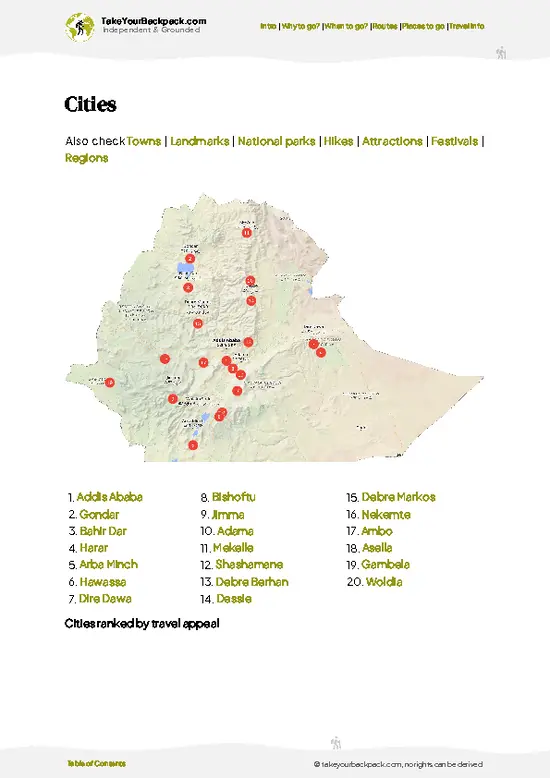
🌟 Highlightcity ranked #7
By Johan Kruseman 🇳🇱 | Updated October 22, 2026

Hawassa used to be a sleepy lakeside administrative town where the main event was fishermen hauling in tilapia. Today it is a fast-growing city and industrial hub, with paved boulevards, a busy bus station and a sizable weekend crowd from Addis Ababa. It sits on the shore of Lake Hawassa in southern Ethiopia, in the Rift Valley. Marabou storks croak from the trees along the fish market, and the air smells of charcoal and frying fish. I ordered a plate of fried tilapia there with injera and a cold bottled soda for about US$3, and ate it with my fingers, bones and all. Buses and bajaj (three-wheeled taxis) are cheap but fill up fast, so you hop on early and agree on fares before sitting. Hawassa suits travelers who want an easy lakeside break and good food. It disappoints anyone hunting for old-world atmosphere.

Discover everything you want to know in the 📖 Ethiopia Travel Guide.
Safety warning

The current risk level for Ethiopia is high. Check the advice before going.


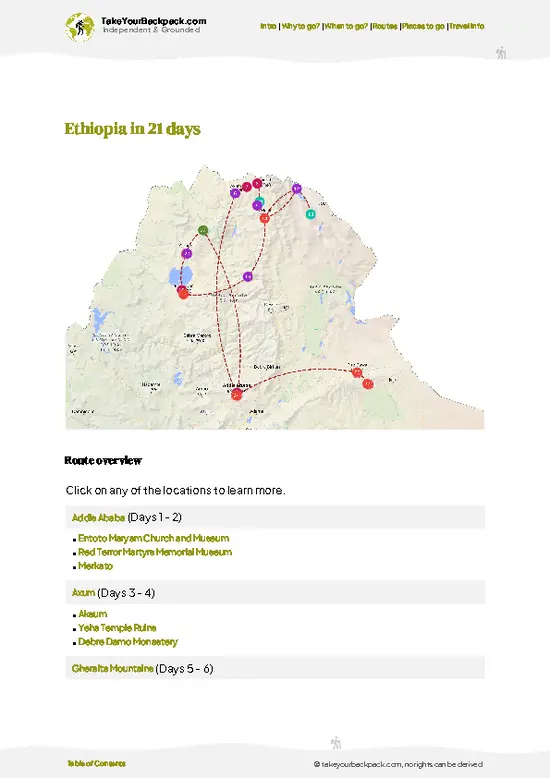
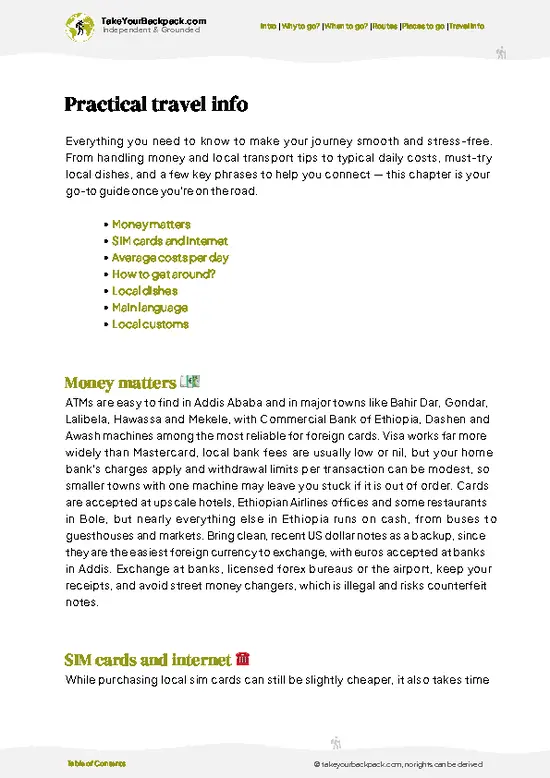
example page 0 from our offline Travel Guide for Ethiopia
example page 1 from our offline Travel Guide for Ethiopia
example page 2 from our offline Travel Guide for Ethiopia
example page 3 from our offline Travel Guide for Ethiopia
example page 4 from our offline Travel Guide for Ethiopia
example page 5 from our offline Travel Guide for Ethiopia
example page 6 from our offline Travel Guide for Ethiopia
example page 7 from our offline Travel Guide for Ethiopia
Loading the map 🌍
CLICK TO FILTER
cities
towns
landmarks
national parks
hikes
attractions
festivals
regions
SHOW COUNTRY’S BESTSHOW ALL

✨ Why go?
Ranked #7 city in Ethiopia
What sets this place apart

Hawassa works as a relaxed pause between the capital and the deep south, and that is the main reason backpackers come. The city sits on the road toward the Omo Valley, Arba Minch and Bale, so you can break a long journey here without feeling like you wasted a day. The lakefront is flat and walkable, and a loop around it takes you past fishermen, cafes and resorts without needing transport. Food is a draw too: the Lake Hawassa fish market serves grilled and fried tilapia within minutes of the catch, and Amora Gedel park gives you a free green stretch for an evening stroll. Hostels are few, so most backpackers pick simple guesthouses. Nightlife exists but leans toward live music bars and beer gardens rather than clubs. Give it one or two nights. Longer only makes sense if you want a base for lakes and hot springs nearby.

💡 HighlightsKey sights and experiences for travelers

  1. Hawassa Fish Market: The city’s best-known scene, on the lake shore in the morning, where fishermen bring in tilapia and catfish while marabou storks crowd the edge. Go between 6 and 9 AM. Free to watch; a fresh meal costs around US$2 to 4. Allow 1 to 2 hours.
  2. Lake Hawassa Shoreline Walk: A flat promenade past hippo-watching spots, hotels and bird-filled reeds. Late afternoon is cooler and softer for photos. Free, 1 to 2 hours.
  3. Amora Gedel Park: A lakeside park with monkeys, shade trees and families picnicking, busiest on weekends. Entry is usually under US$1. Allow 1 hour in the afternoon.
  4. Tabor Mountain Viewpoint: A small hill on the edge of the city with panoramas of the lake and the surrounding town. Go in the morning for clear views. Free, about 1 to 2 hours including the climb.
  5. Hawassa Lake
… read more 👉
  1. Hawassa Fish Market: The city’s best-known scene, on the lake shore in the morning, where fishermen bring in tilapia and catfish while marabou storks crowd the edge. Go between 6 and 9 AM. Free to watch; a fresh meal costs around US$2 to 4. Allow 1 to 2 hours.
  2. Lake Hawassa Shoreline Walk: A flat promenade past hippo-watching spots, hotels and bird-filled reeds. Late afternoon is cooler and softer for photos. Free, 1 to 2 hours.
  3. Amora Gedel Park: A lakeside park with monkeys, shade trees and families picnicking, busiest on weekends. Entry is usually under US$1. Allow 1 hour in the afternoon.
  4. Tabor Mountain Viewpoint: A small hill on the edge of the city with panoramas of the lake and the surrounding town. Go in the morning for clear views. Free, about 1 to 2 hours including the climb.
  5. Hawassa Lake Boat Ride: Small boats take you to see hippos at close range and birds like pelicans and kingfishers. Early morning is best. Expect about US$10 to 20 per boat after negotiation, 1 hour.
  6. Hawassa Cultural Center: Displays on the Sidama people, including traditional clothing, tools and the Fichee-Chambalaalla New Year. Visit during daytime. Entry is typically under US$2, about 1 hour.
  7. Sunday Market (Bahil Adarash area): A lively local trading spot for vegetables, spices, coffee and textiles. Go in the morning. Free to wander, about 1 to 2 hours.
From Hawassa, easy day trips include Wondo Genet hot springs, Lake Langano and Abijatta-Shalla Lakes National Park. The boat ride is best arranged at the lakefront the same morning, and the cultural center may need advance confirmation for a guided visit.
Spotted a mistake or missing something? Contact us.

🏘️ NeighborhoodsWhere things are and how it's laid out

Hawassa spreads along the shore of Lake Hawassa, and most of what a backpacker wants sits within a few kilometers of each other. Here is how the main areas differ and how to handle each.
  • Lakeside and Tabor Road area: The shoreline promenade smells of fried fish and wet reeds, and marabou storks hunch over the rocks. Cafés and juice bars face the water, and the morning light on the lake is the best of the day. Walk it early, because midday sun on the open promenade is harsh and shade is scarce.
  • Piassa and the center: Horns, minibus conductors shouting destinations and the sizzle of street kitchens fill the grid of streets around the main square. Banks with ATMs, pharmacies and cheap restaurants cluster here. It is walkable, but carry cash in small notes because change is often short.
  • Fish Market
… read more 👉
Hawassa spreads along the shore of Lake Hawassa, and most of what a backpacker wants sits within a few kilometers of each other. Here is how the main areas differ and how to handle each.
  • Lakeside and Tabor Road area: The shoreline promenade smells of fried fish and wet reeds, and marabou storks hunch over the rocks. Cafés and juice bars face the water, and the morning light on the lake is the best of the day. Walk it early, because midday sun on the open promenade is harsh and shade is scarce.
  • Piassa and the center: Horns, minibus conductors shouting destinations and the sizzle of street kitchens fill the grid of streets around the main square. Banks with ATMs, pharmacies and cheap restaurants cluster here. It is walkable, but carry cash in small notes because change is often short.
  • Fish Market (Amora Gedel): Right on the lake, where fishermen haul in tilapia and cut it on the spot. It is wet, loud and pungent, and the marabou storks wait for scraps. Go in the morning when the catch is fresh, and wear shoes you do not mind soaking.
  • Tabor Mountain side: The hillside to the south is quiet and green, with views over the lake and town. Hike up in the cooler early hours, since the climb is steep and exposed.
  • Bus station area: Dusty, noisy and chaotic, but useful. Arrive in daylight and take a short bajaj to your bed.

⌛️ 1 dayHow to make the most of one day

7:00 AM: Hawassa Fish Market Start at the lakeshore as boats come in. Watch the cleaning and haggling, then order grilled tilapia with lemon and injera. Walk south along the water to the next stop.
9:30 AM: Lake Hawassa Boat Ride Negotiate a small boat from the nearby landing. Hippos surface close to the reeds, and pelicans and kingfishers work the shallows. Stay out about an hour, then step back onto the promenade.
11:30 AM: Amora Gedel Park Walk the shaded paths and watch the monkeys from a distance. Rest here through the heat of midday with a macchiato from a nearby cafe.
1:30 PM: Lunch in Piazza area Take a bajaj into town and eat a plate of firfir or kitfo in a local restaurant, where the menu is in Amharic and the crowd is mostly locals.
3:30 PM: Hawassa Cultural Center Look at Sidama household … read more 👉
7:00 AM: Hawassa Fish Market Start at the lakeshore as boats come in. Watch the cleaning and haggling, then order grilled tilapia with lemon and injera. Walk south along the water to the next stop.
9:30 AM: Lake Hawassa Boat Ride Negotiate a small boat from the nearby landing. Hippos surface close to the reeds, and pelicans and kingfishers work the shallows. Stay out about an hour, then step back onto the promenade.
11:30 AM: Amora Gedel Park Walk the shaded paths and watch the monkeys from a distance. Rest here through the heat of midday with a macchiato from a nearby cafe.
1:30 PM: Lunch in Piazza area Take a bajaj into town and eat a plate of firfir or kitfo in a local restaurant, where the menu is in Amharic and the crowd is mostly locals.
3:30 PM: Hawassa Cultural Center Look at Sidama household items, costumes and photographs. It is a quieter stop that most visitors never plan, and it gives context to the festival and food traditions you see around town.
5:30 PM: Tabor Mountain Viewpoint Take a short ride and climb up for the evening view across the lake and the city. Stay until the lights come on.
7:30 PM: Dinner by the Lake Finish at a lakeside terrace with fish or tibs and a local beer.

🌤️ When to go?Seasonal considerations and timing

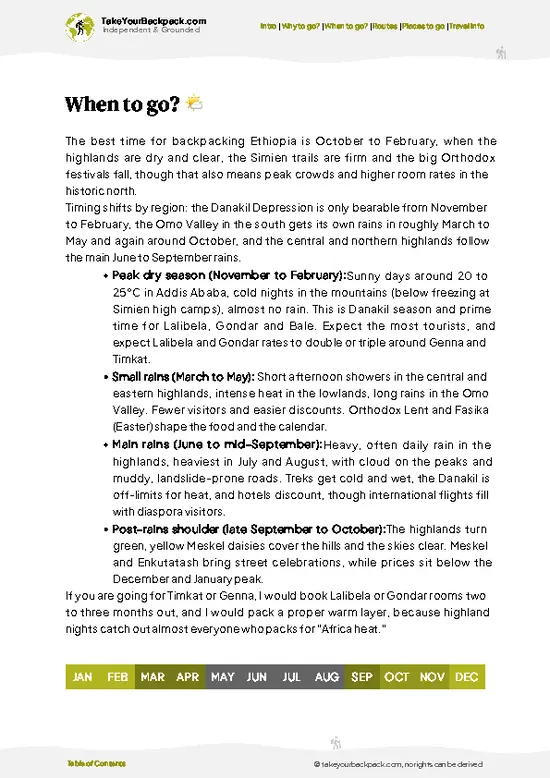
October to February gives Hawassa its most comfortable stretch, with sunny days around 25 to 28°C (77 to 82°F) and cool nights near 12 to 14°C (54 to 57°F).
  • Dry Season (October to February): Clear mornings, easy lake walks and good birding. Domestic holiday crowds and slightly higher bed prices appear around Ethiopian Christmas and Timkat in January.
  • Hot Season (March to May): Highs reach 29 to 32°C (84 to 90°F) and the first showers arrive in April. Quieter, with lower prices.
  • Main Rains (June to September): Afternoon downpours at 22 to 26°C (72 to 79°F) turn dirt roads muddy, though the hills are lush and rooms are cheapest.
  • Daylight: Near the equator, days stay close to twelve hours all year.
Visit on a weekday in the dry season and you get empty lakeside paths and easier bargaining.

source: climatestotravel.comJANJanuary: highly recommended for travelingFEBFebruary: excellent for travelingMARMarch: fair for travelingAPRApril: fair for travelingMAYMay: fair for travelingJUNJune: fair for travelingJULJuly: fair for travelingAUGAugust: fair for travelingSEPSeptember: fair for travelingOCTOctober: excellent for travelingNOVNovember: highly recommended for travelingDECDecember: highly recommended for traveling
when-to-go

✈️ The backpacker research shortcutEthiopia Travel Guide

An offline-friendly backpacking guide with optimized travel routes, ranked highlights, transport advice, and the best areas to stay.
example page 0 from our offline Travel Guide for Ethiopia
example page 1 from our offline Travel Guide for Ethiopia
example page 2 from our offline Travel Guide for Ethiopia
example page 3 from our offline Travel Guide for Ethiopia
example page 4 from our offline Travel Guide for Ethiopia
example page 5 from our offline Travel Guide for Ethiopia
example page 6 from our offline Travel Guide for Ethiopia
example page 7 from our offline Travel Guide for Ethiopia
The digital guide (380 pages) contains:
✅ 98 highlights, ranked by travel appeal
✅ Optimized 7, 14 & 21-day travel routes
✅ Cities, national parks, landmarks, beaches
✅ How to get around
✅ Offline-friendly for travel without Wi-Fi
👉 Click to see all 30+ guide features

📅 Plan smarter in minutes, not weeks
✅ Month by month travel advice
✅ Festivals & national holidays
✅ Budget expectations

🗺️ Go to the right places, skip the overrated ones
✅ Honest pros & cons of destinations
✅ Top hikes, parks & viewpoints
✅ Lesser-known places most travelers miss
✅ Clear “worth it vs skip it” guidance

🛏️ Travel smoothly without rookie mistakes
✅ Best areas to stay
✅ Transport systems explained simply
✅ Common scams & safety advice
✅ SIM cards, money & practical tips

🌍 Understand the country, not just visit it
✅ Culture & traditions
✅ 52 Essential phrases & customs
✅ Festivals worth planning around
✅ Traveler-friendly historical context
✅ Insights that make places more meaningful

📱 Built for real travel conditions
✅ Fully downloadable PDF
✅ Works completely offline
✅ Optimized for phone use
✅ Useful in remote areas & buses
✅ Everything in one place
Stop searching, start planning
Get instant access to your full guide. 30‑day money-back guarantee.
+ Add another guide for just

By proceeding you agree to our terms.
Sent to your inbox immediately after payment • 100% Secure Checkout
Best Backpacking Travel Advisor 2025 tourism awardBest Backpacking
Travel Advisor
2025
What others say about Take Your Backpack Guides:
⭐⭐⭐⭐⭐
Fantastic, amazing amount of information!
⭐⭐⭐⭐⭐
My goodness this is amazing, it's what I've been looking for hats off too you!
⭐⭐⭐⭐⭐
I think this is absolutely BRILLIANT
⭐⭐⭐⭐
Very complete and informative. It's still missing places, but I gotta to commend you
⭐⭐⭐⭐⭐
This is truly amazing, thank you, can't wait to explore it with my kids!
⭐⭐⭐⭐⭐
Awesome resource, thank you!
⭐⭐⭐⭐⭐
This is amazing! Can't wait to explore the ones I haven't seen
⭐⭐⭐⭐
I love this! Well done, great idea.
⭐⭐⭐⭐⭐
Thanks for taking the time to make this gem!
⭐⭐⭐⭐⭐
This might be the best website I've ever seen.
⭐⭐⭐⭐⭐
Congratulations, and thank you so much for your work; it's incredibly valuable.
⭐⭐⭐⭐
In all seriousness I think you did a great job pointing out the important spots
⭐⭐⭐⭐⭐
10/10 very good
⭐⭐⭐⭐⭐
As someone who's only just starting to visit regularly this is awesome, thank you.
⭐⭐⭐⭐
Thank you very much! I'm going to visit my dad, it's going to be very useful!
⭐⭐⭐⭐⭐
This is really cool! We'll be travelling for the first time and this definitely come in handy.
⭐⭐⭐⭐⭐
You are now our minister of culture, congratulations 👨‍💼
⭐⭐⭐⭐⭐
Just wanted to tell you that this is a pearl! Going to follow your recommendations.
⭐⭐⭐⭐⭐
This is so cool. I'll definitely be using the resource for my travels soon.
⭐⭐⭐⭐⭐
This is very impressive! Good work.
⭐⭐⭐⭐⭐
This is an amazing and informative site. Very well done!

🛏️ Where to stay?Best areas to stay in Ethiopia

The lakeside strip and the central Piassa area are the two best places for a budget bed in Hawassa. Lakeside has the widest choice of guesthouses and simple budget rooms, and the water views make the quiet evenings worth it. Walking at night is comfortable along the main promenade, though a short bajaj ride home after dark is wiser on unlit side roads. Noise is mostly bars and music until late near the main tourist stretch, so request a room at the back.
Piassa suits travelers who prioritize logistics. Bus connections, banks, ATMs and cheap eateries are all close, and bajajs pass constantly. Rooms … read more 👉
The lakeside strip and the central Piassa area are the two best places for a budget bed in Hawassa. Lakeside has the widest choice of guesthouses and simple budget rooms, and the water views make the quiet evenings worth it. Walking at night is comfortable along the main promenade, though a short bajaj ride home after dark is wiser on unlit side roads. Noise is mostly bars and music until late near the main tourist stretch, so request a room at the back.
Piassa suits travelers who prioritize logistics. Bus connections, banks, ATMs and cheap eateries are all close, and bajajs pass constantly. Rooms are basic and noisier with traffic from early morning, but prices are lower, roughly US$8 to 20 for a private room. Dorm beds are rare in Hawassa, so most backpackers take a cheap private room and split it. Book ahead around January holidays and on weekends when Addis visitors fill the lakeside.

🚌 Getting aroundGetting around like a local

A bajaj (three-wheeled auto rickshaw) ride across town costs about US$0.30 to 1, paid in cash birr to the driver at the end of the ride, so agree the price before you climb in. Hawassa is flat and compact, traffic is light compared with Addis Ababa, and the sprawl is easy to cover with a mix of walking and short rides.
  • Walking: The lakeside promenade and central streets are fine on foot, and you will hear fishermen and smell grilled fish. Sun is fierce at midday, so walk early or late and carry water.
  • Bajaj: The workhorse, buzzing and open-sided. Shared rides on fixed routes cost under US$0.30, while a private hire costs US$0.50 to 1.50 depending on distance. Locals do not haggle much on short hops, so ask a shop owner the usual fare first.
  • Minibus: Cheap shared vans run to nearby towns and across
… read more 👉
A bajaj (three-wheeled auto rickshaw) ride across town costs about US$0.30 to 1, paid in cash birr to the driver at the end of the ride, so agree the price before you climb in. Hawassa is flat and compact, traffic is light compared with Addis Ababa, and the sprawl is easy to cover with a mix of walking and short rides.
  • Walking: The lakeside promenade and central streets are fine on foot, and you will hear fishermen and smell grilled fish. Sun is fierce at midday, so walk early or late and carry water.
  • Bajaj: The workhorse, buzzing and open-sided. Shared rides on fixed routes cost under US$0.30, while a private hire costs US$0.50 to 1.50 depending on distance. Locals do not haggle much on short hops, so ask a shop owner the usual fare first.
  • Minibus: Cheap shared vans run to nearby towns and across Hawassa, typically US$0.20 to 2. They leave when full, not on a schedule, and conductors shout destinations through the window. Sit near the door if you need an easy exit.
  • Horse cart (gari): Some routes and short hops use carts, around US$0.30 to 1, slow but quiet and a good way to see side streets.
  • Long-distance bus: Buses to Addis Ababa take roughly 4 to 5 hours and cost around US$6 to 10. Book a day ahead at the station and arrive early, because the first departures leave around dawn.

👛 Costs (as of 22 October 2026)Typical daily expenses

Hawassa costs a backpacker roughly US$8 to 12 a day, with a total daily budget of about US$31 in high season.
CategoryBudget RangeLocal Reality
Dorm accommodation (high season)US$8 to 12Dorms are rare, so most travelers pay for a basic private room
Dorm accommodation (off-season)US$5 to 9Rooms are easier to bargain from June to September
MealsUS$6 to 10Local meals and fresh fish are cheap, and coffee is under US$1
Local transportUS$1 to 3Bajajs and shared minibuses cover most rides
City transport passNot availablePay per ride in cash
Basic activities and entry feesUS$3 to 8Wondo Genet, boat trips and park entries add up
MiscellaneousUS$2 to 4Water, SIM data and tips
Total Daily BudgetUS$31Excluding day trips beyond the region
Eat at local lakeside stalls and use shared bajajs to save the most.
⚠️ Prices can change and everyone travels differently, so take this as a rough guide. Hope it helps you plan your adventure!

🚌 Day tripsWhere to go beyond the main area

Hawassa works well as a base for day trips, because the Rift Valley lakes, forests and hot springs all sit within a few hours.
Lake Langano:
A brown, bilharzia-free lake with sandy beaches that suits swimming and lounging. Minibuses via Shashamane take about 2 to 3 hours each way, and the total with transport and a small entry fee is about US$8 to 15. Go in the dry season, and note that many first-timers underestimate the transfers and leave too late to get back.

Wondo Genet:
Hot springs flow through a forested hillside about 30 minutes to an hour away by minibus or bajaj, with colobus monkeys in the trees and a cool pool to bathe in. Budget US$4 to 8 including entry. Go early to avoid weekend crowds, and bring a towel because you will want one.
👉 Explore Wondo Genet
Aleta Wondo coffee area: … read more 👉
Hawassa works well as a base for day trips, because the Rift Valley lakes, forests and hot springs all sit within a few hours.
Lake Langano:
A brown, bilharzia-free lake with sandy beaches that suits swimming and lounging. Minibuses via Shashamane take about 2 to 3 hours each way, and the total with transport and a small entry fee is about US$8 to 15. Go in the dry season, and note that many first-timers underestimate the transfers and leave too late to get back.

Wondo Genet:
Hot springs flow through a forested hillside about 30 minutes to an hour away by minibus or bajaj, with colobus monkeys in the trees and a cool pool to bathe in. Budget US$4 to 8 including entry. Go early to avoid weekend crowds, and bring a towel because you will want one.
👉 Explore Wondo Genet
Aleta Wondo coffee area:
Sidamo coffee farms around Aleta Wondo are a 1.5 to 2 hour ride south, where you can see cherries drying on raised beds and drink fresh brews. Costs run US$6 to 12. Harvest runs roughly October to January, the best moment to see drying beds.

Abijatta-Shalla Lakes National Park:
Flamingos gather on soda lakes and hot springs bubble beside the shore, roughly 2.5 to 3 hours away. A budget day costs about US$15 to 25 with park fees and transport. Visit November to February for bird numbers, and carry your own water.
👉 Explore Abijatta-Shalla Lakes National Park

🍲 FoodLocal Cuisine & Drinks

Fresh lake fish is what Hawassa does best. At the fish market and lakeside stalls, tilapia is fried whole or served as asa gulash, chunks stewed in a peppery sauce, with lemon on the side. Eat it by hand with bread.
The south’s own staple is kocho, a dense fermented flatbread made from the false banana plant, often served with kitfo and a pot of spicy chili butter. Sidamo country also means excellent coffee, poured from a clay jebena at small cafés, strong and often with a sweet pinch of sugar.
For drinks, try a layered fruit juice of avocado, mango and papaya from lakeside juice bars, thick enough to eat with a spoon. Backpackers mostly eat at casual spots near the lakeshore and in Piassa, where a fish meal runs about US$2 to 5.

🛡️ SafetySafety Tips and Common Scams in Hawassa

Hawassa is relaxed and one of the easier Ethiopian cities for solo travelers, including women, though a few habits help. Pickpocketing happens at the bus station and in crowded minibuses, so keep your phone and cash in front pockets. Persistent youths offering guiding services or souvenirs along the lakeside are annoying rather than dangerous, and a calm “no, thank you” and a smile usually ends it. Some drivers quote foreigners double, so ask the fare first. After dark, use a bajaj rather than walking on unlit streets, and avoid the water’s edge on your own at night. Do not swim in the lake, where hippos live in some areas. Keep an eye on current news before traveling to rural areas outside the city.

FAQCommon questions from travelers

Two to three days is enough for Hawassa. One day covers the lakeside promenade, the fish market and a boat trip, and another suits Wondo Genet hot springs, about 30 to 60 minutes away. A third day lets you reach Lake Langano, roughly 2 to 3 hours each way.
Yes, solo backpackers generally find Hawassa relaxed and easy, including women traveling alone. Watch for pickpockets at the bus station and in packed minibuses, and use a bajaj (about US$0.50 to 1.50) instead of walking unlit streets after dark. Avoid swimming in the lake because of hippos and parasites.
Hawassa is known for Lake Hawassa, the fish market, marabou storks and the Rift Valley setting. It is also famous for nearby Wondo Genet hot springs and Sidamo coffee, grown in the hills to the south. The city is a 4 to 5 hour bus ride from Addis Ababa, costing around US$6 to 10.
⚠️ Things can change over time, so always validate details locally before you go.

Other Ethiopian cities near Hawassa

Explore more nearby:

  • Shashamane—Rastafarian community, multicultural markets, Rift Valley location| 20 km away
  • Asella—Bale Mountains access, barley fields, cool climate| 123 km away
  • Arba Minch—Nechisar National Park, twin lakes, Dorze villages| 153 km away

💡 Not sure where to go next?
Create a personalized itinerary for Ethiopia including Hawassa and the places that fit your trip.

Generate my itinerary

👉 Discover all cities

Or checkout all Ethiopia has to offer (think cities, towns, villages, national parks, hikes, beaches, festivals)
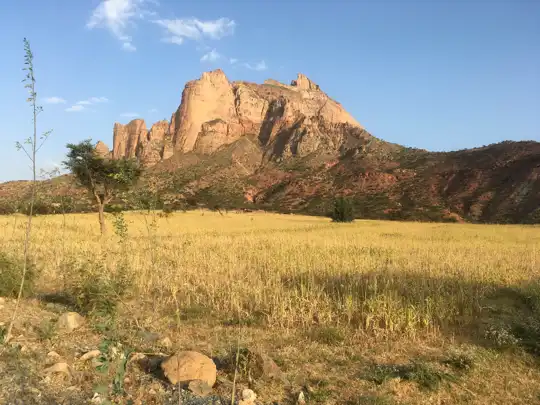
Country photo of Ethiopia

We 💚 feedbackSumming up the experience

Hawassa is best in the early morning, when the lake is calm, the fish market is loud and the heat has not yet arrived. I would book a night, not two, and spend that first hour by the water before heading south. Bring small bills for boats and snacks.

✈️ When did I visit Ethiopia?
Ethiopia I visited back in October 2017. I combined the trip with a visit to Sudan. Ethiopia was a pure surprise with the magical scenery like the Danakil Depression and the Simien Mountains.

✍️ Help improve this page!
The information on this page is based on my own backpacking experience in Ethiopia, supplemented with up-to-date research and feedback from other travelers. Travel details can change, so if you notice anything outdated or incomplete, feel free to let me know.


🙋‍♂️ Give feedback

👋 Meet the founderWho’s Behind Take Your Backpack?

Johan, backpacker and founder of TakeYourBackpackHi, I’m Johan (Netherlands 🇳🇱), the creator of TakeYourBackpack. Over the past 3 decades, I’ve backpacked through 90+ countries across six continents, gaining extensive experience with independent travel, long-term trips, and overland routes.

This site is built on a combination of firsthand travel experience and carefully curated insights from other backpackers. Many guides are based on places I’ve personally visited, while others bring together tips, observations, and practical advice shared by trusted travelers I’ve met along the way.

The goal is to provide realistic, experience-driven guidance — not generic itineraries — so you can explore destinations with better context, clearer expectations, and more confidence.