×

Ethiopia🇪🇹 | citiesArba MinchNechisar National Park, twin lakes, Dorze villages | things to do and best time to go

Explore Dire DawaExplore Debre Berhan

Backpacking in Arba Minch
🌟 Highlightcity ranked #6
By Johan Kruseman 🇳🇱 | Updated September 3, 2026

Everyone says you come to Arba Minch for the twin lakes—Abaya and Chamo—but let’s be honest: the real value is in how the city forces you to weigh your priorities. Arba Minch sits in southern Ethiopia, perched above the Rift Valley, and it’s a crossroads in every sense. The lakes are impressive, yes, but the real payoff is the contrast: bustling markets, the wild Nechisar National Park, and the way hippos and crocodiles feel almost routine here. It’s not the cheapest stop in Ethiopia, but it’s less chaotic than Addis and more approachable than Hawassa. You’ll meet other travelers, but not in droves—enough for a beer, not a crowd. Safety is decent if you stick to daylight and your wits. The vibe? Relaxed but alert, with just enough edge to keep you interested.

Discover everything you want to know in the 📖 Ethiopia Travel Guide.
Safety warning

The current risk level for Ethiopia is high. Check the advice before going.


Get your Ethiopia guide
100 ranked highlights, routes & tips, works offline (387 pages)
Loading the map 🌍
CLICK TO FILTER
cities
towns
landmarks
national parks
hikes
attractions
festivals
regions
SHOW COUNTRY’S BESTSHOW ALL

✨ Why go?
Ranked #6 city in Ethiopia
Why visitors keep coming back

Arba Minch is a strategic stop for backpackers weaving through Ethiopia. It’s not just about the highlights; it’s about the basecamp value it offers for day trips into the surrounding natural wonders. The city itself is walkable, making it easy to explore local markets and grab a bite of authentic Ethiopian cuisine without breaking the bank.

Hostels here are budget-friendly and often buzzing with fellow travelers, creating a sense of community that’s hard to beat. If you’re looking for nightlife, you’ll find a few lively spots where you can unwind after a day of adventure.

What really sets Arba Minch apart is its easy onward travel options. Whether you’re heading to the Omo Valley or back to Addis Ababa, the connections are straightforward. This city is perfect for those who want to soak … read more 👉
Arba Minch is a strategic stop for backpackers weaving through Ethiopia. It’s not just about the highlights; it’s about the basecamp value it offers for day trips into the surrounding natural wonders. The city itself is walkable, making it easy to explore local markets and grab a bite of authentic Ethiopian cuisine without breaking the bank.

Hostels here are budget-friendly and often buzzing with fellow travelers, creating a sense of community that’s hard to beat. If you’re looking for nightlife, you’ll find a few lively spots where you can unwind after a day of adventure.

What really sets Arba Minch apart is its easy onward travel options. Whether you’re heading to the Omo Valley or back to Addis Ababa, the connections are straightforward. This city is perfect for those who want to soak in a bit of local culture while still having the flexibility to dive into the wild. If your style leans toward immersive experiences rather than just ticking boxes, Arba Minch is worth more than just a quick stop.
Want to include Arba Minch in your Ethiopia route?
Create a personalized Ethiopia itinerary that includes Arba Minch and the places that fit your trip — based on your travel style, budget, and available time. Get your route in seconds.

Generate my trip

💡 HighlightsDon't-miss highlights and experiences

  • Lake Chamo boat trip (Arba Minch jetty) — The classic must-do: small motorboats leave from the town jetty to cruise for hippos, Nile crocodiles and water birds. It’s an easy, affordable wildlife encounter without trekking into the highlands.
  • Crocodile market / lakeshore feeding spot — Locals gather along the Chamo shoreline to feed and sell fish to the big Nile crocs. Raw, a little chaotic, and unforgettable — great for photos and to watch local fishing culture in action.
  • The isthmus/bridge viewpoint (where Lake Abaya meets Lake Chamo) — Walk or grab a boda to the narrow neck between the two lakes. From several vantage points you can see both lakes at once — one of the most striking panoramas in town, especially at sunset.
  • Lake Abaya fishmarket and shoreline — Early morning fish stalls,
read more 👉
  • Lake Chamo boat trip (Arba Minch jetty) — The classic must-do: small motorboats leave from the town jetty to cruise for hippos, Nile crocodiles and water birds. It’s an easy, affordable wildlife encounter without trekking into the highlands.
  • Crocodile market / lakeshore feeding spot — Locals gather along the Chamo shoreline to feed and sell fish to the big Nile crocs. Raw, a little chaotic, and unforgettable — great for photos and to watch local fishing culture in action.
  • The isthmus/bridge viewpoint (where Lake Abaya meets Lake Chamo) — Walk or grab a boda to the narrow neck between the two lakes. From several vantage points you can see both lakes at once — one of the most striking panoramas in town, especially at sunset.
  • Lake Abaya fishmarket and shoreline — Early morning fish stalls, drying racks and fishermen hauling catch give a real sense of local life. It’s a working place, not a polished tourist site, so bring respect and a camera ready for candid scenes.
  • Arba Minch Main Market (the central bazaar) — A jumble of produce, spices, clothes and daily goods where you can watch Dorze and other local traders, haggle for souvenirs, and try cheap street food. It’s the quickest way to feel the town’s rhythm.
  • The Forty Springs area (the city’s green springs) — The reason the town is named “Arba Minch” — the springs and small irrigated gardens give lush pockets inside the town. Pleasant strolls, shady spots, and a reminder of how water shapes local life here.
  • Dorze weaving and handicraft stalls in town — You don’t need to go to the hill villages to see Dorze textiles and beehive-house models; many weavers sell work inside town. Good place to buy handwoven cloth and ask about weaving techniques straight from the makers.
  • Local coffee ceremony spots and neighborhood cafés — Join a traditional coffee ceremony in a family home or a small café to see the ritual up close. It’s social, cheap, and the best way to sit, swap stories and get travel tips from locals.
  • Small hill viewpoints and short urban hikes — There are several short climbs right inside the town (ask locally for the nearest “view” trail). Fifteen to thirty minutes up gives you sweeping views of the lakes, the town layout, and a chance to meet people away from the market bustle.
  • Boat departures & booking hubs for Nechisar trips — The ticket kiosks, guides and boat operators in town are themselves worth a look: they’re where itineraries are planned, stories are traded, and you can join a last-minute safari or negotiate a multi-day trip into the park.
A few excellent day trips just outside Arba Minch: Nechisar National Park (boat safaris and wildlife) , Dorze villages (weaving and beehive houses) and Chencha (highland markets and scenery) — my personal favorite is Nechisar National Park for the hippos, crocodiles and that surreal twin-lake landscape.
Spotted a mistake or missing something? Contact us.

Things to do in Arba Minch

Ratings based on Tripadvisor reviews. When you book through this link, you support our work at no extra cost to you.

🏘️ NeighborhoodsNeighborhood guide to Arba Minch

Arba Minch is a vibrant hub in southern Ethiopia, offering a mix of natural beauty and cultural experiences. Here’s how to navigate its neighborhoods for the best backpacking experience.

Downtown Arba Minch
This is the beating heart of the city. You’ll find bustling markets, local eateries, and shops. It’s affordable, with plenty of budget accommodations. The vibe is lively, perfect for those who enjoy a bit of chaos. Walkability is high, making it easy to explore on foot. Nightlife is modest but lively, with a few bars and cafes to unwind after a day of adventure.

Chamo Lake Area
If you’re drawn to nature, this area is a must. It’s quieter, with stunning views of the lake and surrounding hills. Accommodations here can be pricier, but the scenery is worth it. Ideal for longer stays, … read more 👉
Arba Minch is a vibrant hub in southern Ethiopia, offering a mix of natural beauty and cultural experiences. Here’s how to navigate its neighborhoods for the best backpacking experience.

Downtown Arba Minch
This is the beating heart of the city. You’ll find bustling markets, local eateries, and shops. It’s affordable, with plenty of budget accommodations. The vibe is lively, perfect for those who enjoy a bit of chaos. Walkability is high, making it easy to explore on foot. Nightlife is modest but lively, with a few bars and cafes to unwind after a day of adventure.

Chamo Lake Area
If you’re drawn to nature, this area is a must. It’s quieter, with stunning views of the lake and surrounding hills. Accommodations here can be pricier, but the scenery is worth it. Ideal for longer stays, you can soak in the tranquility. Transport options are available, but you might need to rely on taxis for longer distances.

Abaya National Park
For the adventurous, this area offers proximity to the park’s wildlife and hiking trails. It’s less developed, so expect a more rugged experience. Costs can vary, but camping is an option for budget travelers. It’s best suited for longer stays, as you’ll want time to explore. Access is limited, so plan your transport ahead.

Choose wisely, and you’ll find the right balance of time, money, and comfort in Arba Minch.

⌛️ 1 daySeeing the highlights in 24 hours

Arba Minch, a vibrant city in southern Ethiopia, is a treasure trove of culture and natural beauty. Nestled between the stunning lakes of Chamo and Abaya, it offers a unique blend of lush landscapes and rich traditions. You can feel the pulse of local life here, making it a perfect spot for a day of exploration.

Start your morning at the bustling Arba Minch market in the city center. The aroma of fresh spices and local produce fills the air. Grab a cup of traditional coffee from a nearby stall; it’s a ritual worth savoring. Afterward, head to the nearby Nechisar National Park. The park is a short drive away and offers a chance to see the unique wildlife of the region, including the endemic Swayne’s hartebeest. A guided tour can be arranged, but if you prefer to wander, the trails are manageable … read more 👉
Arba Minch, a vibrant city in southern Ethiopia, is a treasure trove of culture and natural beauty. Nestled between the stunning lakes of Chamo and Abaya, it offers a unique blend of lush landscapes and rich traditions. You can feel the pulse of local life here, making it a perfect spot for a day of exploration.

Start your morning at the bustling Arba Minch market in the city center. The aroma of fresh spices and local produce fills the air. Grab a cup of traditional coffee from a nearby stall; it’s a ritual worth savoring. Afterward, head to the nearby Nechisar National Park. The park is a short drive away and offers a chance to see the unique wildlife of the region, including the endemic Swayne’s hartebeest. A guided tour can be arranged, but if you prefer to wander, the trails are manageable and rewarding.

In the afternoon, make your way to the lakeside area. The view of Lake Chamo is breathtaking, especially from the vantage point at the lakeside restaurant, where you can enjoy fresh fish caught that morning. This is a great spot to relax and soak in the scenery. For something off the beaten path, visit the nearby Dorze village, known for its traditional bamboo houses and vibrant weaving culture. Engage with the locals; they’re often eager to share their crafts and stories.

As evening approaches, return to the city and explore the lively streets of the Gamo neighborhood. Street food stalls come alive at dusk, offering everything from spicy injera to sweet pastries. Grab a bite and enjoy the local music that fills the air.

In just one day, Arba Minch reveals its heart, blending nature, culture, and community in a way that lingers long after you leave.
Turn your Arba Minch visit into an Ethiopia adventure
Build a complete Ethiopia route with Arba Minch, hidden gems, must-see destinations, and realistic travel times included.

Generate my trip

🌤️ When to go?Seasonal considerations and timing


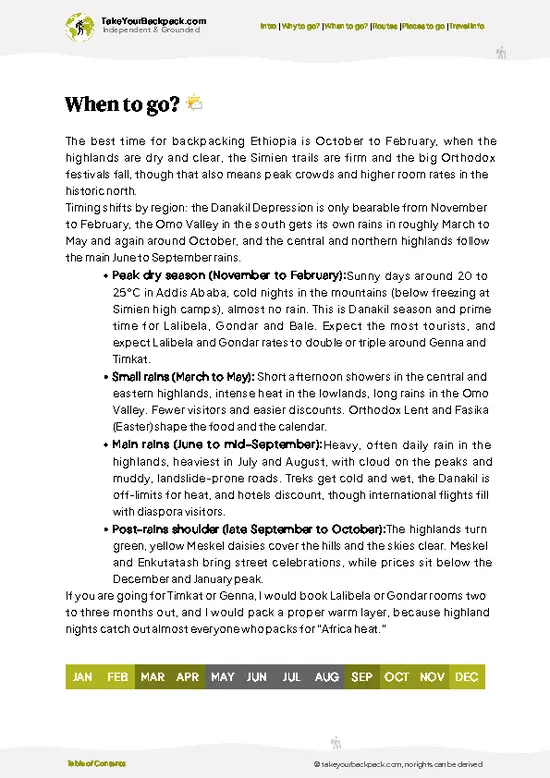
  • Weather: The dry season from October to March is your best bet. Expect clear skies and minimal rain, making trails and outdoor activities more accessible. The wet season (June to September) brings heavy rains that can turn paths into mud traps and disrupt plans.

  • Temperature: Daytime highs hover around 25-30°C (77-86°F) during the dry months, which is warm but manageable. Nights cool down to 15-20°C (59-68°F), so pack layers. The wet season is slightly cooler but more humid, which can sap your energy.

  • Daylight Hours: Daylight is fairly consistent year-round, roughly 12 hours daily. This steady rhythm lets you plan hikes and excursions without worrying about early sunsets cutting your day short.

  • Crowds: Tourist numbers peak in the dry season, especially December and January. You’ll
read more 👉

  • Weather: The dry season from October to March is your best bet. Expect clear skies and minimal rain, making trails and outdoor activities more accessible. The wet season (June to September) brings heavy rains that can turn paths into mud traps and disrupt plans.

  • Temperature: Daytime highs hover around 25-30°C (77-86°F) during the dry months, which is warm but manageable. Nights cool down to 15-20°C (59-68°F), so pack layers. The wet season is slightly cooler but more humid, which can sap your energy.

  • Daylight Hours: Daylight is fairly consistent year-round, roughly 12 hours daily. This steady rhythm lets you plan hikes and excursions without worrying about early sunsets cutting your day short.

  • Crowds: Tourist numbers peak in the dry season, especially December and January. You’ll find more fellow travelers and better service options but also higher prices and busier spots. The shoulder months (October, March) offer a quieter vibe with nearly the same weather perks.

  • Seasonal Activities: Dry months open up boat trips on Lake Chamo and Nechisar National Park safaris. Birdwatching peaks just after the rains, so late March and April can be rewarding if you don’t mind some residual wetness.

  • Price Fluctuations: Expect accommodation and tour prices to rise during peak dry months. Booking ahead can save you a premium. The wet season sees discounts but at the cost of comfort and accessibility.


Pro-tip: Aim for late October or early March to balance good weather, fewer crowds, and better prices—this sweet spot feels like you’ve cracked the code on Arba Minch timing.


source: climatestotravel.comJANJanuary: excellent for travelingFEBFebruary: excellent for travelingMARMarch: highly recommended for travelingAPRApril: good for travelingMAYMay: fair for travelingJUNJune: below average for travelingJULJuly: below average for travelingAUGAugust: below average for travelingSEPSeptember: fair for travelingOCTOctober: highly recommended for travelingNOVNovember: good for travelingDECDecember: excellent for traveling
when-to-go

✈️ The backpacker research shortcutEthiopia Travel Guide

An offline-friendly backpacking guide with optimized travel routes, ranked highlights, transport advice, and the best areas to stay.
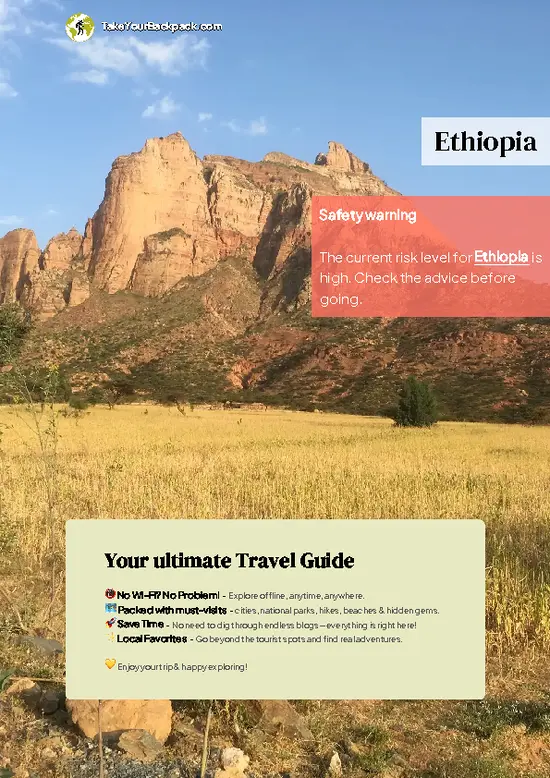
example page 0 from our offline Travel Guide for Ethiopia
example page 1 from our offline Travel Guide for Ethiopia
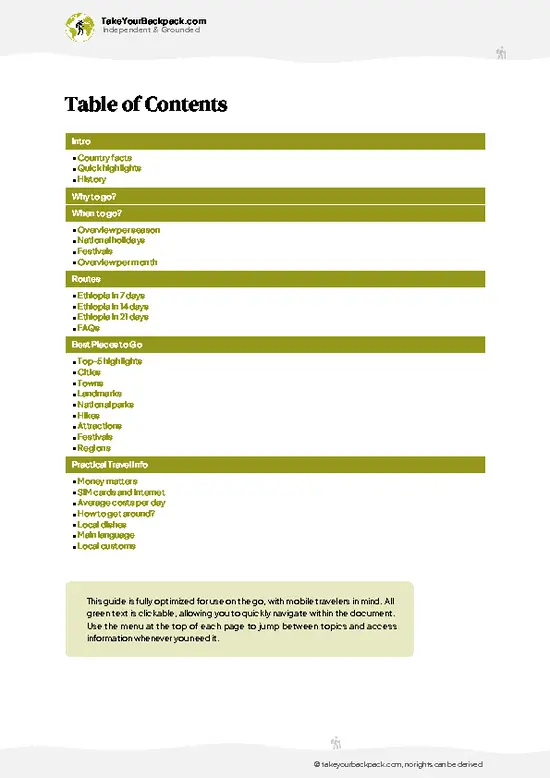
example page 2 from our offline Travel Guide for Ethiopia
example page 3 from our offline Travel Guide for Ethiopia
example page 4 from our offline Travel Guide for Ethiopia
example page 5 from our offline Travel Guide for Ethiopia
example page 6 from our offline Travel Guide for Ethiopia
example page 7 from our offline Travel Guide for Ethiopia
The digital guide (387 pages) contains:
100 highlights, ranked by travel appeal
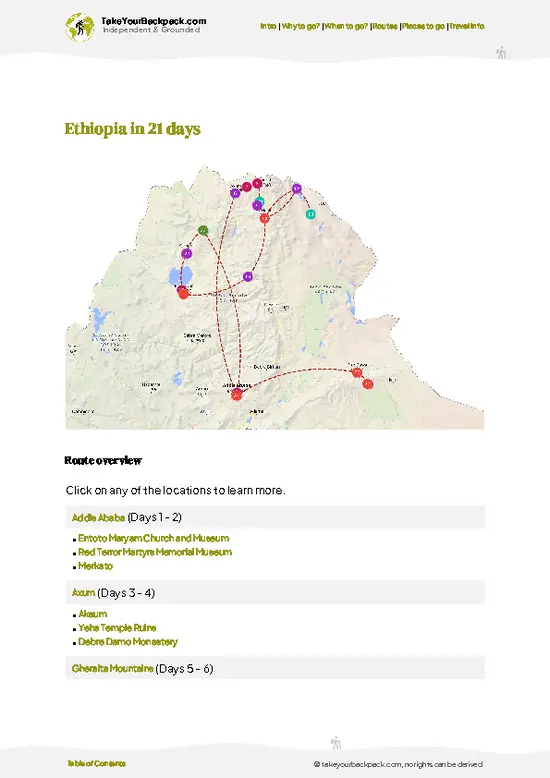
Optimized 7, 14 & 21-day travel routes
Cities, national parks, landmarks, beaches
How to get around
Offline-friendly for travel without Wi-Fi
👉 Click to see all 30+ guide features

📅 Plan smarter in minutes, not weeks
Month by month travel advice
Festivals & national holidays
Budget expectations

🗺️ Go to the right places, skip the overrated ones
Honest pros & cons of destinations
Top hikes, parks & viewpoints
Lesser-known places most travelers miss
Clear “worth it vs skip it” guidance

🛏️ Travel smoothly without rookie mistakes
Best areas to stay
Transport systems explained simply
Common scams & safety advice
SIM cards, money & practical tips

🌍 Understand the country, not just visit it
Culture & traditions
52 Essential phrases & customs
Festivals worth planning around
Traveler-friendly historical context
Insights that make places more meaningful

📱 Built for real travel conditions
Fully downloadable PDF
Works completely offline
Optimized for phone use
Useful in remote areas & buses
Everything in one place
Save weeks of stressful planning
Get instant access to your full guide. 30‑day money-back guarantee.
+ Add another guide for just US$7.80

By proceeding you agree to our terms.
Sent to your inbox immediately after payment • 100% Secure Checkout
Best Backpacking Travel Advisor 2025 tourism awardBest Backpacking
Travel Advisor
2025
What others say about Take Your Backpack Guides:
⭐⭐⭐⭐⭐
Fantastic, amazing amount of information!
⭐⭐⭐⭐⭐
My goodness this is amazing, it's what I've been looking for hats off too you!
⭐⭐⭐⭐⭐
I think this is absolutely BRILLIANT
⭐⭐⭐⭐
Very complete and informative. It's still missing places, but I gotta to commend you
⭐⭐⭐⭐⭐
This is truly amazing, thank you, can't wait to explore it with my kids!
⭐⭐⭐⭐⭐
Awesome resource, thank you!
⭐⭐⭐⭐⭐
This is amazing! Can't wait to explore the ones I haven't seen
⭐⭐⭐⭐
I love this! Well done, great idea.
⭐⭐⭐⭐⭐
Thanks for taking the time to make this gem!
⭐⭐⭐⭐⭐
This might be the best website I've ever seen.
⭐⭐⭐⭐⭐
Congratulations, and thank you so much for your work; it's incredibly valuable.
⭐⭐⭐⭐
In all seriousness I think you did a great job pointing out the important spots
⭐⭐⭐⭐⭐
10/10 very good
⭐⭐⭐⭐⭐
As someone who's only just starting to visit regularly this is awesome, thank you.
⭐⭐⭐⭐
Thank you very much! I'm going to visit my dad, it's going to be very useful!
⭐⭐⭐⭐⭐
This is really cool! We'll be travelling for the first time and this definitely come in handy.
⭐⭐⭐⭐⭐
You are now our minister of culture, congratulations 👨‍💼
⭐⭐⭐⭐⭐
Just wanted to tell you that this is a pearl! Going to follow your recommendations.
⭐⭐⭐⭐⭐
This is so cool. I'll definitely be using the resource for my travels soon.
⭐⭐⭐⭐⭐
This is very impressive! Good work.
⭐⭐⭐⭐⭐
This is an amazing and informative site. Very well done!

🛏️ Where to stay?Where staying makes the most sense

In Arba Minch, the sweet spot for backpackers is the area around the city center, especially near the main market and the bus station. This zone strikes a solid balance between safety and social energy. It’s where you’ll find the pulse of local life without the chaos that can come from being too close to the busiest roads or industrial spots. The streets here are walkable, and the vibe leans toward casual mingling—perfect for solo travelers looking to connect without feeling overwhelmed.

Hostel options cluster in this central neighborhood, offering budget-friendly beds and a chance to meet fellow … read more 👉
In Arba Minch, the sweet spot for backpackers is the area around the city center, especially near the main market and the bus station. This zone strikes a solid balance between safety and social energy. It’s where you’ll find the pulse of local life without the chaos that can come from being too close to the busiest roads or industrial spots. The streets here are walkable, and the vibe leans toward casual mingling—perfect for solo travelers looking to connect without feeling overwhelmed.

Hostel options cluster in this central neighborhood, offering budget-friendly beds and a chance to meet fellow backpackers. While not a backpacker mecca like some global hotspots, the hostels here are functional and social hubs, often run by locals who know the ins and outs of the area. Compared to the quieter, more residential outskirts, staying central means you’re never far from eateries, markets, and transport links that get you to the lakes or national parks.

Venturing too far out risks losing that social buzz and easy access to essentials. In Arba Minch, the city center is where comfort, convenience, and community intersect—making it the smartest base camp for your Ethiopian adventure.

🚌 Getting aroundTransportation options and practical tips

Arba Minch moves at its own rhythm—neither a frantic rush nor a slow drag. It’s a city where schedules exist but bend to local intuition. You’ll find that time here is elastic; buses and minibuses leave when full, not on the clock, and the pace of life invites you to lean into patience rather than fight it. This isn’t a place where you’ll catch a train by the minute, but it rewards those who read the flow of the streets and the crowd. Understanding this dynamic is your first win: you’re not just navigating transit, you’re syncing with the city’s pulse.


  • Walking: The most reliable and cost-free way to get around, especially within the city center. Arba Minch’s compact layout means many key spots are reachable on foot in 20-30 minutes. Walking lets you absorb the local vibe, but be ready
read more 👉
Arba Minch moves at its own rhythm—neither a frantic rush nor a slow drag. It’s a city where schedules exist but bend to local intuition. You’ll find that time here is elastic; buses and minibuses leave when full, not on the clock, and the pace of life invites you to lean into patience rather than fight it. This isn’t a place where you’ll catch a train by the minute, but it rewards those who read the flow of the streets and the crowd. Understanding this dynamic is your first win: you’re not just navigating transit, you’re syncing with the city’s pulse.


  • Walking: The most reliable and cost-free way to get around, especially within the city center. Arba Minch’s compact layout means many key spots are reachable on foot in 20-30 minutes. Walking lets you absorb the local vibe, but be ready for uneven sidewalks and occasional street vendors crowding your path.


  • Minibus (Local Shuttle): The backbone of budget transit here. These minibuses run from early morning (around 6:30 AM) until early evening (about 6 PM). Fares hover around 10-15 ETB, making them cheap but often crowded and hot. They don’t run on a strict timetable—departures happen once full—so expect some waiting. Speed varies with traffic and stops, but they cover most city routes efficiently.


  • Shared Taxis: Slightly pricier than minibuses (20-30 ETB), shared taxis offer a bit more comfort and flexibility. They operate on a similar fill-and-go system but tend to be faster since they make fewer stops. Available from dawn until late evening, these are your best bet if you want to save time without breaking the bank.


  • Bicycle Rentals: A growing option for the adventurous budget traveler. Rental prices range from 100 to 150 ETB per day. Biking cuts through traffic and lets you explore beyond the city center at your own pace. The terrain can be hilly, so be prepared for some sweat, but the payoff is freedom and speed unmatched by public transit.


  • Motorcycle Taxis (Bajaj): For short hops, these three-wheeled taxis are quick and nimble, costing around 15-25 ETB per ride. They’re great for squeezing through traffic jams but less comfortable and safe than other options. Use them when time is tight and the distance is short.


Mastering Arba Minch transit means balancing your priorities: save money by waiting for a minibus, or spend a bit more for speed and comfort with shared taxis or bajajs. Walking and biking offer control and immersion but demand physical effort. The city’s flow rewards those who read its signals—once you do, you’re not just getting from A to B; you’re winning the game.

👛 Costs (as of 3 September 2026)Money, prices, and spending tips

Backpacking in Arba Minch, Ethiopia, is a balancing act between stretching your budget and soaking in the local vibe without unnecessary splurges. Here’s the lowdown on what your daily expenses might look like:
  • Dorm Accommodation (High Season): Expect to pay around $8 to $12 per night. High season means more tourists, so prices tick up, but you’re still in basic, clean dorms without frills.
  • Dorm Accommodation (Off-Season): Drops to about $5 to $8. Fewer travelers mean better bargaining power and sometimes quieter, more relaxed stays.
  • Meals: Local eateries serve hearty meals for $2 to $4 each. Stick to traditional dishes like injera with wot for authentic flavor and wallet-friendly prices. Western-style or tourist-targeted meals can double that.
  • Local Transport: Minibus rides or bajaj (three-wheelers)
read more 👉
Backpacking in Arba Minch, Ethiopia, is a balancing act between stretching your budget and soaking in the local vibe without unnecessary splurges. Here’s the lowdown on what your daily expenses might look like:
  • Dorm Accommodation (High Season): Expect to pay around $8 to $12 per night. High season means more tourists, so prices tick up, but you’re still in basic, clean dorms without frills.
  • Dorm Accommodation (Off-Season): Drops to about $5 to $8. Fewer travelers mean better bargaining power and sometimes quieter, more relaxed stays.
  • Meals: Local eateries serve hearty meals for $2 to $4 each. Stick to traditional dishes like injera with wot for authentic flavor and wallet-friendly prices. Western-style or tourist-targeted meals can double that.
  • Local Transport: Minibus rides or bajaj (three-wheelers) cost roughly $0.20 to $0.50 per trip. They’re frequent and cheap but expect a bit of a squeeze and a lively atmosphere.
  • City Transport Pass: Not commonly used or necessary in Arba Minch; most travelers rely on minibuses or walking. Budget zero here unless you opt for private taxis, which can run $3 to $5 per ride.
  • Basic Activities/Entry Fees: Visiting spots like Nechisar National Park or the nearby lakes can cost $5 to $10 for entry. Guided tours or boat rides push this higher, but independent exploration keeps costs low.
  • Miscellaneous Expenses: Water, snacks, occasional tips, or small purchases add up to about $1 to $3 daily. Always good to have a buffer for unexpected needs.

All told, you’re looking at roughly $10 to $25 per day, depending on how much you lean into comfort versus scrappy local living. Arba Minch rewards those who embrace its pace and local options rather than chasing tourist comforts. Keep your expectations grounded, and you’ll find the city’s charm without blowing your budget.


source: ethiopia.travel
⚠️ Prices can change and everyone travels differently, so take this as a rough guide. Hope it helps you plan your adventure!

🚌 Day tripsWhere to go beyond the main area

Arba Minch is a fantastic launchpad for day trips that dive deep into Ethiopia’s rich landscapes and cultures. Each adventure offers a unique slice of life, making it easy to see why this city is a backpacker’s dream.

Lake Chamo Safari
Just a short 30-minute drive from Arba Minch, Lake Chamo is a wildlife haven. You can hop on a boat and glide across the water, spotting hippos and crocodiles sunbathing on the banks. The experience is exhilarating, especially when you see the birds swooping down for a catch. Budget around $15 for the boat ride and snacks. The best time to visit is during the dry season, when wildlife is more active. A common mistake? Underestimating the sun—bring sunscreen and a hat.


Dorze Village Experience
About 45 minutes from Arba Minch, the Dorze people are known … read more 👉
Arba Minch is a fantastic launchpad for day trips that dive deep into Ethiopia’s rich landscapes and cultures. Each adventure offers a unique slice of life, making it easy to see why this city is a backpacker’s dream.

Lake Chamo Safari
Just a short 30-minute drive from Arba Minch, Lake Chamo is a wildlife haven. You can hop on a boat and glide across the water, spotting hippos and crocodiles sunbathing on the banks. The experience is exhilarating, especially when you see the birds swooping down for a catch. Budget around $15 for the boat ride and snacks. The best time to visit is during the dry season, when wildlife is more active. A common mistake? Underestimating the sun—bring sunscreen and a hat.


Dorze Village Experience
About 45 minutes from Arba Minch, the Dorze people are known for their unique beehive-shaped huts and vibrant textiles. Spend the day learning how to weave and cook traditional dishes. It’s a hands-on experience that connects you to the local culture. Expect to spend around $10 for transport and a small fee for the village tour. The dry season is ideal for visiting, as the trails are easier to navigate. Don’t miss out on trying the local beer—just don’t overdo it!


Nechisar National Park
A 1-hour drive will land you in Nechisar National Park, where the landscapes shift dramatically from savannah to dense forests. Hiking here is a treat, with trails that lead to stunning viewpoints. You might even spot some rare wildlife. Budget about $20 for entrance and transport. The best time to hike is early morning to avoid the heat. First-timers often forget to pack enough water—don’t make that mistake!


Koka Waterfall
Roughly an hour away, Koka Waterfall is a hidden treasure. The sound of rushing water is music to your ears as you trek to the falls. It’s a perfect spot for a picnic, and the scenery is breathtaking. Expect to spend around $10 for transport. The rainy season can make the trails slippery, so plan your visit during the dry months. Many overlook the importance of sturdy shoes—bring them!
Want to know what more Ethiopia offers?
The Ethiopia Travel Guide describes 100 highlights, from cities to national parks, from beaches to hikes

Get the Travel Guide -

🍲 FoodLocal Cuisine & Drinks

In Arba Minch, food is a vibrant tapestry of flavors that tells the story of the land. Dive into injera, the spongy sourdough flatbread that serves as both plate and utensil. Pair it with doro wat, a spicy chicken stew that packs a punch, or shiro, a chickpea-based dish that’s rich and comforting. The communal style of eating encourages sharing, so don’t hesitate to dig in with your hands—it’s part of the experience.

Street food stalls are your best bet for authentic bites. The markets buzz with energy, offering everything from grilled kebabs to fresh samosas. Grab a cup of buna (Ethiopian coffee) from a local café, where the aroma wafts through the air, inviting you to join the ritual of coffee preparation.

Etiquette here is relaxed but respectful. When offered food, it’s polite to accept, … read more 👉
In Arba Minch, food is a vibrant tapestry of flavors that tells the story of the land. Dive into injera, the spongy sourdough flatbread that serves as both plate and utensil. Pair it with doro wat, a spicy chicken stew that packs a punch, or shiro, a chickpea-based dish that’s rich and comforting. The communal style of eating encourages sharing, so don’t hesitate to dig in with your hands—it’s part of the experience.

Street food stalls are your best bet for authentic bites. The markets buzz with energy, offering everything from grilled kebabs to fresh samosas. Grab a cup of buna (Ethiopian coffee) from a local café, where the aroma wafts through the air, inviting you to join the ritual of coffee preparation.

Etiquette here is relaxed but respectful. When offered food, it’s polite to accept, and sharing is a sign of friendship. Don’t rush; meals are a social affair, meant to be savored. Embrace the flavors and the company, and you’ll find that every bite is a connection to the heart of Arba Minch.

🛡️ SafetySafety Tips and Common Scams in Arba Minch

Arba Minch is generally safe for travelers, but a few smart practices can enhance your experience. Stay aware in crowded markets, especially around the bus station. Pickpockets can be a nuisance, so keep your valuables close and avoid flashy displays of wealth.

If you’re solo, consider your surroundings at night. Stick to well-lit areas and avoid wandering too far from your accommodation after dark. Most locals are friendly, but it’s wise to trust your instincts.

Scams are rare, but be cautious with unofficial taxi services. Always negotiate fares beforehand or use a trusted app if available. Everyday annoyances might include persistent vendors or children asking for money. A polite ”no, thank you” usually suffices.

Overall, carry yourself with confidence and curiosity, and you’ll navigate Arba Minch like a pro.

FAQCommon questions from travelers

3 to 4 days are sufficient to explore Arba Minch and its main attractions. This allows time to visit Nechisar National Park, the two lakes (Abaya and Chamo), and the Dorze village. Additional days may be needed if planning to trek or explore more remote areas.
Yes, Arba Minch is generally safe for solo backpackers, especially during daylight hours. Standard precautions such as avoiding isolated areas at night and securing belongings are advised. Local people are friendly and helpful to tourists.
Arba Minch is known for its stunning natural scenery, including the twin lakes Abaya and Chamo, and Nechisar National Park. It is also famous for the Dorze people and their traditional bamboo houses. The area is a gateway for wildlife viewing and birdwatching.
⚠️ Things can change over time, so always validate details locally before you go.

Other Ethiopian cities near Arba Minch

Explore more nearby:

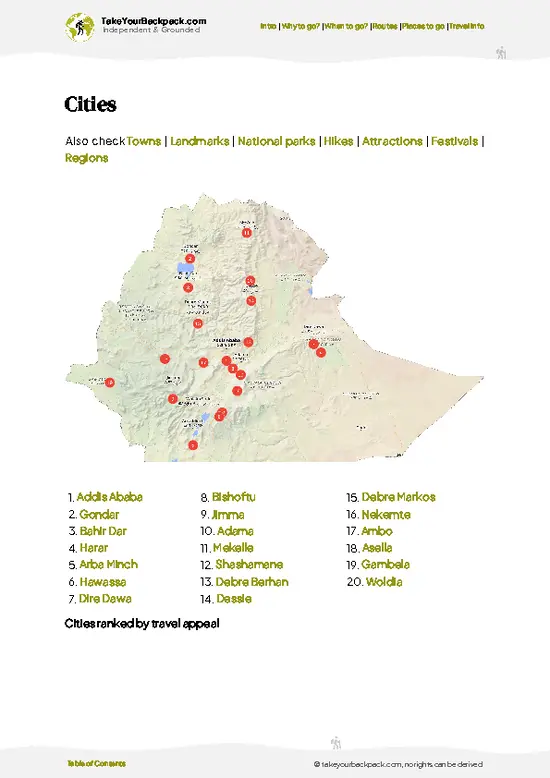
  • Awassa—Lake Awassa, fish market, lakeside parks| 153 km away
  • Shashamane—Rastafarian community, multicultural markets, Rift Valley location| 173 km away
  • Jimma—Coffee farms, palace ruins, forested hills| 199 km away

💡 Not sure where to go next?
Create a personalized itinerary for Ethiopia including Arba Minch and the places that fit your trip.

Generate my itinerary

👉 Discover all cities

Or checkout all Ethiopia has to offer (think cities, towns, villages, national parks, hikes, beaches, festivals)
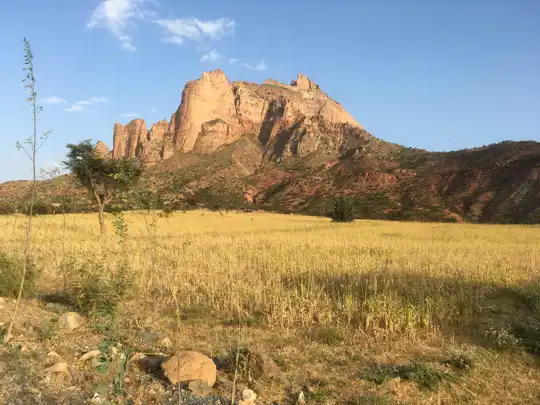
Country photo of Ethiopia

We 💚 feedbackParting advice and final tips

Arba Minch is a treasure for those who crave authentic Ethiopian culture and stunning landscapes. The view of the Great Rift Valley is a jaw-dropper, especially at sunrise. But be ready for some logistical hiccups; transport can be unpredictable, and amenities might not always meet Western standards. Embrace the adventure, and you’ll find that the quirks only add to the charm of this vibrant city.

✈️ When did I visit Ethiopia?
Ethiopia I visited back in October 2017. I combined the trip with a visit to Sudan. Ethiopia was a pure suprise with the magical scenery like the Danikal Depression and the Simien Mountains.

✍️ Help improve this page!
The information on this page is based on my own backpacking experience in Ethiopia, supplemented with up-to-date research and feedback from other travelers. Travel details can change, so if you notice anything outdated or incomplete, feel free to let me know.


🙋‍♂️ Give feedback

👋 Meet the founderWho’s Behind Take Your Backpack?

Johan, backpacker and founder of TakeYourBackpackHi, I’m Johan (Netherlands 🇳🇱), the creator of TakeYourBackpack. Over the past decade, I’ve backpacked through 80+ countries across six continents, gaining extensive experience with independent travel, long-term trips, and overland routes.

This site is built on a combination of firsthand travel experience and carefully curated insights from other backpackers. Many guides are based on places I’ve personally visited, while others bring together tips, observations, and practical advice shared by trusted travelers I’ve met along the way.

The goal is to provide realistic, experience-driven guidance — not generic itineraries — so you can explore destinations with better context, clearer expectations, and more confidence.

Get full Ethiopia guide •
Instant download • 100 highlights • Full Offline guide