×

Ethiopia🇪🇹 | festivalsKulubi Gabrielpilgrimage site, St. Gabriel church, healing prayers | things to do and best time to go

Explore Fichee-ChambalaallaExplore Sigd

Backpacking in Kulubi Gabriel
👀 For curious travelersfestival ranked #11
By Johan Kruseman 🇳🇱 | Updated June 12, 2026

Here’s what most travelers miss: Kulubi Gabriel isn’t just a festival—it’s a marathon of devotion, and if you don’t pace yourself, you’ll burn out before the real magic happens. Kulubi Gabriel sits in eastern Ethiopia, a few hours’ drive from Dire Dawa, and every December, the town swells with tens of thousands of Orthodox pilgrims. This isn’t a music festival; the soundtrack is chanting, ululation, and the rhythmic thud of walking sticks. The crowd is mostly Ethiopian, wrapped in white shawls, radiating purpose. The energy is raw, communal, and relentless—think spiritual pilgrimage meets endurance trek. It’s worth it if you crave immersion, not spectacle. I’ve never felt more like a respectful outsider, and that’s exactly the point.

Discover everything you want to know in the 📖 Ethiopia Travel Guide.
Safety warning

The current risk level for Ethiopia is high. Check the advice before going.


Get your Ethiopia guide
101 ranked highlights, routes & tips, works offline (395 pages)
Loading the map 🌍
CLICK TO FILTER
cities
towns
landmarks
national parks
hikes
attractions
festivals
regions
SHOW COUNTRY’S BESTSHOW ALL

✨ Why go?
Ranked #11 festival in Ethiopia
Why Kulubi Gabriel should be on your travel list

Backpackers flock to Kulubi Gabriel for a reason: it’s a cultural explosion that transforms the landscape into a vibrant tapestry of music, dance, and community. This festival isn’t just a spectacle; it’s a chance to dive deep into Ethiopian traditions and connect with locals in a way that’s hard to replicate elsewhere. The social energy is palpable, creating a temporary community that feels electric.

Plus, it’s surprisingly affordable compared to similar events worldwide, allowing you to stretch your budget for other adventures. Planning your route around this festival means you’re not just passing through; you’re immersing yourself in the heart of Ethiopian culture. It’s a perfect pit stop that enriches your journey, making every moment feel like a rewarding challenge rather than just a destination.
Want to include Kulubi Gabriel in your Ethiopia route?
Create a personalized Ethiopia itinerary that includes Kulubi Gabriel and the places that fit your trip — based on your travel style, budget, and available time. Get your route in seconds.

Generate my trip

💡 HighlightsWhat this place is best known for

  1. Pilgrimage and processions — Tens of thousands walk to Kulubi, many coming on foot from far-off villages; seeing lines of pilgrims winding up the hill and joining together in procession is a humbling, kinetic experience you won’t forget.
  2. Ancient liturgical music and chanting — The Ge’ez chants, call-and-response singing, and traditional instruments (think kebero drums and the lone masenqo fiddle) create a dense, almost trance-like soundscape that feels genuinely ancient and alive.
  3. Ceremonial crosses and priestly regalia — Priests and deacons display ornate hand-made processional crosses and richly embroidered robes; the visual pageantry — metalwork, color, movement — is as meaningful as it is beautiful.
  4. Markets, food stalls and coffee ceremonies — Around the festival the air is full of
read more 👉
  1. Pilgrimage and processions — Tens of thousands walk to Kulubi, many coming on foot from far-off villages; seeing lines of pilgrims winding up the hill and joining together in procession is a humbling, kinetic experience you won’t forget.
  2. Ancient liturgical music and chanting — The Ge’ez chants, call-and-response singing, and traditional instruments (think kebero drums and the lone masenqo fiddle) create a dense, almost trance-like soundscape that feels genuinely ancient and alive.
  3. Ceremonial crosses and priestly regalia — Priests and deacons display ornate hand-made processional crosses and richly embroidered robes; the visual pageantry — metalwork, color, movement — is as meaningful as it is beautiful.
  4. Markets, food stalls and coffee ceremonies — Around the festival the air is full of burning wood and spice: injera, stews, tibs, honey wine (tej) and on-the-spot coffee ceremonies offer a crash course in local flavors and social life between services.
  5. Night vigils, camping and the sunrise mass — Pilgrims camp on the slopes, keep vigil with fires and communal singing, then attend a dawn mass that feels intense and intimate even amid the crowds; this is my personal favorite for its raw, shared devotion and the quiet after the night’s energy.
Spotted a mistake or missing something? Contact us.

Things to do near Kulubi Gabriel

Ratings based on Tripadvisor reviews. When you book through this link, you support our work at no extra cost to you.

🌤️ When to go?When is the celebration of Kulubi Gabriel?


  • Topic: Weather – The festival falls in early October, right after Ethiopia’s rainy season. Expect dry, crisp air with daytime highs around 22°C (72°F) and cooler nights dropping to 10°C (50°F). This means fewer mud slog days and more energy for trekking and exploring.

  • Topic: Temperature – Daytime temperatures hover comfortably in the low 20s Celsius (70s Fahrenheit), perfect for long hours outdoors without overheating or freezing. Nights can be chilly, so pack layers to stay sharp and warm.

  • Topic: Daylight Hours – October offers roughly 12 hours of daylight, giving you ample time to soak in the festival’s rituals and surrounding landscapes without rushing.

  • Topic: Crowds – The festival draws local pilgrims in full force, but international backpacker numbers remain low. This balance
read more 👉

  • Topic: Weather – The festival falls in early October, right after Ethiopia’s rainy season. Expect dry, crisp air with daytime highs around 22°C (72°F) and cooler nights dropping to 10°C (50°F). This means fewer mud slog days and more energy for trekking and exploring.

  • Topic: Temperature – Daytime temperatures hover comfortably in the low 20s Celsius (70s Fahrenheit), perfect for long hours outdoors without overheating or freezing. Nights can be chilly, so pack layers to stay sharp and warm.

  • Topic: Daylight Hours – October offers roughly 12 hours of daylight, giving you ample time to soak in the festival’s rituals and surrounding landscapes without rushing.

  • Topic: Crowds – The festival draws local pilgrims in full force, but international backpacker numbers remain low. This balance means authentic cultural immersion without the claustrophobia of tourist mobs.

  • Topic: Seasonal Activities – Post-rain season trails are lush and accessible, ideal for combining the festival with hikes or village visits. The land’s freshness adds a sensory layer to your experience.

  • Topic: Price Fluctuations – Accommodation and transport costs stay moderate since the festival isn’t a global hotspot. Booking early can lock in the best deals before local demand spikes.


Pro-tip: Arrive a day early to acclimate and catch the quieter moments before the festival’s crescendo—your energy reserves will thank you.


source: climatestotravel.comJANJanuary: not recommended for travelingFEBFebruary: not recommended for travelingMARMarch: not recommended for travelingAPRApril: not recommended for travelingMAYMay: not recommended for travelingJUNJune: not recommended for travelingJULJuly: not recommended for travelingAUGAugust: not recommended for travelingSEPSeptember: not recommended for travelingOCTOctober: excellent for travelingNOVNovember: not recommended for travelingDECDecember: not recommended for traveling

✈️ The backpacker research shortcutEthiopia Travel Guide

An offline-friendly backpacking guide with optimized travel routes, ranked highlights, transport advice, and the best areas to stay.
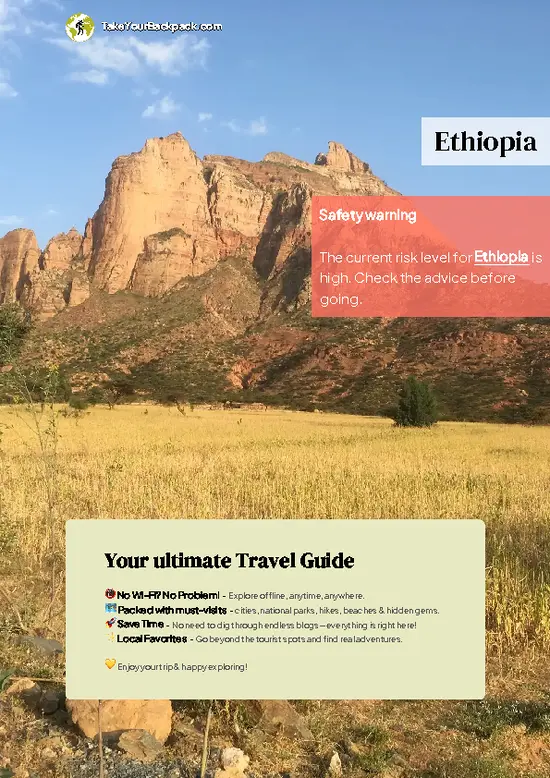
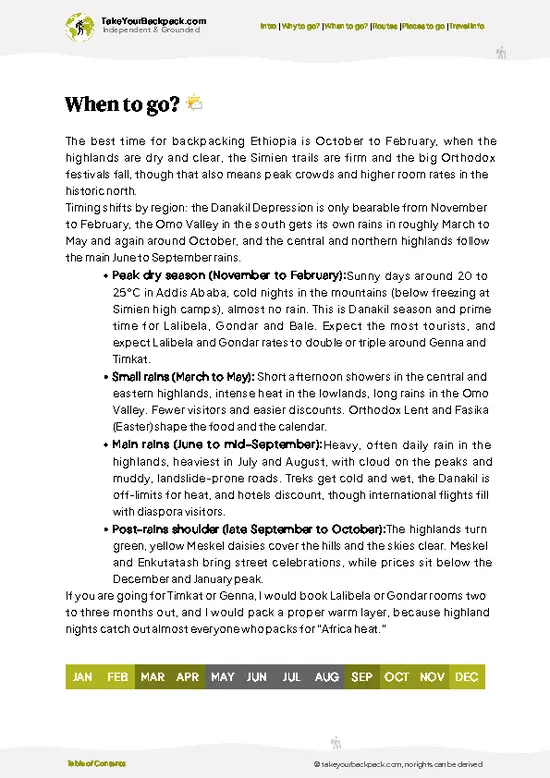
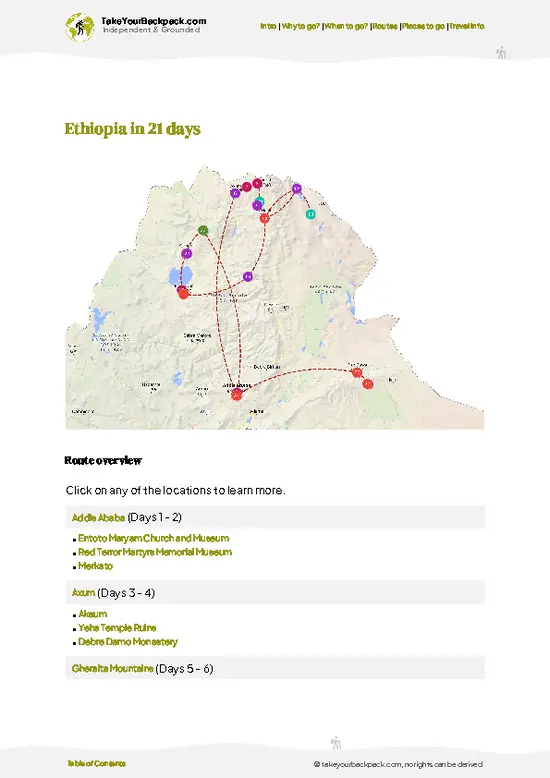
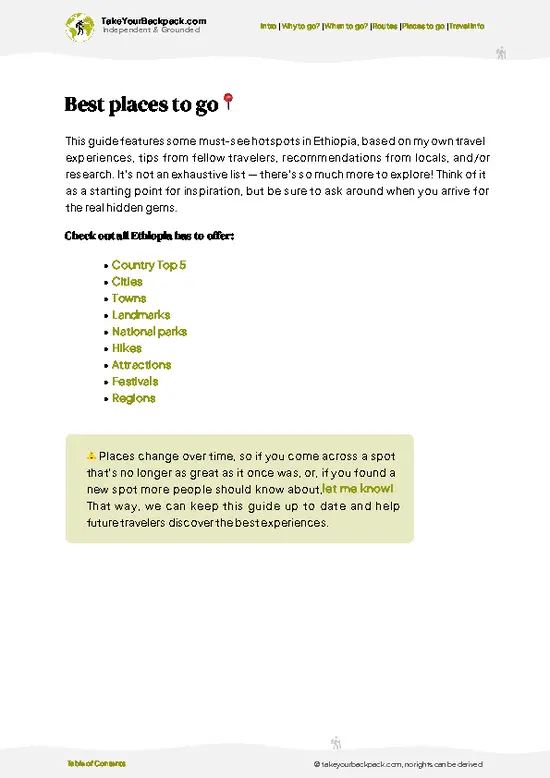
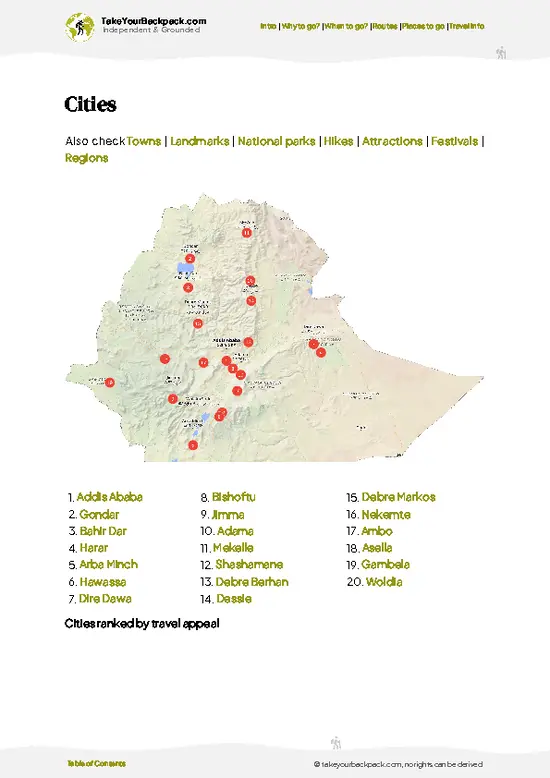
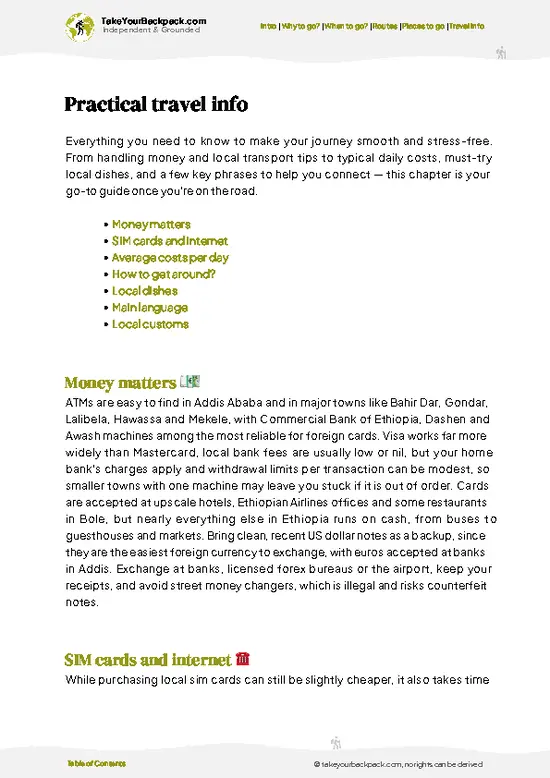
example page 0 from our offline Travel Guide for Ethiopia
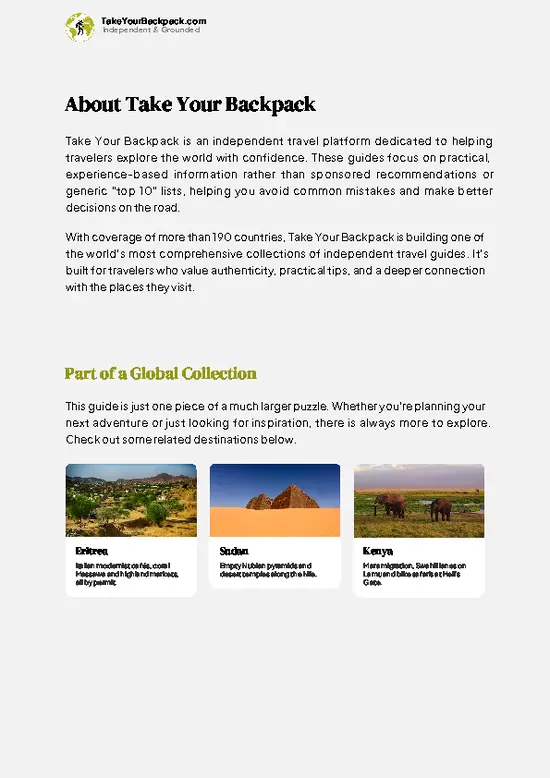
example page 1 from our offline Travel Guide for Ethiopia
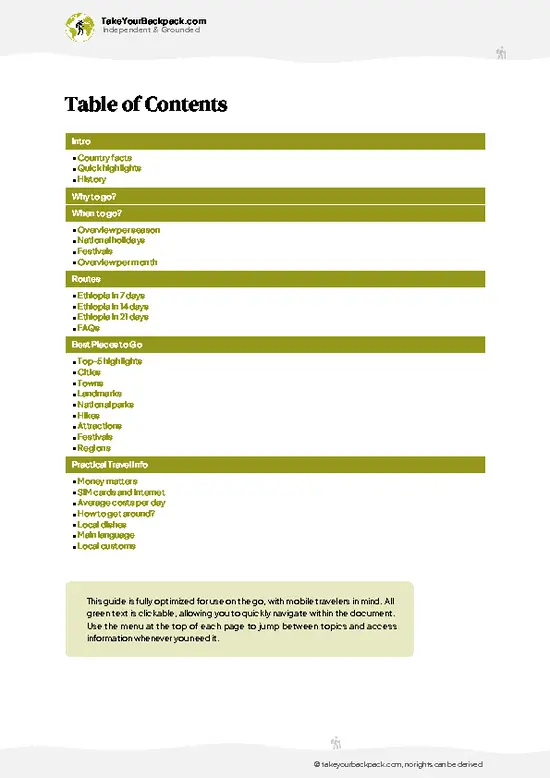
example page 2 from our offline Travel Guide for Ethiopia
example page 3 from our offline Travel Guide for Ethiopia
example page 4 from our offline Travel Guide for Ethiopia
example page 5 from our offline Travel Guide for Ethiopia
example page 6 from our offline Travel Guide for Ethiopia
example page 7 from our offline Travel Guide for Ethiopia
The digital guide (395 pages) contains:
101 highlights, ranked by travel appeal
Optimized 7, 14 & 21-day travel routes
Cities, national parks, landmarks, beaches
How to get around
Offline-friendly for travel without Wi-Fi
👉 Click to see all 30+ guide features

📅 Plan smarter in minutes, not weeks
Month by month travel advice
Festivals & national holidays
Budget expectations

🗺️ Go to the right places, skip the overrated ones
Honest pros & cons of destinations
Top hikes, parks & viewpoints
Lesser-known places most travelers miss
Clear “worth it vs skip it” guidance

🛏️ Travel smoothly without rookie mistakes
Best areas to stay
Transport systems explained simply
Common scams & safety advice
SIM cards, money & practical tips

🌍 Understand the country, not just visit it
Culture & traditions
52 Essential phrases & customs
Festivals worth planning around
Traveler-friendly historical context
Insights that make places more meaningful

📱 Built for real travel conditions
Fully downloadable PDF
Works completely offline
Optimized for phone use
Useful in remote areas & buses
Everything in one place
Save weeks of stressful planning
Get instant access to your full guide. 30‑day money-back guarantee.


By proceeding you agree to our terms.
Sent to your inbox immediately after payment • 100% Secure Checkout
Best Backpacking Travel Advisor 2025 tourism awardBest Backpacking
Travel Advisor
2025
What others say about Take Your Backpack Guides:
⭐⭐⭐⭐⭐
Fantastic, amazing amount of information!
⭐⭐⭐⭐⭐
My goodness this is amazing, it's what I've been looking for hats off too you!
⭐⭐⭐⭐⭐
I think this is absolutely BRILLIANT
⭐⭐⭐⭐
Very complete and informative. It's still missing places, but I gotta to commend you
⭐⭐⭐⭐⭐
This is truly amazing, thank you, can't wait to explore it with my kids!
⭐⭐⭐⭐⭐
Awesome resource, thank you!
⭐⭐⭐⭐⭐
This is amazing! Can't wait to explore the ones I haven't seen
⭐⭐⭐⭐
I love this! Well done, great idea.
⭐⭐⭐⭐⭐
Thanks for taking the time to make this gem!
⭐⭐⭐⭐⭐
This might be the best website I've ever seen.
⭐⭐⭐⭐⭐
Congratulations, and thank you so much for your work; it's incredibly valuable.
⭐⭐⭐⭐
In all seriousness I think you did a great job pointing out the important spots
⭐⭐⭐⭐⭐
10/10 very good
⭐⭐⭐⭐⭐
As someone who's only just starting to visit regularly this is awesome, thank you.
⭐⭐⭐⭐
Thank you very much! I'm going to visit my dad, it's going to be very useful!
⭐⭐⭐⭐⭐
This is really cool! We'll be travelling for the first time and this definitely come in handy.
⭐⭐⭐⭐⭐
You are now our minister of culture, congratulations 👨‍💼
⭐⭐⭐⭐⭐
Just wanted to tell you that this is a pearl! Going to follow your recommendations.
⭐⭐⭐⭐⭐
This is so cool. I'll definitely be using the resource for my travels soon.
⭐⭐⭐⭐⭐
This is very impressive! Good work.
⭐⭐⭐⭐⭐
This is an amazing and informative site. Very well done!

🛏️ Where to stay?Best areas and accommodation options

When you’re gearing up for the Kulubi Gabriel festival, the right base can make all the difference. Head to Harar, a vibrant city buzzing with energy. It’s safe, with a mix of locals and travelers, making it perfect for striking up conversations. The winding streets are alive with color, and you’ll find plenty of budget-friendly guesthouses that welcome backpackers.

Consider Dire Dawa as another option. It’s a short ride from the festival site and offers a laid-back vibe. Here, you can mingle with fellow travelers in cozy cafes or local markets.

Both areas have a strong sense of community, … read more 👉
When you’re gearing up for the Kulubi Gabriel festival, the right base can make all the difference. Head to Harar, a vibrant city buzzing with energy. It’s safe, with a mix of locals and travelers, making it perfect for striking up conversations. The winding streets are alive with color, and you’ll find plenty of budget-friendly guesthouses that welcome backpackers.

Consider Dire Dawa as another option. It’s a short ride from the festival site and offers a laid-back vibe. Here, you can mingle with fellow travelers in cozy cafes or local markets.

Both areas have a strong sense of community, so you’ll feel connected while enjoying the festival’s spirit. Just remember, book ahead during peak times; the last thing you want is to miss out on the action because you’re scrambling for a place to crash. Prioritize social spots to recharge and share stories with fellow adventurers.

👛 Costs (as of 16 June 2026)How expensive it really is

The Kulubi Gabriel festival in Ethiopia is a vibrant celebration that draws many travelers, but navigating the costs can be tricky. Here’s a breakdown to keep your budget in check while you soak in the experience.
  • Festival Tickets: Expect to pay around €5 to €15 ($6 to $18) for entry. Prices can vary based on seating and access to special areas. Buy in advance if possible to avoid last-minute price hikes.
  • Accommodation: Options range from budget guesthouses at €10 to €30 ($12 to $36) per night to mid-range hotels at €40 to €80 ($48 to $96). Book early, as places fill up quickly during the festival.
  • Local Transport: Public transport is affordable. Budget around €1 to €3 ($1.20 to $3.60) for local buses or shared taxis. If you prefer more comfort, private taxis can cost €10 to €20 ($12 to $24)
read more 👉
The Kulubi Gabriel festival in Ethiopia is a vibrant celebration that draws many travelers, but navigating the costs can be tricky. Here’s a breakdown to keep your budget in check while you soak in the experience.
  • Festival Tickets: Expect to pay around €5 to €15 ($6 to $18) for entry. Prices can vary based on seating and access to special areas. Buy in advance if possible to avoid last-minute price hikes.
  • Accommodation: Options range from budget guesthouses at €10 to €30 ($12 to $36) per night to mid-range hotels at €40 to €80 ($48 to $96). Book early, as places fill up quickly during the festival.
  • Local Transport: Public transport is affordable. Budget around €1 to €3 ($1.20 to $3.60) for local buses or shared taxis. If you prefer more comfort, private taxis can cost €10 to €20 ($12 to $24) for short distances.
  • Food & Drinks: Street food is your best friend here. Meals can cost as little as €2 to €5 ($2.40 to $6) at local stalls. Restaurants will set you back €5 to €15 ($6 to $18) for a full meal. Don’t forget to budget for drinks; local beer is around €1 to €2 ($1.20 to $2.40).
  • Miscellaneous Expenses: Set aside €10 to €30 ($12 to $36) for souvenirs, tips, or unexpected costs. This cushion will help you enjoy spontaneous moments without stress.

Keep these figures in mind to preserve your energy and budget for the moments that truly matter at the festival.


source: ethiopia.travel
⚠️ Prices can change and everyone travels differently, so take this as a rough guide. Hope it helps you plan your adventure!

🍲 FoodLocal Flavors for Backpackers

At the Kulubi Gabriel festival, food and drink pulse with the spirit of Ethiopia. Dive into injera, the spongy flatbread that’s a staple, served with a colorful array of wot—spicy stews that dance on your palate. Don’t miss the kitfo, raw minced beef seasoned with spices, a must-try for the adventurous eater.

Stalls buzz with energy, offering tibs—sizzling meat dishes that fill the air with mouthwatering aromas. For a refreshing twist, grab a cup of tej, the local honey wine, or buna, traditional coffee brewed right before your eyes.

Etiquette is key here. Expect to share dishes; it’s a sign of camaraderie. Lines can get long, so be patient and soak in the atmosphere. Bring cash; card acceptance is spotty. Serving sizes are generous, so pace yourself—there’s plenty to savor. Embrace the flavors, and let the festival fuel your journey!

Other Ethiopian festivals near Kulubi Gabriel

Explore more nearby:

  • Ashenda—Tigrayan girls’ festival, colorful dresses, group singing| 323 km away
  • Timkat—Epiphany processions, tabot parades, mass river baptisms| 327 km away
  • Meskel—bonfire ceremony, cross discovery, Demera procession| 327 km away

💡 Not sure where to go next?
Create a personalized itinerary for Ethiopia including Kulubi Gabriel and the places that fit your trip.

Generate my itinerary

👉 Discover all festivals

Or checkout all Ethiopia has to offer (think cities, towns, villages, national parks, hikes, beaches, festivals)
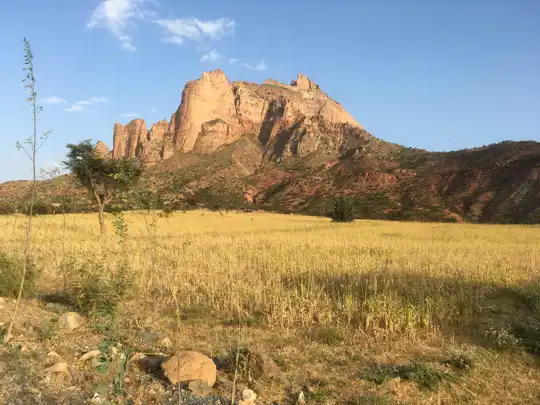
Country photo of Ethiopia

We 💚 feedbackFinal thoughts on celebrating the Kulubi Gabriel

Kulubi Gabriel is a pulse of culture and devotion, where the air vibrates with chants and the scent of incense wraps around you like a warm hug. But brace yourself for the crowds; they can be overwhelming. Embrace the chaos, though—it’s part of the experience. Just keep your energy for the moments that truly resonate.

✈️ When did I visit Ethiopia?
Ethiopia I visited back in October 2017. I combined the trip with a visit to Sudan. Ethiopia was a pure suprise with the magical scenery like the Danikal Depression and the Simien Mountains.

✍️ Help improve this page!
The information on this page is based on my own backpacking experience in Ethiopia, supplemented with up-to-date research and feedback from other travelers. Travel details can change, so if you notice anything outdated or incomplete, feel free to let me know.


🙋‍♂️ Give feedback

👋 Meet the founderWho’s Behind Take Your Backpack?

Johan, backpacker and founder of TakeYourBackpackHi, I’m Johan (Netherlands 🇳🇱), the creator of TakeYourBackpack. Over the past decade, I’ve backpacked through 80+ countries across six continents, gaining extensive experience with independent travel, long-term trips, and overland routes.

This site is built on a combination of firsthand travel experience and carefully curated insights from other backpackers. Many guides are based on places I’ve personally visited, while others bring together tips, observations, and practical advice shared by trusted travelers I’ve met along the way.

The goal is to provide realistic, experience-driven guidance — not generic itineraries — so you can explore destinations with better context, clearer expectations, and more confidence.

Get full Ethiopia guide •
Instant download • 101 highlights • Full Offline guide