v2.webp)
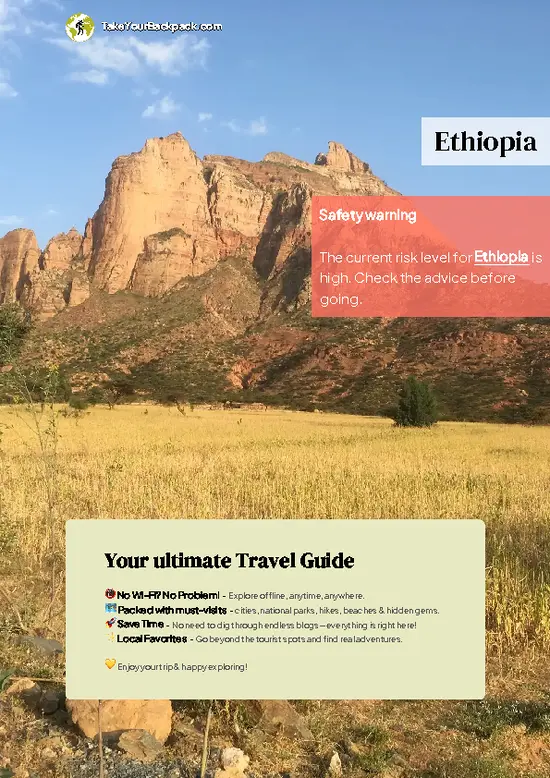
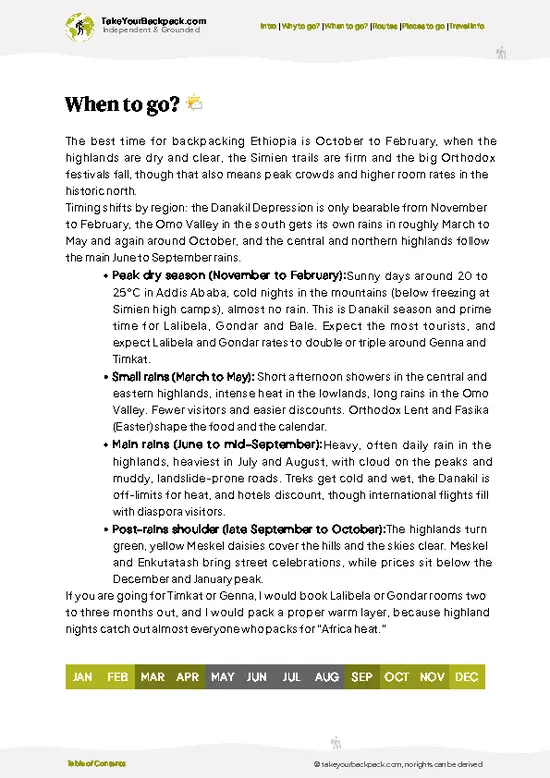
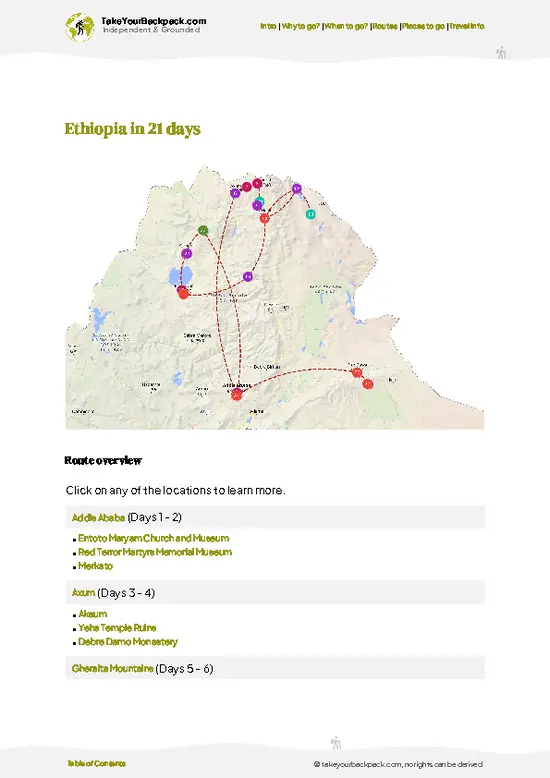
- The Hilltop Pilgrimage: The festival is best known for the slow climb of the faithful to a high point, carrying prayer books and wearing white. The walk is part procession, part reunion, and the view back across the highlands is the reason to join it.
- Reading of the Orit: Priests, called kessoch, read from the Torah scrolls and the book of Nehemiah under ceremonial umbrellas. Even without understanding Ge’ez, the cadence carries.
- The Fast and Its Breaking: Participants fast through the morning, then break it together in the afternoon. Sharing bread, spiced stew and coffee with a stranger is the easiest way into the day.
- Drums, Chanting and Dance: Kebero drums, sistrums and call-and-response hymns drive the crowd into rhythm. Stand near the elders for the clearest sound.
- Community Gatherings in
- The Hilltop Pilgrimage: The festival is best known for the slow climb of the faithful to a high point, carrying prayer books and wearing white. The walk is part procession, part reunion, and the view back across the highlands is the reason to join it.
- Reading of the Orit: Priests, called kessoch, read from the Torah scrolls and the book of Nehemiah under ceremonial umbrellas. Even without understanding Ge’ez, the cadence carries.
- The Fast and Its Breaking: Participants fast through the morning, then break it together in the afternoon. Sharing bread, spiced stew and coffee with a stranger is the easiest way into the day.
- Drums, Chanting and Dance: Kebero drums, sistrums and call-and-response hymns drive the crowd into rhythm. Stand near the elders for the clearest sound.
- Community Gatherings in Gondar: Families and neighbors meet in the town before and after, and the streets fill with white shawls, music and open doorways. It is the friendliest, least formal side of the festival.
Spotted a mistake or missing something? Contact us.
 Best Backpacking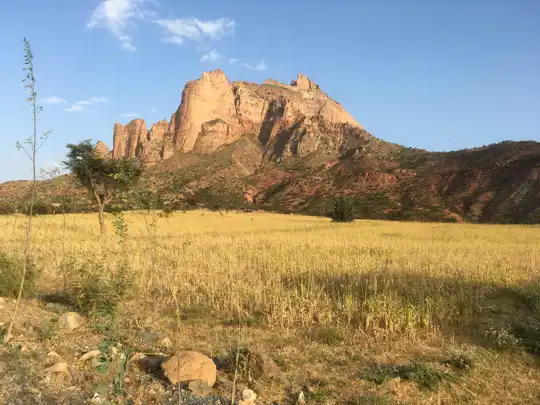
.jpg) Hi, I’m Johan (Netherlands 🇳🇱), the creator of TakeYourBackpack. Over the past 3 decades, I’ve backpacked through 90+ countries across six continents, gaining extensive experience with independent travel, long-term trips, and overland routes.
Hi, I’m Johan (Netherlands 🇳🇱), the creator of TakeYourBackpack. Over the past 3 decades, I’ve backpacked through 90+ countries across six continents, gaining extensive experience with independent travel, long-term trips, and overland routes.