v2.webp)
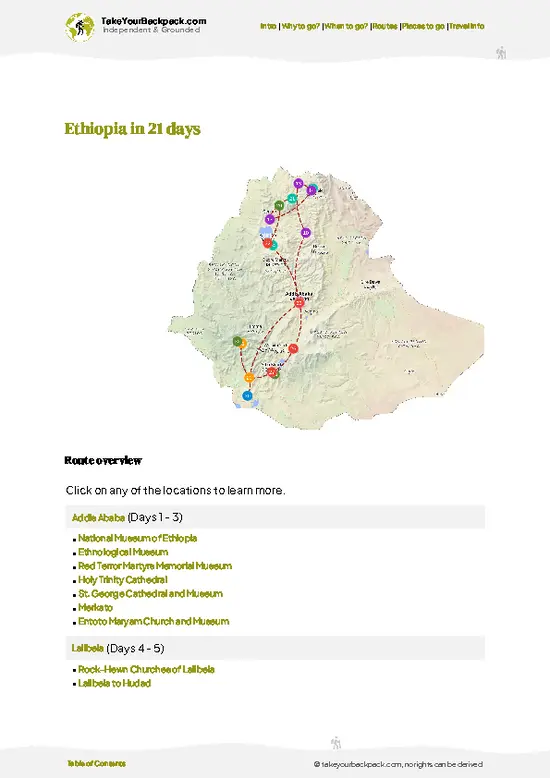
The Open-Air Archaeological Site
Forget the glass cases and velvet ropes. At Melka Kunture, you’re walking the same river terraces where early humans chipped tools and butchered animals a million years ago. This isn’t a sanitized museum—this is the real dig site, with layers of volcanic ash and stone tools right under your boots. You’ll see the actual excavation pits, not just replicas. The sense of scale and rawness is impossible to fake. If you want to feel the pulse of prehistory, this is where it happens.
The Stone Tool Workshops
Here’s where Melka Kunture punches above its weight. The site is a masterclass in Paleolithic technology. You’ll see thousands of hand axes, cleavers, and scrapers—some so sharp you’ll instinctively check your fingers. The guides (usually local experts, not bored … read more 👉
Forget the glass cases and velvet ropes. At Melka Kunture, you’re walking the same river terraces where early humans chipped tools and butchered animals a million years ago. This isn’t a sanitized museum—this is the real dig site, with layers of volcanic ash and stone tools right under your boots. You’ll see the actual excavation pits, not just replicas. The sense of scale and rawness is impossible to fake. If you want to feel the pulse of prehistory, this is where it happens.
The Stone Tool Workshops
Here’s where Melka Kunture punches above its weight. The site is a masterclass in Paleolithic technology. You’ll see thousands of hand axes, cleavers, and scrapers—some so sharp you’ll instinctively check your fingers. The guides (usually local experts, not bored … read more 👉
The Open-Air Archaeological Site
Forget the glass cases and velvet ropes. At Melka Kunture, you’re walking the same river terraces where early humans chipped tools and butchered animals a million years ago. This isn’t a sanitized museum—this is the real dig site, with layers of volcanic ash and stone tools right under your boots. You’ll see the actual excavation pits, not just replicas. The sense of scale and rawness is impossible to fake. If you want to feel the pulse of prehistory, this is where it happens.
The Stone Tool Workshops
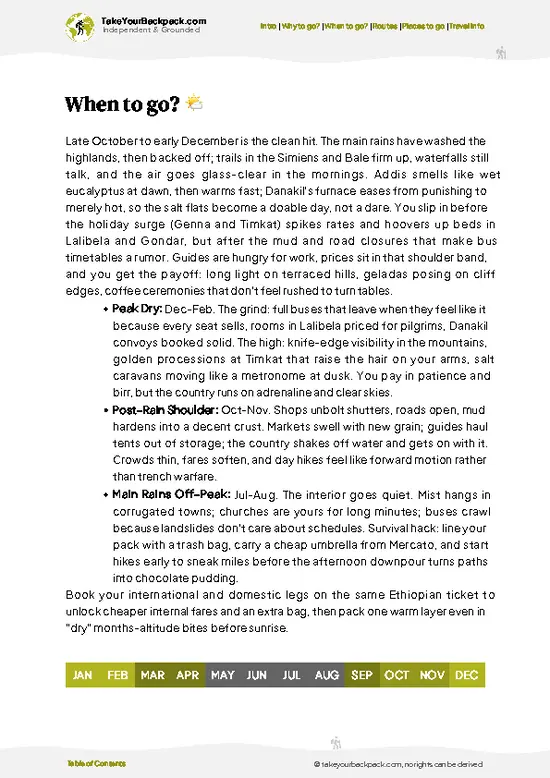
Here’s where Melka Kunture punches above its weight. The site is a masterclass in Paleolithic technology. You’ll see thousands of hand axes, cleavers, and scrapers—some so sharp you’ll instinctively check your fingers. The guides (usually local experts, not bored part-timers) will show you how these tools were made, and if you’re lucky, you might even get a flint-knapping demo. It’s not just about old rocks; it’s about the leap from animal to innovator.
The Hominid Fossil Display
No, you won’t find Lucy here, but Melka Kunture has its own claim to fame: the remains of Homo erectus children, among the oldest ever found in Ethiopia. The on-site museum doesn’t try to dazzle you with holograms or VR. Instead, it’s the bones themselves—fragile, real, and displayed with just enough context to make you realize you’re staring at your own deep ancestry. It’s humbling, and a little eerie.
The Awash River Gorge
This isn’t just a backdrop. The Awash River cuts through the landscape with a kind of prehistoric drama—think steep cliffs, volcanic boulders, and the kind of wild, untamed Africa that Instagram can’t quite capture. The river is why early humans settled here, and standing on its banks, you get it. The sound, the scale, the sense of time stretching out behind you—it’s all there. This is my personal favorite. There’s nothing like sitting on a sun-warmed rock, watching the water move past, and realizing you’re part of a story that started a million years ago.
The Educational Museum Complex
Don’t expect high-tech flash, but do expect substance. The museum at Melka Kunture is refreshingly direct: clear timelines, tactile exhibits, and real artifacts. The displays walk you through the evolution of tool-making and human adaptation, with enough detail to satisfy a science nerd but enough clarity for a curious kid. It’s the rare museum where you leave feeling smarter, not just entertained.
The Local Community Connection
This isn’t a tourist zoo. The guides are often from the surrounding villages, and their pride is contagious. You’ll hear stories about how the site was discovered, how it’s protected, and what it means to the people who live here. It’s a reminder that prehistory isn’t just about fossils—it’s about living heritage. If you want a place where the past and present actually talk to each other, Melka Kunture delivers.
Forget the glass cases and velvet ropes. At Melka Kunture, you’re walking the same river terraces where early humans chipped tools and butchered animals a million years ago. This isn’t a sanitized museum—this is the real dig site, with layers of volcanic ash and stone tools right under your boots. You’ll see the actual excavation pits, not just replicas. The sense of scale and rawness is impossible to fake. If you want to feel the pulse of prehistory, this is where it happens.
The Stone Tool Workshops
Here’s where Melka Kunture punches above its weight. The site is a masterclass in Paleolithic technology. You’ll see thousands of hand axes, cleavers, and scrapers—some so sharp you’ll instinctively check your fingers. The guides (usually local experts, not bored part-timers) will show you how these tools were made, and if you’re lucky, you might even get a flint-knapping demo. It’s not just about old rocks; it’s about the leap from animal to innovator.
The Hominid Fossil Display
No, you won’t find Lucy here, but Melka Kunture has its own claim to fame: the remains of Homo erectus children, among the oldest ever found in Ethiopia. The on-site museum doesn’t try to dazzle you with holograms or VR. Instead, it’s the bones themselves—fragile, real, and displayed with just enough context to make you realize you’re staring at your own deep ancestry. It’s humbling, and a little eerie.
The Awash River Gorge
This isn’t just a backdrop. The Awash River cuts through the landscape with a kind of prehistoric drama—think steep cliffs, volcanic boulders, and the kind of wild, untamed Africa that Instagram can’t quite capture. The river is why early humans settled here, and standing on its banks, you get it. The sound, the scale, the sense of time stretching out behind you—it’s all there. This is my personal favorite. There’s nothing like sitting on a sun-warmed rock, watching the water move past, and realizing you’re part of a story that started a million years ago.
The Educational Museum Complex
Don’t expect high-tech flash, but do expect substance. The museum at Melka Kunture is refreshingly direct: clear timelines, tactile exhibits, and real artifacts. The displays walk you through the evolution of tool-making and human adaptation, with enough detail to satisfy a science nerd but enough clarity for a curious kid. It’s the rare museum where you leave feeling smarter, not just entertained.
The Local Community Connection
This isn’t a tourist zoo. The guides are often from the surrounding villages, and their pride is contagious. You’ll hear stories about how the site was discovered, how it’s protected, and what it means to the people who live here. It’s a reminder that prehistory isn’t just about fossils—it’s about living heritage. If you want a place where the past and present actually talk to each other, Melka Kunture delivers.
Spotted a mistake or missing something? Contact us.

Omo Valley Tours from Jinka

Addis Ababa- Guided city tour with museum and market

Addis Ababa City Tours Full Day With Hotel Pickup And Drop Off.

Addis Ababa: Customizable Food, Markets, Coffee & Culture Tour

Discover Addis Ababa:Museums,Churche,Markets,Landmarks & Coffee

Danakil Depression, Lalibela, Omo Valley and Simien Mountains

A Guided Tour of Addis Ababa That Includes a City Viewpoint

Danakil Depression and Lalibela 5 Days Tours

Addis Mercato Market



 Best Backpacking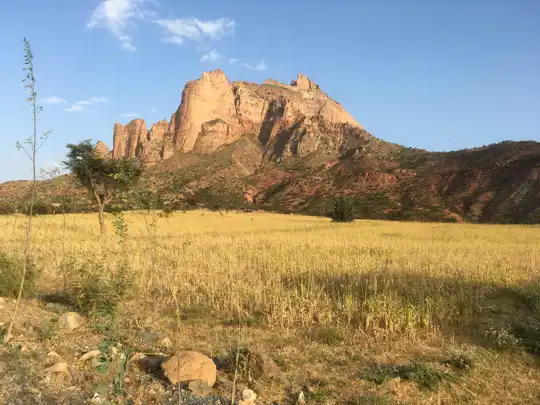
.jpg) Hi, I’m Johan (Netherlands 🇳🇱), the creator of TakeYourBackpack. Over the past 3 decades, I’ve backpacked through 90+ countries across six continents, gaining extensive experience with independent travel, long-term trips, and overland routes.
Hi, I’m Johan (Netherlands 🇳🇱), the creator of TakeYourBackpack. Over the past 3 decades, I’ve backpacked through 90+ countries across six continents, gaining extensive experience with independent travel, long-term trips, and overland routes.