v2.webp)
The Stelae Itself: The Stone Forest of Tiya
Forget the Instagram wide shot—stand among these 36 upright stones and you’ll feel the weight of 700 years of mystery pressing in. Each stela is carved with symbols that no one has fully cracked. Swords, leaves, and enigmatic shapes—some say they’re grave markers, others whisper about ancient cults. The stones aren’t massive like Axum’s, but their compact, almost intimate arrangement makes you feel like you’ve stumbled into a secret council. This is the real magic: you’re not just looking at history, you’re standing in the middle of its riddle.
The Carvings: Decoding the Symbols
Don’t expect museum-style explanations. The carvings on the Tiya stelae are cryptic, and that’s the fun. Swords, plant motifs, and geometric patterns—no one agrees on what … read more 👉
Forget the Instagram wide shot—stand among these 36 upright stones and you’ll feel the weight of 700 years of mystery pressing in. Each stela is carved with symbols that no one has fully cracked. Swords, leaves, and enigmatic shapes—some say they’re grave markers, others whisper about ancient cults. The stones aren’t massive like Axum’s, but their compact, almost intimate arrangement makes you feel like you’ve stumbled into a secret council. This is the real magic: you’re not just looking at history, you’re standing in the middle of its riddle.
The Carvings: Decoding the Symbols
Don’t expect museum-style explanations. The carvings on the Tiya stelae are cryptic, and that’s the fun. Swords, plant motifs, and geometric patterns—no one agrees on what … read more 👉
The Stelae Itself: The Stone Forest of Tiya
Forget the Instagram wide shot—stand among these 36 upright stones and you’ll feel the weight of 700 years of mystery pressing in. Each stela is carved with symbols that no one has fully cracked. Swords, leaves, and enigmatic shapes—some say they’re grave markers, others whisper about ancient cults. The stones aren’t massive like Axum’s, but their compact, almost intimate arrangement makes you feel like you’ve stumbled into a secret council. This is the real magic: you’re not just looking at history, you’re standing in the middle of its riddle.
The Carvings: Decoding the Symbols
Don’t expect museum-style explanations. The carvings on the Tiya stelae are cryptic, and that’s the fun. Swords, plant motifs, and geometric patterns—no one agrees on what they mean. Some locals will tell you they mark warriors’ graves; others spin tales of lost civilizations. The uncertainty is the entertainment. You’ll find yourself inventing your own theories, and that’s more engaging than any plaque. If you’re a puzzle-solver, this is your playground.
The Human Connection: Local Guides’ Stories
Skip the dry guidebook facts and listen to the local guides. Their stories are half history, half legend, and all heart. You’ll hear about ancient battles, forbidden love, and spirits that still haunt the field. Sure, some of it is probably embroidered, but that’s the point. The stelae are silent; the guides give them a voice. This is where the site comes alive, and it’s my personal favorite—because the best part of travel is always the people, not the stones.
The Setting: Ethiopia’s Rift Valley Vibe
Tiya isn’t perched on a dramatic cliff or surrounded by jungle. It’s a patch of grassland, with acacia trees and the distant hum of rural life. But that’s the charm. You’re not elbowing through crowds or dodging selfie sticks. The field feels open, honest, and a little bit wild. The real entertainment is the sense of discovery—this isn’t a place that’s been polished for tourists. You get the raw, unfiltered version.
The UNESCO Factor: World Heritage Without the Hype
Tiya is on the UNESCO list, but you won’t find the usual circus of souvenir stalls or ticket queues. The recognition is deserved—this is one of the most important archaeological sites in sub-Saharan Africa—but the vibe is refreshingly low-key. If you want to see a place before it’s “discovered” by the masses, this is your shot. The entertainment here is in the authenticity, not the spectacle.
Forget the Instagram wide shot—stand among these 36 upright stones and you’ll feel the weight of 700 years of mystery pressing in. Each stela is carved with symbols that no one has fully cracked. Swords, leaves, and enigmatic shapes—some say they’re grave markers, others whisper about ancient cults. The stones aren’t massive like Axum’s, but their compact, almost intimate arrangement makes you feel like you’ve stumbled into a secret council. This is the real magic: you’re not just looking at history, you’re standing in the middle of its riddle.
The Carvings: Decoding the Symbols
Don’t expect museum-style explanations. The carvings on the Tiya stelae are cryptic, and that’s the fun. Swords, plant motifs, and geometric patterns—no one agrees on what they mean. Some locals will tell you they mark warriors’ graves; others spin tales of lost civilizations. The uncertainty is the entertainment. You’ll find yourself inventing your own theories, and that’s more engaging than any plaque. If you’re a puzzle-solver, this is your playground.
The Human Connection: Local Guides’ Stories
Skip the dry guidebook facts and listen to the local guides. Their stories are half history, half legend, and all heart. You’ll hear about ancient battles, forbidden love, and spirits that still haunt the field. Sure, some of it is probably embroidered, but that’s the point. The stelae are silent; the guides give them a voice. This is where the site comes alive, and it’s my personal favorite—because the best part of travel is always the people, not the stones.
The Setting: Ethiopia’s Rift Valley Vibe
Tiya isn’t perched on a dramatic cliff or surrounded by jungle. It’s a patch of grassland, with acacia trees and the distant hum of rural life. But that’s the charm. You’re not elbowing through crowds or dodging selfie sticks. The field feels open, honest, and a little bit wild. The real entertainment is the sense of discovery—this isn’t a place that’s been polished for tourists. You get the raw, unfiltered version.
The UNESCO Factor: World Heritage Without the Hype
Tiya is on the UNESCO list, but you won’t find the usual circus of souvenir stalls or ticket queues. The recognition is deserved—this is one of the most important archaeological sites in sub-Saharan Africa—but the vibe is refreshingly low-key. If you want to see a place before it’s “discovered” by the masses, this is your shot. The entertainment here is in the authenticity, not the spectacle.
Spotted a mistake or missing something? Contact us.

Omo Valley Tours from Jinka

Addis Ababa- Guided city tour with museum and market

Addis Ababa City Tours Full Day With Hotel Pickup And Drop Off.

Addis Ababa: Customizable Food, Markets, Coffee & Culture Tour

Discover Addis Ababa:Museums,Churche,Markets,Landmarks & Coffee

Danakil Depression, Lalibela, Omo Valley and Simien Mountains

A Guided Tour of Addis Ababa That Includes a City Viewpoint

Danakil Depression and Lalibela 5 Days Tours

Addis Mercato Market





 Best Backpacking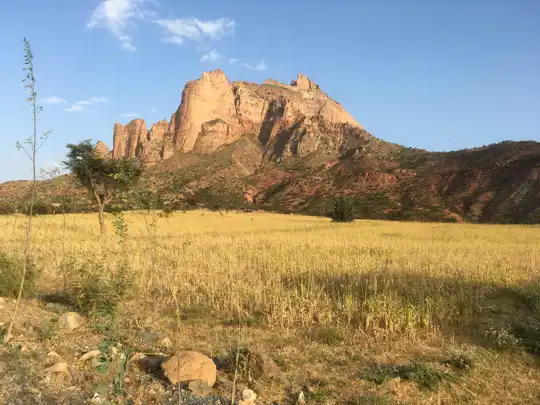
.jpg) Hi, I’m Johan (Netherlands 🇳🇱), the creator of TakeYourBackpack. Over the past 3 decades, I’ve backpacked through 90+ countries across six continents, gaining extensive experience with independent travel, long-term trips, and overland routes.
Hi, I’m Johan (Netherlands 🇳🇱), the creator of TakeYourBackpack. Over the past 3 decades, I’ve backpacked through 90+ countries across six continents, gaining extensive experience with independent travel, long-term trips, and overland routes.