v2.webp)
The Royal Church Interior
Forget the Instagram filters—this is the real deal. The inside of Entoto Maryam Church is a riot of color and pattern, with hand-painted biblical scenes that look like they were done yesterday, not over a century ago. The walls and ceilings are alive with Ethiopian Orthodox iconography: saints with wide, almond eyes, angels with wings that seem to flutter if you stare long enough. It’s not just pretty; it’s a living, breathing piece of Ethiopian faith, and you’ll feel it in the hush that falls when you step inside. No velvet ropes, no glass barriers—just you, the art, and the scent of beeswax candles.
The Museum’s Royal Relics
This isn’t your average dusty church museum. The collection here is a time capsule from the reign of Emperor Menelik II and Empress Taytu. You’ll … read more 👉
Forget the Instagram filters—this is the real deal. The inside of Entoto Maryam Church is a riot of color and pattern, with hand-painted biblical scenes that look like they were done yesterday, not over a century ago. The walls and ceilings are alive with Ethiopian Orthodox iconography: saints with wide, almond eyes, angels with wings that seem to flutter if you stare long enough. It’s not just pretty; it’s a living, breathing piece of Ethiopian faith, and you’ll feel it in the hush that falls when you step inside. No velvet ropes, no glass barriers—just you, the art, and the scent of beeswax candles.
The Museum’s Royal Relics
This isn’t your average dusty church museum. The collection here is a time capsule from the reign of Emperor Menelik II and Empress Taytu. You’ll … read more 👉
The Royal Church Interior
Forget the Instagram filters—this is the real deal. The inside of Entoto Maryam Church is a riot of color and pattern, with hand-painted biblical scenes that look like they were done yesterday, not over a century ago. The walls and ceilings are alive with Ethiopian Orthodox iconography: saints with wide, almond eyes, angels with wings that seem to flutter if you stare long enough. It’s not just pretty; it’s a living, breathing piece of Ethiopian faith, and you’ll feel it in the hush that falls when you step inside. No velvet ropes, no glass barriers—just you, the art, and the scent of beeswax candles.
The Museum’s Royal Relics
This isn’t your average dusty church museum. The collection here is a time capsule from the reign of Emperor Menelik II and Empress Taytu. You’ll see crowns, royal robes, and weapons that actually belonged to the people who built modern Ethiopia. There’s a battle drum that once rallied troops, and a mirror that belonged to the Empress herself. These aren’t replicas or “inspired by” pieces—they’re the real artifacts, and you can get close enough to see the wear and tear of history. If you want to understand Ethiopia’s pride and resilience, start here.
The Emperor’s Modest Palace
A palace, yes, but don’t expect Versailles. Menelik II’s former home is a humble wooden building just steps from the church, and that’s what makes it fascinating. You can walk through the rooms where Ethiopia’s most legendary emperor lived, planned, and prayed. The simplicity is the point: this is a leader who unified a nation from a mountain outpost, not a golden throne room. It’s a rare, unvarnished look at power without pretense.
The Panoramic Entoto Views
Here’s the shot everyone wants, but the real magic isn’t just the view—it’s the altitude. At over 3,000 meters, the air is thin and sharp, and the city of Addis Ababa sprawls below you like a living map. You’ll see eucalyptus forests, distant mountains, and the city’s blue haze. Sunrise and sunset are electric, but even midday, the light has a clarity you won’t find downtown. It’s a reminder that Ethiopia’s capital is a highland city, and this is its balcony.
The Sunday Morning Service
This is my personal favorite. If you want to feel the pulse of Ethiopian spirituality, come for a Sunday service. The singing is raw and powerful, the congregation dressed in white shawls, the incense thick enough to taste. You don’t have to be religious to be moved. It’s not a performance for tourists—this is the real heartbeat of the community, and you’re welcome to stand quietly at the edge and witness it. If you want to understand why this place matters, this is the moment.
Forget the Instagram filters—this is the real deal. The inside of Entoto Maryam Church is a riot of color and pattern, with hand-painted biblical scenes that look like they were done yesterday, not over a century ago. The walls and ceilings are alive with Ethiopian Orthodox iconography: saints with wide, almond eyes, angels with wings that seem to flutter if you stare long enough. It’s not just pretty; it’s a living, breathing piece of Ethiopian faith, and you’ll feel it in the hush that falls when you step inside. No velvet ropes, no glass barriers—just you, the art, and the scent of beeswax candles.
The Museum’s Royal Relics
This isn’t your average dusty church museum. The collection here is a time capsule from the reign of Emperor Menelik II and Empress Taytu. You’ll see crowns, royal robes, and weapons that actually belonged to the people who built modern Ethiopia. There’s a battle drum that once rallied troops, and a mirror that belonged to the Empress herself. These aren’t replicas or “inspired by” pieces—they’re the real artifacts, and you can get close enough to see the wear and tear of history. If you want to understand Ethiopia’s pride and resilience, start here.
The Emperor’s Modest Palace
A palace, yes, but don’t expect Versailles. Menelik II’s former home is a humble wooden building just steps from the church, and that’s what makes it fascinating. You can walk through the rooms where Ethiopia’s most legendary emperor lived, planned, and prayed. The simplicity is the point: this is a leader who unified a nation from a mountain outpost, not a golden throne room. It’s a rare, unvarnished look at power without pretense.
The Panoramic Entoto Views
Here’s the shot everyone wants, but the real magic isn’t just the view—it’s the altitude. At over 3,000 meters, the air is thin and sharp, and the city of Addis Ababa sprawls below you like a living map. You’ll see eucalyptus forests, distant mountains, and the city’s blue haze. Sunrise and sunset are electric, but even midday, the light has a clarity you won’t find downtown. It’s a reminder that Ethiopia’s capital is a highland city, and this is its balcony.
The Sunday Morning Service
This is my personal favorite. If you want to feel the pulse of Ethiopian spirituality, come for a Sunday service. The singing is raw and powerful, the congregation dressed in white shawls, the incense thick enough to taste. You don’t have to be religious to be moved. It’s not a performance for tourists—this is the real heartbeat of the community, and you’re welcome to stand quietly at the edge and witness it. If you want to understand why this place matters, this is the moment.
Spotted a mistake or missing something? Contact us.

Addis Ababa Guided City Tour With Airport & Hotel Pick Up

Addis Ababa: Debre Libanos, Blue Nile Gorge, and Cave Tour

Addis Ababa Layover Tour – Customizable City Highlights
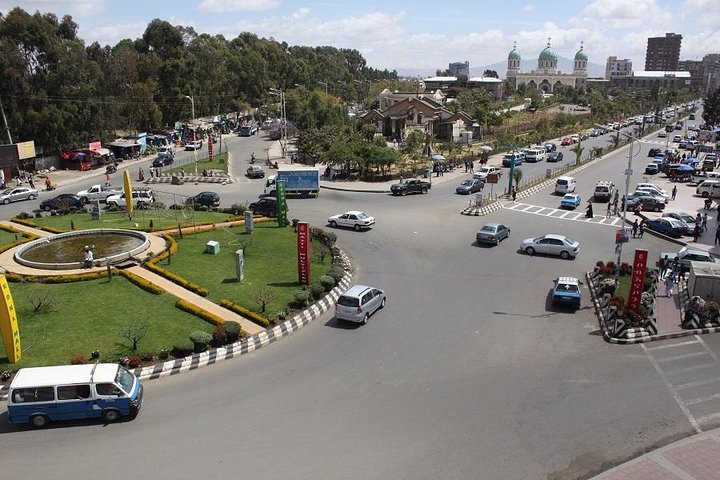
Best of Addis Ababa Guided City Tour
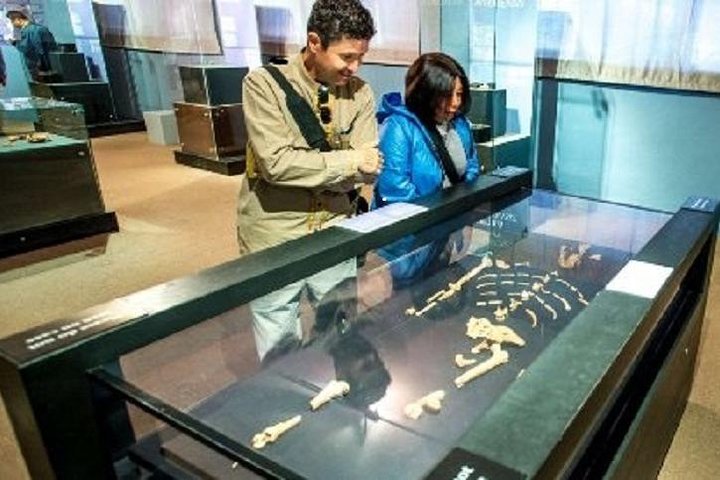
Museum Highlights Guided Day Tour in Addis Ababa

5 Day Addis,Bahir Dar,Gondar,Simien Mountains and Lalibela Tours

Addis Ababa Sightseeing

Addis Ababa Stopover City Tour 6-8Hours, Airport Pickup & Dropoff

Luxury Addis Day: Palaces, Heritage, Authentic Flavors and Jazz





 Best Backpacking
.jpg) Hi, I’m Johan (Netherlands 🇳🇱), the creator of TakeYourBackpack. Over the past 3 decades, I’ve backpacked through 90+ countries across six continents, gaining extensive experience with independent travel, long-term trips, and overland routes.
Hi, I’m Johan (Netherlands 🇳🇱), the creator of TakeYourBackpack. Over the past 3 decades, I’ve backpacked through 90+ countries across six continents, gaining extensive experience with independent travel, long-term trips, and overland routes.