×

Ethiopia🇪🇹 | townsMoyaleborder crossing, twin towns, trade route | things to do and best time to go

Explore YabeloExplore Fiche

Backpacking in Moyale
👍 Recommendedtown ranked #7
By Johan Kruseman 🇳🇱 | Updated June 16, 2026

Forget the fantasy of Moyale as a bustling border bazaar where backpackers swap stories over cold beers—this is a working frontier town, not a traveler’s playground. Moyale sits at Ethiopia’s southern edge, straddling the border with Kenya, where the dry wind carries dust and diesel, and the sun feels relentless by midday. For most, Moyale is a checkpoint, not a destination: a necessary pause on the overland route between Ethiopia’s highlands and Kenya’s savannah. The town’s market is lively but utilitarian, more about trade than charm, and the main street is a parade of trucks, not tuk-tuks. Accommodation is basic, social scenes are rare, and you’ll likely meet more truckers than fellow backpackers. Compared to the relaxed pace of Yabelo or the cultural intrigue of Marsabit, Moyale is all function—practical, gritty, and honest. Transport is straightforward: buses and shared taxis connect you onward, but don’t expect scenic strolls or cozy cafés. Costs are low, safety is manageable with street smarts, but the real reward here is the sense of crossing a true threshold—earning your passage, one dusty step at a time.

Discover everything you want to know in the 📖 Ethiopia Travel Guide.
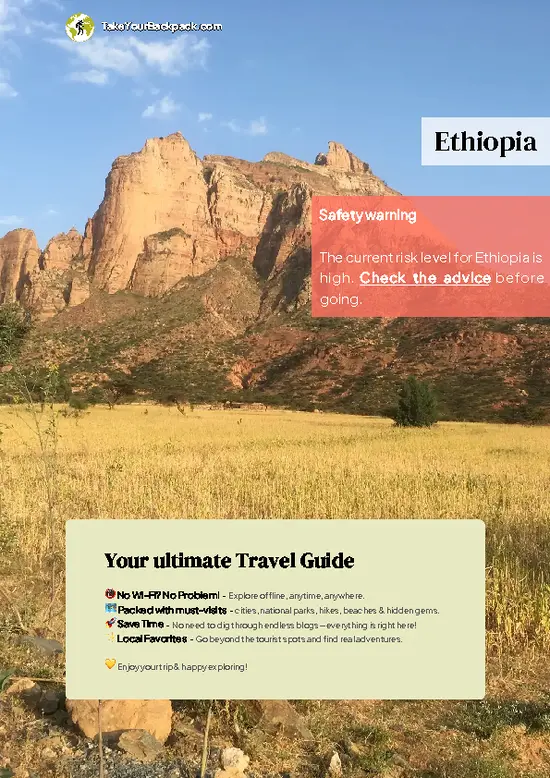
Safety warning

The current risk level for Ethiopia is high. Check the advice before going.


Get your Ethiopia guide
101 ranked highlights, routes & tips, works offline (395 pages)
Loading the map 🌍
CLICK TO FILTER
cities
towns
landmarks
national parks
hikes
attractions
festivals
regions
SHOW COUNTRY’S BESTSHOW ALL

✨ Why go?
Ranked #7 town in Ethiopia
The unique appeal for travelers

Moyale serves as a gateway for backpackers venturing into Ethiopia’s wild heart. Its walkable streets buzz with a friendly atmosphere, perfect for solo travelers or small groups seeking connection. The local food is a feast for the senses—think spicy stews and fresh injera that linger in the air. While many pass through, a few linger for a couple of days, using Moyale as a base for nearby hikes or cultural explorations. The small-scale hostels and guesthouses offer a cozy respite, fostering a sense of community among travelers. This town isn’t about nightlife; it’s about the journey. If you’re a slow traveler or a hiker, you’ll find Moyale’s charm in its simplicity and the stories waiting to unfold.
Want to include Moyale in your Ethiopia route?
Create a personalized Ethiopia itinerary that includes Moyale and the places that fit your trip — based on your travel style, budget, and available time. Get your route in seconds.

Generate my trip

💡 HighlightsWhat this place is best known for

  1. Moyale Main (Cross-Border) Market — the town’s beating heart: traders from both Ethiopia and Kenya sell everything from second-hand clothes to sacks of grain. It’s noisy, chaotic, and the fastest way to understand how this frontier town actually runs.
  2. Weekly Livestock Market — camels, cattle, goats and traders haggling in person: a proper pastoral economy in action. Early morning is the best time to see animals moved, negotiate with herders, and feel the rhythm of Borana/Somali trade culture.
  3. Moyale International Border Post (the crossing) — more than bureaucracy: the checkpoint and adjacent streets show the literal and social seam between two countries. Walk the area, watch cross-border trade, and notice how people and goods flow despite formalities.
  4. Dawa River Bridge and Riverside
read more 👉
  1. Moyale Main (Cross-Border) Market — the town’s beating heart: traders from both Ethiopia and Kenya sell everything from second-hand clothes to sacks of grain. It’s noisy, chaotic, and the fastest way to understand how this frontier town actually runs.
  2. Weekly Livestock Market — camels, cattle, goats and traders haggling in person: a proper pastoral economy in action. Early morning is the best time to see animals moved, negotiate with herders, and feel the rhythm of Borana/Somali trade culture.
  3. Moyale International Border Post (the crossing) — more than bureaucracy: the checkpoint and adjacent streets show the literal and social seam between two countries. Walk the area, watch cross-border trade, and notice how people and goods flow despite formalities.
  4. Dawa River Bridge and Riverside — the river that skirts Moyale gives surprisingly dramatic scenery and a glimpse of pastoral life along its banks. The bridge is a practical viewpoint for photography, birdwatching, and watching herders water stock.
  5. Moyale Central Mosque — a focal point of daily life and community gatherings; architecturally plain but socially rich. Visit respectfully outside prayer times to observe local rhythms and the mosque’s role in town life.
  6. Old Trading Quarter / Main Street — low, tightly packed shops and teashops where traders linger between deals. It’s a good place to pick up inexpensive supplies, haggle, and watch the town’s patchwork of cultures mingle.
  7. Moyale Airstrip (small airport) — a tiny, functional strip that handles occasional charters and government flights. It’s worth a look for aviation-curious travelers and as a practical launch point if you’re arranging local logistics or quick connections.
  8. Town Hill Viewpoint — a short climb on a nearby ridge gives panoramic views over Moyale, the border plain and the red-dirt roads stretching into Kenya. Sunset or sunrise here makes the town’s layout and landscape suddenly make sense.
  9. Tea Stalls and Truckers’ Row — simple roadside cafes where drivers, traders and locals swap news, meals and gossip. Cheap food, sweet tea, and endless people-watching — essential for understanding the town’s social fabric.
  10. Local Homestead Visits and Neighborhood Walks — arrange (through a fixer or guide) short visits with Borana or Somali families in town to see pastoralist daily life, milk-tea rituals, and traditional crafts. These visits are the real human stories behind the market scenes.
A few worth-while day trips just outside Moyale: the Dawa River plains and gorge stretches for short exploratory drives, the Kenyan side of Moyale (the opposite town and its market) is a lively cross-border experience, and nearby pastoral villages let you see grazing land and traditional camps; my personal favorite is hopping across to the Kenyan Moyale for an early-morning market run — it’s loud, colorful and gives a great sense of the border’s living economy.
Spotted a mistake or missing something? Contact us.
🏘️ NeighborhoodsKey areas and districts to know

Moyale is a crossroads of cultures and a gateway to adventure. Each neighborhood offers a unique flavor, making it essential to choose wisely.

Central Moyale: This is the heartbeat of the town. Bustling markets fill the air with the scent of spices and grilled meats. It’s walkable, with plenty of budget-friendly accommodations. Nightlife is low-key, perfect for unwinding after a day of exploration. Ideal for short stays, you can easily access transport to other regions.

Border Area: Here, the atmosphere shifts. You’ll find a mix of travelers and locals, creating a vibrant yet relaxed vibe. Accommodations are simple and affordable. The proximity to the border means you can hop between countries, but it’s quieter at night. Great for longer stays if you want to soak in the local culture.

Outskirts: … read more 👉
Moyale is a crossroads of cultures and a gateway to adventure. Each neighborhood offers a unique flavor, making it essential to choose wisely.

Central Moyale: This is the heartbeat of the town. Bustling markets fill the air with the scent of spices and grilled meats. It’s walkable, with plenty of budget-friendly accommodations. Nightlife is low-key, perfect for unwinding after a day of exploration. Ideal for short stays, you can easily access transport to other regions.

Border Area: Here, the atmosphere shifts. You’ll find a mix of travelers and locals, creating a vibrant yet relaxed vibe. Accommodations are simple and affordable. The proximity to the border means you can hop between countries, but it’s quieter at night. Great for longer stays if you want to soak in the local culture.

Outskirts: This area offers a more tranquil experience. The landscape opens up, and you can breathe in the fresh air. Accommodations are sparse but affordable. It’s less walkable, so having a bike or vehicle is a plus. Perfect for those looking to escape the hustle and immerse themselves in nature.

⌛️ 1 dayWhat you can realistically do in a day

Moyale, straddling the Ethiopia-Kenya border, pulses with a unique blend of cultures and stories. The air is thick with the scent of spices and the sounds of bustling markets, making it a vibrant stop for those seeking authenticity.

Start your morning at the local market, where vendors display colorful fabrics and fresh produce. The energy is contagious; you can almost taste the excitement in the air. Grab a steaming cup of buna (Ethiopian coffee) from a nearby stall. The rich aroma will wake you up better than any alarm clock.

In the afternoon, head to the Moyale Cultural Center. This spot is often overlooked by tourists, but it offers a deep dive into the local traditions and art. You’ll find intricate crafts and perhaps catch a dance performance that showcases the region’s heritage. … read more 👉
Moyale, straddling the Ethiopia-Kenya border, pulses with a unique blend of cultures and stories. The air is thick with the scent of spices and the sounds of bustling markets, making it a vibrant stop for those seeking authenticity.

Start your morning at the local market, where vendors display colorful fabrics and fresh produce. The energy is contagious; you can almost taste the excitement in the air. Grab a steaming cup of buna (Ethiopian coffee) from a nearby stall. The rich aroma will wake you up better than any alarm clock.

In the afternoon, head to the Moyale Cultural Center. This spot is often overlooked by tourists, but it offers a deep dive into the local traditions and art. You’ll find intricate crafts and perhaps catch a dance performance that showcases the region’s heritage. The center’s courtyard is a perfect place to soak in the sun while chatting with locals who are eager to share their stories.

As evening falls, wander through the streets of the bustling neighborhoods. The golden light casts long shadows, and the atmosphere shifts as families gather for dinner. Stop by a local eatery for injera and doro wat; the flavors will linger long after your meal.

Moyale isn’t just a waypoint; it’s a tapestry of experiences waiting to be unraveled. Embrace the chaos, and you’ll find beauty in every corner.
Turn your Moyale visit into an Ethiopia adventure
Build a complete Ethiopia route with Moyale, hidden gems, must-see destinations, and realistic travel times included.

Generate my trip

🌤️ When to go?Seasonal considerations and timing


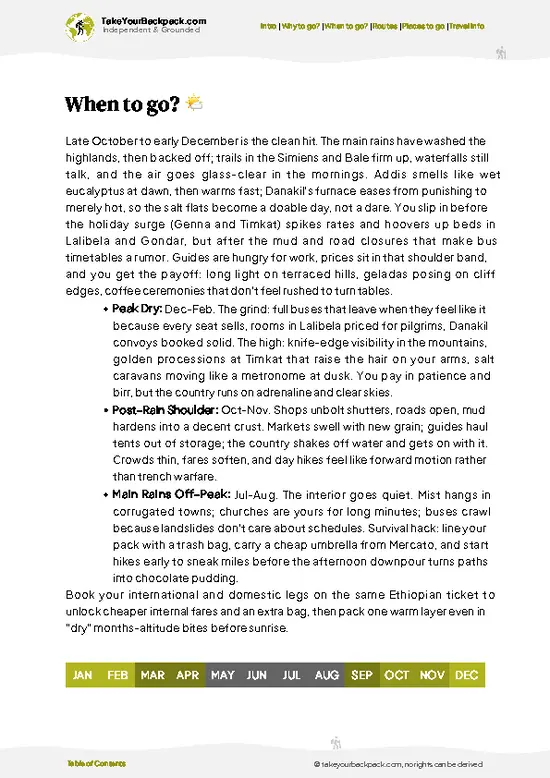
  • Weather: Moyale sits on the edge of the Ethiopian Rift Valley, so expect a semi-arid climate. The best window is from November to February when the rains retreat, leaving dry, dusty air and clear skies. Avoid April to June—the heavy rains turn roads into mud traps and can stall your plans.

  • Temperature: Daytime highs hover around 28-32°C (82-90°F) during the dry season, which feels warm but manageable with shade and water. Nights cool down to 15-18°C (59-64°F), a welcome relief after the sun dips.

  • Daylight Hours: Near the equator, daylight is steady year-round—about 12 hours. This consistency means you can plan hikes or market visits without worrying about early sunsets.

  • Crowds: Moyale isn’t a tourist hotspot, but local market days (usually weekends) bring a lively crowd. Visiting
read more 👉

  • Weather: Moyale sits on the edge of the Ethiopian Rift Valley, so expect a semi-arid climate. The best window is from November to February when the rains retreat, leaving dry, dusty air and clear skies. Avoid April to June—the heavy rains turn roads into mud traps and can stall your plans.

  • Temperature: Daytime highs hover around 28-32°C (82-90°F) during the dry season, which feels warm but manageable with shade and water. Nights cool down to 15-18°C (59-64°F), a welcome relief after the sun dips.

  • Daylight Hours: Near the equator, daylight is steady year-round—about 12 hours. This consistency means you can plan hikes or market visits without worrying about early sunsets.

  • Crowds: Moyale isn’t a tourist hotspot, but local market days (usually weekends) bring a lively crowd. Visiting during the dry season means you’ll catch these vibrant moments without the chaos of rain disruptions.

  • Seasonal Activities: The dry season is prime for trekking and cross-border cultural exchanges with Kenya. The rains shut down many trails and make border crossings unpredictable.

  • Price Fluctuations: Lodging and transport costs dip during the rainy season due to lower demand, but the trade-off is unreliable travel conditions. The dry season commands slightly higher prices but guarantees smoother logistics and better experiences.


Pro-tip: Aim for early dry season—November or December—when the air is crisp, the landscape is waking from rains, and you’ll have the best balance of comfort, culture, and clear roads.


source: climatestotravel.comJANJanuary: excellent for travelingFEBFebruary: excellent for travelingMARMarch: good for travelingAPRApril: below average for travelingMAYMay: below average for travelingJUNJune: fair for travelingJULJuly: good for travelingAUGAugust: good for travelingSEPSeptember: good for travelingOCTOctober: highly recommended for travelingNOVNovember: excellent for travelingDECDecember: excellent for traveling
when-to-go

✈️ The backpacker research shortcutEthiopia Travel Guide

An offline-friendly backpacking guide with optimized travel routes, ranked highlights, transport advice, and the best areas to stay.
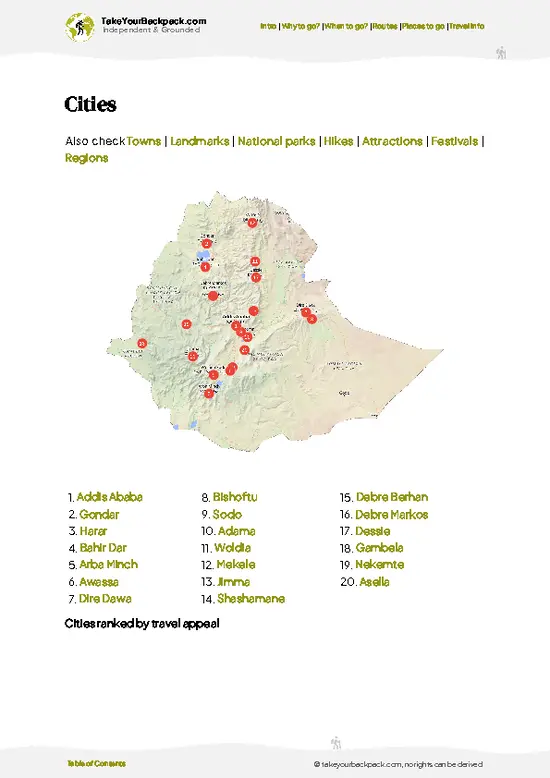
example page 0 from our offline Travel Guide for Ethiopia
example page 1 from our offline Travel Guide for Ethiopia
example page 2 from our offline Travel Guide for Ethiopia
example page 3 from our offline Travel Guide for Ethiopia
example page 4 from our offline Travel Guide for Ethiopia
example page 5 from our offline Travel Guide for Ethiopia
example page 6 from our offline Travel Guide for Ethiopia
example page 7 from our offline Travel Guide for Ethiopia
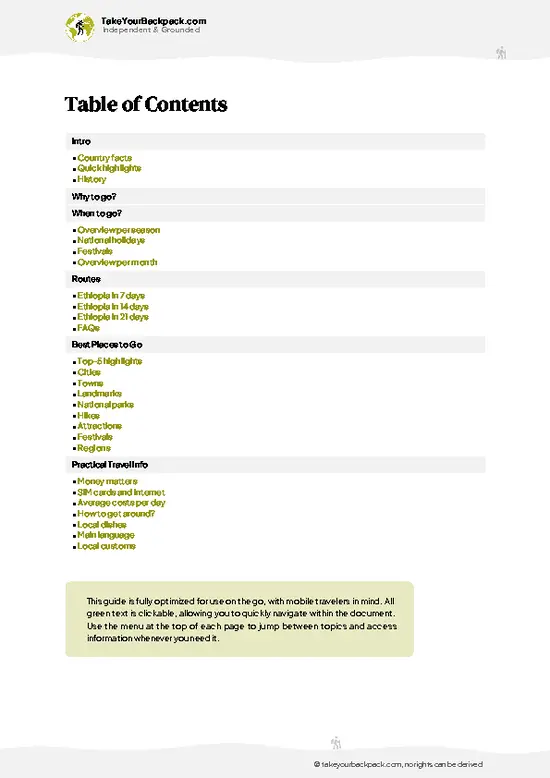
The digital guide (395 pages) contains:
101 highlights, ranked by travel appeal
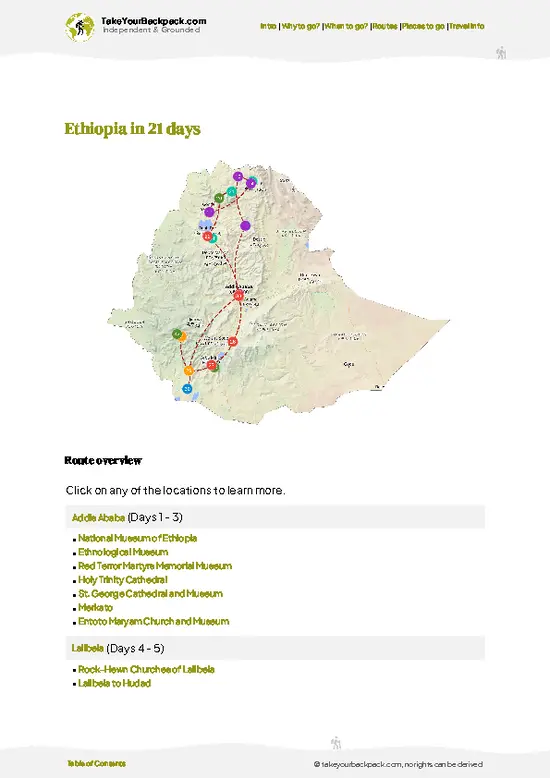
Optimized 7, 14 & 21-day travel routes
Cities, national parks, landmarks, beaches
How to get around
Offline-friendly for travel without Wi-Fi
👉 Click to see all 30+ guide features

📅 Plan smarter in minutes, not weeks
Month by month travel advice
Festivals & national holidays
Budget expectations

🗺️ Go to the right places, skip the overrated ones
Honest pros & cons of destinations
Top hikes, parks & viewpoints
Lesser-known places most travelers miss
Clear “worth it vs skip it” guidance

🛏️ Travel smoothly without rookie mistakes
Best areas to stay
Transport systems explained simply
Common scams & safety advice
SIM cards, money & practical tips

🌍 Understand the country, not just visit it
Culture & traditions
52 Essential phrases & customs
Festivals worth planning around
Traveler-friendly historical context
Insights that make places more meaningful

📱 Built for real travel conditions
Fully downloadable PDF
Works completely offline
Optimized for phone use
Useful in remote areas & buses
Everything in one place
Save weeks of stressful planning
Get instant access to your full guide. 30‑day money-back guarantee.


By proceeding you agree to our terms.
Sent to your inbox immediately after payment • 100% Secure Checkout
Best Backpacking Travel Advisor 2025 tourism awardBest Backpacking
Travel Advisor
2025
What others say about Take Your Backpack Guides:
⭐⭐⭐⭐⭐
Fantastic, amazing amount of information!
⭐⭐⭐⭐⭐
My goodness this is amazing, it's what I've been looking for hats off too you!
⭐⭐⭐⭐⭐
I think this is absolutely BRILLIANT
⭐⭐⭐⭐
Very complete and informative. It's still missing places, but I gotta to commend you
⭐⭐⭐⭐⭐
This is truly amazing, thank you, can't wait to explore it with my kids!
⭐⭐⭐⭐⭐
Awesome resource, thank you!
⭐⭐⭐⭐⭐
This is amazing! Can't wait to explore the ones I haven't seen
⭐⭐⭐⭐
I love this! Well done, great idea.
⭐⭐⭐⭐⭐
Thanks for taking the time to make this gem!
⭐⭐⭐⭐⭐
This might be the best website I've ever seen.
⭐⭐⭐⭐⭐
Congratulations, and thank you so much for your work; it's incredibly valuable.
⭐⭐⭐⭐
In all seriousness I think you did a great job pointing out the important spots
⭐⭐⭐⭐⭐
10/10 very good
⭐⭐⭐⭐⭐
As someone who's only just starting to visit regularly this is awesome, thank you.
⭐⭐⭐⭐
Thank you very much! I'm going to visit my dad, it's going to be very useful!
⭐⭐⭐⭐⭐
This is really cool! We'll be travelling for the first time and this definitely come in handy.
⭐⭐⭐⭐⭐
You are now our minister of culture, congratulations 👨‍💼
⭐⭐⭐⭐⭐
Just wanted to tell you that this is a pearl! Going to follow your recommendations.
⭐⭐⭐⭐⭐
This is so cool. I'll definitely be using the resource for my travels soon.
⭐⭐⭐⭐⭐
This is very impressive! Good work.
⭐⭐⭐⭐⭐
This is an amazing and informative site. Very well done!

🛏️ Where to stay?How to pick the right area

In Moyale, the heartbeat for backpackers pulses strongest around the central market area on the Ethiopian side. This neighborhood is your best bet for safety and social energy. The streets here hum with traders, locals, and travelers, creating a lively atmosphere that’s both grounding and engaging. You’ll find basic hostels clustered near the main road—simple, clean, and affordable—where it’s easy to strike up conversations with fellow backpackers or locals over shared meals or chai.

Why this area? Moyale’s border-town vibe can feel raw and unpredictable, but sticking close to the market means … read more 👉
In Moyale, the heartbeat for backpackers pulses strongest around the central market area on the Ethiopian side. This neighborhood is your best bet for safety and social energy. The streets here hum with traders, locals, and travelers, creating a lively atmosphere that’s both grounding and engaging. You’ll find basic hostels clustered near the main road—simple, clean, and affordable—where it’s easy to strike up conversations with fellow backpackers or locals over shared meals or chai.

Why this area? Moyale’s border-town vibe can feel raw and unpredictable, but sticking close to the market means you’re near the pulse of daily life, with plenty of eyes on the street and a natural sense of community. It’s a practical choice: you avoid the quieter, more isolated outskirts where security is patchier and social opportunities thin out. Plus, the market’s scent of spices and fresh bread at dawn is a sensory reward for early risers.

Compared to the Ethiopian town’s edges or the Kenyan side, this central zone balances accessibility, safety, and the chance to connect—exactly what a solo backpacker needs to turn a border crossing into a memorable chapter.

🚌 Getting aroundTransportation options and practical tips

Moyale feels like a crossroads where the desert wind carries a mix of hurried traders, dusty trucks, and the steady shuffle of locals who know the rhythm here isn’t dictated by clocks but by the sun and the flow of goods. The town’s pulse is a blend of organized chaos and practical patience—expect moments where schedules dissolve into the hum of conversations in Oromo, Somali, and Amharic, punctuated by the occasional honk of a matatu or the bark of a camel herder. The light here is sharp, casting long shadows that stretch across the cracked pavement, and the air carries a dry, earthy scent mixed with the faint aroma of roasting coffee from street vendors. Understanding this flow means you don’t just get around—you move with the town, catching the right ride at the right moment without wasting … read more 👉
Moyale feels like a crossroads where the desert wind carries a mix of hurried traders, dusty trucks, and the steady shuffle of locals who know the rhythm here isn’t dictated by clocks but by the sun and the flow of goods. The town’s pulse is a blend of organized chaos and practical patience—expect moments where schedules dissolve into the hum of conversations in Oromo, Somali, and Amharic, punctuated by the occasional honk of a matatu or the bark of a camel herder. The light here is sharp, casting long shadows that stretch across the cracked pavement, and the air carries a dry, earthy scent mixed with the faint aroma of roasting coffee from street vendors. Understanding this flow means you don’t just get around—you move with the town, catching the right ride at the right moment without wasting time or money.


  • Walking: The most reliable and cost-free way to navigate Moyale’s compact center, especially early morning or late afternoon when the heat softens. Walking lets you soak in the textures of cracked walls, the chatter of market stalls, and the occasional bleat of goats, all while avoiding the unpredictability of vehicle schedules.


  • Matatus (Shared Minibuses): These are the backbone of local transit, running roughly from 6 AM to 7 PM. Fares hover around 20-50 Ethiopian Birr depending on distance. They’re fast and frequent but expect tight seating and a lively atmosphere—perfect if you want to blend in and save cash.


  • Bajaj (Three-Wheelers): Ideal for short hops within town, bajajs operate all day until dusk, charging about 30-60 Birr per ride. They’re nimble in Moyale’s narrow lanes and quicker than walking, but negotiate fares upfront to avoid surprises.


  • Intercity Buses: For trips beyond Moyale, buses depart from the main station sporadically, often early morning or late afternoon. Tickets vary widely, so booking a day ahead is smart. These rides are slower but more comfortable than matatus, with some offering basic seats and shade—essential for the long haul across the dry borderlands.


  • Motorbike Taxis: Less common but available for quick, solo trips. They dart through traffic and cost slightly more than bajajs, around 50-80 Birr. Use them when time is tight, but keep in mind the dust and wind that come with open-air rides.

👛 Costs (as of 24 June 2026)What things cost and how to budget

Backpacking through Moyale, Ethiopia, means embracing a raw, border-town vibe where costs stay low but the experience is vivid and real.
  • Dorm Accommodation: Expect basic guesthouses with shared rooms, often dusty but functional. Prices hover around $5 to $10 per night. Don’t expect luxury—think simple beds, mosquito nets, and the occasional generator hum at night.
  • Meals: Street food and small local eateries dominate. A hearty plate of injera with stew or grilled meat will set you back about $2 to $4. Fresh fruit and snacks are even cheaper, but don’t count on fancy cafes or international options here.
  • Local Transport: Moyale’s main mode is shared minibuses or bajajs (three-wheelers). A typical short ride costs around $0.50 to $1. For longer trips, like crossing the border or heading to
read more 👉
Backpacking through Moyale, Ethiopia, means embracing a raw, border-town vibe where costs stay low but the experience is vivid and real.
  • Dorm Accommodation: Expect basic guesthouses with shared rooms, often dusty but functional. Prices hover around $5 to $10 per night. Don’t expect luxury—think simple beds, mosquito nets, and the occasional generator hum at night.
  • Meals: Street food and small local eateries dominate. A hearty plate of injera with stew or grilled meat will set you back about $2 to $4. Fresh fruit and snacks are even cheaper, but don’t count on fancy cafes or international options here.
  • Local Transport: Moyale’s main mode is shared minibuses or bajajs (three-wheelers). A typical short ride costs around $0.50 to $1. For longer trips, like crossing the border or heading to nearby towns, budget $3 to $5.
  • Basic Activities/Entry Fees: Moyale isn’t packed with tourist sites, but crossing the border into Kenya or exploring local markets might involve small fees or negotiation. Budget around $1 to $3 for any minor entry or guide fees.
  • Miscellaneous Expenses: Water, snacks, phone credit, and occasional tips add up. Set aside about $1 to $2 daily. Keep cash handy; card payments are rare and ATMs can be unreliable.

All told, you’re looking at roughly $10 to $20 a day to keep Moyale moving smoothly on a backpacker’s budget. It’s not about comfort here—it’s about the gritty pulse of a border town where every dollar stretches, and every moment feels earned.


source: ethiopia.travel
⚠️ Prices can change and everyone travels differently, so take this as a rough guide. Hope it helps you plan your adventure!

🚌 Day tripsEasy escapes and nearby places

Moyale, Ethiopia, is a backpacker’s dream base for day trips, offering a blend of culture, adventure, and stunning landscapes.

Day Trip to Lake Turkana
A journey to Lake Turkana is a must. The road winds through arid landscapes, with the sun casting a golden hue over the hills. It takes about three hours to reach the lake, where the turquoise waters contrast sharply with the surrounding desert. Bring a packed lunch; local eateries can be hit-or-miss. Expect to spend around $10 on transport and snacks. The best time to visit is during the dry season, when the weather is more predictable. A common mistake? Underestimating the sun—bring plenty of water and sunscreen.


Exploring the Omo Valley
The Omo Valley is a cultural tapestry, home to diverse tribes. It’s about a two-hour drive from … read more 👉
Moyale, Ethiopia, is a backpacker’s dream base for day trips, offering a blend of culture, adventure, and stunning landscapes.

Day Trip to Lake Turkana
A journey to Lake Turkana is a must. The road winds through arid landscapes, with the sun casting a golden hue over the hills. It takes about three hours to reach the lake, where the turquoise waters contrast sharply with the surrounding desert. Bring a packed lunch; local eateries can be hit-or-miss. Expect to spend around $10 on transport and snacks. The best time to visit is during the dry season, when the weather is more predictable. A common mistake? Underestimating the sun—bring plenty of water and sunscreen.


Exploring the Omo Valley
The Omo Valley is a cultural tapestry, home to diverse tribes. It’s about a two-hour drive from Moyale, and the experience is rich with vibrant traditions. You’ll want to budget around $15 for transport and perhaps a small fee for photography. The dry season is ideal for visiting, as the roads can become muddy during the rains. Many first-timers overlook the importance of hiring a local guide to enhance the experience and provide insights into the tribes’ customs.
👉 Explore Omo Valley

Visit the Moyale Market
Staying local can be just as rewarding. The Moyale Market buzzes with life, especially on Saturdays. You can stroll through stalls filled with spices, textiles, and local crafts. It’s a short walk from the center, and you can easily spend a couple of hours soaking in the atmosphere. Costs are minimal—just a few dollars for snacks or souvenirs. The best time to go is early morning, when the market is fresh and lively. A common mistake is rushing through; take your time to chat with vendors and sample local treats.
Want to know what more Ethiopia offers?
The Ethiopia Travel Guide describes 101 highlights, from cities to national parks, from beaches to hikes

Get the Travel Guide -

🛡️ SafetyStaying Safe: What Travelers Should Know

Moyale is generally safe, but a few simple practices can enhance your experience. Stay aware in crowded areas, especially near markets where pickpockets might lurk. If you’re traveling solo, keep your belongings close and avoid wandering too far after dark; the streets can feel different when the sun sets.

Common scams are rare, but be cautious of overly friendly locals offering unsolicited help—often, they expect a tip. Carry small bills for purchases to avoid awkward change situations. Embrace the local vibe, but trust your instincts; if something feels off, it’s okay to walk away. Enjoy the journey, but stay grounded.

Other Ethiopian towns near Moyale

Explore more nearby:

  • Yabelo—Borena grasslands, cattle markets, red earth landscapes| 184 km away
  • Dilla—coffee farms, stelae fields, southern crossroads| 330 km away
  • Jinka—Omo Valley gateway, tribal markets, ethnographic museum| 372 km away

💡 Not sure where to go next?
Create a personalized itinerary for Ethiopia including Moyale and the places that fit your trip.

Generate my itinerary

👉 Discover all towns

Or checkout all Ethiopia has to offer (think cities, towns, villages, national parks, hikes, beaches, festivals)
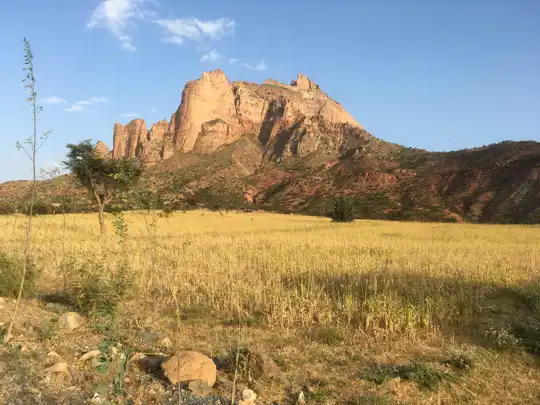
Country photo of Ethiopia

We 💚 feedbackWhat to keep in mind

Moyale’s vibrant market pulses with life, offering a sensory feast of spices and local crafts that tell stories of the region. But be ready for the heat and dust; it can be relentless. Embrace the challenge, and you’ll find a deeper connection to the culture that makes this place truly special.

✈️ When did I visit Ethiopia?
Ethiopia I visited back in October 2017. I combined the trip with a visit to Sudan. Ethiopia was a pure suprise with the magical scenery like the Danikal Depression and the Simien Mountains.

✍️ Help improve this page!
The information on this page is based on my own backpacking experience in Ethiopia, supplemented with up-to-date research and feedback from other travelers. Travel details can change, so if you notice anything outdated or incomplete, feel free to let me know.


🙋‍♂️ Give feedback

👋 Meet the founderWho’s Behind Take Your Backpack?

Johan, backpacker and founder of TakeYourBackpackHi, I’m Johan (Netherlands 🇳🇱), the creator of TakeYourBackpack. Over the past decade, I’ve backpacked through 80+ countries across six continents, gaining extensive experience with independent travel, long-term trips, and overland routes.

This site is built on a combination of firsthand travel experience and carefully curated insights from other backpackers. Many guides are based on places I’ve personally visited, while others bring together tips, observations, and practical advice shared by trusted travelers I’ve met along the way.

The goal is to provide realistic, experience-driven guidance — not generic itineraries — so you can explore destinations with better context, clearer expectations, and more confidence.

Get full Ethiopia guide •
Instant download • 101 highlights • Full Offline guide