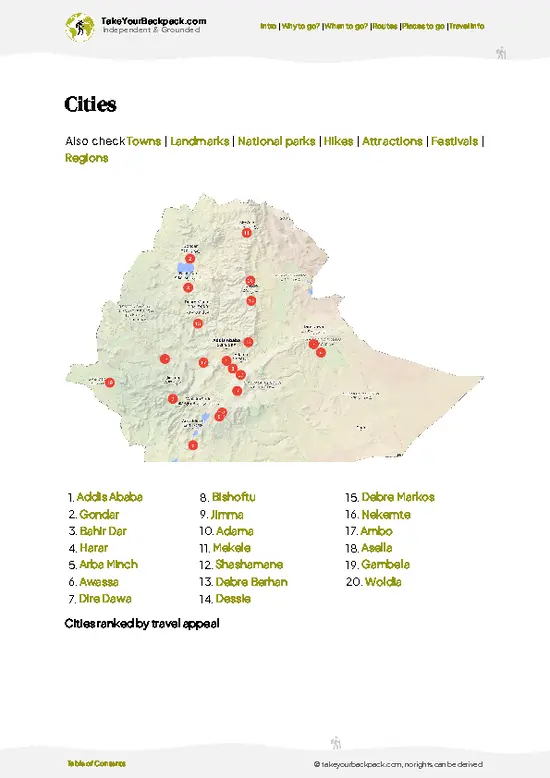
How many towns to visit: I would advise
four to six towns on a trip of two to three weeks. Ethiopian roads are slow, buses start before sunrise and a long leg can take most of a day, so going beyond six turns the trip into a series of dusty windows. With fewer stops you have time for a second morning, when the light is soft, the street cafes are full of macchiato steam and you finally know which corner sells the best fresh bread.
Choosing between kinds of towns: Think in three types.
Historic and religious towns suit travelers who like churches, ceremonies and early mornings, with chanting and incense and crowds of white-robed worshippers.
Market and cultural towns in the south suit those who want color, noise and variety, with stalls of spices, livestock and coffee beans.
Rift Valley and …
read more 👉 How many towns to visit: I would advise four to six towns on a trip of two to three weeks. Ethiopian roads are slow, buses start before sunrise and a long leg can take most of a day, so going beyond six turns the trip into a series of dusty windows. With fewer stops you have time for a second morning, when the light is soft, the street cafes are full of macchiato steam and you finally know which corner sells the best fresh bread.
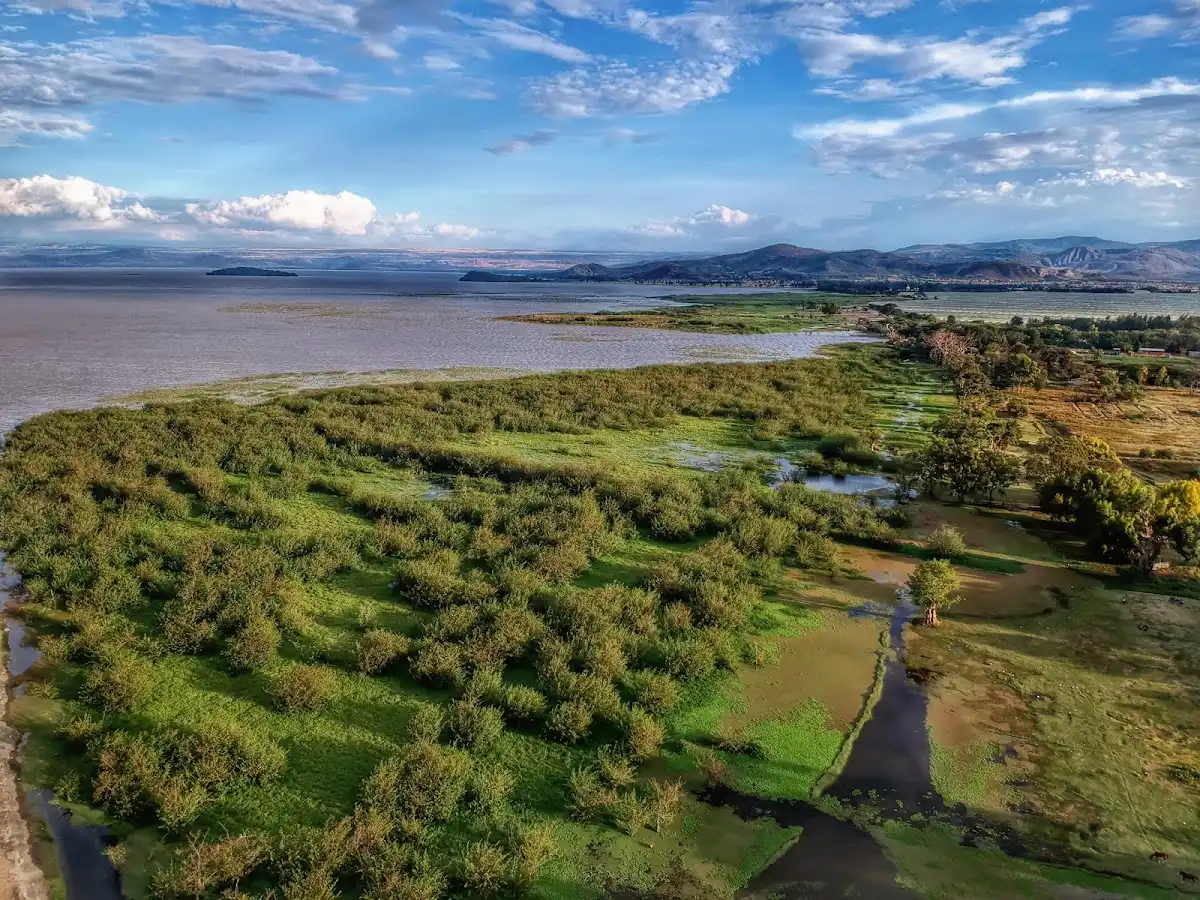
Choosing between kinds of towns: Think in three types. Historic and religious towns suit travelers who like churches, ceremonies and early mornings, with chanting and incense and crowds of white-robed worshippers. Market and cultural towns in the south suit those who want color, noise and variety, with stalls of spices, livestock and coffee beans. Rift Valley and lakeside towns suit anyone who needs a slower pace, fresh fish, birdsong and cool evenings by the water. Rugged eastern and lowland towns are for experienced, flexible travelers who can handle heat and long waits. Pick one type as the core of your trip and add a second for contrast.
What it costs: Budget about US$20 to 35 a day as a backpacker, meaning roughly 2,400 to 4,200 birr at recent rates, which can shift. A basic room is around US$8 to 20, a meal of injera with stew costs US$1.50 to 4, and a coffee costs well under US$1. Minibus rides between nearby towns cost US$1 to 5, while long buses run about US$8 to 25. Domestic flights are often US$80 to 200 one way and are priced higher for foreigners. Entry fees for churches, museums and sites are usually US$3 to 20, and some national parks and special sites cost more. A local guide is commonly US$10 to 40 a day. Many travelers also pay for a bajaj (three-wheeler) for short hops, usually less than US$1 to 3 a ride, though you should agree on the price first.
Safety on the ground: The big issue is regional security. Parts of the country, particularly in the north and some border areas, have seen conflict, so check your government's advisory and ask hotel owners for current local conditions before choosing a route. In towns, petty theft and bag snatching can occur in crowded markets and bus stations, so keep valuables out of back pockets and stay alert after dark. Walk with a light daypack, keep a copy of your passport, and use registered taxis at night. In return, you can wander lanes of tin-roofed shops and coffee stalls with real peace of mind.
Cultural etiquette: Ethiopia is deeply religious. Cover shoulders and knees at churches and mosques, remove shoes where asked and ask before photographing people, especially priests and worshippers. On Wednesdays and Fridays and during Lent, many Orthodox Christians fast, so meat may be hard to find. Accept coffee when offered, since a full ceremony takes about an hour, with roasting beans, smoky incense and three rounds of cups, and you will leave knowing the town better than any guidebook can teach.
Practical watch-outs: Bring plenty of cash in birr, because ATMs can run empty and cards are rarely accepted outside big hotels. Expect to hear “farenji” (foreigner) as you walk, usually friendly curiosity, and sometimes the start of a sales pitch. Bargain politely and keep a sense of humor. Carry a small flashlight, since power cuts are common, and a warm layer for highland nights. Altitude can bring headaches in the first days, so drink water and go slowly.
v2.webp)



 Best Backpacking
.jpg) Hi, I’m Johan (Netherlands 🇳🇱), the creator of TakeYourBackpack. Over the past 3 decades, I’ve backpacked through 90+ countries across six continents, gaining extensive experience with independent travel, long-term trips, and overland routes.
Hi, I’m Johan (Netherlands 🇳🇱), the creator of TakeYourBackpack. Over the past 3 decades, I’ve backpacked through 90+ countries across six continents, gaining extensive experience with independent travel, long-term trips, and overland routes.