×

Ethiopia🇪🇹 | attractionsDebre Damo Monasterymountaintop access, rope ascent, monastic manuscripts | things to do and best time to go

Explore Dire Dawa Kefira MarketExplore Tiya Stelae Field

Backpacking in Debre Damo Monastery
🌟 Highlightattraction ranked #9
By Johan Kruseman 🇳🇱 | Updated June 2, 2026

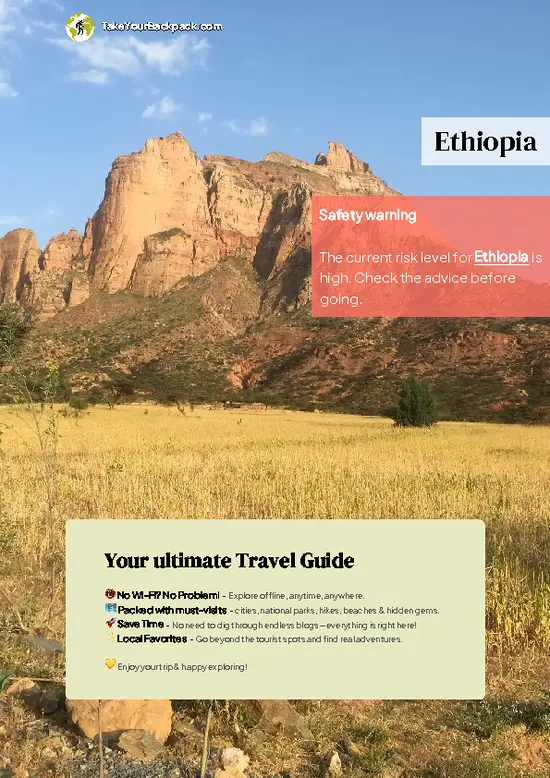
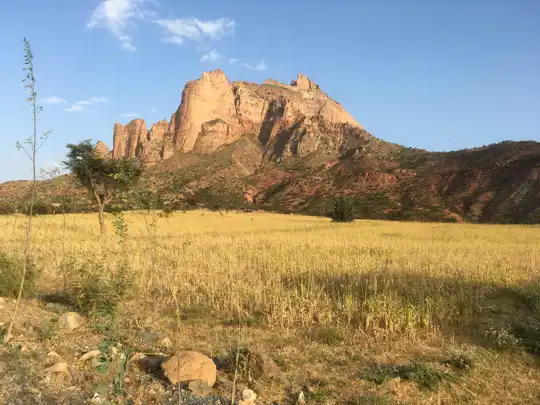
Your palms sting as you grip the thick, sun-bleached leather rope, toes scrabbling for purchase on the ancient rock face. The wind up here is sharp, carrying the scent of dust and frankincense. Above, a monk’s weathered hand reaches down, steady as the cliff itself. This is Debre Damo Monastery—perched on a flat-topped mountain in northern Tigray, Ethiopia, not far from the Eritrean border.

Let’s cut through the travel-poster nonsense: Debre Damo isn’t easy, cheap, or particularly welcoming to casual tourists. You don’t stroll in; you haul yourself up a vertical cliff, no harness, just faith and friction. Only men are allowed past the rope (a deal-breaker for many, and a real issue for inclusivity). But if you make the climb, you’re rewarded with a silence that feels ancient, a monastery that’s been here since the 6th century, and monks who live as if time stopped. No crowds, no souvenir stalls, just raw history and adrenaline. Compared to Lalibela’s polished spectacle, Debre Damo is rough, real, and—if you’re up for it—absolutely worth the sweat and scraped knuckles.

Discover everything you want to know in the 📖 Ethiopia Travel Guide.
Safety warning

The current risk level for Ethiopia is high. Check the advice before going.


Get your Ethiopia guide
101 ranked highlights, routes & tips, works offline (395 pages)
Loading the map 🌍
CLICK TO FILTER
cities
towns
landmarks
national parks
hikes
attractions
festivals
regions
SHOW COUNTRY’S BESTSHOW ALL

✨ Why go?
Ranked #9 attraction in Ethiopia
What sets this place apart

Debre Damo Monastery isn’t just another photo op on Ethiopia’s backpacker trail—it’s a full-throttle experience that demands respect and effort. First off, it’s one of the oldest monasteries in the country, dating back to the 6th century, which means you’re stepping into a living slice of history that’s been fiercely preserved by monks who still live by ancient traditions. The climb itself is no joke: you scale a sheer cliff using a rope, which is equal parts adrenaline rush and test of nerve. This isn’t a casual stroll; it’s a physical commitment that weeds out the faint-hearted and rewards you with a view and vibe that no bus tour can touch.

Crowds? Sure, they show up, but the monastery’s remote location and challenging access keep it from turning into a tourist circus. That means you get … read more 👉
Debre Damo Monastery isn’t just another photo op on Ethiopia’s backpacker trail—it’s a full-throttle experience that demands respect and effort. First off, it’s one of the oldest monasteries in the country, dating back to the 6th century, which means you’re stepping into a living slice of history that’s been fiercely preserved by monks who still live by ancient traditions. The climb itself is no joke: you scale a sheer cliff using a rope, which is equal parts adrenaline rush and test of nerve. This isn’t a casual stroll; it’s a physical commitment that weeds out the faint-hearted and rewards you with a view and vibe that no bus tour can touch.

Crowds? Sure, they show up, but the monastery’s remote location and challenging access keep it from turning into a tourist circus. That means you get to soak in the raw spiritual atmosphere, the intricate ancient manuscripts, and the unique architecture without feeling like you’re in a theme park. For backpackers threading through Ethiopia, Debre Damo is a milestone—a moment where history, culture, and adventure collide. It’s not just a stop; it’s a rite of passage that proves you’re serious about experiencing Ethiopia beyond the surface.
Want to include Debre Damo Monastery in your Ethiopia route?
Create a personalized Ethiopia itinerary that includes Debre Damo Monastery and the places that fit your trip — based on your travel style, budget, and available time. Get your route in seconds.

Generate my trip

💡 HighlightsThe experiences that define the visit

The Rope Ascent
Forget the Instagram shots of monks serenely gazing over the Tigrayan plateau. The real entrance to Debre Damo is a vertical cliff face, and the only way up is by hauling yourself 15 meters straight up on a thick leather rope. No stairs, no handrails, no gentle switchbacks. The monks lower the rope, you tie it around your waist, and then—unless you’re a woman (strictly men only, no exceptions)—you scramble up, sometimes with a monk’s help, sometimes with just your own grit. It’s not a gimmick. It’s a rite of passage that instantly strips away any illusions of this being a casual sightseeing stop. If you’re not sweating by the top, you’re not human.


The Ancient Aksumite Church
This isn’t just another old church. The main sanctuary at Debre Damo is one of the oldest standing churches … read more 👉
The Rope Ascent
Forget the Instagram shots of monks serenely gazing over the Tigrayan plateau. The real entrance to Debre Damo is a vertical cliff face, and the only way up is by hauling yourself 15 meters straight up on a thick leather rope. No stairs, no handrails, no gentle switchbacks. The monks lower the rope, you tie it around your waist, and then—unless you’re a woman (strictly men only, no exceptions)—you scramble up, sometimes with a monk’s help, sometimes with just your own grit. It’s not a gimmick. It’s a rite of passage that instantly strips away any illusions of this being a casual sightseeing stop. If you’re not sweating by the top, you’re not human.


The Ancient Aksumite Church
This isn’t just another old church. The main sanctuary at Debre Damo is one of the oldest standing churches in Africa, dating back to the 6th century. The architecture is pure Aksumite: thick stone walls, wooden beams that jut out like the bones of the mountain itself, and a roof that’s survived centuries of wind and siege. You can see the original woodwork—actual 1,500-year-old timber, not some “restored” modern copy. The place smells of incense and ancient dust. It’s a living relic, not a museum piece.


Monastic Manuscripts and Relics
If you’re lucky (and respectful), the monks might show you their collection of illuminated manuscripts. These aren’t behind glass; they’re kept in the same way they’ve been for centuries—wrapped in cloth, stacked in alcoves, and handled with reverence. Some are written in Ge’ez, the liturgical language of Ethiopia, with vivid colors that haven’t faded. Seeing these up close is a privilege, not a guarantee, and it’s a reminder that Debre Damo is a functioning monastery, not a tourist attraction.


The Plateau’s Isolation
Once you’re up, you’re on a flat-topped mountain with 360-degree views of the Tigrayan highlands. No roads, no souvenir stalls, no Wi-Fi. Just wind, sun, and the sound of chanting from the church. The isolation is total. You’re not just visiting a site; you’re stepping into a world that’s been cut off from the outside for centuries. This is the real magic: the sense of being somewhere utterly apart from the modern world. This is my personal favorite—there’s nothing like the silence up there.


The Monastic Community
The monks here aren’t actors. They live, pray, and work on this mountaintop, following routines that haven’t changed much since the 6th century. You’ll see them tending goats, copying manuscripts, or simply sitting in contemplation. If you’re respectful, you might get a nod or a brief conversation. The authenticity isn’t curated for visitors; it’s just life as it’s always been. That’s rarer than any artifact.


The Strict Gender Rule
This isn’t a highlight in the “fun” sense, but it’s essential context: women are not allowed to ascend the rope or visit the monastery. It’s non-negotiable, and it shapes everything about the experience. If you’re a man, you’ll feel the weight of that exclusivity. If you’re a woman, you’ll need to find meaning in the landscape and the stories, not the site itself. It’s blunt, it’s controversial, and it’s the reality.
Spotted a mistake or missing something? Contact us.

Things to do near Debre Damo Monastery

Ratings based on Tripadvisor reviews. When you book through this link, you support our work at no extra cost to you.

🌤️ When to go?Best time to visit Debre Damo Monastery


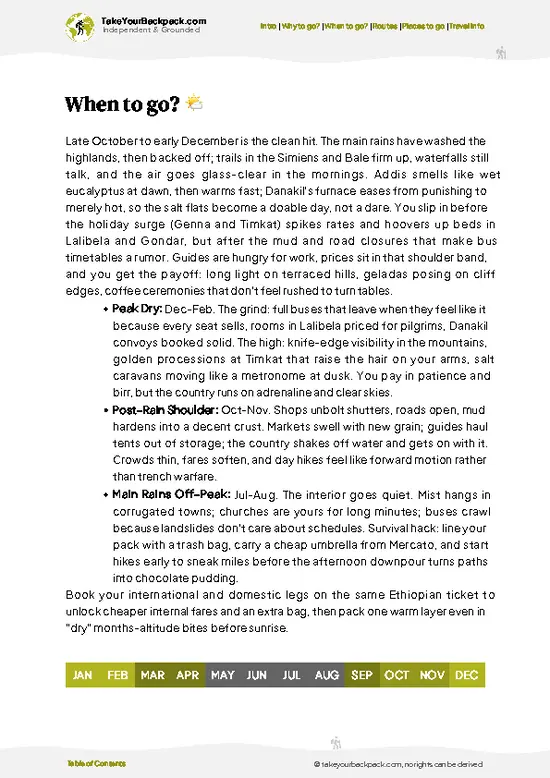
  • Weather: The best time to visit Debre Damo is during Ethiopia’s dry season, from October to March. Rainfall is minimal, making the steep climb to the monastery safer and the surrounding landscape less muddy. Avoid the heavy rains of June to September, which turn the path treacherous and can shut down access entirely.

  • Temperature: Daytime temperatures hover between 20°C and 25°C (68°F to 77°F) during the dry months, which is comfortable for hiking. Nights can dip to around 10°C (50°F), so pack layers. The wet season is cooler but damp, which can sap your energy.

  • Daylight Hours: Ethiopia sits near the equator, so daylight is fairly consistent year-round—about 12 hours daily. This means you don’t have to rush your visit based on daylight, but starting early is smart to avoid afternoon
read more 👉

  • Weather: The best time to visit Debre Damo is during Ethiopia’s dry season, from October to March. Rainfall is minimal, making the steep climb to the monastery safer and the surrounding landscape less muddy. Avoid the heavy rains of June to September, which turn the path treacherous and can shut down access entirely.

  • Temperature: Daytime temperatures hover between 20°C and 25°C (68°F to 77°F) during the dry months, which is comfortable for hiking. Nights can dip to around 10°C (50°F), so pack layers. The wet season is cooler but damp, which can sap your energy.

  • Daylight Hours: Ethiopia sits near the equator, so daylight is fairly consistent year-round—about 12 hours daily. This means you don’t have to rush your visit based on daylight, but starting early is smart to avoid afternoon heat and crowds.

  • Crowds: Debre Damo isn’t a tourist hotspot, but the dry season sees a steady trickle of local pilgrims and adventurous travelers. Visiting in the shoulder months of October-November or February-March means fewer people on the rope climb and a more personal experience.

  • Seasonal Activities: The Ethiopian Orthodox calendar influences visits. Major religious festivals like Timkat (January) bring pilgrims, adding spiritual energy but also crowds. If you want to witness authentic ceremonies without the crush, avoid peak festival dates.

  • Price Fluctuations: Costs for guides and transport remain relatively stable year-round, but expect slight hikes during festival seasons due to demand. Booking in the dry season outside major holidays can save you a few bucks and hassle.


Pro-tip: Aim for late November or early March—dry trails, manageable crowds, and a chance to soak in the monastery’s raw spiritual vibe without the tourist gloss.


source: climatestotravel.comJANJanuary: highly recommended for travelingFEBFebruary: excellent for travelingMARMarch: excellent for travelingAPRApril: highly recommended for travelingMAYMay: fair for travelingJUNJune: below average for travelingJULJuly: below average for travelingAUGAugust: below average for travelingSEPSeptember: fair for travelingOCTOctober: excellent for travelingNOVNovember: excellent for travelingDECDecember: highly recommended for traveling
ethiopia-attraction-debre-damo-monastery
© Google |

✈️ The backpacker research shortcutEthiopia Travel Guide

An offline-friendly backpacking guide with optimized travel routes, ranked highlights, transport advice, and the best areas to stay.
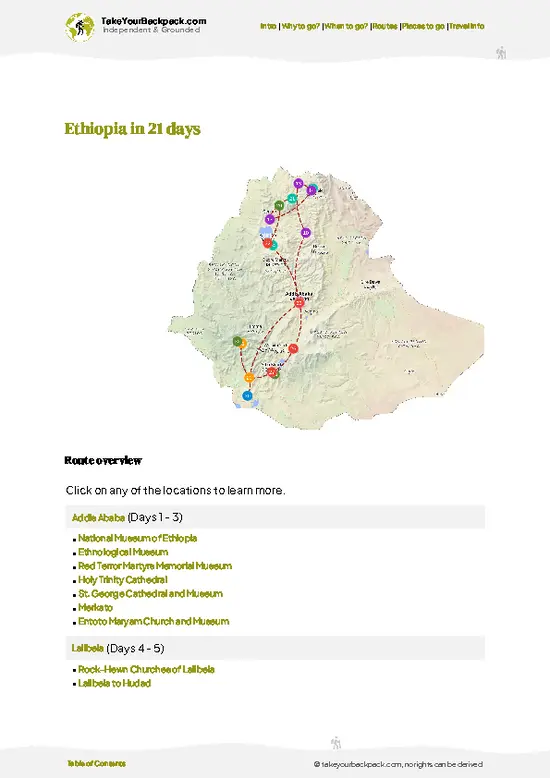
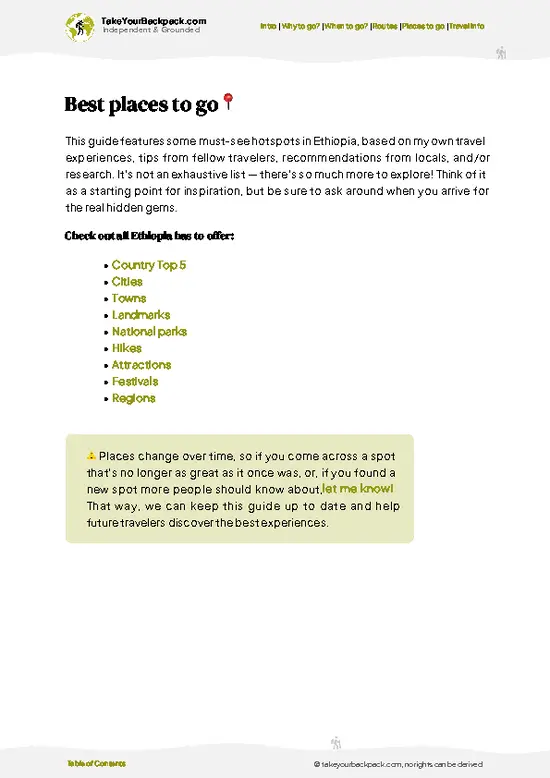
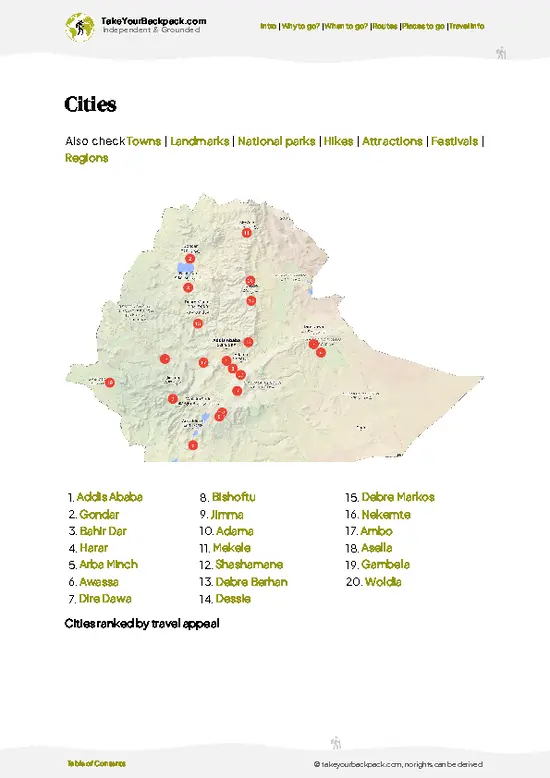
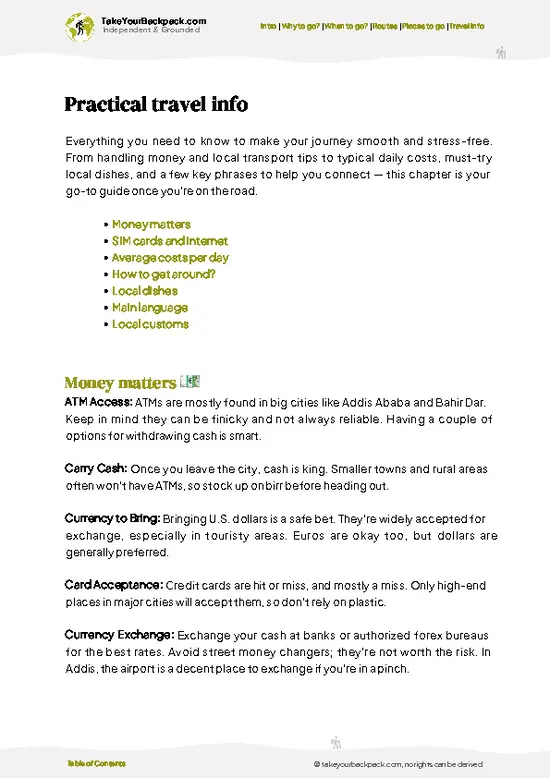
example page 0 from our offline Travel Guide for Ethiopia
example page 1 from our offline Travel Guide for Ethiopia
example page 2 from our offline Travel Guide for Ethiopia
example page 3 from our offline Travel Guide for Ethiopia
example page 4 from our offline Travel Guide for Ethiopia
example page 5 from our offline Travel Guide for Ethiopia
example page 6 from our offline Travel Guide for Ethiopia
example page 7 from our offline Travel Guide for Ethiopia
The digital guide (395 pages) contains:
101 highlights, ranked by travel appeal
Optimized 7, 14 & 21-day travel routes
Cities, national parks, landmarks, beaches
How to get around
Offline-friendly for travel without Wi-Fi
👉 Click to see all 30+ guide features

📅 Plan smarter in minutes, not weeks
Month by month travel advice
Festivals & national holidays
Budget expectations

🗺️ Go to the right places, skip the overrated ones
Honest pros & cons of destinations
Top hikes, parks & viewpoints
Lesser-known places most travelers miss
Clear “worth it vs skip it” guidance

🛏️ Travel smoothly without rookie mistakes
Best areas to stay
Transport systems explained simply
Common scams & safety advice
SIM cards, money & practical tips

🌍 Understand the country, not just visit it
Culture & traditions
52 Essential phrases & customs
Festivals worth planning around
Traveler-friendly historical context
Insights that make places more meaningful

📱 Built for real travel conditions
Fully downloadable PDF
Works completely offline
Optimized for phone use
Useful in remote areas & buses
Everything in one place
Save weeks of stressful planning
Get instant access to your full guide. 30‑day money-back guarantee.


By proceeding you agree to our terms.
Sent to your inbox immediately after payment • 100% Secure Checkout
Best Backpacking Travel Advisor 2025 tourism awardBest Backpacking
Travel Advisor
2025
What others say about Take Your Backpack Guides:
⭐⭐⭐⭐⭐
Fantastic, amazing amount of information!
⭐⭐⭐⭐⭐
My goodness this is amazing, it's what I've been looking for hats off too you!
⭐⭐⭐⭐⭐
I think this is absolutely BRILLIANT
⭐⭐⭐⭐
Very complete and informative. It's still missing places, but I gotta to commend you
⭐⭐⭐⭐⭐
This is truly amazing, thank you, can't wait to explore it with my kids!
⭐⭐⭐⭐⭐
Awesome resource, thank you!
⭐⭐⭐⭐⭐
This is amazing! Can't wait to explore the ones I haven't seen
⭐⭐⭐⭐
I love this! Well done, great idea.
⭐⭐⭐⭐⭐
Thanks for taking the time to make this gem!
⭐⭐⭐⭐⭐
This might be the best website I've ever seen.
⭐⭐⭐⭐⭐
Congratulations, and thank you so much for your work; it's incredibly valuable.
⭐⭐⭐⭐
In all seriousness I think you did a great job pointing out the important spots
⭐⭐⭐⭐⭐
10/10 very good
⭐⭐⭐⭐⭐
As someone who's only just starting to visit regularly this is awesome, thank you.
⭐⭐⭐⭐
Thank you very much! I'm going to visit my dad, it's going to be very useful!
⭐⭐⭐⭐⭐
This is really cool! We'll be travelling for the first time and this definitely come in handy.
⭐⭐⭐⭐⭐
You are now our minister of culture, congratulations 👨‍💼
⭐⭐⭐⭐⭐
Just wanted to tell you that this is a pearl! Going to follow your recommendations.
⭐⭐⭐⭐⭐
This is so cool. I'll definitely be using the resource for my travels soon.
⭐⭐⭐⭐⭐
This is very impressive! Good work.
⭐⭐⭐⭐⭐
This is an amazing and informative site. Very well done!

🛏️ Where to stay?How to pick the right area

Debre Damo Monastery is one of Ethiopia’s most iconic and remote sites, but let’s cut through the Instagram gloss: getting there is no casual day trip, and the area around it isn’t exactly a backpacker’s urban playground. The real challenge—and charm—is the journey itself. You won’t find a bustling backpacker hub right next door. Instead, your best bet is to base yourself in the nearby town of Mekele or the smaller settlement of Mai Tsebri. These places offer the safety and social vibe you need after a day of climbing the monastery’s infamous rope ladder.

Mekele is the regional capital and the … read more 👉
Debre Damo Monastery is one of Ethiopia’s most iconic and remote sites, but let’s cut through the Instagram gloss: getting there is no casual day trip, and the area around it isn’t exactly a backpacker’s urban playground. The real challenge—and charm—is the journey itself. You won’t find a bustling backpacker hub right next door. Instead, your best bet is to base yourself in the nearby town of Mekele or the smaller settlement of Mai Tsebri. These places offer the safety and social vibe you need after a day of climbing the monastery’s infamous rope ladder.

Mekele is the regional capital and the most practical launchpad. It’s where you’ll find guesthouses that cater to budget travelers, and enough fellow adventurers to swap stories with over injera and coffee. It’s not flashy, but it’s reliable, safe, and has the infrastructure to support your trip without breaking the bank. Mai Tsebri is quieter, more low-key, and closer to the monastery, but expect fewer amenities and a more local, less touristy atmosphere. It’s perfect if you want to immerse yourself in the regional culture and don’t mind roughing it a bit.

Both spots are social enough to meet other travelers but won’t overwhelm you with crowds or tourist traps. The real magic of Debre Damo isn’t in plush accommodations—it’s in the raw, rugged experience of reaching a place that feels suspended in time. Stay where you can recharge safely, then throw yourself into the climb and the stories that come with it.

👛 Costs (as of 10 June 2026)Typical daily expenses

As of the most recent estimates, the entrance fee for Debre Damo Monastery in Ethiopia ranges from €5 to €10. Additional costs may include transportation expenses due to its remote location and potential guide fees, which can vary depending on the services provided.

source: tourismtigrai.com
⚠️ Prices can change and everyone travels differently, so take this as a rough guide. Hope it helps you plan your adventure!

Other Ethiopian attractions near Debre Damo Monastery

Explore more nearby:


💡 Not sure where to go next?
Create a personalized itinerary for Ethiopia including Debre Damo Monastery and the places that fit your trip.

Generate my itinerary

👉 Discover all attractions

Or checkout all Ethiopia has to offer (think cities, towns, villages, national parks, hikes, beaches, festivals)
Country photo of Ethiopia

We 💚 feedbackFinal thoughts on visiting Debre Damo Monastery

Debre Damo isn’t your average tourist stop—it’s a raw, rugged climb that demands sweat and nerve, but rewards with a glimpse into a monastic world frozen in time. The rope ascent isn’t for the faint-hearted, and the strict male-only visitor rule can feel frustratingly exclusive. Still, if you’re after a place that shakes you out of comfort and drops you into history’s thick, this is it—no filters, no fluff, just pure, unvarnished Ethiopia.

✈️ When did I visit Ethiopia?
Ethiopia I visited back in October 2017. I combined the trip with a visit to Sudan. Ethiopia was a pure suprise with the magical scenery like the Danikal Depression and the Simien Mountains.

✍️ Help improve this page!
The information on this page is based on my own backpacking experience in Ethiopia, supplemented with up-to-date research and feedback from other travelers. Travel details can change, so if you notice anything outdated or incomplete, feel free to let me know.


🙋‍♂️ Give feedback

👋 Meet the founderWho’s Behind Take Your Backpack?

Johan, backpacker and founder of TakeYourBackpackHi, I’m Johan (Netherlands 🇳🇱), the creator of TakeYourBackpack. Over the past decade, I’ve backpacked through 80+ countries across six continents, gaining extensive experience with independent travel, long-term trips, and overland routes.

This site is built on a combination of firsthand travel experience and carefully curated insights from other backpackers. Many guides are based on places I’ve personally visited, while others bring together tips, observations, and practical advice shared by trusted travelers I’ve met along the way.

The goal is to provide realistic, experience-driven guidance — not generic itineraries — so you can explore destinations with better context, clearer expectations, and more confidence.

Get full Ethiopia guide •
Instant download • 101 highlights • Full Offline guide