×

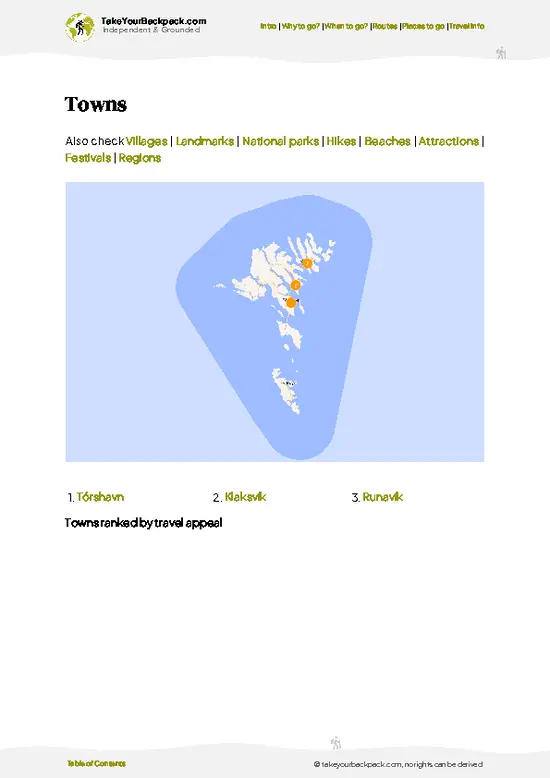
Faroe Islands🇫🇴 | townsRunavíkindustrial port, business center, lakeside walks | things to do and best time to go

Explore KlaksvíkExplore Tórshavn

Backpacking in Runavík
👌 Worth visitingtown ranked #3
By Johan Kruseman 🇳🇱 | Updated July 18, 2026

Most people only realize after they’ve left that Runavík is where the Faroes quietly “work” behind the scenes, which makes it one of the easiest places in the islands to actually live like you’re there, not just passing through. Runavík sits on the east side of Eysturoy, roughly opposite Tórshavn across the sound, a small town stretched along the water with low houses, a working harbor, and that constant mix of sea salt and diesel from fishing boats. For backpackers it’s more practical hub than postcard village: cheaper supermarkets than Tórshavn, decent bus links, and quick access to bigger-name spots like Gjógv, Funningur, and the new Eysturoy tunnel viewpoints. It’s quiet at night, with cafés more than bars, and you won’t trip over other backpackers, which is both the charm and the downside. Safe, walkable, a bit plain compared to Saksun or Gjógv, but a smart base if you care more about logistics than Instagram.

Discover everything you want to know in the 📖 Faroe Islands Travel Guide.
Loading the map 🌍
CLICK TO FILTER
towns
villages
landmarks
national parks
hikes
beaches
attractions
festivals
regions
SHOW COUNTRY’S BESTSHOW ALL

✨ Why go?
Ranked #3 town in Faroe Islands
What sets this place apart

Runavík is a backpacker’s hub in the Faroe Islands, perfectly positioned for those eager to explore the rugged beauty surrounding it. The town serves as a gateway to nearby hikes, like the stunning trails leading to the dramatic cliffs of Slættaratindur. You can easily spend a day trekking, then return to the cozy atmosphere of Runavík, where small-scale hostels and guesthouses offer a warm welcome.

The walkable streets are lined with local eateries serving fresh seafood, allowing you to savor the flavors of the islands without breaking the bank. The town has a friendly vibe, making it ideal for solo travelers or small groups looking to connect over shared adventures. While some backpackers might just pass through, many linger for a few days, soaking in the cultural experiences and the breathtaking … read more 👉
Runavík is a backpacker’s hub in the Faroe Islands, perfectly positioned for those eager to explore the rugged beauty surrounding it. The town serves as a gateway to nearby hikes, like the stunning trails leading to the dramatic cliffs of Slættaratindur. You can easily spend a day trekking, then return to the cozy atmosphere of Runavík, where small-scale hostels and guesthouses offer a warm welcome.

The walkable streets are lined with local eateries serving fresh seafood, allowing you to savor the flavors of the islands without breaking the bank. The town has a friendly vibe, making it ideal for solo travelers or small groups looking to connect over shared adventures. While some backpackers might just pass through, many linger for a few days, soaking in the cultural experiences and the breathtaking coastal views.

Runavík isn’t about nightlife; it’s about the slow travel experience, where you can recharge before heading to the next breathtaking destination. If you’re after a blend of nature and community, this town is a solid choice on your Faroe Islands journey.
Want to include Runavík in your Faroe Islands route?
Create a personalized Faroe Islands itinerary that includes Runavík and the places that fit your trip — based on your travel style, budget, and available time. Get your route in seconds.

Generate my trip

💡 HighlightsKey sights and experiences for travelers

  • Runavík Harbour and quayside — The working heart of the town: fishing boats, fish-processing activity, cranes and colourful quay buildings. Great for photography, people-watching, and getting a feel for everyday Faroese coastal life.
  • Runavík Church (Runavíkar kirkja) — The tidy white Faroese church perched above the town. Quiet interior, local gravestones and good views over the fjord make it a calming, culturally rooted stop.
  • Við Løkin — NSÍ Runavík football stadium — Home ground of the local top-flight club. Matchdays are the best way to experience local energy, and even on non-match days the stadium and clubhouse speak to the town’s community identity.
  • Sundini waterfront and shoreline walks — Short, accessible walks along the sound give sweeping views across the narrow fjord, good
read more 👉
  • Runavík Harbour and quayside — The working heart of the town: fishing boats, fish-processing activity, cranes and colourful quay buildings. Great for photography, people-watching, and getting a feel for everyday Faroese coastal life.
  • Runavík Church (Runavíkar kirkja) — The tidy white Faroese church perched above the town. Quiet interior, local gravestones and good views over the fjord make it a calming, culturally rooted stop.
  • Við Løkin — NSÍ Runavík football stadium — Home ground of the local top-flight club. Matchdays are the best way to experience local energy, and even on non-match days the stadium and clubhouse speak to the town’s community identity.
  • Sundini waterfront and shoreline walks — Short, accessible walks along the sound give sweeping views across the narrow fjord, good birdwatching, and easy photo spots of the boats and surrounding hills.
A few excellent day trips just outside Runavík are the dramatic Risin and Kellingin sea stacks at Eiði, the gorge village of Gjógv, and the historic village of Gøta — all easily reached from Runavík.
Spotted a mistake or missing something? Contact us.

Things to do near Runavík

Ratings based on Tripadvisor reviews. When you book through this link, you support our work at no extra cost to you.

🏘️ NeighborhoodsWhere things are and how it's laid out

Runavík, the vibrant heart of the Faroe Islands, offers a unique blend of coastal charm and rugged landscapes. Here’s how to navigate its neighborhoods for the best experience.

Runavík Center: This is where the action is. The vibe is lively, with local cafes and shops lining the streets. It’s walkable, making it easy to explore on foot. Prices here can be a bit higher, but the convenience of being close to transport links makes it worth it. Perfect for short stays, you can soak in the local culture without feeling rushed.

Gøtugøta: A quieter area, Gøtugøta is ideal if you’re looking for a peaceful retreat. The atmosphere is laid-back, with stunning views of the fjord. It’s less touristy, so you’ll find more affordable accommodations. While nightlife is minimal, the tranquility is perfect … read more 👉
Runavík, the vibrant heart of the Faroe Islands, offers a unique blend of coastal charm and rugged landscapes. Here’s how to navigate its neighborhoods for the best experience.

Runavík Center: This is where the action is. The vibe is lively, with local cafes and shops lining the streets. It’s walkable, making it easy to explore on foot. Prices here can be a bit higher, but the convenience of being close to transport links makes it worth it. Perfect for short stays, you can soak in the local culture without feeling rushed.

Gøtugøta: A quieter area, Gøtugøta is ideal if you’re looking for a peaceful retreat. The atmosphere is laid-back, with stunning views of the fjord. It’s less touristy, so you’ll find more affordable accommodations. While nightlife is minimal, the tranquility is perfect for longer stays where you can unwind and recharge.

Árnafjørður: This neighborhood offers a mix of both worlds. It’s slightly more residential, giving you a taste of local life. The walkability is decent, and you’ll find some hidden eateries that won’t break the bank. It’s suitable for both short and longer visits, especially if you want to experience the community vibe while still being close to the action.

Skálafjørður: A bit further out, Skálafjørður is for the adventurous. The transport access is good, but you’ll need to plan your trips. The scenery is breathtaking, and the area is quieter, making it perfect for those looking to escape the hustle. Ideal for longer stays, you can immerse yourself in nature and enjoy the solitude.

⌛️ 1 dayHow to make the most of one day

Runavík, the second-largest town in the Faroe Islands, is a vibrant blend of rugged coastal beauty and local charm. With its colorful houses lining the harbor and the backdrop of steep, green hills, it’s a place where the air is crisp, and the sea breeze carries the scent of salt and adventure.

Start your day with a stroll along the waterfront. The morning light dances on the water, and the sound of waves lapping against the docks sets a peaceful tone. Grab a coffee at Café Múlagljúvur, where the barista might share a local story or two. The pastries here are fresh, and the cinnamon rolls are a must-try.

After fueling up, head towards the nearby village of Norðragøta. It’s a short walk, and the path offers stunning views of the surrounding cliffs. This area is often overlooked by tourists, … read more 👉
Runavík, the second-largest town in the Faroe Islands, is a vibrant blend of rugged coastal beauty and local charm. With its colorful houses lining the harbor and the backdrop of steep, green hills, it’s a place where the air is crisp, and the sea breeze carries the scent of salt and adventure.

Start your day with a stroll along the waterfront. The morning light dances on the water, and the sound of waves lapping against the docks sets a peaceful tone. Grab a coffee at Café Múlagljúvur, where the barista might share a local story or two. The pastries here are fresh, and the cinnamon rolls are a must-try.

After fueling up, head towards the nearby village of Norðragøta. It’s a short walk, and the path offers stunning views of the surrounding cliffs. This area is often overlooked by tourists, but the quaint charm of the old wooden houses and the serene atmosphere make it worth the detour. Spend some time exploring the local art installations scattered throughout the village.

In the afternoon, return to Runavík and visit the local museum, where you can dive into the rich maritime history of the islands. The exhibits are engaging, and the staff is eager to share insights that bring the stories to life.

As evening approaches, wander to the harbor again. The light shifts, casting a golden hue over the water. Find a spot at the outdoor seating of Restaurant Ræst, where you can savor traditional Faroese dishes. The fermented lamb is a local specialty, and the flavors are as bold as the landscape.

End your day with a leisurely walk back through the town, taking in the quiet beauty of Runavík as the sun sets. The day may have been simple, but the connections made and the sights seen will linger long after you leave.
Turn your Runavík visit into an Faroe Islands adventure
Build a complete Faroe Islands route with Runavík, hidden gems, must-see destinations, and realistic travel times included.

Generate my trip

🌤️ When to go?When to go for the best experience


  • Weather: Runavík’s weather is famously unpredictable. Summer months (June to August) offer the mildest conditions, with temperatures hovering between 10°C and 15°C (50°F to 59°F). Expect frequent rain and wind, but these months bring the best chance for clear skies and manageable trails.

  • Temperature: Winters are cold and wet, averaging 2°C to 6°C (36°F to 43°F), often feeling colder due to wind chill. If you want to avoid frostbite and soggy gear, summer is your friend.

  • Daylight Hours: In summer, daylight stretches up to 20 hours, bathing the rugged landscape in a soft, lingering glow perfect for late hikes and photography. Winter days shrink to just 4-5 hours, limiting outdoor time and making navigation tougher.

  • Crowds: Runavík is quiet year-round, but summer sees a gentle uptick
read more 👉

  • Weather: Runavík’s weather is famously unpredictable. Summer months (June to August) offer the mildest conditions, with temperatures hovering between 10°C and 15°C (50°F to 59°F). Expect frequent rain and wind, but these months bring the best chance for clear skies and manageable trails.

  • Temperature: Winters are cold and wet, averaging 2°C to 6°C (36°F to 43°F), often feeling colder due to wind chill. If you want to avoid frostbite and soggy gear, summer is your friend.

  • Daylight Hours: In summer, daylight stretches up to 20 hours, bathing the rugged landscape in a soft, lingering glow perfect for late hikes and photography. Winter days shrink to just 4-5 hours, limiting outdoor time and making navigation tougher.

  • Crowds: Runavík is quiet year-round, but summer sees a gentle uptick in visitors. This means more open cafes and tours but still no crush of tourists—ideal for those who want company without losing solitude.

  • Seasonal Activities: Summer unlocks boat tours, birdwatching, and hiking festivals. Winter offers a raw, atmospheric experience with storm watching and Northern Lights, but many trails and services close.

  • Price Fluctuations: Accommodation and flights peak in summer, roughly 20-30% higher than off-season. Booking early can save you a chunk, but the trade-off is worth it for the extended daylight and accessible trails.


Pro-tip: Aim for late June or early July—when the light is endless, the weather is at its gentlest, and the town hums quietly with local life, giving you the best shot at Runavík’s rugged charm without the hassle.


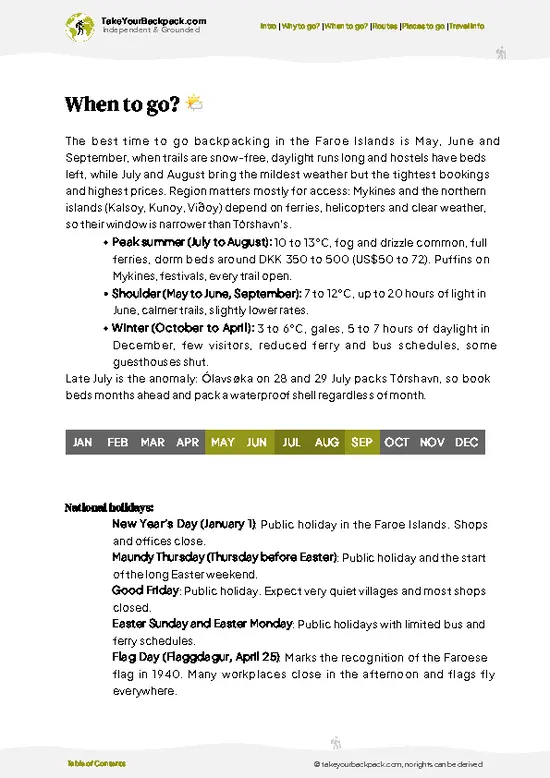
source: climatestotravel.comJANJanuary: below average for travelingFEBFebruary: below average for travelingMARMarch: fair for travelingAPRApril: fair for travelingMAYMay: good for travelingJUNJune: excellent for travelingJULJuly: excellent for travelingAUGAugust: highly recommended for travelingSEPSeptember: good for travelingOCTOctober: fair for travelingNOVNovember: below average for travelingDECDecember: below average for traveling
when-to-go

✈️ The backpacker research shortcutFaroe Islands Travel Guide

An offline-friendly backpacking guide with optimized travel routes, ranked highlights, transport advice, and the best areas to stay.
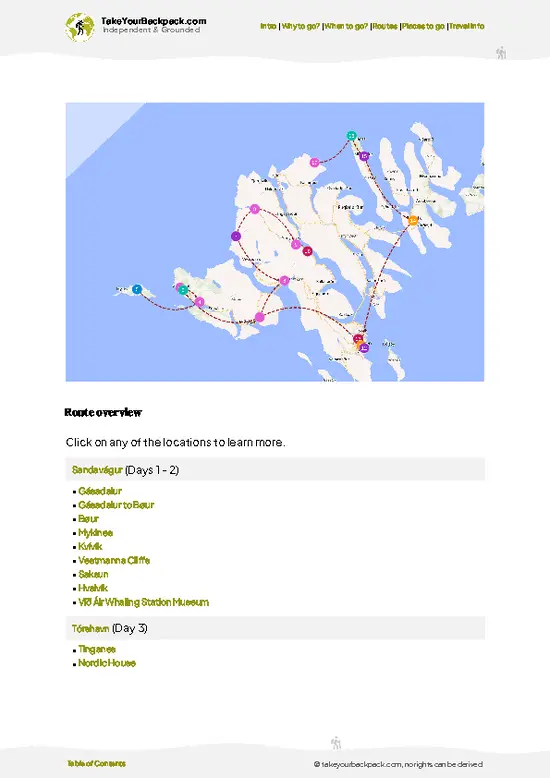
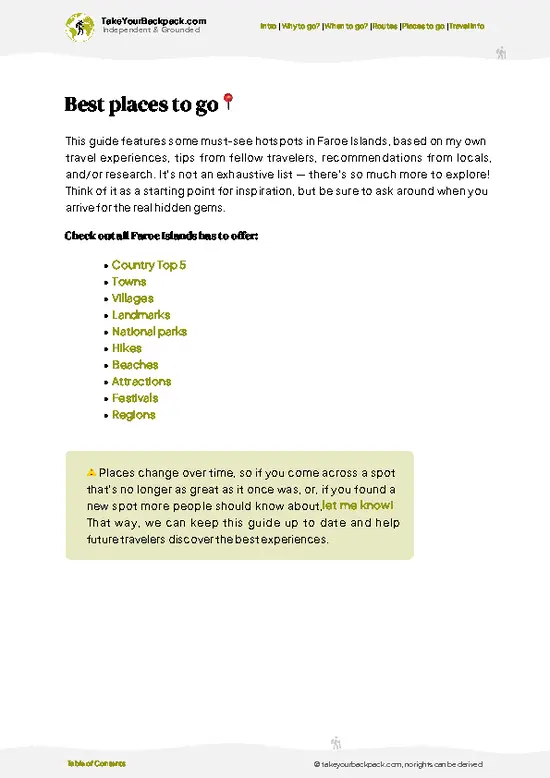
example page 0 from our offline Travel Guide for Faroe Islands
example page 1 from our offline Travel Guide for Faroe Islands
example page 2 from our offline Travel Guide for Faroe Islands
example page 3 from our offline Travel Guide for Faroe Islands
example page 4 from our offline Travel Guide for Faroe Islands
example page 5 from our offline Travel Guide for Faroe Islands
example page 6 from our offline Travel Guide for Faroe Islands
example page 7 from our offline Travel Guide for Faroe Islands
The digital guide (164 pages) contains:
40 highlights, ranked by travel appeal
Optimized 2, 3 & 5-day travel routes
Cities, national parks, landmarks, beaches
How to get around
Offline-friendly for travel without Wi-Fi
👉 Click to see all 30+ guide features

📅 Plan smarter in minutes, not weeks
Month by month travel advice
Festivals & national holidays
Budget expectations

🗺️ Go to the right places, skip the overrated ones
Honest pros & cons of destinations
Top hikes, parks & viewpoints
Lesser-known places most travelers miss
Clear “worth it vs skip it” guidance

🛏️ Travel smoothly without rookie mistakes
Best areas to stay
Transport systems explained simply
Common scams & safety advice
SIM cards, money & practical tips

🌍 Understand the country, not just visit it
Culture & traditions
52 Essential phrases & customs
Festivals worth planning around
Traveler-friendly historical context
Insights that make places more meaningful

📱 Built for real travel conditions
Fully downloadable PDF
Works completely offline
Optimized for phone use
Useful in remote areas & buses
Everything in one place
Save weeks of stressful planning
Get instant access to your full guide. 30‑day money-back guarantee.


By proceeding you agree to our terms.
Sent to your inbox immediately after payment • 100% Secure Checkout
Best Backpacking Travel Advisor 2025 tourism awardBest Backpacking
Travel Advisor
2025
What others say about Take Your Backpack Guides:
⭐⭐⭐⭐⭐
Fantastic, amazing amount of information!
⭐⭐⭐⭐⭐
My goodness this is amazing, it's what I've been looking for hats off too you!
⭐⭐⭐⭐⭐
I think this is absolutely BRILLIANT
⭐⭐⭐⭐
Very complete and informative. It's still missing places, but I gotta to commend you
⭐⭐⭐⭐⭐
This is truly amazing, thank you, can't wait to explore it with my kids!
⭐⭐⭐⭐⭐
Awesome resource, thank you!
⭐⭐⭐⭐⭐
This is amazing! Can't wait to explore the ones I haven't seen
⭐⭐⭐⭐
I love this! Well done, great idea.
⭐⭐⭐⭐⭐
Thanks for taking the time to make this gem!
⭐⭐⭐⭐⭐
This might be the best website I've ever seen.
⭐⭐⭐⭐⭐
Congratulations, and thank you so much for your work; it's incredibly valuable.
⭐⭐⭐⭐
In all seriousness I think you did a great job pointing out the important spots
⭐⭐⭐⭐⭐
10/10 very good
⭐⭐⭐⭐⭐
As someone who's only just starting to visit regularly this is awesome, thank you.
⭐⭐⭐⭐
Thank you very much! I'm going to visit my dad, it's going to be very useful!
⭐⭐⭐⭐⭐
This is really cool! We'll be travelling for the first time and this definitely come in handy.
⭐⭐⭐⭐⭐
You are now our minister of culture, congratulations 👨‍💼
⭐⭐⭐⭐⭐
Just wanted to tell you that this is a pearl! Going to follow your recommendations.
⭐⭐⭐⭐⭐
This is so cool. I'll definitely be using the resource for my travels soon.
⭐⭐⭐⭐⭐
This is very impressive! Good work.
⭐⭐⭐⭐⭐
This is an amazing and informative site. Very well done!

🛏️ Where to stay?How to pick the right area

Runavík’s charm is tucked into its compact harbor area, where the pulse of daily life hums strongest. For backpackers, this waterfront neighborhood is the sweet spot—safe, lively, and easy to navigate on foot. The scent of saltwater mingles with fresh bread from local bakeries, and the light here shifts quickly, casting long shadows over the fishing boats that bob gently in the fjord. Staying close to the harbor means you’re steps away from small cafes and communal spaces where solo travelers naturally strike up conversations over strong coffee or a local beer.

Compared to the quieter residential … read more 👉
Runavík’s charm is tucked into its compact harbor area, where the pulse of daily life hums strongest. For backpackers, this waterfront neighborhood is the sweet spot—safe, lively, and easy to navigate on foot. The scent of saltwater mingles with fresh bread from local bakeries, and the light here shifts quickly, casting long shadows over the fishing boats that bob gently in the fjord. Staying close to the harbor means you’re steps away from small cafes and communal spaces where solo travelers naturally strike up conversations over strong coffee or a local beer.

Compared to the quieter residential outskirts, this central zone offers a social vibe without the noise of a big city. Hostels and guesthouses cluster here, catering to budget travelers who want to connect without sacrificing comfort. The streets are narrow but well-lit, and the rhythm of the town feels intimate, like a small village where everyone knows your name—or will soon enough.

If you venture beyond this core, you’ll find more solitude but less buzz. For a backpacker, that means missing out on the spontaneous meetups and easy access to local life. So, anchor yourself near the harbor: it’s where Runavík’s soul is most accessible, and where your trip feels like a shared adventure rather than a solo trek.

🚌 Getting aroundMoving around without the hassle

Runavík moves at a pace that feels like the tide itself—steady, deliberate, and shaped by the rhythms of the sea and sky. It’s not a place where you’ll find the frantic rush of a city, nor the chaos of a tourist hotspot. Instead, the town’s flow is a blend of quiet mornings with the scent of salt and diesel from fishing boats, afternoons punctuated by the low hum of engines starting up, and evenings where the light softens over the harbor, inviting you to slow down and take it all in. This is a town where timing matters, but it’s less about strict schedules and more about catching the right moment—whether that’s a bus, a ferry, or a walk along the waterfront.


  • Walking: The heart of Runavík is compact and best explored on foot. The town’s layout is straightforward, with the harbor, shops,
read more 👉
Runavík moves at a pace that feels like the tide itself—steady, deliberate, and shaped by the rhythms of the sea and sky. It’s not a place where you’ll find the frantic rush of a city, nor the chaos of a tourist hotspot. Instead, the town’s flow is a blend of quiet mornings with the scent of salt and diesel from fishing boats, afternoons punctuated by the low hum of engines starting up, and evenings where the light softens over the harbor, inviting you to slow down and take it all in. This is a town where timing matters, but it’s less about strict schedules and more about catching the right moment—whether that’s a bus, a ferry, or a walk along the waterfront.


  • Walking: The heart of Runavík is compact and best explored on foot. The town’s layout is straightforward, with the harbor, shops, and eateries all within a 15-20 minute stroll. Walking lets you soak in the salty air, hear the creak of boats, and spot local life unfolding in real time—plus, it’s free and flexible.


  • Local Bus: The bus service here is modest but reliable, running roughly from 7:00 AM to 7:00 PM. Tickets cost around 30 DKK, and the buses connect Runavík with nearby villages and the larger town of Klaksvík. It’s a slow but steady way to cover ground without the hassle of renting a car, and the windows frame the rugged coastline like a moving postcard.


  • Ferry to Eysturoy: For a budget traveler, the ferry is a must-use transit option. It runs several times a day, with departures typically starting early morning and ending by early evening. The fare is about 50 DKK, and the ride offers a chance to breathe in the sharp, briny air while watching cliffs and seabirds slip past. It’s faster than the bus for reaching some spots and a scenic alternative to road travel.


  • Car Rental: While pricier, renting a car unlocks the full freedom of the Faroe Islands’ rugged interior. Expect to pay around 600-800 DKK per day. The roads are narrow and winding, so driving here demands focus, but it rewards with access to hidden fjords and mountain trails that public transit can’t reach. If you’re chasing those panoramic views, this is your best bet.


  • Bicycle: For the adventurous and fit, renting a bike is a quiet, immersive way to explore. The terrain is hilly, so be ready for some serious leg work. Rentals cost about 150 DKK per day. Cycling lets you pause wherever you want—on a bluff overlooking the ocean or beside a bubbling stream—making the journey as rich as the destination.

👛 Costs (as of 17 February 2025)What things cost and how to budget

Backpacking in Runavík, Faroe Islands, demands a bit of financial planning, but knowing where your money goes helps you stretch every króna without missing out on the island’s rugged charm.
  • Dorm Accommodation: Expect to pay around €40 to €60 per night for a bed in a shared hostel or guesthouse dorm. Options are limited, so booking ahead is smart. The rooms are simple, often with that fresh, salty air sneaking in through a window, reminding you you’re on an island where nature rules.
  • Meals: Food here leans toward the pricey side. Budget about €15 to €25 per day if you stick to groceries and simple meals—think fresh bread, local cheese, and smoked fish from the market. Eating out pushes the cost up quickly; a casual meal at a café or small restaurant can run €20 to €35, thanks to import costs
read more 👉
Backpacking in Runavík, Faroe Islands, demands a bit of financial planning, but knowing where your money goes helps you stretch every króna without missing out on the island’s rugged charm.
  • Dorm Accommodation: Expect to pay around €40 to €60 per night for a bed in a shared hostel or guesthouse dorm. Options are limited, so booking ahead is smart. The rooms are simple, often with that fresh, salty air sneaking in through a window, reminding you you’re on an island where nature rules.
  • Meals: Food here leans toward the pricey side. Budget about €15 to €25 per day if you stick to groceries and simple meals—think fresh bread, local cheese, and smoked fish from the market. Eating out pushes the cost up quickly; a casual meal at a café or small restaurant can run €20 to €35, thanks to import costs and the island’s remote location.
  • Local Transport: Public buses connect Runavík with other towns, and a day pass costs roughly €5 to €7. If you’re hopping between villages or hiking trailheads, this is your best bet. Taxis exist but are expensive, so reserve them for late nights or when you’re hauling heavy gear.
  • Basic Activities/Entry Fees: Most hiking trails and natural sights around Runavík are free, which is a huge plus. If you want to visit museums or cultural centers, budget about €5 to €10 per entry. Guided tours or boat trips, which offer a deeper dive into the islands’ geology and wildlife, start around €50 but are worth it if your budget allows.
  • Miscellaneous Expenses: Factor in about €5 to €10 daily for essentials like bottled water, snacks, or a coffee. Internet access can be patchy, so a local SIM card with data costs about €15 for a decent package, which might last several days.

Runavík’s daily costs for a backpacker hover between €80 and €130, depending on how much you lean into local eats and extras like tours. It’s not a budget bargain, but with careful choices, you get a raw, authentic slice of the Faroe Islands without breaking the bank.


source: visitfaroeislands.com
⚠️ Prices can change and everyone travels differently, so take this as a rough guide. Hope it helps you plan your adventure!

🚌 Day tripsEasy escapes and nearby places

Runavík, with its colorful houses and the scent of the sea, is an ideal base for exploring the Faroe Islands. From here, you can dive into some truly rewarding day trips that capture the essence of this rugged paradise.

Mykines Island
This trip is a must for bird lovers. A ferry ride from Runavík takes about 45 minutes, and you’ll be greeted by puffins and guillemots nesting along the cliffs. The island’s trails are well-marked, leading you through lush green hills and past stunning ocean views. Bring a packed lunch to enjoy while soaking in the atmosphere. The round-trip ferry costs around 200 DKK, and the best time to visit is late spring to early summer when the birds are most active. A common mistake? Underestimating the weather; it can change quickly, so layers are essential.


Gjógvread more 👉
Runavík, with its colorful houses and the scent of the sea, is an ideal base for exploring the Faroe Islands. From here, you can dive into some truly rewarding day trips that capture the essence of this rugged paradise.

Mykines Island
This trip is a must for bird lovers. A ferry ride from Runavík takes about 45 minutes, and you’ll be greeted by puffins and guillemots nesting along the cliffs. The island’s trails are well-marked, leading you through lush green hills and past stunning ocean views. Bring a packed lunch to enjoy while soaking in the atmosphere. The round-trip ferry costs around 200 DKK, and the best time to visit is late spring to early summer when the birds are most active. A common mistake? Underestimating the weather; it can change quickly, so layers are essential.


Gjógv
Just a 40-minute drive from Runavík, Gjógv is a picturesque village with a natural harbor. The hike from the village to the cliffs is a treat, offering panoramic views of the ocean and surrounding landscapes. The trail is relatively easy, taking about an hour round trip. Expect to spend around 50 DKK for snacks at the local café. Late spring and early autumn are ideal for fewer crowds and vibrant scenery. Many first-timers miss the chance to explore the village itself, which has charming houses and a laid-back vibe.
👉 Explore Gjógv

Fossá Waterfall
A short drive of about 30 minutes will take you to Fossá, the tallest waterfall in the Faroe Islands. The sound of rushing water fills the air as you approach, and the sight of it cascading down the cliffs is breathtaking. The hike to the viewpoint is straightforward and takes about 30 minutes. You can do this trip for free, aside from the cost of getting there. Spring and early summer are perfect for seeing the waterfall at its fullest. A common oversight is not bringing a camera; you’ll want to capture this stunning sight.
👉 Explore Fossá Waterfall

Slættaratindur
For those craving a challenge, Slættaratindur, the highest peak in the Faroe Islands, is about an hour’s drive from Runavík. The hike is steep but rewarding, taking around 4-5 hours round trip. The views from the top are worth every step, with sweeping vistas of the islands. Expect to spend around 50 DKK on snacks or drinks at the trailhead. Late spring to early autumn is best for clear skies. Many underestimate the hike’s difficulty; be prepared with proper footwear and plenty of water.
👉 Explore Slættaratindur
Want to know what more Faroe Islands offers?
The Faroe Islands Travel Guide describes 40 highlights, from cities to national parks, from beaches to hikes

Get the Travel Guide -

🛡️ SafetyTraveler Safety Guide

Runavík is generally safe, but a few practical tips can enhance your experience. The town’s small size means you can easily navigate, but keep an eye on your belongings in crowded spots, especially near popular cafes or during local events.

If you’re solo, the evenings can feel quiet. Stick to well-lit areas and don’t hesitate to chat with locals; they’re friendly and often willing to share insights.

While scams are rare, be cautious with any unsolicited offers, particularly around tourist hotspots. If someone approaches you with a deal that seems too good to be true, trust your instincts.

Annoyances can include unpredictable weather—be prepared for sudden changes. A light rain jacket can save the day. Embrace the elements; they add character to your adventure. Carry yourself with confidence, … read more 👉
Runavík is generally safe, but a few practical tips can enhance your experience. The town’s small size means you can easily navigate, but keep an eye on your belongings in crowded spots, especially near popular cafes or during local events.

If you’re solo, the evenings can feel quiet. Stick to well-lit areas and don’t hesitate to chat with locals; they’re friendly and often willing to share insights.

While scams are rare, be cautious with any unsolicited offers, particularly around tourist hotspots. If someone approaches you with a deal that seems too good to be true, trust your instincts.

Annoyances can include unpredictable weather—be prepared for sudden changes. A light rain jacket can save the day. Embrace the elements; they add character to your adventure. Carry yourself with confidence, and you’ll blend right in, enjoying the authentic charm of this picturesque town.

Other Faroese towns near Runavík

Explore more nearby:

  • Tórshavn—government quarter, grass-roofed houses, harborfront| 11 km away
  • Klaksvík—harbor views, fishing fleet, mountain backdrop| 15 km away

💡 Not sure where to go next?
Create a personalized itinerary for Faroe Islands including Runavík and the places that fit your trip.

Generate my itinerary

👉 Discover all towns

Or checkout all Faroe Islands has to offer (think cities, towns, villages, national parks, hikes, beaches, festivals)
Country photo of Faroe Islands

We 💚 feedbackSumming up the experience

Runavík has this cozy, unpretentious vibe that feels like a warm hug after a long hike. The best surprise? The local fish market—fresh catch, friendly banter, and the scent of the ocean wafting through the air. Grab a bite there; it’s a slice of authentic life. Just a heads up: the weather can turn on a dime. Pack layers and be ready for anything. Embrace the unpredictability; it’s part of the charm. You’ll leave with stories that linger long after you’ve gone.

✍️ Help improve this page!
The information on this page is based on in-depth research, insights shared by experienced travelers, and feedback from the local travel community in Faroe Islands. While every effort is made to keep the information accurate and current, conditions can change — so if you spot anything incorrect or outdated, please get in touch.


🙋‍♂️ Give feedback

👋 Meet the founderWho’s Behind Take Your Backpack?

Johan, backpacker and founder of TakeYourBackpackHi, I’m Johan (Netherlands 🇳🇱), the creator of TakeYourBackpack. Over the past decade, I’ve backpacked through 80+ countries across six continents, gaining extensive experience with independent travel, long-term trips, and overland routes.

This site is built on a combination of firsthand travel experience and carefully curated insights from other backpackers. Many guides are based on places I’ve personally visited, while others bring together tips, observations, and practical advice shared by trusted travelers I’ve met along the way.

The goal is to provide realistic, experience-driven guidance — not generic itineraries — so you can explore destinations with better context, clearer expectations, and more confidence.

Get full country guide •
Instant download • 40 highlights • Full Offline guide