
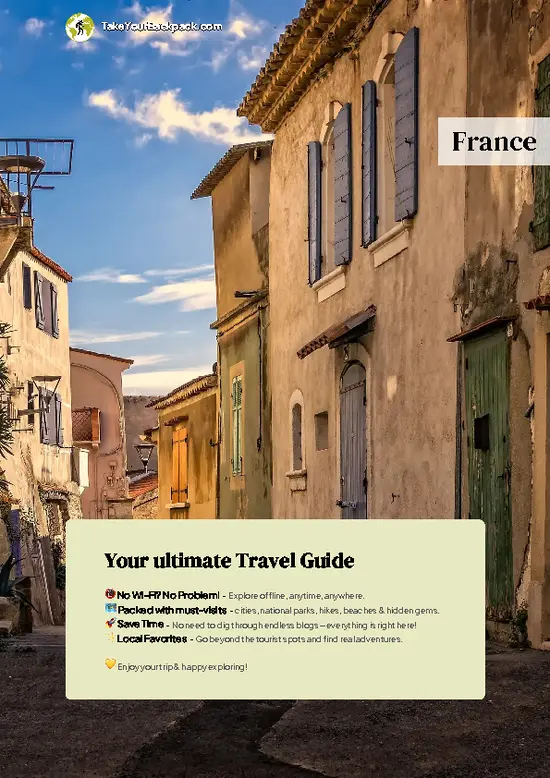




- Abbey of Baume-les-Messieurs (Abbaye Saint-Pierre) — The real heart of the village: a former Benedictine abbey with long, layered history, striking Romanesque architecture and a calm, monastic atmosphere that still feels lived-in when you visit the church and cloister.
- The Abbey Cloister — A compact, beautifully proportioned courtyard with carved capitals and mellow stone; great for a quiet pause, photos, and to appreciate medieval craftsmanship up close.
- Romanesque frescoes in the abbey church — Look for surviving painted panels and decorative stonework in the choir and nave—small, rare details that reward a slow look and give real sense of the place’s age.
- Grottes de Baume (the show caves) — A guided walk through caverns, stalactites and an underground river; dramatic, accessible and
- Abbey of Baume-les-Messieurs (Abbaye Saint-Pierre) — The real heart of the village: a former Benedictine abbey with long, layered history, striking Romanesque architecture and a calm, monastic atmosphere that still feels lived-in when you visit the church and cloister.
- The Abbey Cloister — A compact, beautifully proportioned courtyard with carved capitals and mellow stone; great for a quiet pause, photos, and to appreciate medieval craftsmanship up close.
- Romanesque frescoes in the abbey church — Look for surviving painted panels and decorative stonework in the choir and nave—small, rare details that reward a slow look and give real sense of the place’s age.
- Grottes de Baume (the show caves) — A guided walk through caverns, stalactites and an underground river; dramatic, accessible and the reason the Dard springs to life here.
- Source (emergence) of the Dard — Where the river bursts out of the rock just below the caves, forming a little cascade and pool; easy to reach and surprisingly photogenic after rain.
- Reculée de Baume (the limestone valley) — The narrow “reculée” is the landscape’s signature: towering cliffs, folded rock and quiet woodland trails that make even a short walk feel wild and remote.
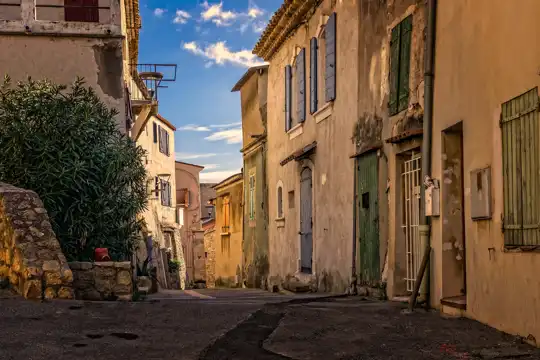
- Village streets and traditional Jura houses — Stone facades, old timber beams and tiny lanes; wandering these streets is one of the best ways to feel the local rhythm and spot hidden details (doors, wells, little alcoves).
- Old mills and small bridges along the Dard — Several historic mill buildings and charming little bridges line the stream; they’re easy to reach on foot and give a strong sense of how the valley lived off its water power.
- Short hikes to nearby viewpoints — There are a few short, well-marked paths up the slopes that reward you with sweeping views of the village sitting under the cliffs—perfect for late-day light or a quick panorama without committing to a long trek.
- Local artisan shops and tasting stops — Small village businesses (boulangeries, a fromagerie, and a couple of local wine vendors in season) let you try Jura staples—Comté, vin jaune/rouge—without leaving the lanes.
Spotted a mistake or missing something? Contact us.

Besancon Private Walking Tour With A Professional Guide

Unusual track game on Christmas markets in Montbéliard

Private Sightseeing Flight above the Doubs

Besançon Audio guided walking tour 2h10 and 25 audio commentary

Tour guide in Besançon - Visit Besançon with your official guide


 Best Backpacking
 Hi, I’m Johan (Netherlands 🇳🇱), the creator of TakeYourBackpack. Over the past 3 decades, I’ve backpacked through 90+ countries across six continents, gaining extensive experience with independent travel, long-term trips, and overland routes.