v2.webp)
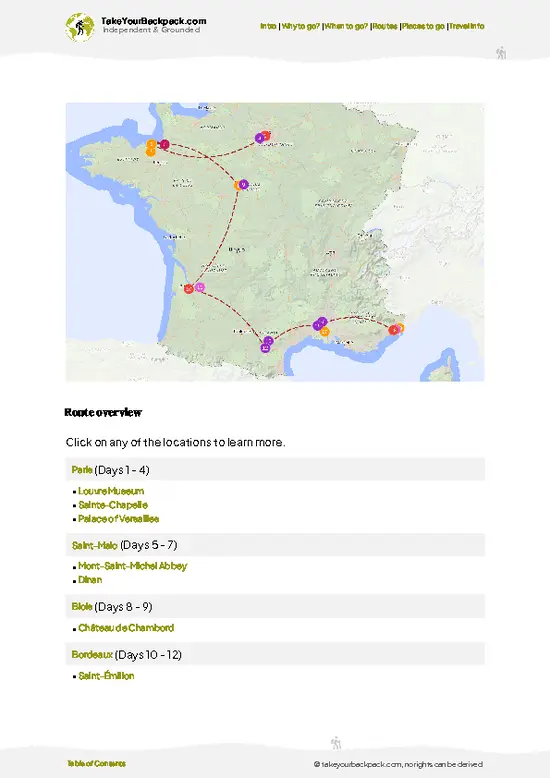
- Château de Gordes — The obvious one: a dramatic stone castle built into the village crest with museum rooms, rotating art shows and one of the best vantage points to take in the Luberon. Walk the ramparts, poke into the exhibitions and then sit on the terrace for the light on the valley.
- Abbaye Notre-Dame de Sénanque — A 12th-century Cistercian abbey tucked in a lavender valley (a short walk down from the village). The cloister and simple architecture are very grounding; in summer the lavender fields make the whole place feel cinematic—check visiting hours before you go.
- Village des Bories — An open-air museum of the dry-stone huts unique to this region. It’s a neat, oddly ancient landscape you can walk through and read about how people lived here—great for photos and to see traditional
- Château de Gordes — The obvious one: a dramatic stone castle built into the village crest with museum rooms, rotating art shows and one of the best vantage points to take in the Luberon. Walk the ramparts, poke into the exhibitions and then sit on the terrace for the light on the valley.
- Abbaye Notre-Dame de Sénanque — A 12th-century Cistercian abbey tucked in a lavender valley (a short walk down from the village). The cloister and simple architecture are very grounding; in summer the lavender fields make the whole place feel cinematic—check visiting hours before you go.
- Village des Bories — An open-air museum of the dry-stone huts unique to this region. It’s a neat, oddly ancient landscape you can walk through and read about how people lived here—great for photos and to see traditional Provence craftsmanship in situ.
- The cobbled streets and stone houses (the village core) — Gordes’ real charm is in wandering: calades (pebble-set streets), hidden arches, little courtyards and craft shops. No single building—just a sequence of living architecture that tells the village’s story.
- Place du Château and the weekly market — The square beneath the castle livens up on market day (usually Tuesdays) with stalls selling produce, olives, soaps and textiles. It’s the best low-effort way to taste local life and buy honest Provencal food without the tourist gloss.
- Panoramic viewpoints (belvédères) — Scattered terraces and lookout points around the village give postcard views over the Luberon, olive groves and Sénanque valley. Early morning or late afternoon light is magic—bring a jacket; winds pick up up there.
- The parish church and small chapels — The village church and nearby chapels carry centuries of local history in their stones, altarpieces and grave markers. They’re quiet, compact, and a good counterpoint to the lively village lanes.
- Traditional lavoirs and fountains — Mossy stone washhouses and fountains sit tucked into corners of the village. Small, easy to miss, but they reveal everyday life from earlier centuries and make for pleasant, reflective stops between cafés.
- Local art galleries and ateliers — Gordes has long attracted painters and sculptors; pop into the tiny galleries and studios to see contemporary takes on Provençal light and landscape. You’ll meet artists, see originals (not just prints), and often watch work in progress.
- Walking routes that start from the village — Short hikes and loops connect Gordes to Sénanque, the bories, and nearby ridgelines. They’re doable without a car, offer changing perspectives of the village, and are a practical way to experience the landscape rather than just photograph it.
Spotted a mistake or missing something? Contact us.

Carriage rides in the heart of the Luberon

Aix-en-Provence, Cassis, Marseille

4—Hour Private Chauffeur Service in Provence

Private Provence Olive Oil & Wine Tasting + Vinaigrette Workshop

Kid Friendly Provence Ice Cream and Olive Oil Tasting Experience

PRIVATE Provence Cooking Class with Michelin Star Trained Chef

Driver service


 Best Backpacking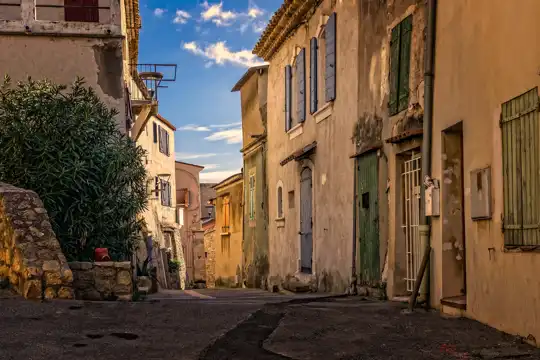
.jpg) Hi, I’m Johan (Netherlands 🇳🇱), the creator of TakeYourBackpack. Over the past 3 decades, I’ve backpacked through 90+ countries across six continents, gaining extensive experience with independent travel, long-term trips, and overland routes.
Hi, I’m Johan (Netherlands 🇳🇱), the creator of TakeYourBackpack. Over the past 3 decades, I’ve backpacked through 90+ countries across six continents, gaining extensive experience with independent travel, long-term trips, and overland routes.