v2.webp)
- Cathédrale Sainte-Marie (Bayonne Cathedral) and its cloister — A soaring Gothic cathedral at the heart of town; the cloister is unexpectedly tranquil and full of carved stone details that tell the medieval story of Bayonne better than any plaque.
- Musée Basque et de l’Histoire de Bayonne — Small but superb: ethnography, traditional Basque costumes, and local history housed in old merchant houses. You really feel the living Basque culture here, not just artifacts in glass cases.
- Musée Bonnat-Helleu — One of France’s finer provincial fine-arts collections (drawings, Old Masters, 19th-century paintings). It’s compact enough to enjoy properly without museum fatigue, which is a rare gift.
- Les Halles de Bayonne (the covered market) — The social and culinary pulse of the city: Jambon de Bayonne,
- Cathédrale Sainte-Marie (Bayonne Cathedral) and its cloister — A soaring Gothic cathedral at the heart of town; the cloister is unexpectedly tranquil and full of carved stone details that tell the medieval story of Bayonne better than any plaque.
- Musée Basque et de l’Histoire de Bayonne — Small but superb: ethnography, traditional Basque costumes, and local history housed in old merchant houses. You really feel the living Basque culture here, not just artifacts in glass cases.
- Musée Bonnat-Helleu — One of France’s finer provincial fine-arts collections (drawings, Old Masters, 19th-century paintings). It’s compact enough to enjoy properly without museum fatigue, which is a rare gift.
- Les Halles de Bayonne (the covered market) — The social and culinary pulse of the city: Jambon de Bayonne, oysters, cheeses, and local pastries. Perfect for a cheap, delicious file-rouge through local flavors and gossip from stallholders.
- Vieux Bayonne (Old Town) walking circuit — Narrow lanes, half-timbered houses, and painted shutters — this is where the city’s character lives. Wander without a plan and let the riverside cafes and hidden squares do the rest.
- Château-Vieux and the medieval ramparts — The old castle keep and adjoining fortifications give you a literal sense of Bayonne’s strategic past on the rivers. Great for photography and imagining the town’s medieval pressures and defenses.
- Quais de la Nive (the Nive river quays) — Lively, photogenic riverside with cafes, fishermen, and those classic red-and-white Basque facades. Sit, watch the boats, and feel how the Nive shaped the city’s life.
- Église Saint-Esprit (Saint-Esprit Church) and the Saint-Esprit quarter — A neighborhood with working-class Basque soul: the church is the anchor, and the surrounding streets have authentic markets, small shops, and a very local vibe away from tourist hotspots.
- Maison Pariès (historic chocolatier) — Bayonne takes chocolate seriously and Pariès is part of that story: old recipes, rich petits gâteaux, and often tastings or demonstrations if you time it right. A tasty, cultural stop.
- Basque pelota frontons (watch a game if you can) — Seeing or hearing a fronton match is an instant cultural lesson: fast, physical, and utterly Basque. Even if you just sit at a nearby cafe and watch players warm up, it’s worth it.
Spotted a mistake or missing something? Contact us.

Pierre IBAIALDE: Guided Tour Ham Workshop, tasting

Bayonne Food Tour: Journey Through Flavors (with food and drinks)

Unusual and ecological ride on a Segway and electric bike in Bayonne

Electric Scooter Excursion with Tapas Aperitif

Bayonne Walking Tour

Bayonne Food Tour : Chocolate, Ham & Basque Specialties

Kayaking Rental on the Nive River in Bayonne

Bayonne and Biarritz half-day guided tour in the Basque Country

Bayonne walking tour


 Best Backpacking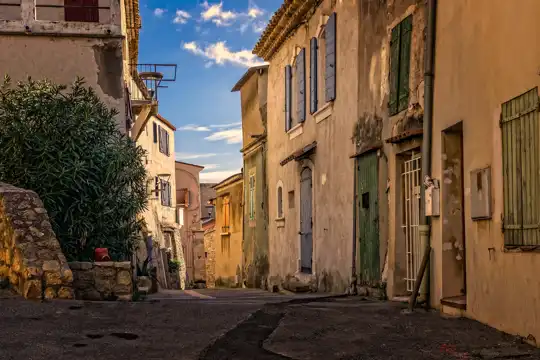
.jpg) Hi, I’m Johan (Netherlands 🇳🇱), the creator of TakeYourBackpack. Over the past 3 decades, I’ve backpacked through 90+ countries across six continents, gaining extensive experience with independent travel, long-term trips, and overland routes.
Hi, I’m Johan (Netherlands 🇳🇱), the creator of TakeYourBackpack. Over the past 3 decades, I’ve backpacked through 90+ countries across six continents, gaining extensive experience with independent travel, long-term trips, and overland routes.