
- Château de Pau (Musée National) — The town’s showpiece: Henry IV’s birthplace turned into a museum. You can walk the rooms, see portraits and period furniture, then step out onto the ramparts for a compact history hit and decent mountain views on a clear day.
- Boulevard des Pyrénées & Place Royale — A long terrace that feels like Pau’s living room, with cafés and a prominent Henry IV statue. On sunny mornings the Pyrenees sit like a postcard across the valley — the best free viewpoint in town.
- Parc Beaumont & Palais Beaumont — A leafy, English-style park right by the center; great for a picnic or a lazy walk. The adjacent Palais Beaumont is worth a quick look for its belle époque façade and event programming if you time it right.
- Musée des Beaux-Arts de Pau — Compact but solid art museum
- Château de Pau (Musée National) — The town’s showpiece: Henry IV’s birthplace turned into a museum. You can walk the rooms, see portraits and period furniture, then step out onto the ramparts for a compact history hit and decent mountain views on a clear day.
- Boulevard des Pyrénées & Place Royale — A long terrace that feels like Pau’s living room, with cafés and a prominent Henry IV statue. On sunny mornings the Pyrenees sit like a postcard across the valley — the best free viewpoint in town.
- Parc Beaumont & Palais Beaumont — A leafy, English-style park right by the center; great for a picnic or a lazy walk. The adjacent Palais Beaumont is worth a quick look for its belle époque façade and event programming if you time it right.
- Musée des Beaux-Arts de Pau — Compact but solid art museum with works spanning old masters to 19th-century regional artists. Perfect if the weather’s bad or you want some quiet cultural depth without the crowds.
- Musée Bernadotte — Small, characterful museum about Jean-Baptiste Bernadotte (who became King Charles XIV John of Sweden). It’s one of those niche places where local history suddenly becomes fascinating and oddly international.
- Musée du Béarn — The go-to spot for Béarnese history: archaeology, traditional costume, and regional stories. It’s a practical primer on local identity — useful context before exploring the streets and markets.
- Les Halles de Pau (covered market) — A lively indoor market selling cheese, charcuterie, breads and local produce. Peak energy in the morning; perfect for grabbing snacks, chatting with vendors, and tasting Béarn on the cheap.
- Funiculaire de Pau — The short historic funicular that links the lower town with the Boulevard area. It’s quick, a tiny bit retro, and saves you a steep walk while giving a neat little urban perspective en route.
- Hippodrome de Pau (racecourse) — If you’re into horses or just curious, the Pau steeplechase meets are lively and very local. Even outside race days the grounds are interesting to stroll and feel part of Pau’s sporting traditions.
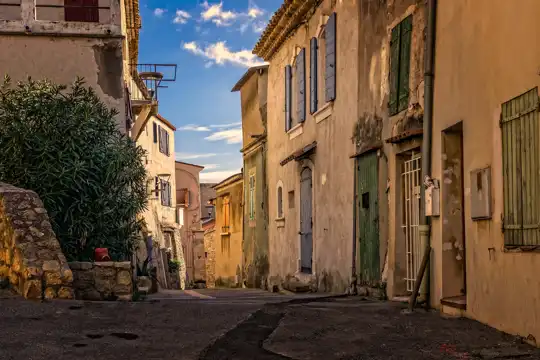
- Vieux-Pau (Old Town) — Narrow streets, timbered facades, small squares and independent cafés. No single monument dominates here; the pleasure is wandering, popping into tiny shops, and soaking up the everyday rhythm of the city.
Spotted a mistake or missing something? Contact us.

Half-day sailing on the Gave de Pau

Private Guided History tour of Lourdes

Private guided tours of Lourdes / Walking tour

Lourdes, Guided Walking Tour in the Sanctuary

The Story of Lourdes Walking Tour IN ENGLISH

Our Lady of Lourdes, guided tour, on foot, of the sanctuary.

Gastronomic tour in Lourdes

Private Airport Transfer to Lourdes

Lourdes Must-see Sites and Sanctuary Private Guided Tour


 Best Backpacking
 Hi, I’m Johan (Netherlands 🇳🇱), the creator of TakeYourBackpack. Over the past 3 decades, I’ve backpacked through 90+ countries across six continents, gaining extensive experience with independent travel, long-term trips, and overland routes.