×

France🇫🇷 | citiesClermont-Ferrand
Volcanic stone, panoramic viewpoints, Michelin legacy | things to do and best time to go

Explore PerpignanExplore Amiens

Backpacking in Clermont-Ferrand
👌 Worth visitingcity ranked #16
By Johan Kruseman 🇳🇱 | Updated May 3, 2026

Most people online sell Clermont-Ferrand as a sleepy “business city,” but for backpackers it’s actually one of the cheapest bases in France with real student energy and almost no tourist circus. Sitting in central France, in the Auvergne volcanic region, it feels compact and lived-in: black-lava cathedral, tight medieval streets, and locals who actually talk to you. It’s cheaper and calmer than Lyon, safer than many bigger cities, but nightlife is modest and hostels are limited, so meeting other travelers takes more effort and a bit of deliberate social courage.

Discover everything you want to know in the 📖 France Travel Guide.
Loading the map 🌍
CLICK TO FILTER
city
town
village
unique site
national park
hike
beach
attraction
festival
region
SHOW COUNTRY‘S BESTSHOW ALL

✨ Why go?
Ranked #16 city in France
Why Clermont-Ferrand should be on your travel list

Clermont-Ferrand is a strategic basecamp for backpackers exploring the Auvergne region. The city’s walkability makes it easy to navigate, with vibrant streets filled with affordable hostels and cozy cafés. You’ll find a mix of local cuisine that won’t break the bank, perfect for fueling your adventures. The nightlife offers a laid-back vibe, ideal for unwinding after a day of exploration. Plus, its proximity to stunning landscapes means you can easily plan day trips to the surrounding natural wonders. If you’re looking for a place that balances comfort and value, Clermont-Ferrand is a smart stop on your journey, whether for a few days or just a quick pit stop.
Get the complete Travel Guide for France
Everything organized for offline planning — routes, highlights, costs & tips

See what’s inside 👉

Get the Travel Guide -

💡 HighlightsKey sights and experiences for travelers

  • Cathédrale Notre-Dame-de-l’Assomption — The city’s black-lava Gothic cathedral dominates the skyline; the soaring interior, carved choir stalls and volcanic stone give a really unique, slightly brooding atmosphere you won’t get anywhere else.
  • Place de Jaude — Clermont’s bustling main square with Bartholdi’s statue of Vercingétorix, cafés, shops and the lively pulse of the city; a great starting point to feel local life and people-watch.
  • Basilique Notre-Dame-du-Port — A UNESCO-listed Romanesque gem tucked into the old town; small, intimate, and full of carved capitals and medieval vibes that reward a slow visit.
  • Jardin Lecoq — A 19th-century public park with ponds, statues and a greenhouse; perfect for a picnic, a quiet walk, or to recover after climbing up to the cathedral.
  • Parc Montjuzet
read more 👉
  • Cathédrale Notre-Dame-de-l’Assomption — The city’s black-lava Gothic cathedral dominates the skyline; the soaring interior, carved choir stalls and volcanic stone give a really unique, slightly brooding atmosphere you won’t get anywhere else.
  • Place de Jaude — Clermont’s bustling main square with Bartholdi’s statue of Vercingétorix, cafés, shops and the lively pulse of the city; a great starting point to feel local life and people-watch.
  • Basilique Notre-Dame-du-Port — A UNESCO-listed Romanesque gem tucked into the old town; small, intimate, and full of carved capitals and medieval vibes that reward a slow visit.
  • Jardin Lecoq — A 19th-century public park with ponds, statues and a greenhouse; perfect for a picnic, a quiet walk, or to recover after climbing up to the cathedral.
  • Parc Montjuzet — Hillside park with terrific panoramic views over the cathedral and the volcanic chain; paths, terraces and a relaxed local atmosphere make it a top spot for sunset photos.
  • Musée Bargoin — Archaeology and textiles under one roof: objects from local digs and a surprisingly rich display on traditional Auvergne fabrics and techniques — a real cultural deep-dive.
  • Musée d’Art Roger-Quilliot (M.A.R.Q.) — Modern and contemporary art in a compact, well-curated museum; bites of 19th-20th century regional art next to bigger French movements.
  • La Coopérative de Mai — Clermont’s main music venue: one of the best places in the region for live shows, from indie to electronic — great for catching authentic local nightlife and touring artists.
  • Quartier médiéval de Montferrand — The old rival town grafted onto Clermont: narrow streets, medieval squares and a calmer, more “old town” feel than the city centre — wander to soak in the medieval grid and local shops.
  • Opéra-Théâtre de Clermont-Ferrand — An elegant classical theatre on Place de Jaude; even if you don’t see a performance, the façade and nearby streets are worth a stroll for architecture lovers.
For quick day trips: head to the summit of Puy de Dôme (and the Chaîne des Puys), visit the Vulcania park for a sciencey volcano experience, or pop over to Volvic to see the volcanic landscapes and famous water source.
Spotted a mistake or missing something? Contact us.
🏘️ NeighborhoodsWhere things are and how it's laid out

Clermont-Ferrand is a vibrant hub in the Auvergne region, offering a mix of history, culture, and outdoor adventure. Here’s how the neighborhoods stack up for backpackers:

Centre-Ville: This is the heart of Clermont-Ferrand. You’ll find lively cafés, shops, and the iconic black volcanic stone cathedral. It’s walkable and buzzing with nightlife, perfect for short stays. Prices can be higher here, but the convenience is worth it.

Montferrand: A quieter, charming area with medieval architecture. It’s less touristy, offering a more local vibe. Great for longer stays if you want to soak in the culture. Walkable, with decent transport links, and more budget-friendly options.

Les Salins: This neighborhood is a bit off the beaten path but offers a unique blend of residential life and local eateries. … read more 👉
Clermont-Ferrand is a vibrant hub in the Auvergne region, offering a mix of history, culture, and outdoor adventure. Here’s how the neighborhoods stack up for backpackers:

Centre-Ville: This is the heart of Clermont-Ferrand. You’ll find lively cafés, shops, and the iconic black volcanic stone cathedral. It’s walkable and buzzing with nightlife, perfect for short stays. Prices can be higher here, but the convenience is worth it.

Montferrand: A quieter, charming area with medieval architecture. It’s less touristy, offering a more local vibe. Great for longer stays if you want to soak in the culture. Walkable, with decent transport links, and more budget-friendly options.

Les Salins: This neighborhood is a bit off the beaten path but offers a unique blend of residential life and local eateries. It’s quieter, ideal for those seeking a peaceful retreat. Transport access is decent, making it suitable for both short and longer visits.

Choose wisely based on your priorities!

⌛️ 1 daySeeing the highlights in 24 hours

Clermont-Ferrand is a city that pulses with history and character, nestled in the heart of the Auvergne region. Its volcanic landscape gives it a unique charm, and the iconic black lava stone buildings create a striking contrast against the vibrant green hills.

Start your morning at Place de Jaude, the city’s bustling central square. Grab a café crème and a buttery croissant at a nearby boulangerie. From there, wander to the stunning Gothic masterpiece, the Cathédrale Notre-Dame-de-l’Assomption. The intricate details of its dark stone façade are mesmerizing.

In the afternoon, head to the charming neighborhood of Montjuzet. Stroll through the Parc de Montjuzet for panoramic views of the city and the surrounding volcanoes. It’s a perfect spot for a picnic or just to soak in the scenery. … read more 👉
Clermont-Ferrand is a city that pulses with history and character, nestled in the heart of the Auvergne region. Its volcanic landscape gives it a unique charm, and the iconic black lava stone buildings create a striking contrast against the vibrant green hills.

Start your morning at Place de Jaude, the city’s bustling central square. Grab a café crème and a buttery croissant at a nearby boulangerie. From there, wander to the stunning Gothic masterpiece, the Cathédrale Notre-Dame-de-l’Assomption. The intricate details of its dark stone façade are mesmerizing.

In the afternoon, head to the charming neighborhood of Montjuzet. Stroll through the Parc de Montjuzet for panoramic views of the city and the surrounding volcanoes. It’s a perfect spot for a picnic or just to soak in the scenery. For a lesser-known experience, visit the Musée d’Art Roger Quilliot, where you can explore a diverse collection of art without the usual crowds.

As evening falls, make your way to the lively Rue des Gras for dinner. Try a local dish like truffade, a cheesy potato delight, at a cozy bistro. End your day with a leisurely walk along the Allier River, where the city lights reflect beautifully on the water. This blend of sights and flavors makes for a day that’s both enriching and memorable.
Build the Right Itinerary
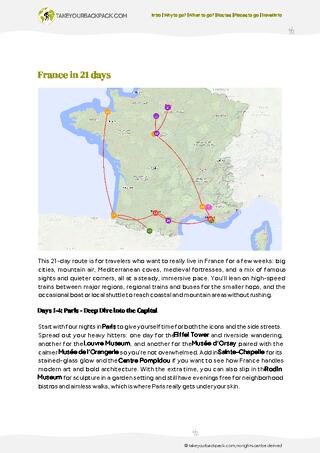
Use the France Travel Guide’s 7, 14 & 21-day routes as a starting point to plan a trip that actually works on the ground.

Get the Travel Guide -

🌤️ When to go?Seasonal considerations and timing


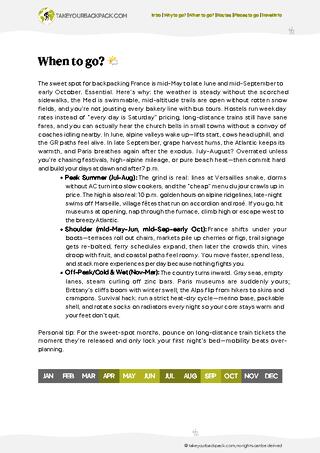
  • Weather: Spring and early autumn offer mild, stable weather—think 12-20°C (54-68°F)—perfect for hiking without the summer scorch or winter chill.

  • Temperature: Summers can hit 25-30°C (77-86°F), which is fine if you like warmth but expect more tourists and higher prices. Winters dip to 0-5°C (32-41°F), often damp and gray.

  • Daylight Hours: Long days from May to August mean more time to explore, with up to 16 hours of light. Winter days shrink to about 8 hours, limiting outdoor activities.

  • Crowds: July and August bring the tourist rush, especially around the volcanic parks. Shoulder seasons (April-June, September) balance fewer people with decent weather.

  • Seasonal Activities: Summer hosts outdoor festivals and volcanic hikes; winter offers cozy village markets but fewer trail options.
read more 👉

  • Weather: Spring and early autumn offer mild, stable weather—think 12-20°C (54-68°F)—perfect for hiking without the summer scorch or winter chill.

  • Temperature: Summers can hit 25-30°C (77-86°F), which is fine if you like warmth but expect more tourists and higher prices. Winters dip to 0-5°C (32-41°F), often damp and gray.

  • Daylight Hours: Long days from May to August mean more time to explore, with up to 16 hours of light. Winter days shrink to about 8 hours, limiting outdoor activities.

  • Crowds: July and August bring the tourist rush, especially around the volcanic parks. Shoulder seasons (April-June, September) balance fewer people with decent weather.

  • Seasonal Activities: Summer hosts outdoor festivals and volcanic hikes; winter offers cozy village markets but fewer trail options. Spring blooms and autumn colors add visual perks without the crowds.

  • Price Fluctuations: Accommodation and transport costs spike in summer. Booking in shoulder seasons can save you 20-40%, letting you upgrade comfort or extend your stay.


Pro-tip: Aim for late spring or early autumn—your sweet spot for weather, daylight, and budget—turning logistics into a win without sacrificing the experience.


source: climatestotravel.comJANJanuary: fair for travelingFEBFebruary: fair for travelingMARMarch: good for travelingAPRApril: highly recommended for travelingMAYMay: excellent for travelingJUNJune: highly recommended for travelingJULJuly: good for travelingAUGAugust: good for travelingSEPSeptember: excellent for travelingOCTOctober: highly recommended for travelingNOVNovember: fair for travelingDECDecember: fair for traveling
when-to-go

✈️ The backpacker research shortcutFrance Travel Guide

An offline-friendly backpacking guide with optimized travel routes, ranked highlights, transport advice, and the best areas to stay.
example page 0 from our offline Travel Guide for Franceexample page 1 from our offline Travel Guide for Franceexample page 2 from our offline Travel Guide for Franceexample page 3 from our offline Travel Guide for Franceexample page 4 from our offline Travel Guide for Franceexample page 5 from our offline Travel Guide for France
The digital guide (402 pages) contains:
144 highlights, ranked by travel appeal
Optimized 7, 14 & 21-day travel routes
Best neighborhoods to stay
How to get around
Offline-friendly for travel without Wi-Fi
👉 See all 30+ guide features

📅 Plan smarter in minutes, not weeks
Month by month travel advice
Festivals & national holidays
Budget expectations

🗺️ Go to the right places, skip the overrated ones
Honest pros & cons of destinations
Top hikes, parks & viewpoints
Lesser-known places most travelers miss
Clear “worth it vs skip it” guidance

🛏️ Travel smoothly without rookie mistakes
Best areas to stay
Transport systems explained simply
Common scams & safety advice
SIM cards, money & practical tips

🌍 Understand the country, not just visit it
Culture & traditions
52 Essential phrases & customs
Festivals worth planning around
Traveler-friendly historical context
Insights that make places more meaningful

📱 Built for real travel conditions
Fully downloadable PDF
Works completely offline
Optimized for phone use
Useful in remote areas & buses
Everything in one place
Save weeks of stressful planning
Get instant access to the full guide directly. 30-day money-back guarantee.


Sent to your inbox immediately after payment • 100% Secure Checkout
Best Backpacking Travel Advisor 2025 tourism awardBest Backpacking
Travel Advisor
2025
What others say about Take Your Backpack Guides:
⭐⭐⭐⭐⭐
Fantastic, amazing amount of information!
⭐⭐⭐⭐⭐
My goodness this is amazing, it's what I've been looking for hats off too you!
⭐⭐⭐⭐⭐
I think this is absolutely BRILLIANT
⭐⭐⭐⭐
Very complete and informative. It's still missing places, but I gotta to commend you
⭐⭐⭐⭐⭐
This is truly amazing, thank you, can't wait to explore it with my kids!
⭐⭐⭐⭐⭐
Awesome resource, thank you!
⭐⭐⭐⭐⭐
This is amazing! Can't wait to explore the ones I haven't seen
⭐⭐⭐⭐
I love this! Well done, great idea.
⭐⭐⭐⭐⭐
Thanks for taking the time to make this gem!
⭐⭐⭐⭐⭐
This might be the best website I've ever seen.
⭐⭐⭐⭐⭐
Congratulations, and thank you so much for your work; it's incredibly valuable.
⭐⭐⭐⭐
In all seriousness I think you did a great job pointing out the important spots
⭐⭐⭐⭐⭐
10/10 very good
⭐⭐⭐⭐⭐
As someone who's only just starting to visit regularly this is awesome, thank you.
⭐⭐⭐⭐
Thank you very much! I'm going to visit my dad, it's going to be very useful!
⭐⭐⭐⭐⭐
This is really cool! We'll be travelling for the first time and this definitely come in handy.
⭐⭐⭐⭐⭐
You are now our minister of culture, congratulations 👨‍💼
⭐⭐⭐⭐⭐
Just wanted to tell you that this is a pearl! Going to follow your recommendations.
⭐⭐⭐⭐⭐
This is so cool. I'll definitely be using the resource for my travels soon.
⭐⭐⭐⭐⭐
This is very impressive! Good work.
⭐⭐⭐⭐⭐
This is an amazing and informative site. Very well done!

🛏️ Where to stay?Choosing the right base

Clermont-Ferrand’s sweet spot for backpackers is the city center, especially around Place de Jaude. It’s where the pulse of the city beats—safe, lively, and packed with cafés and bars that make socializing effortless. You’ll find hostels and budget stays within walking distance, which means cutting transport costs and saving time. The vibe here leans young and dynamic, perfect for solo travelers wanting to connect without the hassle of long commutes or sketchy neighborhoods.

Heading a bit north toward the Montferrand district offers a quieter, more local feel. It’s still safe and affordable but … read more 👉
Clermont-Ferrand’s sweet spot for backpackers is the city center, especially around Place de Jaude. It’s where the pulse of the city beats—safe, lively, and packed with cafés and bars that make socializing effortless. You’ll find hostels and budget stays within walking distance, which means cutting transport costs and saving time. The vibe here leans young and dynamic, perfect for solo travelers wanting to connect without the hassle of long commutes or sketchy neighborhoods.

Heading a bit north toward the Montferrand district offers a quieter, more local feel. It’s still safe and affordable but less touristy, so you trade some social buzz for authentic daily life and a slower pace. Compared to the outskirts, these areas keep you close to the action without sacrificing comfort or your budget.

🚌 Getting aroundTransportation options and practical tips

Clermont-Ferrand moves with a rhythm that’s part old-school French precision, part laid-back provincial charm. It’s not a city where you’ll find the frantic rush of a metro metropolis, but don’t mistake that for chaos. The flow here is deliberate, measured. Public transit runs on a schedule that respects your time without demanding you surrender your pace. You’ll find the balance between efficiency and ease, where every minute saved is a conscious choice, not a frantic scramble. Understanding this flow means you can play the city’s transit game smart—trading time, money, and comfort with clear eyes and no regrets.


  • Walking: Clermont-Ferrand’s compact center makes walking the top choice for budget travelers. It’s free, flexible, and lets you soak in the city’s volcanic stone architecture
read more 👉
Clermont-Ferrand moves with a rhythm that’s part old-school French precision, part laid-back provincial charm. It’s not a city where you’ll find the frantic rush of a metro metropolis, but don’t mistake that for chaos. The flow here is deliberate, measured. Public transit runs on a schedule that respects your time without demanding you surrender your pace. You’ll find the balance between efficiency and ease, where every minute saved is a conscious choice, not a frantic scramble. Understanding this flow means you can play the city’s transit game smart—trading time, money, and comfort with clear eyes and no regrets.


  • Walking: Clermont-Ferrand’s compact center makes walking the top choice for budget travelers. It’s free, flexible, and lets you soak in the city’s volcanic stone architecture at your own pace. Expect 10-20 minutes between most key spots, with no schedule to obey.

  • T2 Tram Line: Runs roughly from 5:30 AM to midnight, with tickets around €1.70 per ride. It’s fast and reliable, slicing through the city center and suburbs in under 20 minutes. Comfort is basic but steady—no crowd crush during off-peak hours.

  • Bus Network (T2 and T3 lines): Buses cover areas the tram misses, running from early morning until about 10 PM. Tickets cost the same as the tram. Buses can be slower during rush hour but offer a wider reach, perfect if you’re heading beyond the core.

  • Bicycle Rentals (Vélocité): Affordable at about €1.50 per hour, these electric bikes give you speed and flexibility without the expense of taxis. Great for cutting travel time while keeping costs low, though comfort depends on weather and your stamina.

  • Taxi: The priciest option, with fares starting around €5 and climbing quickly. Best reserved for late-night returns or when you’re hauling heavy gear. Comfort is high, but the cost and potential traffic delays make it a trade-off worth considering carefully.

👛 Costs (as of 12 September 2025)What things cost and how to budget

Backpacking in Clermont-Ferrand offers a clear trade-off between cost and comfort, with prices that reflect its status as a mid-sized French city with a strong local vibe rather than a tourist hotspot.
  • Dorm Accommodation (High Season): Expect to pay around €25 to €35 per night in a shared dorm room during peak travel months (summer and early autumn). These hostels are basic but clean, often with communal kitchens and decent Wi-Fi.
  • Dorm Accommodation (Off-Season): In the quieter months, prices drop to about €18 to €25. You’ll find fewer crowds and sometimes better deals if you book directly or stay longer.
  • Meals: Budget about €10 to €15 per day if you stick to local bakeries, casual cafés, and markets. A baguette sandwich or a crêpe can be your go-to lunch, while dinner might be a simple bistro
read more 👉
Backpacking in Clermont-Ferrand offers a clear trade-off between cost and comfort, with prices that reflect its status as a mid-sized French city with a strong local vibe rather than a tourist hotspot.
  • Dorm Accommodation (High Season): Expect to pay around €25 to €35 per night in a shared dorm room during peak travel months (summer and early autumn). These hostels are basic but clean, often with communal kitchens and decent Wi-Fi.
  • Dorm Accommodation (Off-Season): In the quieter months, prices drop to about €18 to €25. You’ll find fewer crowds and sometimes better deals if you book directly or stay longer.
  • Meals: Budget about €10 to €15 per day if you stick to local bakeries, casual cafés, and markets. A baguette sandwich or a crêpe can be your go-to lunch, while dinner might be a simple bistro meal or takeaway. Splurging on a nicer sit-down meal will push this higher.
  • Local Transport: Single bus tickets cost roughly €1.50 each, but most travelers find a day pass more economical.
  • City Transport Pass: A daily pass for Clermont-Ferrand’s public transport system runs about €3.50, giving unlimited rides on buses and trams. This is a smart buy if you plan to move around a lot in a day.
  • Basic Activities/Entry Fees: Museums and local attractions typically charge between €5 and €10. Many offer free entry on certain days, so timing your visits can save money.
  • Miscellaneous Expenses: Factor in about €5 to €10 for things like bottled water, snacks, or occasional coffee. Small extras add up, especially if you’re out exploring all day.

All told, a realistic daily budget for backpacking in Clermont-Ferrand ranges from about €40 on a tight budget in the off-season to €65 or more if you lean toward convenience and comfort during high season. Knowing where to cut costs—like choosing off-season stays or using transport passes—lets you stretch your euros without missing out on the city’s character.
⚠️ Prices can change and everyone travels differently, so take this as a rough guide. Hope it helps you plan your adventure!

🚌 Day tripsShort trips worth adding

Clermont-Ferrand is a fantastic launchpad for day trips that pack a punch without draining your wallet or time. Here are some standout options.

Puy de Dôme
Just a 30-minute train ride from Clermont-Ferrand, Puy de Dôme is a dormant volcano that offers breathtaking views of the surrounding Auvergne region. The hike to the summit is invigorating, and you can even take a scenic train if you’re feeling lazy. Expect to spend around €10 for transport and maybe another €5 for snacks. Spring and early fall are ideal for clear skies and mild weather. A common mistake? Underestimating the weather; it can change quickly, so pack layers.


Vulcania
About 30 minutes away by bus, Vulcania is an interactive volcano park that’s both educational and fun. It’s perfect for those who want to dive into … read more 👉
Clermont-Ferrand is a fantastic launchpad for day trips that pack a punch without draining your wallet or time. Here are some standout options.

Puy de Dôme
Just a 30-minute train ride from Clermont-Ferrand, Puy de Dôme is a dormant volcano that offers breathtaking views of the surrounding Auvergne region. The hike to the summit is invigorating, and you can even take a scenic train if you’re feeling lazy. Expect to spend around €10 for transport and maybe another €5 for snacks. Spring and early fall are ideal for clear skies and mild weather. A common mistake? Underestimating the weather; it can change quickly, so pack layers.


Vulcania
About 30 minutes away by bus, Vulcania is an interactive volcano park that’s both educational and fun. It’s perfect for those who want to dive into the science of volcanology without breaking the bank—entry is around €30, but it’s worth every cent for the unique experiences. Late spring to early fall is best for full access to outdoor exhibits. First-timers often overlook the timing of shows, so check the schedule to maximize your visit.


Saint-Nectaire
A 40-minute bus ride takes you to the charming village of Saint-Nectaire, famous for its cheese. Explore local farms and taste the creamy delight that bears the town’s name. Budget around €15 for transport and a cheese tasting. Late summer is prime time for cheese festivals, but any season offers a cozy vibe. Many miss the chance to visit the nearby church, which is a stunning example of Romanesque architecture.


Mont-Dore
Just under an hour by bus, Mont-Dore is a ski resort in winter and a hiking paradise in summer. The trails here are less crowded, offering a peaceful escape. You can spend around €10 on transport and enjoy free hiking trails. Late spring to early fall is ideal for hiking. A common pitfall? Not checking trail conditions beforehand; some paths can be tricky after rain.
Want to know what more France offers?
The France Travel Guide describes 144 highlights, from cities to national parks, from beaches to hikes

Get the Travel Guide -

🍲 FoodEating & Drinking in Clermont-Ferrand

In Clermont-Ferrand, local cuisine is a celebration of flavors. Dive into truffade, a hearty dish made with potatoes and cheese, perfect for refueling after a day of exploring. Don’t miss out on salers cheese, a tangy delight that pairs beautifully with a glass of Côtes d’Auvergne wine.

Backpackers often find their meals at bustling markets or cozy bistros. Street food stalls serve up galettes, savory buckwheat crepes filled with everything from ham to mushrooms. The atmosphere is relaxed, with locals chatting over coffee in cafés that spill onto the sidewalks.

When dining, embrace the slow pace. Meals are a social affair, so take your time and enjoy the company. Tipping isn’t mandatory, but rounding up the bill is appreciated.

🛡️ SafetyTraveler Safety Guide

Clermont-Ferrand is generally safe, but like any city, it has its quirks. Stay aware in crowded areas like Place de Jaude, where pickpockets might lurk. If you’re solo and out at night, stick to well-lit streets and avoid shortcuts through empty parks.

Scams are rare, but be cautious of overly friendly strangers asking for money or offering unsolicited help. Everyday annoyances include the occasional street performer who might overstay their welcome. Keep your belongings close, maintain a confident posture, and you’ll navigate the city like a pro.

Other French cities near Clermont-Ferrand

Explore more nearby:

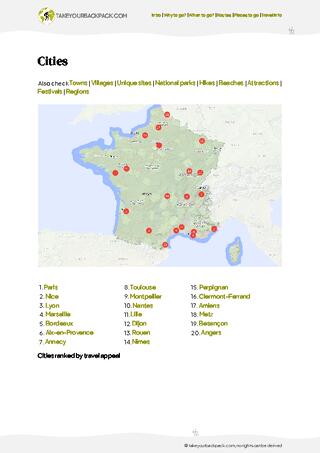
  • Lyon—Silk passageways, hilltop basilica, rivers confluence| 136 km away
  • Dijon—Burgundian rooftops, mustard shops, ducal palace| 228 km away
  • Annecy—Alpine lake, pastel canals, mountain backdrop| 237 km away

👉 Discover all cities

Or checkout all France has to offer (think cities, towns, villages, national parks, hikes, beaches, festivals)
Country photo of France
film
0
0
0a
Paris
Pixabay
film
1
1
1a
Nice
Lionel Mariette
film
2
2
2a
Lyon
Alby Set
film
3
3
3a
Marseille
Richard T. (စဝ်ခွန်ဆေ)
film
4
4
4a
Bordeaux
Alamine Hadrati
film
5
5
5a
Aix-en-Provence
Sławomir Stępniak
film
6
6
6a
Annecy
Malika Aissani
film
7
7
7a
Montpellier

We 💚 feedbackFinal thoughts on visiting Clermont-Ferrand

Clermont-Ferrand is a treasure trove of volcanic landscapes and rich history. You can hike the iconic Puy de Dôme for breathtaking views. Just know that public transport isn’t the best, so be ready to walk or rent a bike. It’s a trade-off, but the experience is worth every step.

✈️ When did I visit France?
Being close to The Netherlands, my home base, I visited France many times.

✍️ Help improve this page!
The information on this page is based on my own backpacking experience in France, supplemented with up-to-date research and feedback from other travelers. Travel details can change, so if you notice anything outdated or incomplete, feel free to let me know.


🙋‍♂️ Give feedback

👋 Meet the founderWho’s Behind Take Your Backpack?

Johan, backpacker and founder of TakeYourBackpackHi, I’m Johan (Netherlands 🇳🇱), the creator of TakeYourBackpack. Over the past decade, I’ve backpacked through 80+ countries across six continents, gaining extensive experience with independent travel, long-term trips, and overland routes.

This site is built on a combination of firsthand travel experience and carefully curated insights from other backpackers. Many guides are based on places I’ve personally visited, while others bring together tips, observations, and practical advice shared by trusted travelers I’ve met along the way.

The goal is to provide realistic, experience-driven guidance — not generic itineraries — so you can explore destinations with better context, clearer expectations, and more confidence.

Get Full Country Guide |
Instant download • 144 highlights • Full Offline guide