v2.webp)
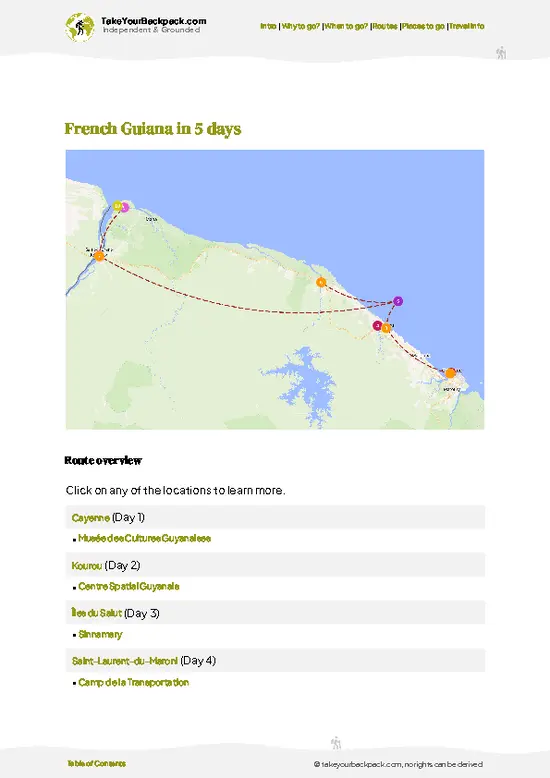
- Sunday Market (Marché de Cacao): the reason anyone comes. Hmong growers sell vegetables, orchids, handwoven textiles and hot food from about 7 AM until early afternoon. Arrive before 9 AM for the best dumplings and soups. Entry is free, meals run €3 to 8, and 2 to 3 hours is plenty.
- Hmong Food Stalls: the lunch counters inside and around the market serve bo bun, pho and crispy nems. The pork-filled bouchons and the grilled skewers sell out first. Go early, budget €5 to 10 for a full meal, and allow 1 hour.
- Village Weaving and Embroidery Stalls: Hmong women sell paj ntaub, the intricate story cloths and embroidered pieces, often made by the seller. Morning is best for choice. Small items cost about €5 to 20, larger pieces more. Allow 30 to 45 minutes.
- Farm and Garden Walk: the lanes behind the
- Sunday Market (Marché de Cacao): the reason anyone comes. Hmong growers sell vegetables, orchids, handwoven textiles and hot food from about 7 AM until early afternoon. Arrive before 9 AM for the best dumplings and soups. Entry is free, meals run €3 to 8, and 2 to 3 hours is plenty.
- Hmong Food Stalls: the lunch counters inside and around the market serve bo bun, pho and crispy nems. The pork-filled bouchons and the grilled skewers sell out first. Go early, budget €5 to 10 for a full meal, and allow 1 hour.
- Village Weaving and Embroidery Stalls: Hmong women sell paj ntaub, the intricate story cloths and embroidered pieces, often made by the seller. Morning is best for choice. Small items cost about €5 to 20, larger pieces more. Allow 30 to 45 minutes.
- Farm and Garden Walk: the lanes behind the market pass terraced vegetable plots, fruit trees and greenhouses. It shows how the community feeds much of the country’s fresh produce. Go early or late to avoid midday heat. It is free and takes 45 minutes to 1 hour.
- Forest Paths Near the Village: short trails at the edge of Cacao lead into humid forest with birdsong, butterflies and strangler fig roots. Go in the cooler morning, wear closed shoes and bring repellent. Free, 1 to 2 hours.
Spotted a mistake or missing something? Contact us.


 Best Backpacking
.jpg) Hi, I’m Johan (Netherlands 🇳🇱), the creator of TakeYourBackpack. Over the past 3 decades, I’ve backpacked through 90+ countries across six continents, gaining extensive experience with independent travel, long-term trips, and overland routes.
Hi, I’m Johan (Netherlands 🇳🇱), the creator of TakeYourBackpack. Over the past 3 decades, I’ve backpacked through 90+ countries across six continents, gaining extensive experience with independent travel, long-term trips, and overland routes.