×

French Guiana🇬🇫 | townsRourawetlands reserve, canoe routes, forest lodges | things to do and best time to go

Explore KourouExplore Saint-Laurent-du-Maroni

Backpacking in Roura
👌 Worth visitingtown ranked #6
By Johan Kruseman 🇳🇱 | Updated June 9, 2026

Your paddle blade slips into tea-brown water, quiet except for the drip off the shaft and a frog rasping somewhere in the dark green wall of forest. The air is thick, sweet with wet earth and crushed leaves, and when you stop paddling you can hear insects like static under the canopy. That’s Roura’s world: a small riverside town in the interior of French Guiana, southeast of Cayenne, where the road thins out and the jungle takes over.

Roura isn’t a “town to see”; it’s a launchpad. You come here to access the Kaw marshes, river trips, and deep-forest stays, not for nightlife or museums. It’s quieter and more scenic than Cayenne, but less practical: limited buses, basic shops, few budget beds, and evenings that end early. It’s safe, calm, and social only if you plug into guides or small guesthouses, so it works best as a short base for nature-heavy days rather than a long urban stop.

Discover everything you want to know in the 📖 French Guiana Travel Guide.
Loading the map 🌍
CLICK TO FILTER
towns
villages
landmarks
national parks
hikes
beaches
attractions
festivals
SHOW COUNTRY’S BESTSHOW ALL

✨ Why go?
Ranked #6 town in French Guiana
Reasons people choose to visit here

Roura is a gateway for backpackers exploring French Guiana’s wild side. Its proximity to lush hiking trails and the tranquil beaches of the Maroni River makes it a strategic stop. You can easily lace up your boots and hit the trails, or grab a kayak and paddle out to the serene waters. The local guesthouses and small-scale hostels offer a cozy atmosphere, perfect for solo travelers or small groups looking to connect.

Strolling through the walkable streets, you’ll find charming cafes serving up local cuisine—think fresh fish and tropical fruits that burst with flavor. The vibe here is friendly and laid-back, making it easy to strike up conversations with fellow travelers. Most backpackers tend to stay a few days, soaking in the relaxed pace and natural beauty. If you’re a slow traveler or … read more 👉
Roura is a gateway for backpackers exploring French Guiana’s wild side. Its proximity to lush hiking trails and the tranquil beaches of the Maroni River makes it a strategic stop. You can easily lace up your boots and hit the trails, or grab a kayak and paddle out to the serene waters. The local guesthouses and small-scale hostels offer a cozy atmosphere, perfect for solo travelers or small groups looking to connect.

Strolling through the walkable streets, you’ll find charming cafes serving up local cuisine—think fresh fish and tropical fruits that burst with flavor. The vibe here is friendly and laid-back, making it easy to strike up conversations with fellow travelers. Most backpackers tend to stay a few days, soaking in the relaxed pace and natural beauty. If you’re a slow traveler or a hiker seeking a blend of adventure and community, Roura is your spot. Just don’t expect a bustling nightlife; this place is all about the nature and connection.
Want to include Roura in your French Guiana route?
Create a personalized French Guiana itinerary that includes Roura and the places that fit your trip — based on your travel style, budget, and available time. Get your route in seconds.

Generate my trip

💡 HighlightsEssential experiences to have while visiting Roura

  • Réserve nationale des marais de Kaw (Kaw-Roura Marshes) — One of French Guiana’s signature wild places: vast flooded savannahs threaded with creeks, giant water lilies, and thousands of birds. Boat trips into the reserve are the main reason people come to Roura.
  • Village of Kaw — A compact riverside village at the edge of the marshes where you can see traditional stilt houses, meet local guides, and feel the everyday life that has grown up around the marsh economy.
  • Belvédère / observation tower in the Kaw area — A short climb up a viewing tower gives outstanding panoramas over the marshes at sunrise or sunset and is one of the easiest places to spot herons, jabirus, and caimans from a safe vantage.
  • Roura embarcadère (river pier) and boat departures — The working riverfront where most guided
read more 👉
  • Réserve nationale des marais de Kaw (Kaw-Roura Marshes) — One of French Guiana’s signature wild places: vast flooded savannahs threaded with creeks, giant water lilies, and thousands of birds. Boat trips into the reserve are the main reason people come to Roura.
  • Village of Kaw — A compact riverside village at the edge of the marshes where you can see traditional stilt houses, meet local guides, and feel the everyday life that has grown up around the marsh economy.
  • Belvédère / observation tower in the Kaw area — A short climb up a viewing tower gives outstanding panoramas over the marshes at sunrise or sunset and is one of the easiest places to spot herons, jabirus, and caimans from a safe vantage.
  • Roura embarcadère (river pier) and boat departures — The working riverfront where most guided pirogue and small-boat trips start; it’s a great place to arrange a half-day wildlife cruise, watch river traffic, or see fishermen at work.
  • Piste de Kaw (the Kaw track) — The dirt track that runs from the RN1 into the marsh fringe. Driving, cycling, or walking bits of it gives you immediate access to roadside birding spots, small clearings, and quiet backwaters.
  • Roura town centre and its wooden architecture — The little cluster of civic buildings, creole wooden houses and the mairie/church area shows the human side of the commune and makes for a pleasant slow stroll to soak up local flavor.
  • Local market and roadside food stalls — Simple, authentic, and delicious: seasonal produce, smoked fish and creole snacks sold by locals along the main road. Great for tasting fresh fare and chatting with residents.
  • Community craft stalls and workshops — Small-scale artisan activity—handmade items, simple woodwork and textiles—where you can buy local crafts and see how everyday objects are made in the area.
  • Riverside fishing hamlets and landing places — Tiny fishing communities along the river reveal traditional techniques and offer the chance to watch or join in a cast net, and sometimes to buy the day’s catch right off the skiff.
  • Remnants of riverside habitations and plantation traces — Scattered ruins and old river habitations (visible along side-tracks and riverbanks) that hint at the colonial and agricultural past—good short walks for anyone interested in local history and landscape change.
Nearby day-trip highlights you can pair with Roura: Kourou (Guiana Space Centre and boat trips to the Îles du Salut), Cayenne (markets, museums and access to Îlet la Mère), and various coastal mangrove stops around Remire-Montjoly/Cayenne.
Spotted a mistake or missing something? Contact us.

🏘️ NeighborhoodsNeighborhood guide to Roura

Roura, a quaint town in French Guiana, offers a unique blend of nature and culture, perfect for backpackers seeking an authentic experience. Here’s how to navigate its neighborhoods.

Centre Ville: This is the heart of Roura. You’ll find local markets and cafés buzzing with life. It’s walkable, making it easy to explore on foot. Prices here are reasonable, and you can enjoy a local meal without breaking the bank. The nightlife is low-key, with a few bars where you can unwind after a day of exploration. Ideal for short stays, as everything is within reach.

Roura Riverfront: This area boasts stunning views of the river, perfect for those who appreciate nature. The vibe is tranquil, with fewer tourists. Accommodations range from budget hostels to mid-range lodges. It’s a bit quieter, making … read more 👉
Roura, a quaint town in French Guiana, offers a unique blend of nature and culture, perfect for backpackers seeking an authentic experience. Here’s how to navigate its neighborhoods.

Centre Ville: This is the heart of Roura. You’ll find local markets and cafés buzzing with life. It’s walkable, making it easy to explore on foot. Prices here are reasonable, and you can enjoy a local meal without breaking the bank. The nightlife is low-key, with a few bars where you can unwind after a day of exploration. Ideal for short stays, as everything is within reach.

Roura Riverfront: This area boasts stunning views of the river, perfect for those who appreciate nature. The vibe is tranquil, with fewer tourists. Accommodations range from budget hostels to mid-range lodges. It’s a bit quieter, making it suitable for longer stays if you want to soak in the surroundings. Transport options are limited, so be prepared to walk or bike.

Les Marais: A bit off the beaten path, this neighborhood offers a more local feel. The scent of tropical flora fills the air, and you can often hear the sounds of wildlife. It’s less developed, so expect lower prices and a more rustic experience. This area is great for longer stays, especially if you’re looking to immerse yourself in the local culture. Access to transport is limited, but the peace is worth it.

⌛️ 1 day1-day itinerary for Roura

Roura, a quaint town in French Guiana, offers a slice of local life wrapped in lush greenery and vibrant culture. Just a short drive from the capital, Cayenne, it’s a place where the rhythm of the Amazon meets the pulse of French colonial history. The air is thick with the scent of tropical flowers, and the sounds of nature provide a soothing backdrop.

Start your morning at the local market, where the colors of fresh fruits and vegetables pop against the rustic stalls. The market is alive with chatter, and you can grab a warm baguette or a flaky pain au chocolat from a nearby vendor. This is not just breakfast; it’s a chance to mingle with locals and soak in the atmosphere.

After fueling up, head to the nearby Îles du Salut, a short boat ride away. While many tourists flock to the more … read more 👉
Roura, a quaint town in French Guiana, offers a slice of local life wrapped in lush greenery and vibrant culture. Just a short drive from the capital, Cayenne, it’s a place where the rhythm of the Amazon meets the pulse of French colonial history. The air is thick with the scent of tropical flowers, and the sounds of nature provide a soothing backdrop.

Start your morning at the local market, where the colors of fresh fruits and vegetables pop against the rustic stalls. The market is alive with chatter, and you can grab a warm baguette or a flaky pain au chocolat from a nearby vendor. This is not just breakfast; it’s a chance to mingle with locals and soak in the atmosphere.

After fueling up, head to the nearby Îles du Salut, a short boat ride away. While many tourists flock to the more famous Devil’s Island, take a moment to explore the lesser-known Île Royale. The crumbling ruins of the old prison tell stories of the past, and the surrounding trails offer stunning views of the ocean and lush foliage. The scent of saltwater mingles with the earthy aroma of the forest, creating an invigorating experience.

In the afternoon, return to Roura and stroll through the charming streets of the town center. Stop by the Church of Saint George, a striking wooden structure that stands as a testament to the town’s history. The light filtering through the trees creates a serene atmosphere, perfect for reflection.

As evening approaches, find a spot along the Maroni River. The sunset paints the sky in hues of orange and pink, and the sounds of the river provide a calming soundtrack. Grab dinner at a local eatery, where you can savor Creole dishes infused with spices that reflect the region’s diverse culture. This day in Roura isn’t just about seeing sights; it’s about connecting with the heart of French Guiana.
Turn your Roura visit into an French Guiana adventure
Build a complete French Guiana route with Roura, hidden gems, must-see destinations, and realistic travel times included.

Generate my trip

🌤️ When to go?Choosing the right time of year


  • Topic: Weather — Roura’s climate is equatorial, meaning it’s hot and humid year-round, but the dry season from July to December offers a break from relentless rain. Expect heavy showers and muddy trails outside this window, which can turn your hike into a slog rather than a stroll.

  • Topic: Temperature — Temperatures hover between 24°C and 31°C (75°F to 88°F). The dry season feels less oppressive, with slightly cooler nights that let you sleep without waking up drenched in sweat.

  • Topic: Daylight Hours — Near the equator, daylight is steady year-round, about 12 hours. This consistency means you can plan your days without worrying about early sunsets cutting your adventures short.

  • Topic: Crowds — Roura is off the beaten path, so crowds are minimal anytime. However, local festivals during
read more 👉

  • Topic: Weather — Roura’s climate is equatorial, meaning it’s hot and humid year-round, but the dry season from July to December offers a break from relentless rain. Expect heavy showers and muddy trails outside this window, which can turn your hike into a slog rather than a stroll.

  • Topic: Temperature — Temperatures hover between 24°C and 31°C (75°F to 88°F). The dry season feels less oppressive, with slightly cooler nights that let you sleep without waking up drenched in sweat.

  • Topic: Daylight Hours — Near the equator, daylight is steady year-round, about 12 hours. This consistency means you can plan your days without worrying about early sunsets cutting your adventures short.

  • Topic: Crowds — Roura is off the beaten path, so crowds are minimal anytime. However, local festivals during the dry season can bring a lively buzz, offering a chance to experience authentic culture without tourist throngs.

  • Topic: Seasonal Activities — The dry season is prime for exploring the Kaw Marshes and hiking trails without the constant threat of rain. Boat tours and wildlife spotting are far more enjoyable when the water levels are manageable and paths are accessible.

  • Topic: Price Fluctuations — Accommodation and tours tend to be pricier during the dry season due to increased demand, but the trade-off is worth it for smoother logistics and better conditions.


Pro-tip: Aim for the early dry season (July to September) to catch pleasant weather, fewer tourists, and slightly better prices—perfect for unlocking Roura’s wild charm without the usual tropical hassle.


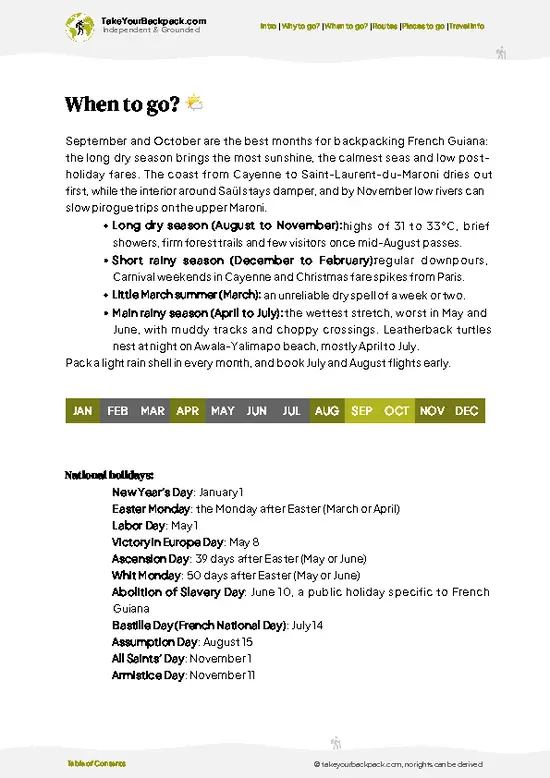
source: climatestotravel.comJANJanuary: fair for travelingFEBFebruary: fair for travelingMARMarch: fair for travelingAPRApril: fair for travelingMAYMay: fair for travelingJUNJune: fair for travelingJULJuly: excellent for travelingAUGAugust: excellent for travelingSEPSeptember: excellent for travelingOCTOctober: highly recommended for travelingNOVNovember: highly recommended for travelingDECDecember: highly recommended for traveling
french-guiana-city-roura
© Google |

✈️ The backpacker research shortcutFrench Guiana Travel Guide

An offline-friendly backpacking guide with optimized travel routes, ranked highlights, transport advice, and the best areas to stay.
example page 0 from our offline Travel Guide for French Guiana
example page 1 from our offline Travel Guide for French Guiana
example page 2 from our offline Travel Guide for French Guiana
example page 3 from our offline Travel Guide for French Guiana
example page 4 from our offline Travel Guide for French Guiana
example page 5 from our offline Travel Guide for French Guiana
example page 6 from our offline Travel Guide for French Guiana
example page 7 from our offline Travel Guide for French Guiana
The digital guide (182 pages) contains:
42 highlights, ranked by travel appeal
Optimized 2, 3 & 5-day travel routes
Cities, national parks, landmarks, beaches
How to get around
Offline-friendly for travel without Wi-Fi
👉 Click to see all 30+ guide features

📅 Plan smarter in minutes, not weeks
Month by month travel advice
Festivals & national holidays
Budget expectations

🗺️ Go to the right places, skip the overrated ones
Honest pros & cons of destinations
Top hikes, parks & viewpoints
Lesser-known places most travelers miss
Clear “worth it vs skip it” guidance

🛏️ Travel smoothly without rookie mistakes
Best areas to stay
Transport systems explained simply
Common scams & safety advice
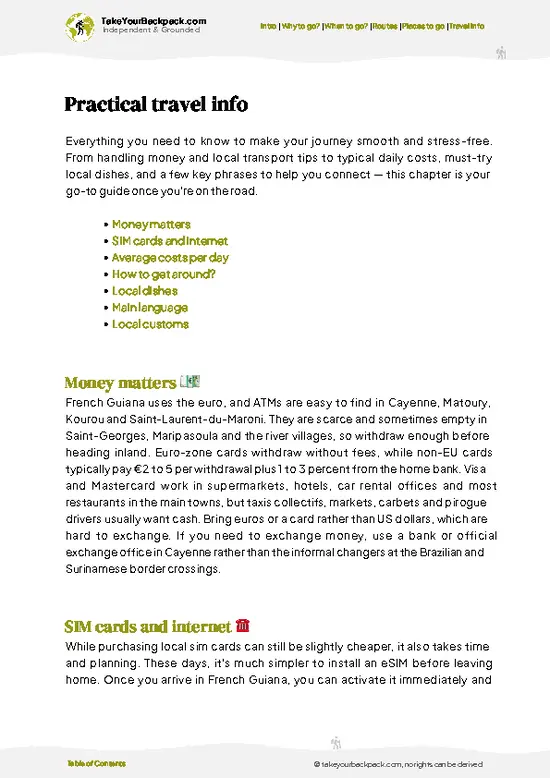
SIM cards, money & practical tips

🌍 Understand the country, not just visit it
Culture & traditions
52 Essential phrases & customs
Festivals worth planning around
Traveler-friendly historical context
Insights that make places more meaningful

📱 Built for real travel conditions
Fully downloadable PDF
Works completely offline
Optimized for phone use
Useful in remote areas & buses
Everything in one place
Save weeks of stressful planning
Get instant access to your full guide. 30‑day money-back guarantee.


By proceeding you agree to our terms.
Sent to your inbox immediately after payment • 100% Secure Checkout
Best Backpacking Travel Advisor 2025 tourism awardBest Backpacking
Travel Advisor
2025
What others say about Take Your Backpack Guides:
⭐⭐⭐⭐⭐
Fantastic, amazing amount of information!
⭐⭐⭐⭐⭐
My goodness this is amazing, it's what I've been looking for hats off too you!
⭐⭐⭐⭐⭐
I think this is absolutely BRILLIANT
⭐⭐⭐⭐
Very complete and informative. It's still missing places, but I gotta to commend you
⭐⭐⭐⭐⭐
This is truly amazing, thank you, can't wait to explore it with my kids!
⭐⭐⭐⭐⭐
Awesome resource, thank you!
⭐⭐⭐⭐⭐
This is amazing! Can't wait to explore the ones I haven't seen
⭐⭐⭐⭐
I love this! Well done, great idea.
⭐⭐⭐⭐⭐
Thanks for taking the time to make this gem!
⭐⭐⭐⭐⭐
This might be the best website I've ever seen.
⭐⭐⭐⭐⭐
Congratulations, and thank you so much for your work; it's incredibly valuable.
⭐⭐⭐⭐
In all seriousness I think you did a great job pointing out the important spots
⭐⭐⭐⭐⭐
10/10 very good
⭐⭐⭐⭐⭐
As someone who's only just starting to visit regularly this is awesome, thank you.
⭐⭐⭐⭐
Thank you very much! I'm going to visit my dad, it's going to be very useful!
⭐⭐⭐⭐⭐
This is really cool! We'll be travelling for the first time and this definitely come in handy.
⭐⭐⭐⭐⭐
You are now our minister of culture, congratulations 👨‍💼
⭐⭐⭐⭐⭐
Just wanted to tell you that this is a pearl! Going to follow your recommendations.
⭐⭐⭐⭐⭐
This is so cool. I'll definitely be using the resource for my travels soon.
⭐⭐⭐⭐⭐
This is very impressive! Good work.
⭐⭐⭐⭐⭐
This is an amazing and informative site. Very well done!

🛏️ Where to stay?Where staying makes the most sense

Roura’s charm isn’t in sprawling urban districts but in its small-town pulse, where the best spots for backpackers cluster near the town center along the main road that threads through the village. This area is your go-to because it balances safety with a genuine local vibe—no tourist traps, just real life unfolding. The streets here catch the soft, humid light filtering through towering trees, and the air carries the faint scent of wet earth and tropical blooms, grounding you in place.

Staying close to the center means easy access to modest guesthouses and a handful of hostels that cater to … read more 👉
Roura’s charm isn’t in sprawling urban districts but in its small-town pulse, where the best spots for backpackers cluster near the town center along the main road that threads through the village. This area is your go-to because it balances safety with a genuine local vibe—no tourist traps, just real life unfolding. The streets here catch the soft, humid light filtering through towering trees, and the air carries the faint scent of wet earth and tropical blooms, grounding you in place.

Staying close to the center means easy access to modest guesthouses and a handful of hostels that cater to budget travelers and solo adventurers. These spots are social hubs, where you’ll swap stories over shared meals or plan early morning trips into the surrounding rainforest. The vibe is relaxed but lively enough to meet fellow travelers without the pressure of a party scene.

Venture too far out, and you lose that connective thread—neighborhoods become quieter, less walkable, and more isolated, which can feel like a barrier when you want to plug into the local rhythm. So, anchor yourself near the heart of Roura. It’s where the town’s soul meets the backpacker’s need for safety, social energy, and easy logistics.

🚌 Getting aroundGetting around like a local

Roura moves at a pace that feels like the river nearby—steady, unhurried, but never stagnant. The town’s rhythm isn’t dictated by strict timetables or flashing neon signs; it’s a blend of local intuition and the natural flow of daily life. Mornings start with the scent of fresh bread and the distant hum of motorbikes, while afternoons stretch lazily under the shade of towering trees. This isn’t a place where you’ll find a metro map or a bus schedule plastered on every corner. Instead, you navigate by the sound of engines, the chatter of locals, and the occasional honk that signals a shared ride. Understanding this flow means you don’t just get from point A to B—you become part of the town’s pulse, moving with its ebb and flow rather than against it.


  • Walking: The most straightforward way
read more 👉
Roura moves at a pace that feels like the river nearby—steady, unhurried, but never stagnant. The town’s rhythm isn’t dictated by strict timetables or flashing neon signs; it’s a blend of local intuition and the natural flow of daily life. Mornings start with the scent of fresh bread and the distant hum of motorbikes, while afternoons stretch lazily under the shade of towering trees. This isn’t a place where you’ll find a metro map or a bus schedule plastered on every corner. Instead, you navigate by the sound of engines, the chatter of locals, and the occasional honk that signals a shared ride. Understanding this flow means you don’t just get from point A to B—you become part of the town’s pulse, moving with its ebb and flow rather than against it.


  • Walking: The most straightforward way to explore Roura, especially the central area. Streets are compact and shaded by lush greenery, making walks pleasant even in the heat. Walking lets you soak in the smells of tropical flowers and the occasional waft of grilled street food, all at your own pace.


  • Shared Taxis (Taxi Collectif): These are minibuses or vans that run on flexible routes, picking up and dropping off passengers along main roads. They don’t have fixed schedules but generally operate from early morning (around 6:30 AM) until early evening (6 PM). Fares are low, often just a couple of euros, making them the budget traveler’s best bet for longer distances. Expect a lively atmosphere inside, with locals chatting and music playing softly.


  • Motorbike Taxis: For quick, nimble trips, motorbike taxis zip through traffic and narrow paths. They’re available throughout the day and into the evening but negotiate the price upfront—usually between 2 to 5 euros depending on distance. This option is faster than shared taxis but less comfortable and exposes you to the humid air and occasional dust.


  • Bicycle Rentals: Renting a bike is a great way to cover more ground without losing the intimacy of walking. Bikes can be rented from small shops near the town center for around 10-15 euros per day. The terrain is mostly flat, and the fresh air mixed with the scent of wet earth after a rain shower makes cycling a sensory treat.


  • Private Taxis: More expensive but reliable for early departures or late arrivals when other options dwindle. Prices vary but expect to pay 20-30 euros for trips to nearby towns or the airport. They offer air conditioning and direct routes, ideal if you’re carrying heavy gear or want to avoid waiting.

👛 Costs (as of 6 April 2026)Travel costs and budget guide for Roura

Backpacking in Roura, French Guiana, means embracing a slow, nature-focused pace where costs reflect the town’s small size and limited tourist infrastructure.
  • Dorm Accommodation: Options are sparse, with basic guesthouses or eco-lodges offering dorm beds or shared rooms. Expect to pay around €15-25 per night. These places often have simple amenities but provide a chance to connect with the surrounding rainforest atmosphere.
  • Meals: Local eateries serve Creole and French-influenced dishes, mostly fresh and straightforward. Street food or small restaurants will cost about €5-10 per meal. Cooking your own food is possible but limited by local market availability.
  • Local Transport: Roura is small, so walking covers most ground. For longer trips, shared taxis or minibuses run infrequently, costing
read more 👉
Backpacking in Roura, French Guiana, means embracing a slow, nature-focused pace where costs reflect the town’s small size and limited tourist infrastructure.
  • Dorm Accommodation: Options are sparse, with basic guesthouses or eco-lodges offering dorm beds or shared rooms. Expect to pay around €15-25 per night. These places often have simple amenities but provide a chance to connect with the surrounding rainforest atmosphere.
  • Meals: Local eateries serve Creole and French-influenced dishes, mostly fresh and straightforward. Street food or small restaurants will cost about €5-10 per meal. Cooking your own food is possible but limited by local market availability.
  • Local Transport: Roura is small, so walking covers most ground. For longer trips, shared taxis or minibuses run infrequently, costing roughly €1-3 per ride. Renting a bike is another option, around €10 per day, letting you explore at your own pace.
  • Basic Activities/Entry Fees: Nature is the main draw—visiting nearby trails, rivers, or the Kaw-Roura Marshland Reserve. Entry fees or guided tours range from €5-15. Independent exploration is often free but requires some planning and local advice.
  • Miscellaneous Expenses: This includes essentials like bottled water, snacks, or occasional internet access. Budget around €3-7 daily, as convenience stores are limited and prices can be higher than in urban centers.

Overall, a realistic daily budget for backpacking in Roura falls between €30 and €60. This range balances the town’s modest prices with the occasional need for guided activities or transport, ensuring you experience the raw, humid beauty of French Guiana without surprises.


source: guyane-amazonie.fr
⚠️ Prices can change and everyone travels differently, so take this as a rough guide. Hope it helps you plan your adventure!

🚌 Day tripsExploring the surroundings

Roura, French Guiana, is your launchpad for adventure, offering a blend of lush landscapes and rich culture. Here are some day trips that pack a punch without draining your wallet.

1. Tumuc-Humac Mountains
This rugged terrain is a hiker’s dream. The mountains rise dramatically, cloaked in dense rainforest. You’ll feel the cool mist on your skin as you trek through trails that weave between towering trees. The journey takes about an hour by bus, costing around €5. Aim for the dry season (July to December) for the best experience. A common mistake? Underestimating the trail’s difficulty; wear sturdy shoes and bring plenty of water. The payoff is breathtaking views and a sense of solitude that’s hard to find elsewhere.
👉 Explore Tumuc-Humac Mountains

2. Cacao Village
Immerse yourself … read more 👉
Roura, French Guiana, is your launchpad for adventure, offering a blend of lush landscapes and rich culture. Here are some day trips that pack a punch without draining your wallet.

1. Tumuc-Humac Mountains
This rugged terrain is a hiker’s dream. The mountains rise dramatically, cloaked in dense rainforest. You’ll feel the cool mist on your skin as you trek through trails that weave between towering trees. The journey takes about an hour by bus, costing around €5. Aim for the dry season (July to December) for the best experience. A common mistake? Underestimating the trail’s difficulty; wear sturdy shoes and bring plenty of water. The payoff is breathtaking views and a sense of solitude that’s hard to find elsewhere.
👉 Explore Tumuc-Humac Mountains

2. Cacao Village
Immerse yourself in the local culture with a visit to Cacao, a village that feels like stepping back in time. The bus ride is about 30 minutes and costs around €3. Once there, explore the vibrant market, where the scent of fresh spices fills the air. Try the local cassava dishes and chat with friendly residents. The best time to visit is during the weekly market on Saturdays. A rookie mistake is skipping the food stalls; they offer authentic flavors that you won’t find in restaurants.


3. Îles du Salut
These islands are steeped in history and natural beauty. A boat ride from Kourou takes about 15 minutes and costs around €15 round trip. Walk through the remnants of the infamous penal colony, feeling the weight of history in the air. The islands are best visited in the morning to avoid the heat. Many first-timers miss the guided tours; they provide context that enriches the experience. The lush surroundings and haunting stories create a unique atmosphere that lingers long after you leave.
👉 Explore Îles du Salut

4. Kaw Marshlands
This wetland paradise is a haven for wildlife enthusiasts. A two-hour bus ride will set you back about €10. The marshes are alive with the sounds of birds and the rustle of leaves. Opt for a guided canoe tour to navigate the waterways, which costs around €25. The dry season is ideal for spotting caimans and other wildlife. Don’t forget your binoculars; many miss the chance to see the vibrant birdlife up close. The tranquility here is a refreshing escape from the hustle of daily life.
Want to know what more French Guiana offers?
The French Guiana Travel Guide describes 42 highlights, from cities to national parks, from beaches to hikes

Get the Travel Guide -

🛡️ SafetyStaying Safe: What Travelers Should Know

Roura, French Guiana, is generally safe, but a few practical tips can enhance your experience. The town has a laid-back vibe, but stay aware in crowded markets where pickpockets might lurk. Keep your belongings close, especially when sampling local street food; the aroma of grilled fish can distract you from your bag.

If you’re traveling solo, avoid wandering too far from the main streets after dark. The soft glow of streetlights can be inviting, but stick to well-lit areas. Engage with locals—they’re friendly and can guide you to safe spots.

Scams are rare, but be cautious of overly eager vendors. If a deal seems too good to be true, it probably is. Approach every interaction with a friendly smile, and you’ll find that a little awareness goes a long way in making your journey smooth and enjoyable.

Other French Guianese towns near Roura

Explore more nearby:

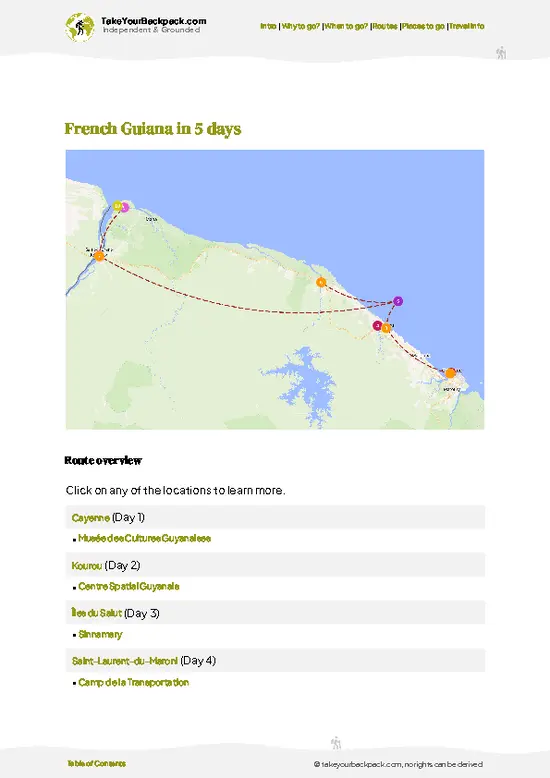
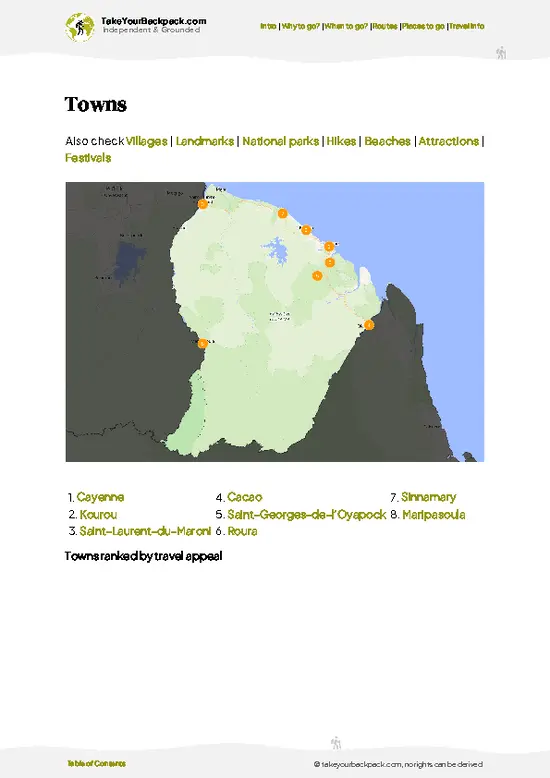
  • Cayenne—urban center, Creole markets, coastal fort| 23 km away
  • Cacao—Hmong community, Sunday market, agricultural valley| 27 km away
  • Kourou—spaceport, Atlantic beaches, river islands| 59 km away

💡 Not sure where to go next?
Create a personalized itinerary for French Guiana including Roura and the places that fit your trip.

Generate my itinerary

👉 Discover all towns

Or checkout all French Guiana has to offer (think cities, towns, villages, national parks, hikes, beaches, festivals)
Country photo of French Guiana

We 💚 feedbackIs it worth it?

Roura has this laid-back vibe that feels like a warm embrace. The best surprise? The local markets bursting with fresh fruit and the aroma of spices that linger in the air. You’ll find yourself chatting with friendly vendors who share stories as rich as their produce. Just a heads-up: the humidity can be intense, so stay hydrated and take it slow. Embrace the rhythm of the place, and you’ll discover its true charm.

✍️ Help improve this page!
The information on this page is based on in-depth research, insights shared by experienced travelers, and feedback from the local travel community in French Guiana. While every effort is made to keep the information accurate and current, conditions can change — so if you spot anything incorrect or outdated, please get in touch.


🙋‍♂️ Give feedback

👋 Meet the founderWho’s Behind Take Your Backpack?

Johan, backpacker and founder of TakeYourBackpackHi, I’m Johan (Netherlands 🇳🇱), the creator of TakeYourBackpack. Over the past decade, I’ve backpacked through 80+ countries across six continents, gaining extensive experience with independent travel, long-term trips, and overland routes.

This site is built on a combination of firsthand travel experience and carefully curated insights from other backpackers. Many guides are based on places I’ve personally visited, while others bring together tips, observations, and practical advice shared by trusted travelers I’ve met along the way.

The goal is to provide realistic, experience-driven guidance — not generic itineraries — so you can explore destinations with better context, clearer expectations, and more confidence.

Get full country guide •
Instant download • 42 highlights • Full Offline guide