v2.webp)
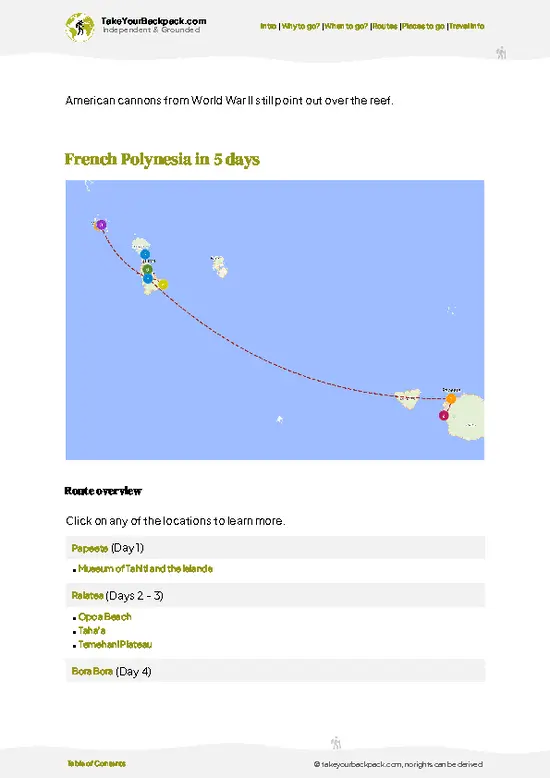
- Onetahi Beach: the long white strip near the airstrip where most visits begin, with shallow water for easy swimming and lagoon views in every direction.
- Tetiaroa Lagoon: the huge protected basin, ideal for snorkeling among reef fish, blacktip sharks and rays.
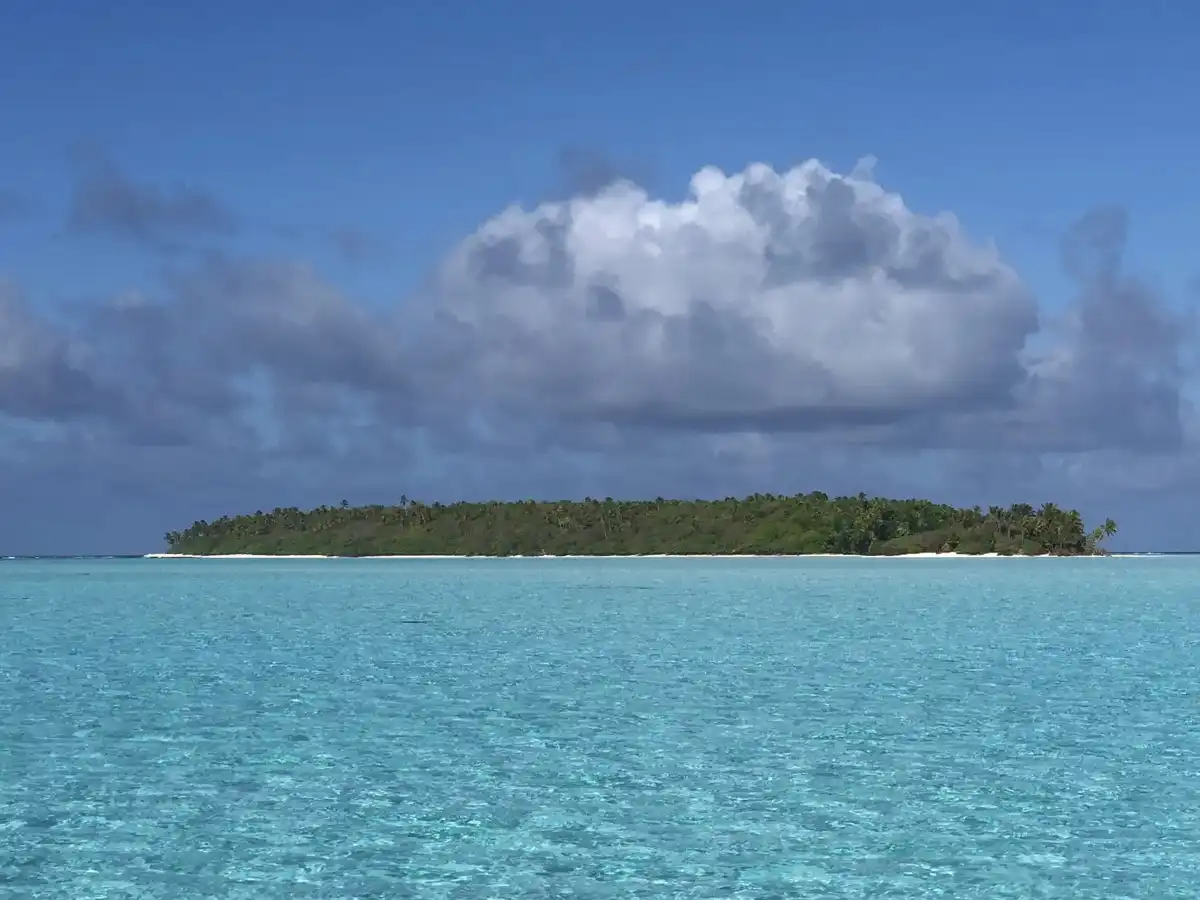
- Tahuna Iti: a bird sanctuary islet where boobies, noddies and frigatebirds nest, best seen from a guided boat.
- Tetiaroa Society research station: the ecological base where guides explain turtle monitoring, coral restoration and rat eradication work.
- Ancient marae on Tetiaroa: stone platforms from the days when Tahitian royalty used the atoll as a retreat, a quiet and little-visited walk.
- Turtle nesting beaches: stretches of sand where green turtles lay eggs, visited only with a guide and at the right season.
- Honeymoon Island (Tahuna Iti’s shallows):
- Onetahi Beach: the long white strip near the airstrip where most visits begin, with shallow water for easy swimming and lagoon views in every direction.
- Tetiaroa Lagoon: the huge protected basin, ideal for snorkeling among reef fish, blacktip sharks and rays.
- Tahuna Iti: a bird sanctuary islet where boobies, noddies and frigatebirds nest, best seen from a guided boat.
- Tetiaroa Society research station: the ecological base where guides explain turtle monitoring, coral restoration and rat eradication work.
- Ancient marae on Tetiaroa: stone platforms from the days when Tahitian royalty used the atoll as a retreat, a quiet and little-visited walk.
- Turtle nesting beaches: stretches of sand where green turtles lay eggs, visited only with a guide and at the right season.
- Honeymoon Island (Tahuna Iti’s shallows): a sandbar-like fringe at low tide where you can wade across knee-deep water.
- Motu Rimatu’u: a quiet islet with little foot traffic, good for a picnic and a long walk.
- Coconut palm interior paths: shaded trails through old plantations where hermit crabs scuttle and locals say the best birdsong is at dawn.
- Outer reef passes: the drop where the lagoon meets open ocean, a spot for experienced snorkelers with a guide.
Spotted a mistake or missing something? Contact us.

Franckyfranck tours Moorea - Tours privés // Private half day tours

Mo'orea Half Day Private Tour with Snorkeling and Cruising the Lagoon

Moorea Solo or Twin Island Tour Jet Ski 4 hours

Tour DE l'île DE Tahiti EN car TiTi's Tahiti Tour

Sea Scooter Snorkel Tour - Lagoon Discovery : Wrecks, Coral Gardens and Tropical Fishies

PRIVATE Full Day Tour : Moorea Snorkeling & Sailing on a Catamaran named Taboo

Moorea Combo 2h Jetski 3h30 Quad

Tahiti Full Day Private Coastal Tour

Domestic private transfer, arrival departure, airport hotel cruise rental

 Best Backpacking
.jpg) Hi, I’m Johan (Netherlands 🇳🇱), the creator of TakeYourBackpack. Over the past 3 decades, I’ve backpacked through 90+ countries across six continents, gaining extensive experience with independent travel, long-term trips, and overland routes.
Hi, I’m Johan (Netherlands 🇳🇱), the creator of TakeYourBackpack. Over the past 3 decades, I’ve backpacked through 90+ countries across six continents, gaining extensive experience with independent travel, long-term trips, and overland routes.