×

The Gambia🇬🇲 | townsGunjurFish landing, empty surf beach, bolong mangroves, community gardens | things to do and best time to go

Explore KartongExplore Lamin

Backpacking in Gunjur
🌟 Highlighttown ranked #6
By Johan Kruseman 🇳🇱 | Updated October 22, 2026

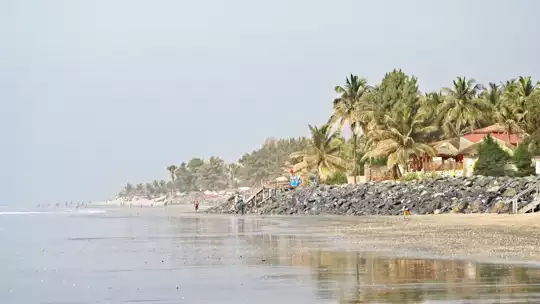
Gunjur is not on the Atlantic strip with the big resorts, and many travelers assume it is a mini Kololi; it is a working fishing and farming town in the southwest of the Gambia, in West Coast Region, with a long empty beach. Reaching it means gelleh-gelleh minibuses and shared taxis, and the last stretch is slow, so plan arrival before dark. Power cuts happen, so carry a headlamp and charge phones when the grid is on. Cash is king, because there are few machines, so withdraw in Brikama or the coast first. Evenings are quiet: a few guesthouses, beach bars and the odd drum session, which suits slow travelers and makes meeting others easy but unhurried. Mornings smell of woodsmoke and drying fish, and the surf pounds steadily.

Discover everything you want to know in the 📖 The Gambia Travel Guide.


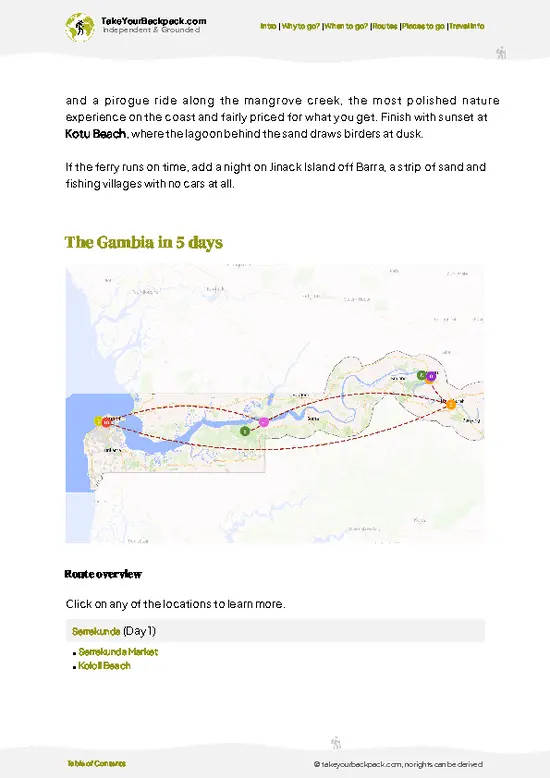
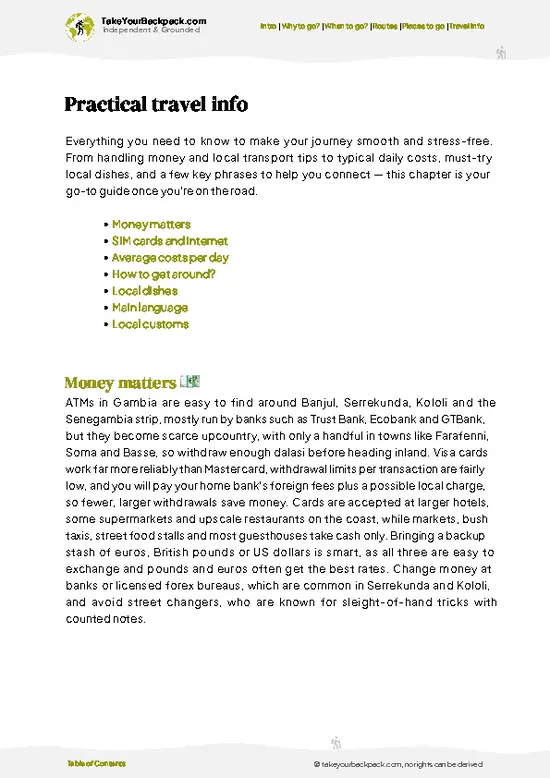
example page 0 from our offline Travel Guide for Gambia
example page 1 from our offline Travel Guide for Gambia
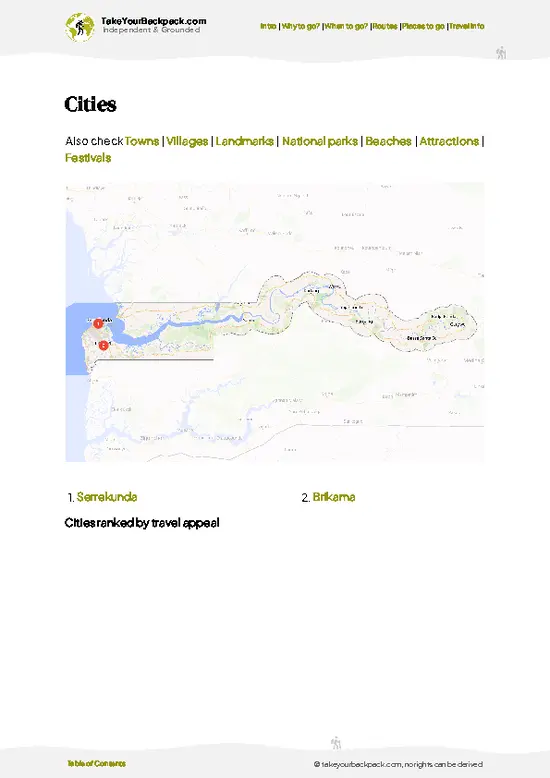
example page 2 from our offline Travel Guide for Gambia
example page 3 from our offline Travel Guide for Gambia
example page 4 from our offline Travel Guide for Gambia
example page 5 from our offline Travel Guide for Gambia
example page 6 from our offline Travel Guide for Gambia
example page 7 from our offline Travel Guide for Gambia
Loading the map 🌍
CLICK TO FILTER
cities
towns
villages
landmarks
national parks
beaches
attractions
festivals
SHOW COUNTRY’S BESTSHOW ALL

✨ Why go?
Ranked #6 town in The Gambia
What makes it a must-see town

Gunjur works for travelers who would rather linger than tick sights. The big draw is the combination of a wide, nearly empty beach, a working fishing community and the wetlands behind it, so you can swim, birdwatch and watch boats land the catch within a few kilometers. Small guesthouses and eco-lodges keep things social without any nightlife scene; people share tables, trade tips and join village walks. Most stay two to four days, birders and slow travelers often longer. It suits those who like conversation with locals, early starts and simple food, and it is a poor fit if you need nightclubs, ATMs or polished service. The Gunjur Beach landing at dawn and the Kartong-side wetlands nearby give the days structure, and the community-run lodges put your money into the village.

💡 HighlightsKey sights and experiences for travelers

  1. Gunjur Fish Landing Beach: This is the town’s heart, where colorful pirogues haul in catch and women smoke and sell fish. Go in the late afternoon when boats return. Free to watch, though a small tip for photos is polite. Allow 1 to 2 hours.
  2. Gunjur Beach: A long, wide stretch of sand with strong surf and few people. Swim only where locals do, and be careful with currents. Mornings are cooler and calmer. Free, and 2 to 3 hours is easy to fill.
  3. Gunjur Bolong and wetlands: Mangrove-lined creeks and salt flats behind the village, good for waders, kingfishers and herons. Hire a local guide or boatman for roughly US$10 to 25. Early morning is best, 2 to 3 hours.
  4. Gunjur Market: A small daily market for vegetables, dried fish, fabric and phone credit. Come in the morning when stalls are fullest. Cheap
… read more 👉
  1. Gunjur Fish Landing Beach: This is the town’s heart, where colorful pirogues haul in catch and women smoke and sell fish. Go in the late afternoon when boats return. Free to watch, though a small tip for photos is polite. Allow 1 to 2 hours.
  2. Gunjur Beach: A long, wide stretch of sand with strong surf and few people. Swim only where locals do, and be careful with currents. Mornings are cooler and calmer. Free, and 2 to 3 hours is easy to fill.
  3. Gunjur Bolong and wetlands: Mangrove-lined creeks and salt flats behind the village, good for waders, kingfishers and herons. Hire a local guide or boatman for roughly US$10 to 25. Early morning is best, 2 to 3 hours.
  4. Gunjur Market: A small daily market for vegetables, dried fish, fabric and phone credit. Come in the morning when stalls are fullest. Cheap snacks cost under US$2. Plan about 1 hour.
  5. Gunjur Project Community Gardens: Women’s and village-run plots supplying produce and an environmental project, with visits arranged through local lodges. Morning is best. A donation of US$2 to 5 is typical. Allow 1 to 2 hours.
Gunjur itself fills a relaxed two days, and you can see everything above in about one full day. Nearby, Kartong’s Folonko wetlands and sacred crocodile pool at Kachikally in Bakau, and Tanji fishing village and bird reserve, work well for day trips.
Spotted a mistake or missing something? Contact us.

Things to do near Gunjur

Ratings based on Tripadvisor reviews. When you book through this link, you support our work at no extra cost to you.

🏘️ NeighborhoodsHow different areas shape the experience

Gunjur is small enough to cover on foot or by bicycle, but its parts feel distinct, and the sand roads are why you should plan around the heat rather than the map.
  • Gunjur Beach and Gunjur Kunda: The fishing landing site on the Atlantic is the loudest corner. Wooden pirogues hit the surf, women haul baskets of bonga and sole, and smoke from fish-drying racks hangs in the air. Go in late afternoon when the boats come in. Wear sandals you can wet, because the sand is soft and the landing is slick with fish scales.
  • Gunjur Village center: A grid of sandy lanes, compounds, a busy market and mosques with morning calls. Stalls sell onions, peanuts, bitter tomatoes and Gambian bread with café touba. Walk it before 10 am, as midday sun bounces off the pale sand. Greet everyone; it opens doors and cuts
… read more 👉
Gunjur is small enough to cover on foot or by bicycle, but its parts feel distinct, and the sand roads are why you should plan around the heat rather than the map.
  • Gunjur Beach and Gunjur Kunda: The fishing landing site on the Atlantic is the loudest corner. Wooden pirogues hit the surf, women haul baskets of bonga and sole, and smoke from fish-drying racks hangs in the air. Go in late afternoon when the boats come in. Wear sandals you can wet, because the sand is soft and the landing is slick with fish scales.
  • Gunjur Village center: A grid of sandy lanes, compounds, a busy market and mosques with morning calls. Stalls sell onions, peanuts, bitter tomatoes and Gambian bread with café touba. Walk it before 10 am, as midday sun bounces off the pale sand. Greet everyone; it opens doors and cuts down hassle.
  • Bolongfenyo wetland and Gunjur Beach Road area: Mangrove, reed and palm edges where the lagoon meets the dunes. Birdsong, frogs at dusk, and a few small restaurants with grilled fish and cold Julbrew. It is quiet at night with almost no streetlights, so carry a headlamp. A bicycle or short walk gets you there, and the track floods in heavy rain.
  • Roadside along the main highway: Dusty, noisy, lined with shared-taxi stops and phone-credit stands. Useful for onward travel, not for lingering.

⌛️ 1 daySeeing the highlights in 24 hours

8:00 AM, Gunjur Beach
Start where the day is coolest and the fishing boats come in. Walk the sand south of the beach road as the pirogues land their catch and women haggle over bonga and barracuda in a loud, wet scramble. Stay an hour, then walk inland to the fish landing area, since the best action happens before the sun gets heavy.
9:30 AM, Gunjur Fish Market
The market runs along the shore, with smoke from the drying racks stinging your eyes and the smell of salt and charcoal everywhere. Buy a small bag of smoked fish if you have a kitchen, or simply watch the filleting. Then take a shared taxi or walk 20 minutes to the village center.
11:00 AM, Gunjur Village Center
Wander the sandy lanes past compounds, mango trees and the main mosque. Greet people with a quick salaam aleikum and you will … read more 👉
8:00 AM, Gunjur Beach
Start where the day is coolest and the fishing boats come in. Walk the sand south of the beach road as the pirogues land their catch and women haggle over bonga and barracuda in a loud, wet scramble. Stay an hour, then walk inland to the fish landing area, since the best action happens before the sun gets heavy.
9:30 AM, Gunjur Fish Market
The market runs along the shore, with smoke from the drying racks stinging your eyes and the smell of salt and charcoal everywhere. Buy a small bag of smoked fish if you have a kitchen, or simply watch the filleting. Then take a shared taxi or walk 20 minutes to the village center.
11:00 AM, Gunjur Village Center
Wander the sandy lanes past compounds, mango trees and the main mosque. Greet people with a quick salaam aleikum and you will be waved into conversations fast. Stop at a small shop for a cold drink and a bread-and-egg sandwich, then head toward the wetlands.
1:00 PM, Lunch at a beach bar
Pick a shaded spot along the beach road for grilled fish with rice or onion sauce. Eat slowly, because the midday heat flattens everything, and rest until the air cools a little.
3:30 PM, Gunjur Bolong and Mangrove Edge
This is the corner few travelers include. Follow a track inland to the tidal creek and mangrove fringe, where egrets and kingfishers work the mud and the only sound is wind and water. Go with a local guide if you want to cross the soft ground safely, and wear shoes you do not mind getting muddy.
5:30 PM, Gunjur Beach at Dusk
Return to the sand as the boats head out again and the sky goes orange over the Atlantic. Grab a Julbrew or a fresh juice at a beach bar and let the evening drum practice drift down from the village. Dinner is simple and local, and an early night suits the rhythm here.

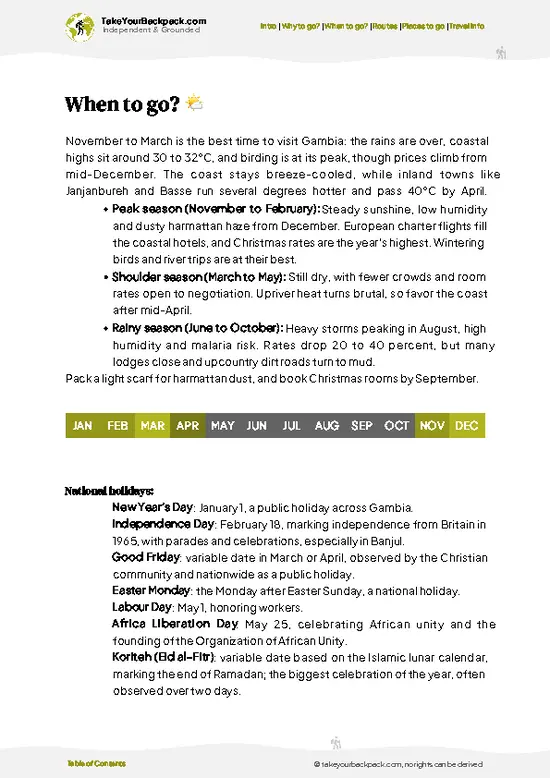
🌤️ When to go?Seasonal considerations and timing

  • November to February: Gunjur is at its most comfortable, with dry air, cool breezes and highs around 28 to 32°C (82 to 90°F) and nights near 17 to 20°C (63 to 68°F). Expect the biggest crowds and highest lodging prices, especially around Christmas.
  • March to May: Heat builds, with highs of 32 to 36°C (90 to 97°F). Beaches stay quiet and prices soften. Daylight runs about 12 hours year-round.
  • June to October: The rains turn sand lanes to mud and lagoon paths to puddles. Temperatures sit near 30°C (86°F) with high humidity and mosquitoes. August and September are wettest. Rooms are cheapest and the landscape is bright green.
  • Fishing rhythm: Boats land catches most afternoons, though rough surf can keep some in port.
Book ahead for late December, or come in early November for good weather and easier bargaining.

source: climatestotravel.comJANJanuary: excellent for travelingFEBFebruary: excellent for travelingMARMarch: excellent for travelingAPRApril: highly recommended for travelingMAYMay: highly recommended for travelingJUNJune: fair for travelingJULJuly: fair for travelingAUGAugust: fair for travelingSEPSeptember: fair for travelingOCTOctober: fair for travelingNOVNovember: highly recommended for travelingDECDecember: excellent for traveling
when-to-go

✈️ The backpacker research shortcutThe Gambia Travel Guide

An offline-friendly backpacking guide with optimized travel routes, ranked highlights, transport advice, and the best areas to stay.
example page 0 from our offline Travel Guide for Gambia
example page 1 from our offline Travel Guide for Gambia
example page 2 from our offline Travel Guide for Gambia
example page 3 from our offline Travel Guide for Gambia
example page 4 from our offline Travel Guide for Gambia
example page 5 from our offline Travel Guide for Gambia
example page 6 from our offline Travel Guide for Gambia
example page 7 from our offline Travel Guide for Gambia
The digital guide (213 pages) contains:
✅ 50 highlights, ranked by travel appeal
✅ Optimized 2, 3 & 5-day travel routes
✅ Cities, national parks, landmarks, beaches
✅ How to get around
✅ Offline-friendly for travel without Wi-Fi
👉 Click to see all 30+ guide features

📅 Plan smarter in minutes, not weeks
✅ Month by month travel advice
✅ Festivals & national holidays
✅ Budget expectations

🗺️ Go to the right places, skip the overrated ones
✅ Honest pros & cons of destinations
✅ Top hikes, parks & viewpoints
✅ Lesser-known places most travelers miss
✅ Clear “worth it vs skip it” guidance

🛏️ Travel smoothly without rookie mistakes
✅ Best areas to stay
✅ Transport systems explained simply
✅ Common scams & safety advice
✅ SIM cards, money & practical tips

🌍 Understand the country, not just visit it
✅ Culture & traditions
✅ 52 Essential phrases & customs
✅ Festivals worth planning around
✅ Traveler-friendly historical context
✅ Insights that make places more meaningful

📱 Built for real travel conditions
✅ Fully downloadable PDF
✅ Works completely offline
✅ Optimized for phone use
✅ Useful in remote areas & buses
✅ Everything in one place
Stop searching, start planning
Get instant access to your full guide. 30‑day money-back guarantee.
+ Add another guide for just

By proceeding you agree to our terms.
Sent to your inbox immediately after payment • 100% Secure Checkout
Best Backpacking Travel Advisor 2025 tourism awardBest Backpacking
Travel Advisor
2025
What others say about Take Your Backpack Guides:
⭐⭐⭐⭐⭐
Fantastic, amazing amount of information!
⭐⭐⭐⭐⭐
My goodness this is amazing, it's what I've been looking for hats off too you!
⭐⭐⭐⭐⭐
I think this is absolutely BRILLIANT
⭐⭐⭐⭐
Very complete and informative. It's still missing places, but I gotta to commend you
⭐⭐⭐⭐⭐
This is truly amazing, thank you, can't wait to explore it with my kids!
⭐⭐⭐⭐⭐
Awesome resource, thank you!
⭐⭐⭐⭐⭐
This is amazing! Can't wait to explore the ones I haven't seen
⭐⭐⭐⭐
I love this! Well done, great idea.
⭐⭐⭐⭐⭐
Thanks for taking the time to make this gem!
⭐⭐⭐⭐⭐
This might be the best website I've ever seen.
⭐⭐⭐⭐⭐
Congratulations, and thank you so much for your work; it's incredibly valuable.
⭐⭐⭐⭐
In all seriousness I think you did a great job pointing out the important spots
⭐⭐⭐⭐⭐
10/10 very good
⭐⭐⭐⭐⭐
As someone who's only just starting to visit regularly this is awesome, thank you.
⭐⭐⭐⭐
Thank you very much! I'm going to visit my dad, it's going to be very useful!
⭐⭐⭐⭐⭐
This is really cool! We'll be travelling for the first time and this definitely come in handy.
⭐⭐⭐⭐⭐
You are now our minister of culture, congratulations 👨‍💼
⭐⭐⭐⭐⭐
Just wanted to tell you that this is a pearl! Going to follow your recommendations.
⭐⭐⭐⭐⭐
This is so cool. I'll definitely be using the resource for my travels soon.
⭐⭐⭐⭐⭐
This is very impressive! Good work.
⭐⭐⭐⭐⭐
This is an amazing and informative site. Very well done!

🛏️ Where to stay?Where staying makes the most sense

The best budget option is the beach side of Gunjur, along and just behind the coast road, where small guesthouses, eco-lodges and simple rooms cluster. Dorm beds are rare, so most backpackers take a basic private room or a bed in a shared bungalow, typically US$12 to 30 a night, with prices rising in December and January. Sea breezes keep rooms cooler and the sound of waves replaces traffic noise. Lanes are unlit, so walking back from dinner is easier with a headlamp, and most places have a night guard.

The second option is the village center near the market and main road. It is cheaper, with … read more 👉
The best budget option is the beach side of Gunjur, along and just behind the coast road, where small guesthouses, eco-lodges and simple rooms cluster. Dorm beds are rare, so most backpackers take a basic private room or a bed in a shared bungalow, typically US$12 to 30 a night, with prices rising in December and January. Sea breezes keep rooms cooler and the sound of waves replaces traffic noise. Lanes are unlit, so walking back from dinner is easier with a headlamp, and most places have a night guard.

The second option is the village center near the market and main road. It is cheaper, with family-run rooms from about US$8 to 15, and shared taxis pass at the door for easy onward travel. It is louder, with morning calls to prayer, roosters and generators, so pack earplugs. Distance to the beach is a 15 to 25 minute sandy walk. Bring cash, since cards and ATMs are unreliable, and message ahead in the rainy season as some places close.

🚌 Getting aroundGetting around like a local

A shared bush taxi along the coast road costs about US$0.50 to 1 for short hops, and you pay in cash to the driver or his assistant, so keep small notes. Gunjur is compact, the main road is paved and the rest is sand, and public transport means shared vehicles that leave when full, not on a timetable. Expect horns, dust and a lot of cheerful shouting at the stops.
  • Walking: Free and the best way to see the village, market and beach. Sand drags at your legs, so go early or after 4 pm when the light softens and the heat drops.
  • Shared bush taxis (gele-gele minibuses): Run along the main road toward Brikama and Kartong from roughly early morning to late afternoon. Fares are about US$0.50 to 2 depending on distance. They fill slowly, so ask the driver whether he is leaving soon, and expect to squeeze
… read more 👉
A shared bush taxi along the coast road costs about US$0.50 to 1 for short hops, and you pay in cash to the driver or his assistant, so keep small notes. Gunjur is compact, the main road is paved and the rest is sand, and public transport means shared vehicles that leave when full, not on a timetable. Expect horns, dust and a lot of cheerful shouting at the stops.
  • Walking: Free and the best way to see the village, market and beach. Sand drags at your legs, so go early or after 4 pm when the light softens and the heat drops.
  • Shared bush taxis (gele-gele minibuses): Run along the main road toward Brikama and Kartong from roughly early morning to late afternoon. Fares are about US$0.50 to 2 depending on distance. They fill slowly, so ask the driver whether he is leaving soon, and expect to squeeze in with sacks of rice and chickens. Services thin out after dark.
  • Private taxis: Yellow-and-green cars wait at the main junction. A trip within Gunjur is about US$2 to 4, and to Serrekunda around US$25 to 40. Agree the price before getting in, since there are no meters, and the fare is firmer if you ask a local to help.
  • Bicycles and motorbike taxis: Some guesthouses lend or rent bikes for about US$3 to 6 a day. Tires sink in loose sand, so stay on harder tracks near the road. Motorbike rides are cheap, at US$1 to 2, but helmets are rare.

👛 Costs (as of 22 October 2026)Typical daily expenses

Gunjur costs a backpacker about US$27 a day in high season, and a dorm bed here is a rarity, so most of that goes on a simple private room. Everything is paid in cash in dalasi, and the nearest reliable ATMs are in Brufut, Brikama and the Kololi strip, so arrive with enough money.
CategoryBudget RangeLocal Reality
Dorm accommodationUS$8 to 14 high season, US$6 to 10 low seasonDorms are scarce. Expect a basic bed or a bunk in an eco-lodge or guesthouse, often with a fan and a net.
MealsUS$5 to 8Benachin (one-pot rice) or domoda (peanut stew) at a roadside eatery runs US$1.50 to 3. Grilled fish on the beach costs a little more.
Local transportUS$1 to 3Shared yellow taxis and bush taxis cover the main road. Motorbike and tuk-tuk rides in town cost less than US$1 to 2.
Basic activities/entry feesUS$3
… read more 👉
Gunjur costs a backpacker about US$27 a day in high season, and a dorm bed here is a rarity, so most of that goes on a simple private room. Everything is paid in cash in dalasi, and the nearest reliable ATMs are in Brufut, Brikama and the Kololi strip, so arrive with enough money.
CategoryBudget RangeLocal Reality
Dorm accommodationUS$8 to 14 high season, US$6 to 10 low seasonDorms are scarce. Expect a basic bed or a bunk in an eco-lodge or guesthouse, often with a fan and a net.
MealsUS$5 to 8Benachin (one-pot rice) or domoda (peanut stew) at a roadside eatery runs US$1.50 to 3. Grilled fish on the beach costs a little more.
Local transportUS$1 to 3Shared yellow taxis and bush taxis cover the main road. Motorbike and tuk-tuk rides in town cost less than US$1 to 2.
Basic activities/entry feesUS$3 to 6Walking the beach and the fish landing site is free. Bird-watching in the Gunjur wetlands and community-run tours cost a few dollars.
Miscellaneous expensesUS$2 to 4Bottled water, a SIM card top-up, a Julbrew beer and small tips.
Total Daily BudgetUS$27Mid-range lodges push this closer to US$40.
Eat where the fishermen and market women eat, near the landing beach. Plates there cost half the tourist-lodge price, and the fish was in the water that morning.
⚠️ Prices can change and everyone travels differently, so take this as a rough guide. Hope it helps you plan your adventure!

🚌 Day tripsBest day trips from Gunjur

Gunjur works well for short outings, since shared taxis and short rides reach several highlights within an hour or two, and you can be back by dusk.
Kartong and Folonko Crocodile Pool:
A short ride south brings you to Kartong, with its quiet beach, the Kartong Bird Observatory area and the sacred Folonko crocodile pool. Plan on 30 to 45 minutes by shared taxi, and US$5 to 12 all in. Go in the morning for birds and cooler air; November to March is best. First-timers often arrive at midday and find animals hidden.
👉 Explore Kartong
Tanji Fishing Village and Bird Reserve:
North of Gunjur, Tanji has one of the busiest fish landing beaches in the country, with smoking racks and a small museum nearby. Allow about 1 hour each way by minibus with one change, and US$6 to 15 including entry. Afternoon … read more 👉
Gunjur works well for short outings, since shared taxis and short rides reach several highlights within an hour or two, and you can be back by dusk.
Kartong and Folonko Crocodile Pool:
A short ride south brings you to Kartong, with its quiet beach, the Kartong Bird Observatory area and the sacred Folonko crocodile pool. Plan on 30 to 45 minutes by shared taxi, and US$5 to 12 all in. Go in the morning for birds and cooler air; November to March is best. First-timers often arrive at midday and find animals hidden.
👉 Explore Kartong
Tanji Fishing Village and Bird Reserve:
North of Gunjur, Tanji has one of the busiest fish landing beaches in the country, with smoking racks and a small museum nearby. Allow about 1 hour each way by minibus with one change, and US$6 to 15 including entry. Afternoon is when boats return. Do not photograph people without asking.
👉 Explore Tanji
Brikama Woodcarvers Market:
Brikama, about an hour inland, is known for woodcarvers and kora makers. Costs are US$4 to 10 for transport, plus whatever you buy. Visit weekdays in the morning. Many first-timers pay the first quoted price, so counter at half.
👉 Explore Brikama
Abuko Nature Reserve:
Abuko is a small forest with monkeys, birds and crocodiles, reached in 1.5 to 2 hours via Brikama. Entry is around US$5 to 8, with transport raising a day to US$12 to 20. Arrive at opening, between November and April.
👉 Explore Abuko Nature Reserve

🛡️ SafetyTraveler Safety Guide

Gunjur is calm and the risks are mostly small ones. Daytime walking is relaxed, but unlit sand lanes after dark make tripping or twisted ankles likelier than crime, so carry a headlamp and avoid the dunes and quiet beach alone at night. Solo women may get friendly attention, and a firm, polite no works better than silence. Some “bumsters” offering tours or friendship may ask for money later, so settle any price first. Rip currents are strong along the beach, and swimming is safer when other people are in the water. Keep valuables out of sight at the fish landing, where crowds form, and use bottled or filtered water to avoid stomach trouble. Malaria is present, especially in the rains, so use repellent at dusk.

FAQFrequently asked questions about Gunjur

Gunjur is worth a visit if you want a working fishing town with a long, quiet beach, rather than a resort. Its landing beach fills with painted pirogues each afternoon, and the Gunjur wetlands and bird reserve are a short walk inland. Most travelers find that it suits those who want calm over nightlife.
Two to three days is enough for Gunjur. One day covers the beach, the fish landing and the village market, and a second adds birding in the wetlands and the nearby Kartong area. A third day suits slow beach time or a trip to Brikama.
Yes, Gunjur works as a day trip from the Kololi and Senegambia coast, about 40 to 60 minutes by taxi, or from Brikama via shared taxis and minibuses for roughly US$1 to 2. A private taxi from the coast costs about US$25 to 40 return. A day trip leaves just enough time for the beach and lunch, so staying a night gives you the evening light and the quiet.
⚠️ Things can change over time, so always validate details locally before you go.

Other Gambian towns near Gunjur

Explore more nearby:

  • Kartong—river mouth, eco-camps, border village| 9 km away
  • Folonko—sacred crocodile pool, local rituals, forest edge| 10 km away
  • Jambanjelly—agricultural fields, rural compounds, community projects| 12 km away

💡 Not sure where to go next?
Create a personalized itinerary for The Gambia including Gunjur and the places that fit your trip.

Generate my itinerary

👉 Discover all towns

Or checkout all The Gambia has to offer (think cities, towns, villages, national parks, hikes, beaches, festivals)
Country photo of The Gambia

We 💚 feedbackSumming up the experience

Gunjur pairs well with Kartong’s wetlands to the south and the busier Tanji and coast to the north, so use it as the quiet middle of a coastal route. I would bring small notes, a headlamp and patience, and skip any plan that depends on an ATM.

✍️ Help improve this page!
The information on this page is based on in-depth research, insights shared by experienced travelers, and feedback from the local travel community in The Gambia. While every effort is made to keep the information accurate and current, conditions can change — so if you spot anything incorrect or outdated, please get in touch.


🙋‍♂️ Give feedback

👋 Meet the founderWho’s Behind Take Your Backpack?

Johan, backpacker and founder of TakeYourBackpackHi, I’m Johan (Netherlands 🇳🇱), the creator of TakeYourBackpack. Over the past 3 decades, I’ve backpacked through 90+ countries across six continents, gaining extensive experience with independent travel, long-term trips, and overland routes.

This site is built on a combination of firsthand travel experience and carefully curated insights from other backpackers. Many guides are based on places I’ve personally visited, while others bring together tips, observations, and practical advice shared by trusted travelers I’ve met along the way.

The goal is to provide realistic, experience-driven guidance — not generic itineraries — so you can explore destinations with better context, clearer expectations, and more confidence.