Tanji Fish Market
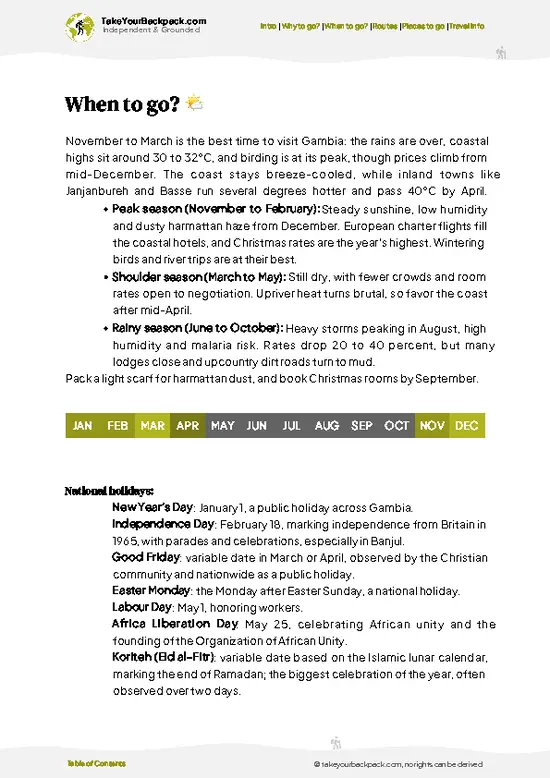
If you want to feel the pulse of The Gambia, stand on the sand at Tanji Fish Market just before sunset. The air is thick with the scent of woodsmoke and saltwater, and the shouts of fishmongers blend with the slap of waves against painted pirogues. This isn’t a tourist show—it’s the real engine of the town. Watch the boats land, see women in bright wraps haggle over buckets of sardinella, and feel the heat from the smoking huts where fish are preserved for the inland markets. The best time is late afternoon, when the catch comes in and the whole town seems to converge. Entry is free, but bring a few dalasi if you want to buy smoked fish or snap a portrait. Give yourself at least an hour, more if you want to linger and soak up the rhythm.
Tanji Village Museum
This isn’t your … read more 👉
If you want to feel the pulse of The Gambia, stand on the sand at Tanji Fish Market just before sunset. The air is thick with the scent of woodsmoke and saltwater, and the shouts of fishmongers blend with the slap of waves against painted pirogues. This isn’t a tourist show—it’s the real engine of the town. Watch the boats land, see women in bright wraps haggle over buckets of sardinella, and feel the heat from the smoking huts where fish are preserved for the inland markets. The best time is late afternoon, when the catch comes in and the whole town seems to converge. Entry is free, but bring a few dalasi if you want to buy smoked fish or snap a portrait. Give yourself at least an hour, more if you want to linger and soak up the rhythm.
Tanji Village Museum
This isn’t your … read more 👉
Tanji Fish Market
If you want to feel the pulse of The Gambia, stand on the sand at Tanji Fish Market just before sunset. The air is thick with the scent of woodsmoke and saltwater, and the shouts of fishmongers blend with the slap of waves against painted pirogues. This isn’t a tourist show—it’s the real engine of the town. Watch the boats land, see women in bright wraps haggle over buckets of sardinella, and feel the heat from the smoking huts where fish are preserved for the inland markets. The best time is late afternoon, when the catch comes in and the whole town seems to converge. Entry is free, but bring a few dalasi if you want to buy smoked fish or snap a portrait. Give yourself at least an hour, more if you want to linger and soak up the rhythm.
Tanji Village Museum
This isn’t your average glass-case museum. The Tanji Village Museum is a living, breathing introduction to Gambian culture, built by locals to preserve their own heritage. Wander through shaded compounds where you can handle traditional tools, listen to griots (storytellers) recounting oral history, and see how local crafts are made. The museum’s gardens are alive with native plants and birds, and the guides—often the founders themselves—are generous with stories. Go in the morning or late afternoon to avoid the midday heat. Entry is around 100 dalasi (about $2), and you’ll want at least 90 minutes to do it justice.
Tanji Bird Reserve (Tanji River Bird Reserve)
Just on the edge of town, the Tanji Bird Reserve is a patchwork of coastal scrub, mangroves, and tidal lagoons. It’s a magnet for birders, but you don’t need binoculars to appreciate the spectacle: pied kingfishers hovering over the water, flashes of bee-eaters, and the occasional troop of green monkeys in the trees. The light here is golden in the early morning, and the air is alive with birdsong. There’s a small entrance fee (about 50 dalasi), and hiring a local guide (negotiable, but usually under $10) unlocks the reserve’s secrets. Two hours is enough for a slow walk, but you could easily spend half a day if you’re keen.
Tanji Art and Craft Market
Skip the generic souvenirs and head to Tanji’s small but spirited craft market. Here, artisans carve, weave, and paint right in front of you. The market is a sensory overload: the smell of fresh wood shavings, the clatter of metalwork, and the easy banter of sellers who are happy to explain their craft. Prices are fair, but bargaining is expected—think of it as part of the experience. Late morning is best, when the stalls are full and the artists are at work. Allow 45 minutes to an hour.
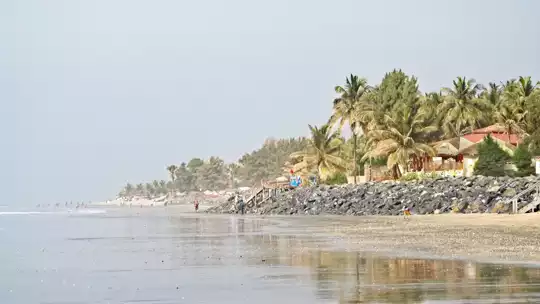
Local Beachfront (Tanji Beach)
Tanji’s beach isn’t manicured for postcards; it’s raw, lively, and deeply local. Early morning, you’ll see fishermen mending nets, kids playing football on the hard-packed sand, and the occasional goat picking its way along the shore. The Atlantic here is wild and bracing, and the horizon feels endless. It’s a place to walk, breathe, and watch daily life unfold. There’s no fee, and you can stay as long as you like—just be mindful of the strong currents if you swim.
Tanji is compact, but if you’re itching to roam further, day trips to Abuko Nature Reserve, the sacred Kachikally Crocodile Pool in Bakau, or the forested trails of Brufut Woods are all within easy reach and offer a different slice of The Gambia’s character.
If you want to feel the pulse of The Gambia, stand on the sand at Tanji Fish Market just before sunset. The air is thick with the scent of woodsmoke and saltwater, and the shouts of fishmongers blend with the slap of waves against painted pirogues. This isn’t a tourist show—it’s the real engine of the town. Watch the boats land, see women in bright wraps haggle over buckets of sardinella, and feel the heat from the smoking huts where fish are preserved for the inland markets. The best time is late afternoon, when the catch comes in and the whole town seems to converge. Entry is free, but bring a few dalasi if you want to buy smoked fish or snap a portrait. Give yourself at least an hour, more if you want to linger and soak up the rhythm.
Tanji Village Museum
This isn’t your average glass-case museum. The Tanji Village Museum is a living, breathing introduction to Gambian culture, built by locals to preserve their own heritage. Wander through shaded compounds where you can handle traditional tools, listen to griots (storytellers) recounting oral history, and see how local crafts are made. The museum’s gardens are alive with native plants and birds, and the guides—often the founders themselves—are generous with stories. Go in the morning or late afternoon to avoid the midday heat. Entry is around 100 dalasi (about $2), and you’ll want at least 90 minutes to do it justice.
Tanji Bird Reserve (Tanji River Bird Reserve)
Just on the edge of town, the Tanji Bird Reserve is a patchwork of coastal scrub, mangroves, and tidal lagoons. It’s a magnet for birders, but you don’t need binoculars to appreciate the spectacle: pied kingfishers hovering over the water, flashes of bee-eaters, and the occasional troop of green monkeys in the trees. The light here is golden in the early morning, and the air is alive with birdsong. There’s a small entrance fee (about 50 dalasi), and hiring a local guide (negotiable, but usually under $10) unlocks the reserve’s secrets. Two hours is enough for a slow walk, but you could easily spend half a day if you’re keen.
Tanji Art and Craft Market
Skip the generic souvenirs and head to Tanji’s small but spirited craft market. Here, artisans carve, weave, and paint right in front of you. The market is a sensory overload: the smell of fresh wood shavings, the clatter of metalwork, and the easy banter of sellers who are happy to explain their craft. Prices are fair, but bargaining is expected—think of it as part of the experience. Late morning is best, when the stalls are full and the artists are at work. Allow 45 minutes to an hour.
Local Beachfront (Tanji Beach)
Tanji’s beach isn’t manicured for postcards; it’s raw, lively, and deeply local. Early morning, you’ll see fishermen mending nets, kids playing football on the hard-packed sand, and the occasional goat picking its way along the shore. The Atlantic here is wild and bracing, and the horizon feels endless. It’s a place to walk, breathe, and watch daily life unfold. There’s no fee, and you can stay as long as you like—just be mindful of the strong currents if you swim.
Tanji is compact, but if you’re itching to roam further, day trips to Abuko Nature Reserve, the sacred Kachikally Crocodile Pool in Bakau, or the forested trails of Brufut Woods are all within easy reach and offer a different slice of The Gambia’s character.
Spotted a mistake or missing something? Contact us.
v2.webp)


Best Backpacking
Hi, I’m Johan (Netherlands 🇳🇱), the creator of TakeYourBackpack. Over the past decade, I’ve backpacked through 80+ countries across six continents, gaining extensive experience with independent travel, long-term trips, and overland routes.