v2.webp)
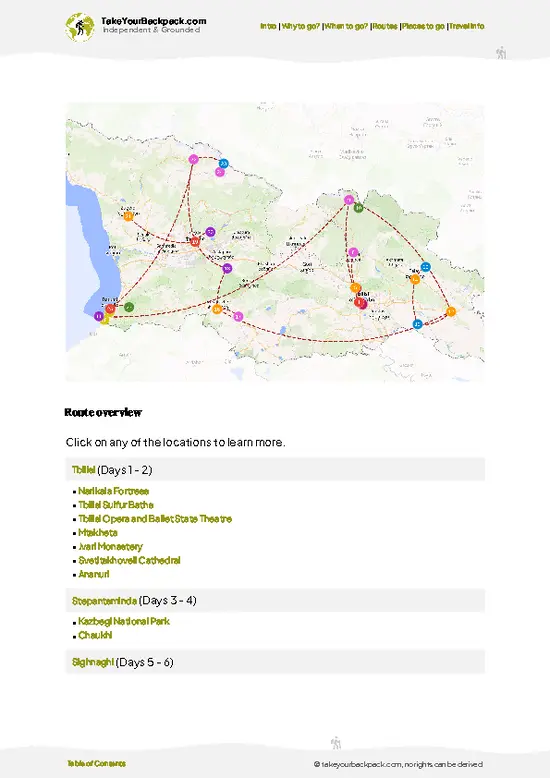
- Jvari Monastery (Monastery of the Cross) — The real reason most people come: a 6th-7th century masterpiece of early Georgian church architecture sitting on the hilltop. It’s UNESCO-listed, compact, atmospheric and best experienced in person when you can walk the stone floor and feel the centuries of pilgrimage buzz.
- Panoramic terrace/viewpoint above the monastery — The terraces and ledges around the church give the classic sweeping view of Mtskheta below and the two rivers meeting; sunrise and sunset here are properly cinematic and worth the chill or the crowd.
- Confluence of the Aragvi and Mtkvari (Kura) rivers — Visible from the Jvari hill, this dramatic meeting of two differently hued rivers makes for one of Georgia’s most-photographed natural features and you’ll get the best perspective
- Jvari Monastery (Monastery of the Cross) — The real reason most people come: a 6th-7th century masterpiece of early Georgian church architecture sitting on the hilltop. It’s UNESCO-listed, compact, atmospheric and best experienced in person when you can walk the stone floor and feel the centuries of pilgrimage buzz.
- Panoramic terrace/viewpoint above the monastery — The terraces and ledges around the church give the classic sweeping view of Mtskheta below and the two rivers meeting; sunrise and sunset here are properly cinematic and worth the chill or the crowd.
- Confluence of the Aragvi and Mtkvari (Kura) rivers — Visible from the Jvari hill, this dramatic meeting of two differently hued rivers makes for one of Georgia’s most-photographed natural features and you’ll get the best perspective from multiple lookout points in the village.
- Pilgrim path and stone stairway up the hill — The worn steps and trails that pilgrims have used for centuries are still there; climbing them gives a tangible sense of the devotional journey and small roadside crosses and icons punctuate the route.
- Exterior reliefs and carved crosses on the monastery walls — The stonework and carved crosses around the church are compact treasures: look closely at the façade and courtyard stones for medieval motifs and inscriptions you won’t pick up from a photo.
- Archaeological traces and interpretive panels around the site — Scattered foundations and explanatory plaques show earlier church phases and local history; they turn the hilltop from a pretty view into an actual story about Georgia’s conversion and medieval life.
- Local stalls and icon sellers near the approach — Simple, local stalls sell wooden crosses, small icons and handcrafted souvenirs; bargaining is light and the stalls are a chance to take home something made by nearby artisans rather than a factory trinket.
- Village lanes and traditional stone houses — A short wander through Jvari’s narrow streets reveals old-style masonry, vegetable plots and the quiet daily life of villagers—great for slow photography and low-key people-watching.
- Picnic meadows and oak groves at the hill base — Locals use these shady spots for afternoon rest; bring a snack, sit under the oaks and you’ll understand why families linger here after paying respects at the monastery.
- Short hill hikes and ridge walks that start in the village — There are simple trails that loop off from the main site offering quieter viewpoints, birdlife and a different perspective on the monastery and valley—good if you want a short walk away from the crowds.
Spotted a mistake or missing something? Contact us.

Mestia - Kutaisi Shared Transfer

4 Days Private Guided Tour in Svaneti

Mestia Ushguli private tour

Ushguli Shared Day Tour Experience from Mestia

Mestia - Batumi Shared Transfer

Koruldi Lake Private Tour From Mestia

Mestia Koruldi Lakes 4x4 Guided Trip with Mount Ushba Views


 Best Backpacking
.jpg) Hi, I’m Johan (Netherlands 🇳🇱), the creator of TakeYourBackpack. Over the past 3 decades, I’ve backpacked through 90+ countries across six continents, gaining extensive experience with independent travel, long-term trips, and overland routes.
Hi, I’m Johan (Netherlands 🇳🇱), the creator of TakeYourBackpack. Over the past 3 decades, I’ve backpacked through 90+ countries across six continents, gaining extensive experience with independent travel, long-term trips, and overland routes.