v2.webp)
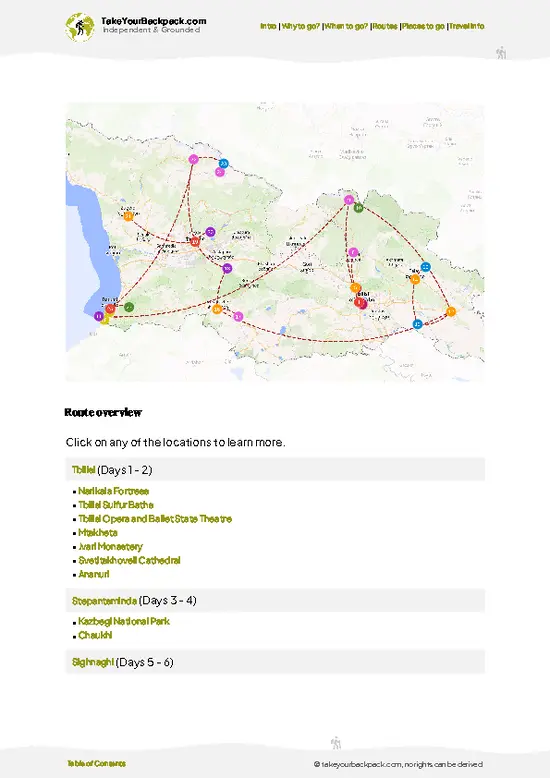
- Cave streets and living quarters — Walk through actual streets carved into solid rock: homes, shops, courtyards and narrow alleys clustered like a stony honeycomb. It’s not a single temple or ruin but a full, multi-layered settlement that gives you a real feel for how people lived inside the hill for centuries.
- The Great Hall (hall of pillars) — A large carved ceremonial space with pillar-like rock supports that served as a political and social hub. The scale and the craftsmanship are impressive because it’s all hewn from the same bedrock rather than built up with masonry.
- Rock-cut theatre and assembly spots — Small amphitheatre-style chambers and terraces used for gatherings or performances. They’re atmospheric and surprisingly intimate, and from some you get great sightlines over the
- Cave streets and living quarters — Walk through actual streets carved into solid rock: homes, shops, courtyards and narrow alleys clustered like a stony honeycomb. It’s not a single temple or ruin but a full, multi-layered settlement that gives you a real feel for how people lived inside the hill for centuries.
- The Great Hall (hall of pillars) — A large carved ceremonial space with pillar-like rock supports that served as a political and social hub. The scale and the craftsmanship are impressive because it’s all hewn from the same bedrock rather than built up with masonry.
- Rock-cut theatre and assembly spots — Small amphitheatre-style chambers and terraces used for gatherings or performances. They’re atmospheric and surprisingly intimate, and from some you get great sightlines over the site and valley below.
- Wine presses and storage spaces — Rock-hewn wine presses, fermentation pits and storage niches show Georgia’s ancient viniculture in the place where people actually made and kept wine. If you like food history, this is a literal glimpse into one of the world’s oldest wine cultures.
- Early Christian basilica and religious layers — Signs of Christian adaptation (chapels, crosses, simple fresco traces) sitting alongside older pagan and secular architecture. That layering—pagan, pagan-with-Christian-elements, and full Christian reuse—tells the story of cultural change in one compact site.
- Ingenious water system: cisterns and tunnels — Underground cisterns, channels and small tunnels that collected and moved water show practical engineering that kept the town alive. They’re clever, dry, and a neat reminder of how people solved survival problems without modern tools.
- Panoramic views over the Mtkvari (Kura) river valley — The site sits on a ridge above the valley, so the vistas are dramatic: river, fields and the modern town of Gori in the distance. Perfect for sunset photos and for imagining why this spot was chosen—defensible, commanding, and surprisingly pretty. (Personal favorite)
Spotted a mistake or missing something? Contact us.

Mtskheta-Gori-Uplistsikhe

Private Kazbegi Tour: Gergeti, Ananuri & Scenic Views

Tbilisi old town & soviet heritage - Private driver-guided Tour

Discover Georgia: A 4-Day Private tour from Tbilisi

Traditional Georgian Cooking Class at Nanas Kitchen

Private Gudauri Ski Resort & Snow Adventure Tour from Tbilisi

3 Day Tusheti Omalo, Dartlo & Abano Small Group 4x4 Adventure

UNESCO Gems of Mtskheta - Old Capital of Georgia

5 days tour package.Georgia for first time visitors


 Best Backpacking
.jpg) Hi, I’m Johan (Netherlands 🇳🇱), the creator of TakeYourBackpack. Over the past 3 decades, I’ve backpacked through 90+ countries across six continents, gaining extensive experience with independent travel, long-term trips, and overland routes.
Hi, I’m Johan (Netherlands 🇳🇱), the creator of TakeYourBackpack. Over the past 3 decades, I’ve backpacked through 90+ countries across six continents, gaining extensive experience with independent travel, long-term trips, and overland routes.